A slide deck comparing early 2005 YouTube content with modern standards. Includes warm-up questions, an embedded video of 'Me at the zoo', guided analysis points, a T-Chart comparison, and a reflection prompt.
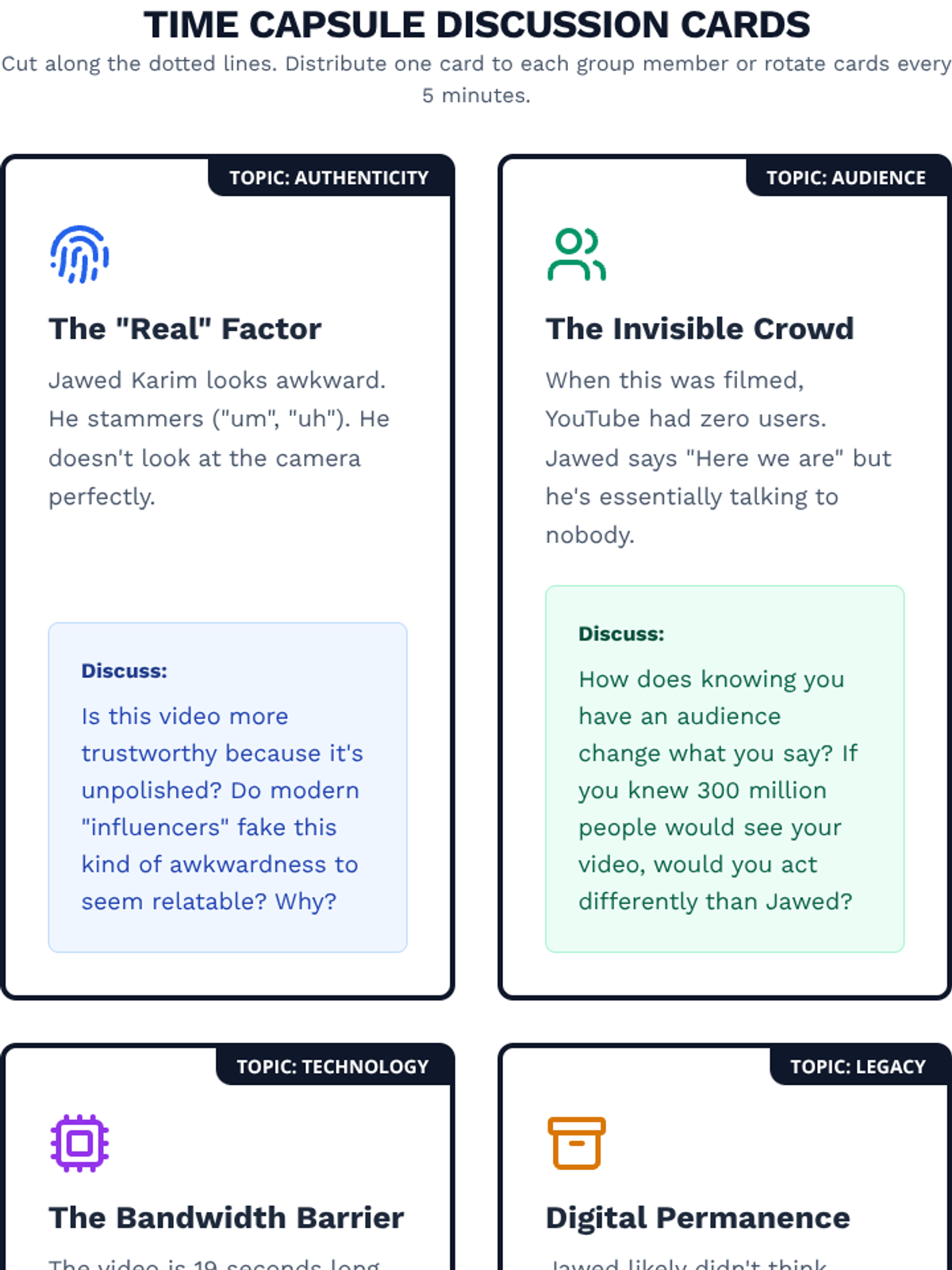
Printable discussion cards with prompts focusing on authenticity, audience, technology constraints, and digital legacy to facilitate small group conversations.
1/16
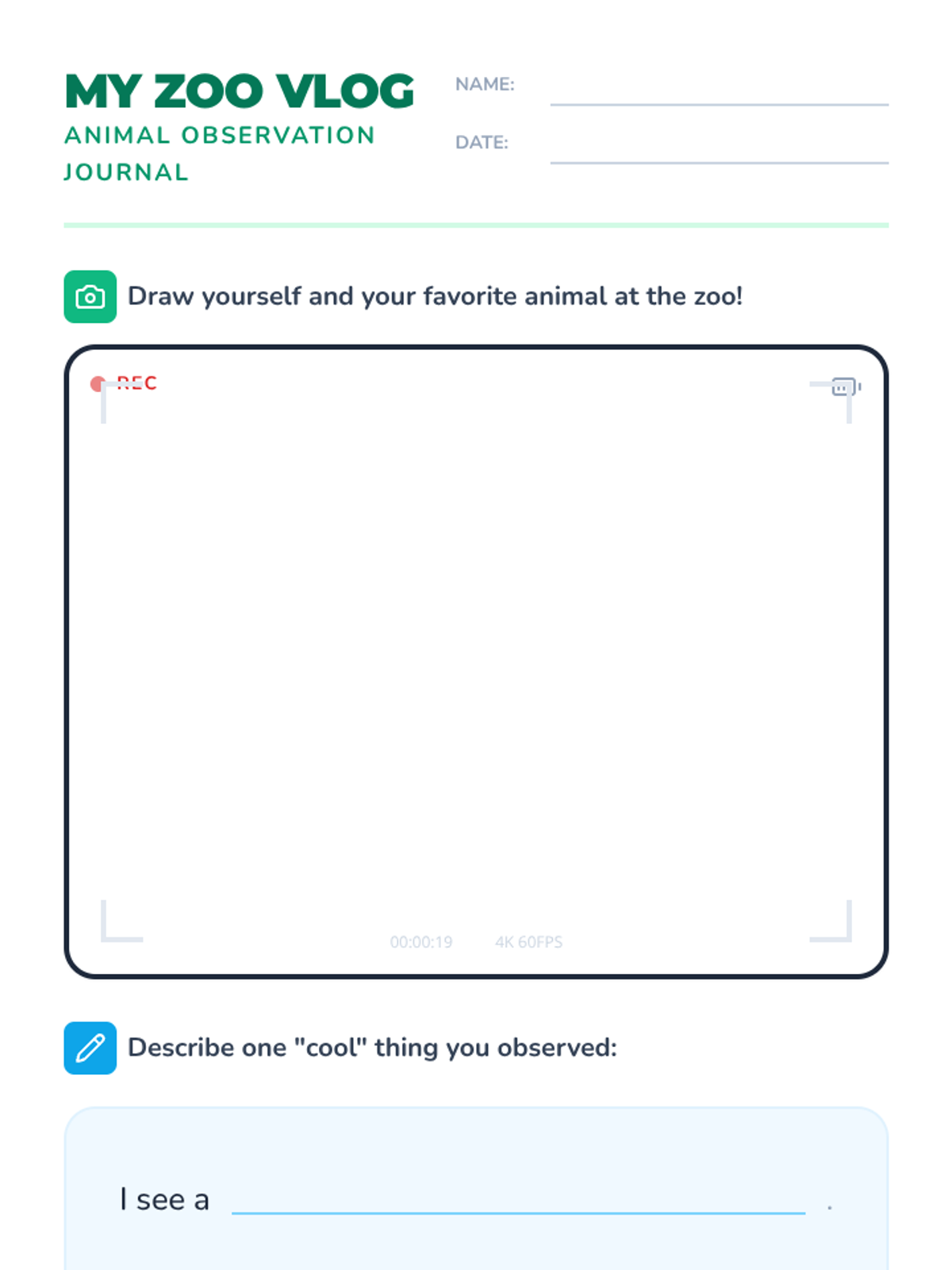
A Kindergarten-2nd Grade worksheet designed to look like a camera viewfinder, where students draw themselves with a favorite animal and complete sentence stems describing their observation.
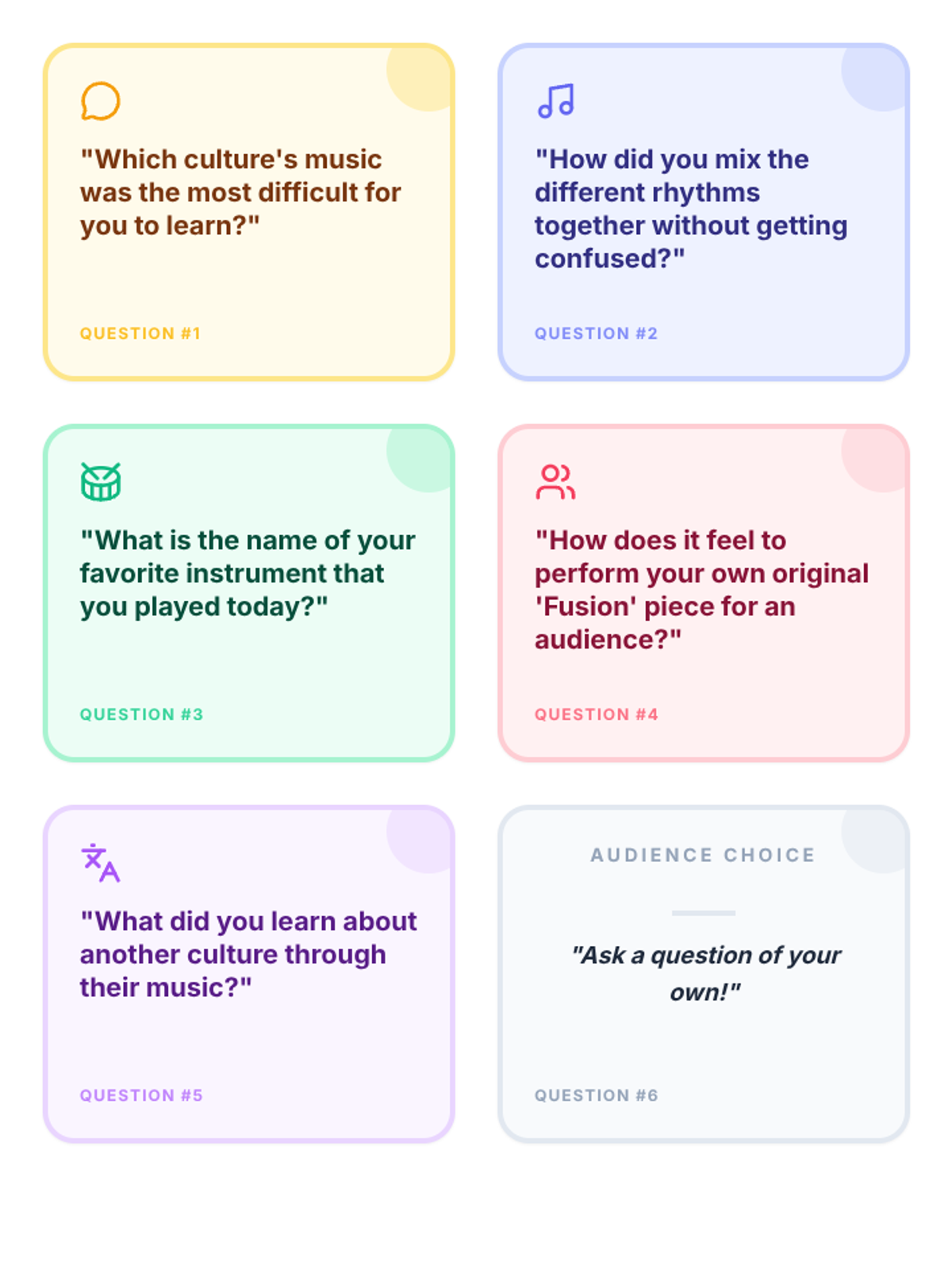
Discussion prompt cards for the post-performance Q&A session, designed to encourage meaningful interaction between the audience and the student performers.
An interactive slide deck for a Kindergarten to 2nd-grade lesson on animal observations. Includes embedded video, discussion prompts, and activity instructions focused on elephant trunks.
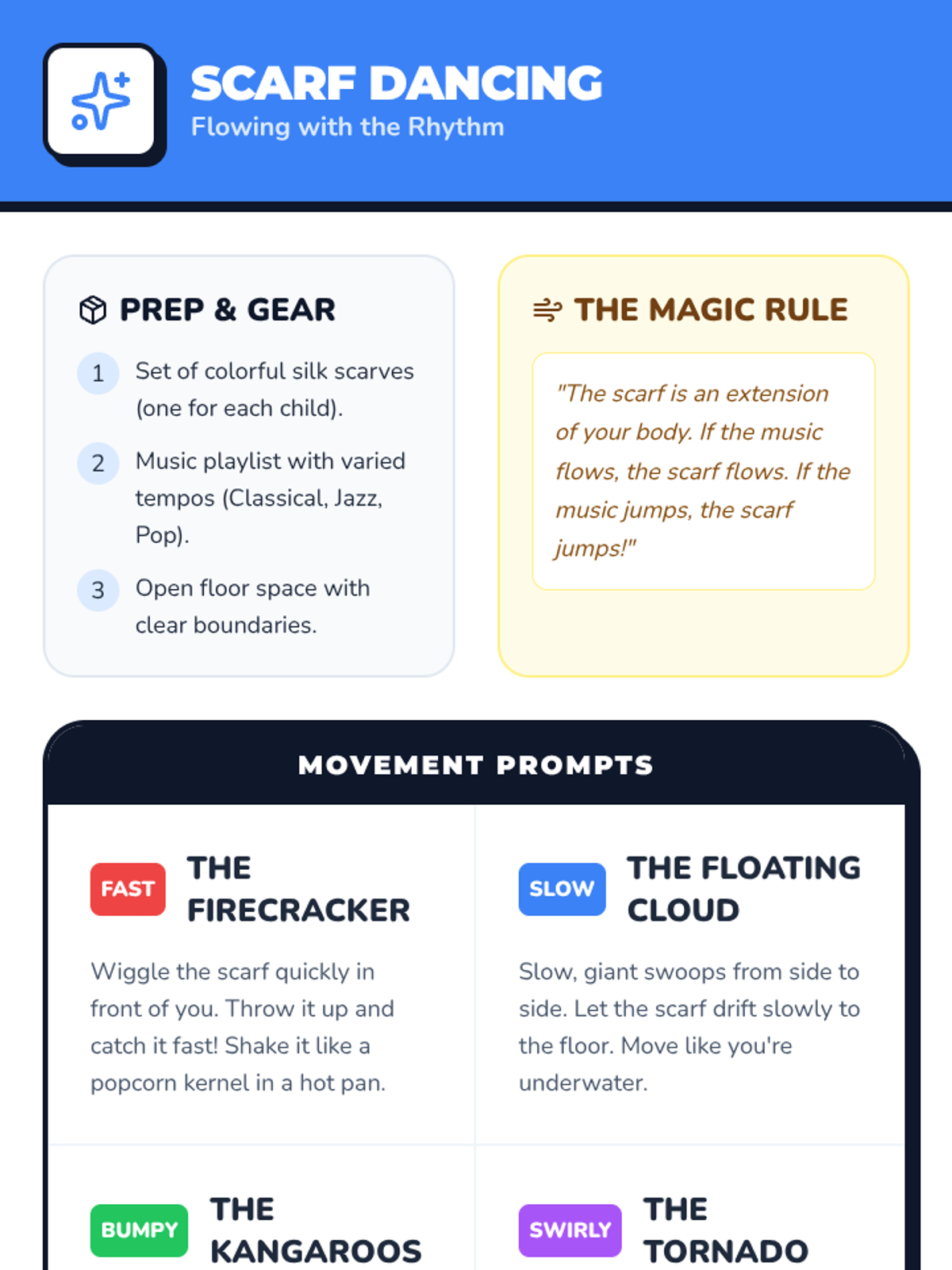
A creative movement activity guide using scarves to help Kindergarteners visualize and express different musical rhythms and tempos.
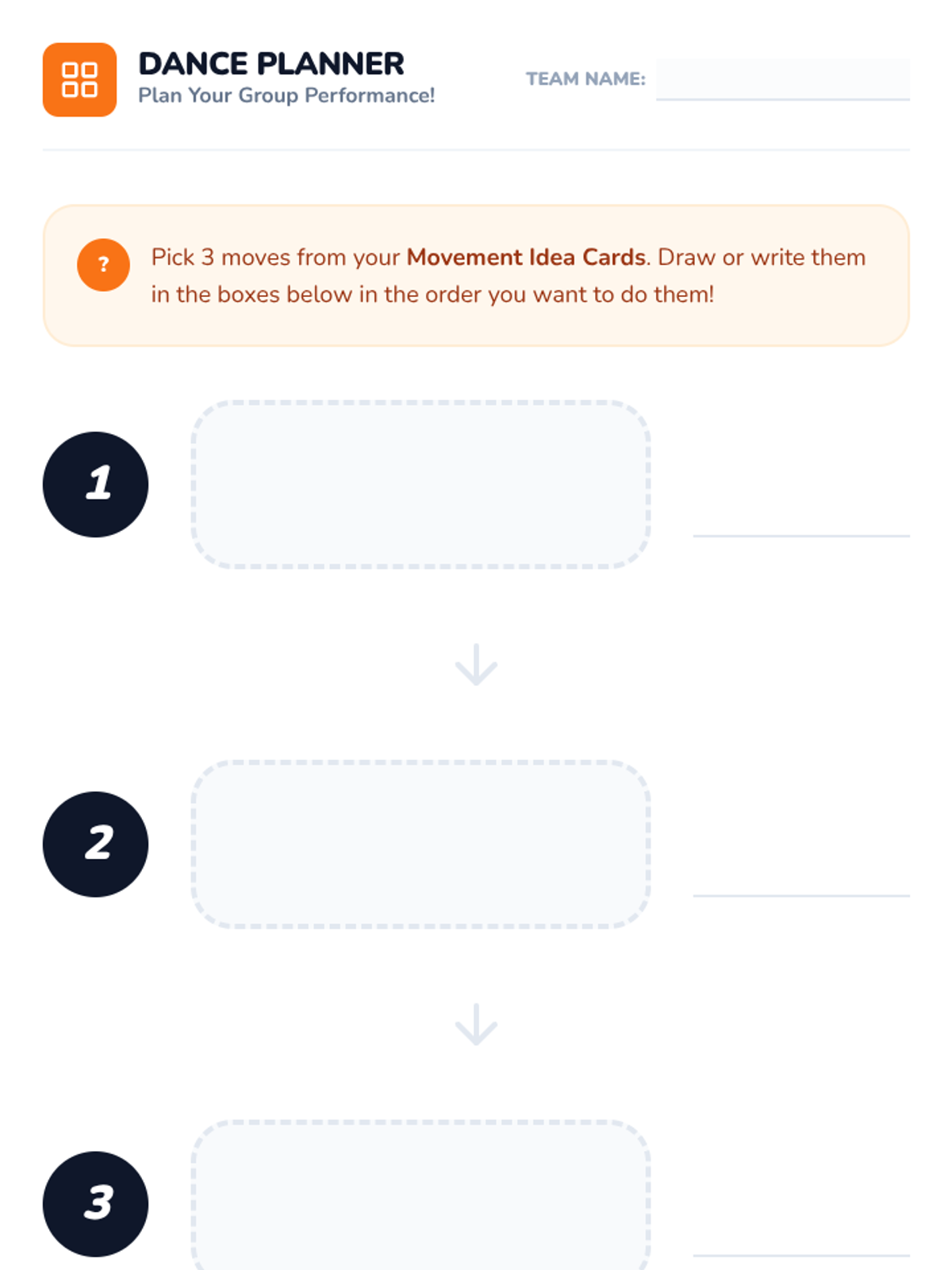
A visual planning worksheet for Kindergarteners to sequence their dance moves for the group performance.
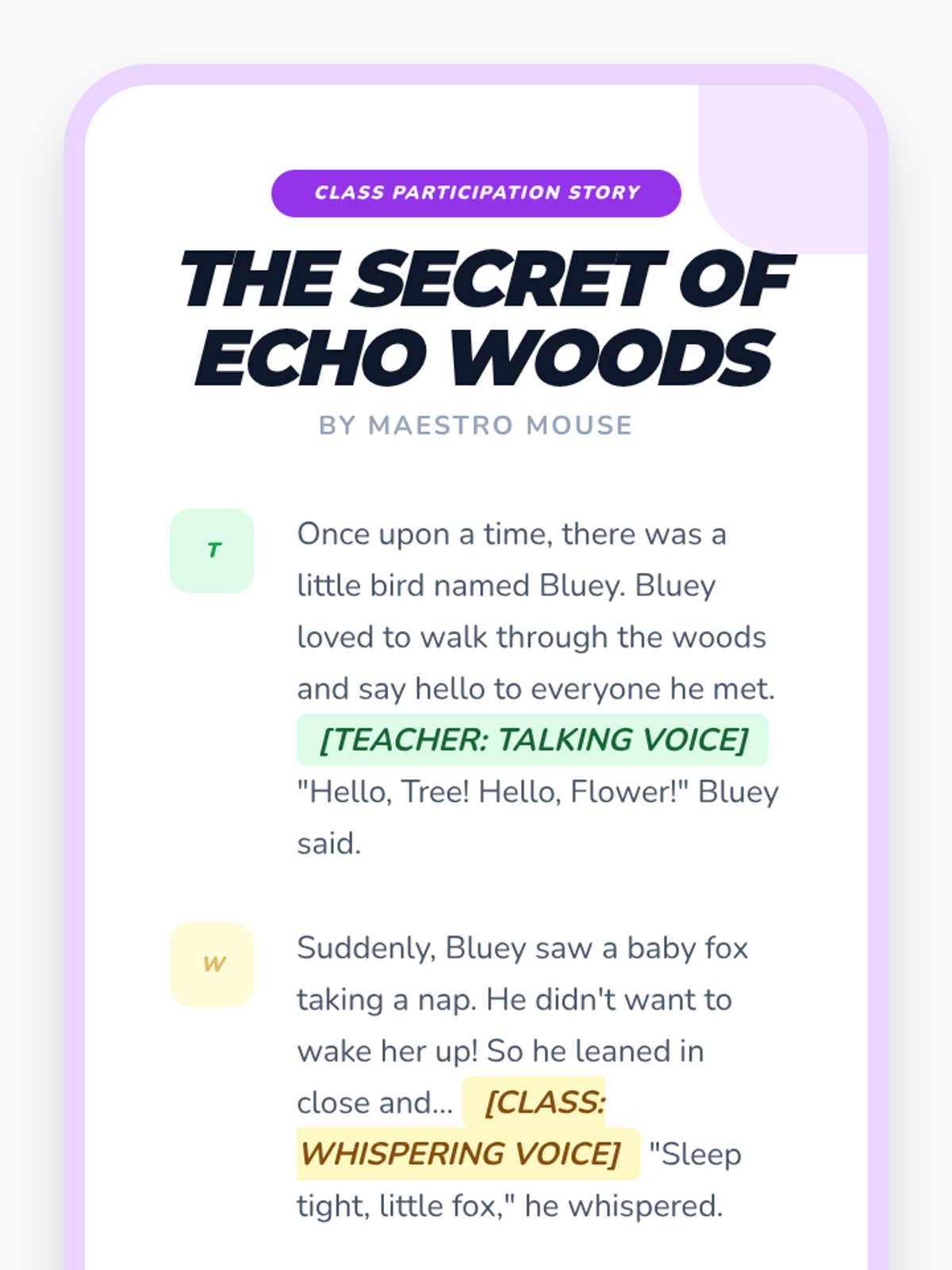
An interactive story for Kindergarten music class where students participate by using different voice types (speaking, singing, whispering, calling) as the narrative progresses.
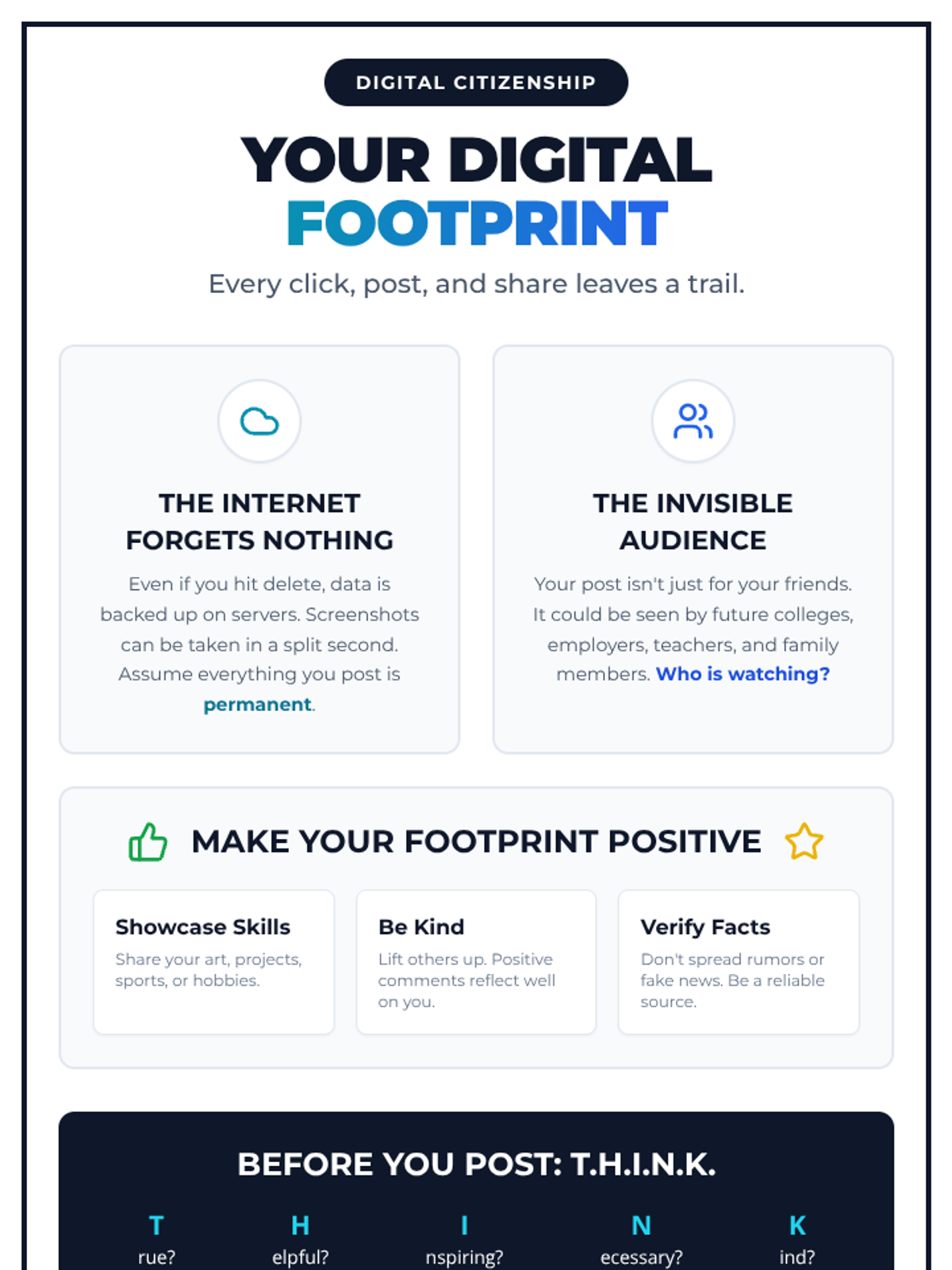
Visual infographic poster summarizing key digital footprint concepts like permanence, audience, and the T.H.I.N.K. acronym.
Fun and visual slide deck for Kindergarten musical games, focusing on "Rhythm Chasers" (Duck Duck Goose variation) and "Hot Potato".
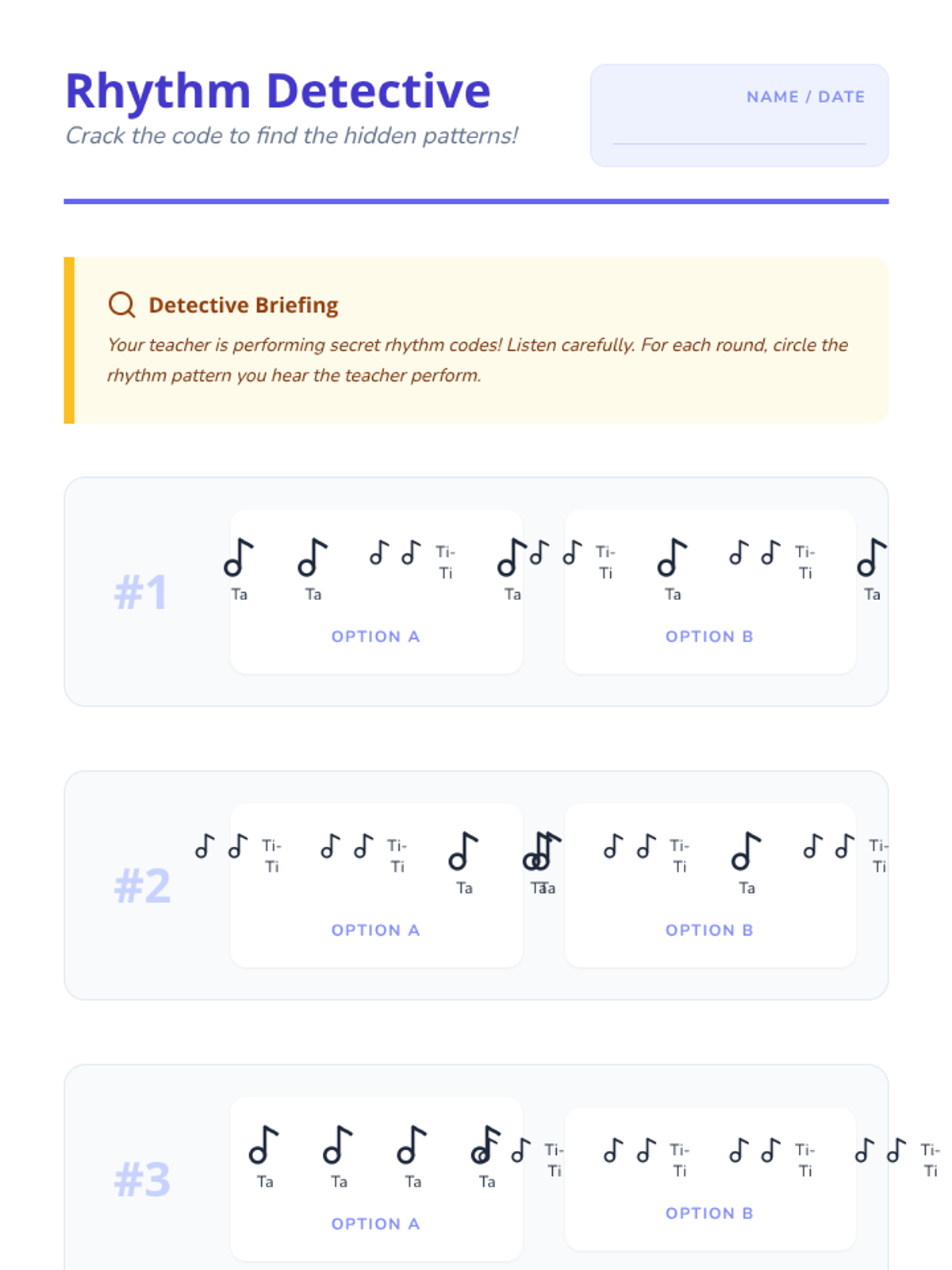
A rhythm identification game for 2nd graders where they listen to a pattern performed by the teacher and identify the correct rhythmic notation.
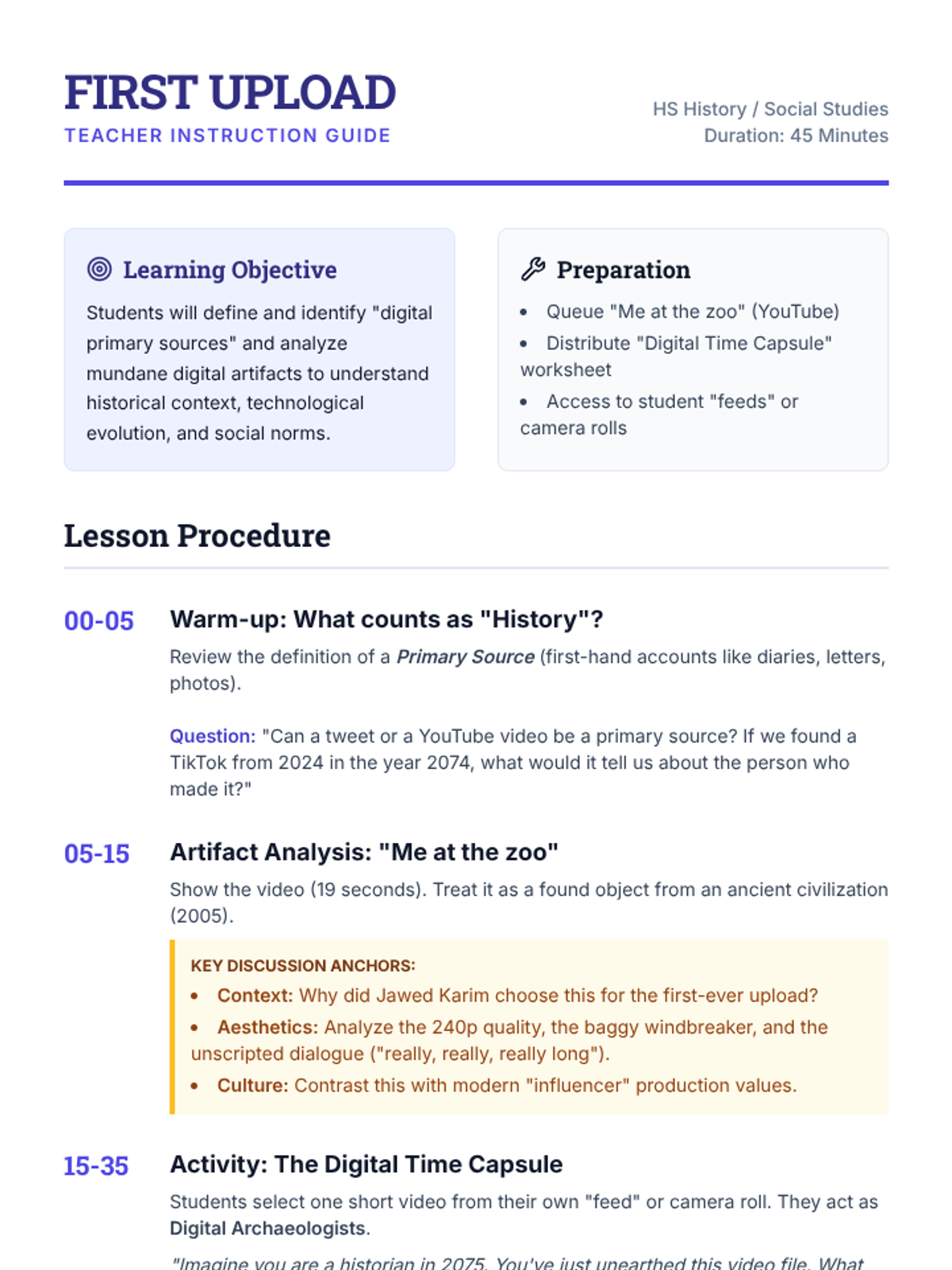
A teacher's lesson plan for high school social studies focused on digital primary sources, featuring a detailed timeline, discussion questions, and key concepts based on the first YouTube video.
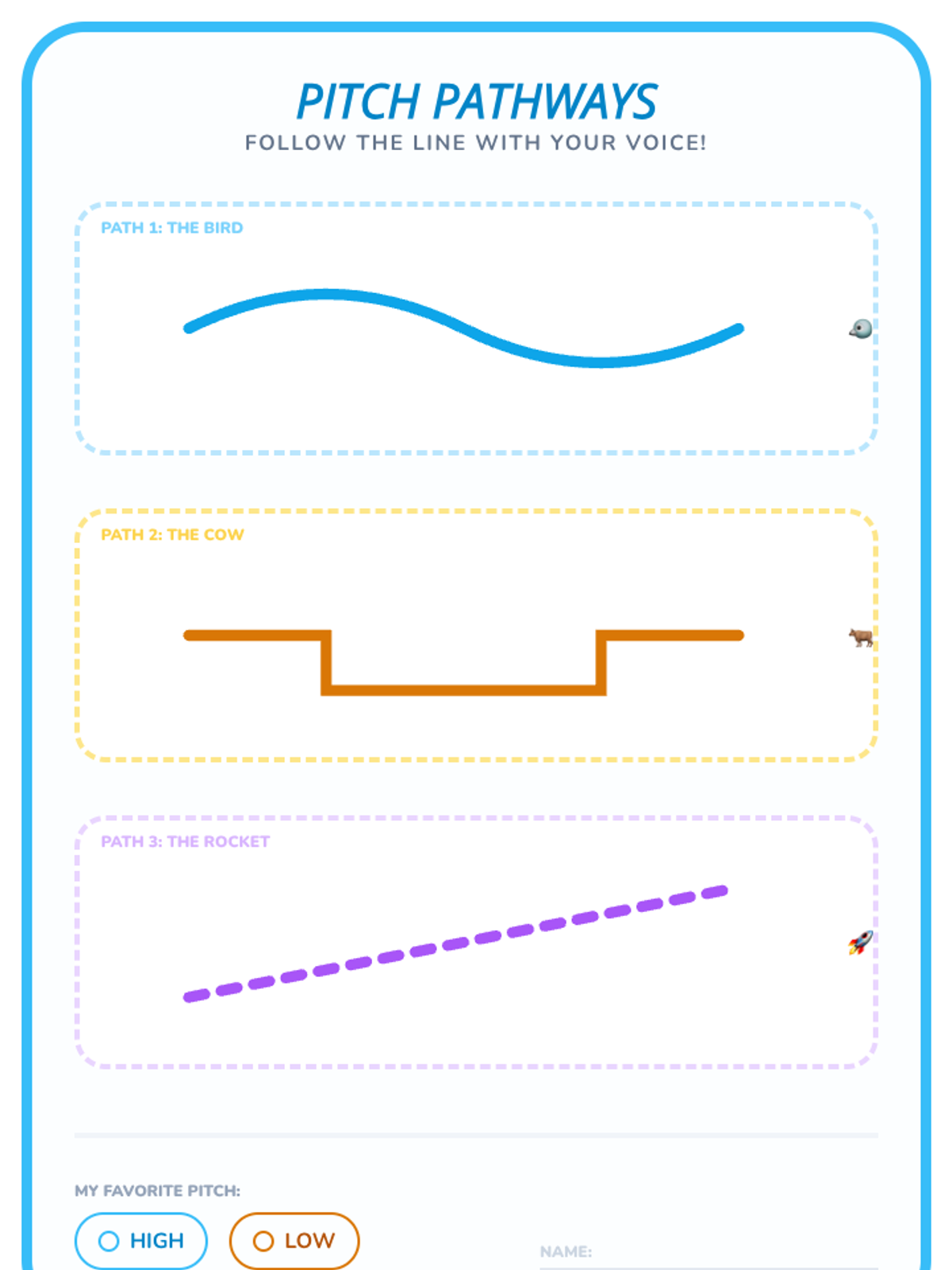
A vocal exploration worksheet where students follow graphic notation paths with their voices to practice high and low pitch.
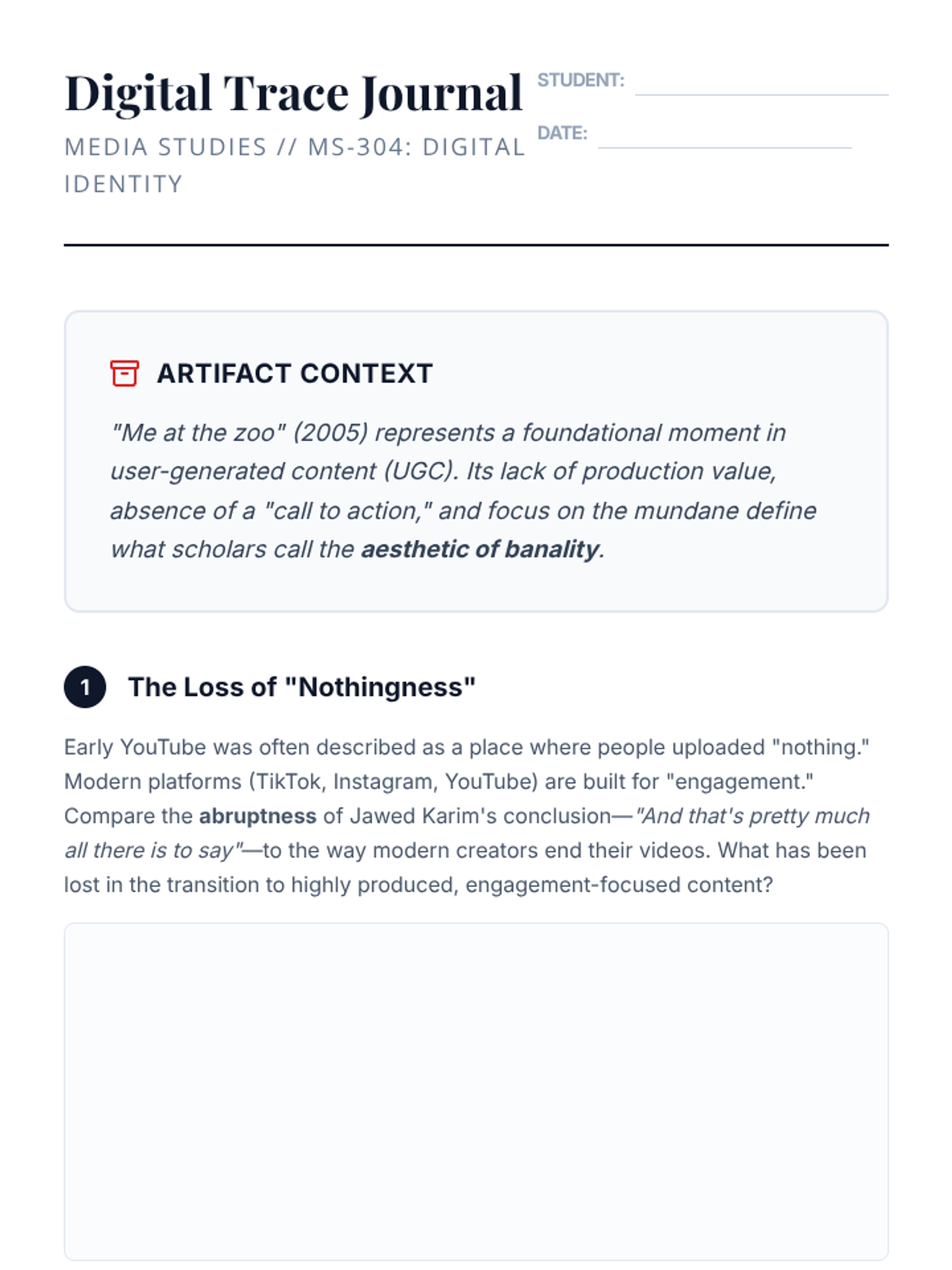
A critical reflection journal for undergraduate students to deconstruct their perception of authenticity, comparing early Web 2.0 aesthetics to the modern creator economy.
A presentation guiding students through the analysis of the first YouTube video, covering metadata, visual analysis, and the concept of User-Generated Content.
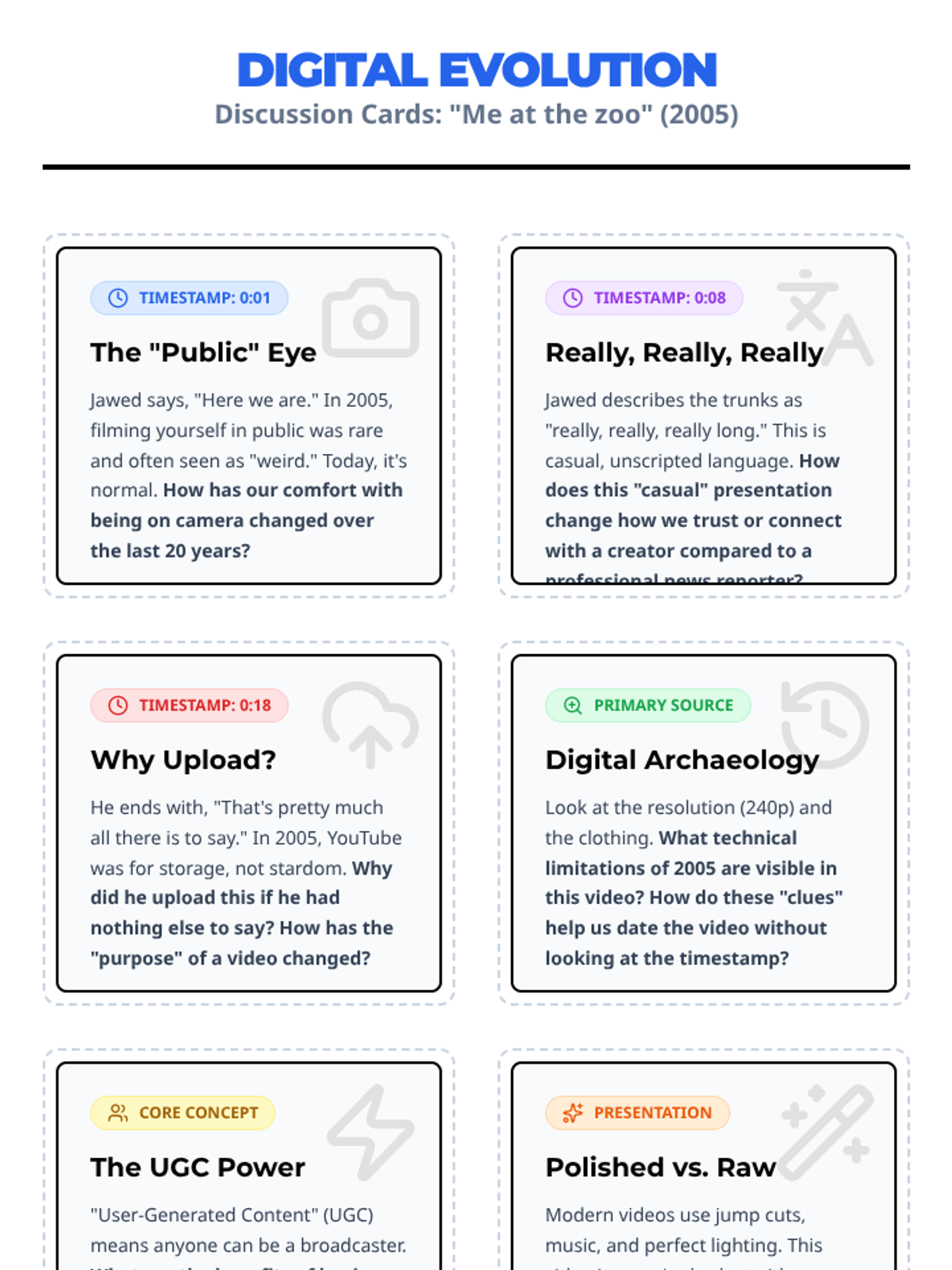
A set of 6 printable discussion cards for middle school students to analyze the "Me at the zoo" video. Each card features a specific timestamp or concept, focusing on social norms, technology evolution, and presentation styles.
A worksheet for students to plan their pattern bracelets, including selecting a pattern type (AB, AAB, ABB), sketching the design, and writing a short justification.
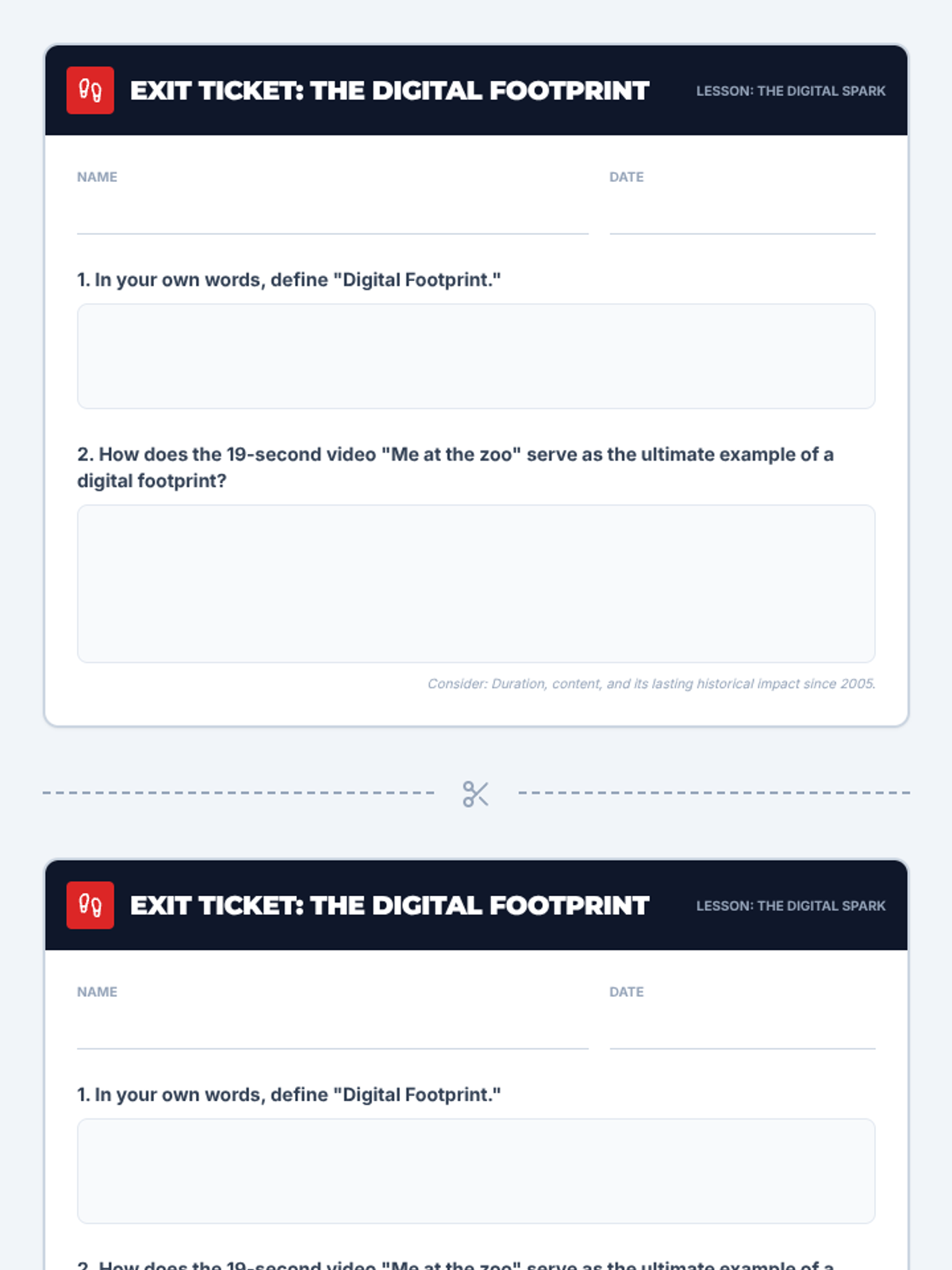
A printable exit ticket designed for students to synthesize their learning by defining "Digital Footprint" using the first YouTube video as a primary case study. Printed two-up to save paper.
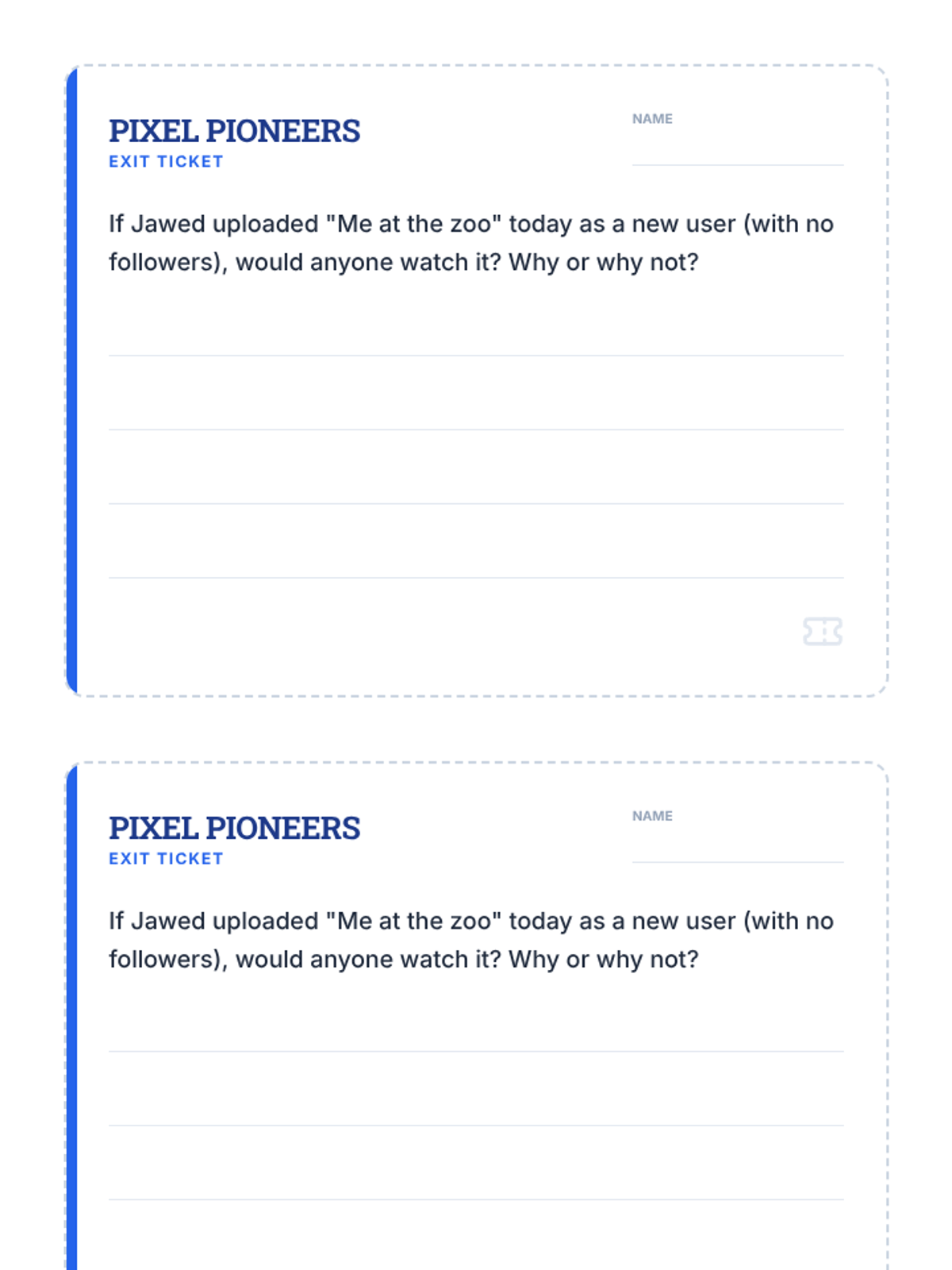
A set of three printable exit tickets per page for the 'Pixel Pioneers' lesson, asking students to reflect on the modern viability of the first YouTube video.
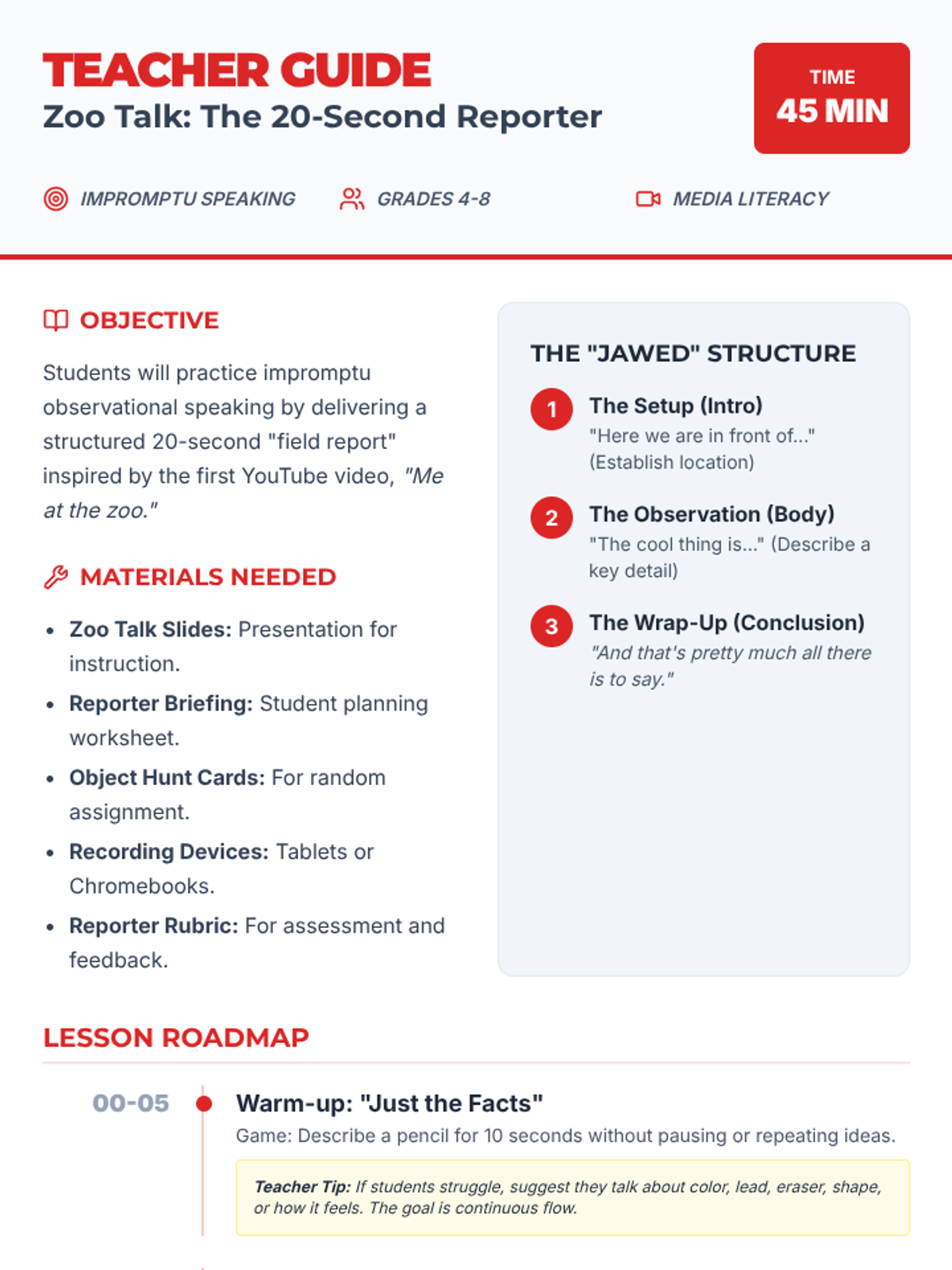
A comprehensive teacher's guide for the Zoo Talk lesson, detailing the objective, materials, time breakdown, and the 'Jawed' three-part speaking structure.
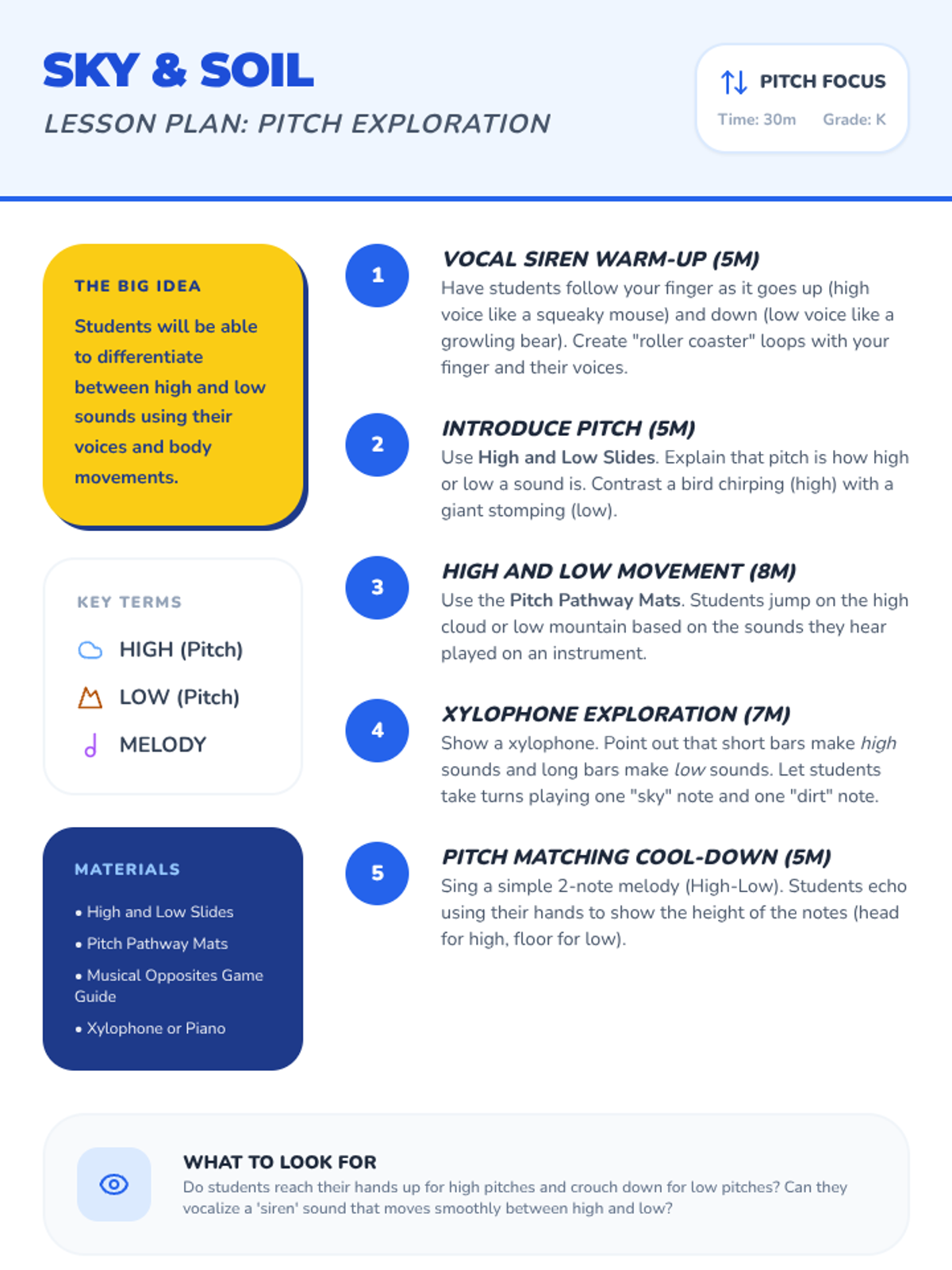
A Kindergarten music lesson plan focused on pitch, using movement and vocalization to explore high and low sounds.