Focusing on Newton's Second Law ($F=ma$), students experiment with mass and acceleration using heavy and light sports equipment to see how force changes performance.
No materials in this lesson yet.
A comprehensive exploration of the butterfly life cycle, featuring anatomy, metamorphosis comparisons, and dietary habits at each stage.
A comprehensive lesson on llama social behaviors, including herd dynamics, communication methods like humming and spitting, and their roles as protector animals. Students will explore how these camelids interact with each other and their environment.
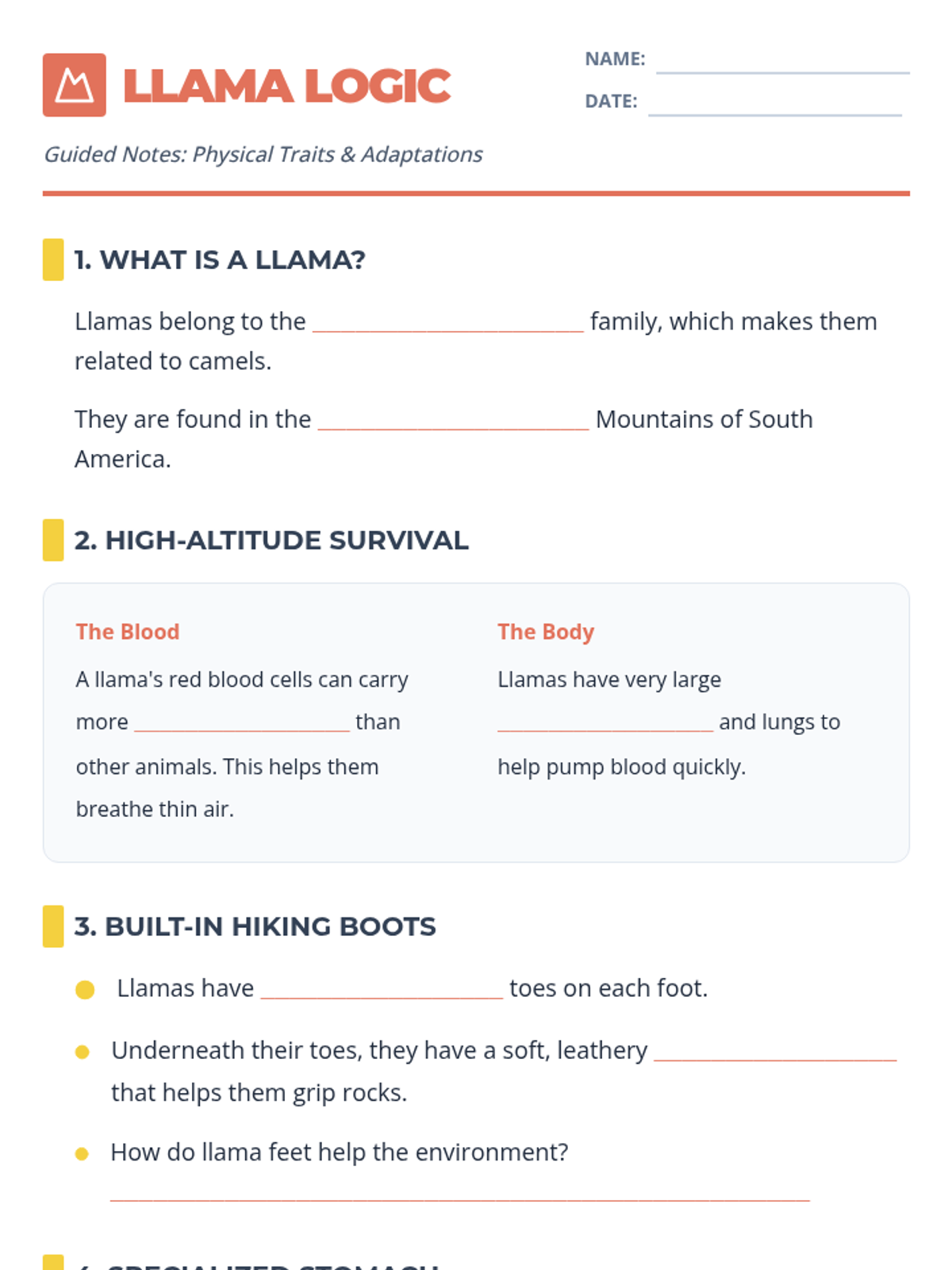
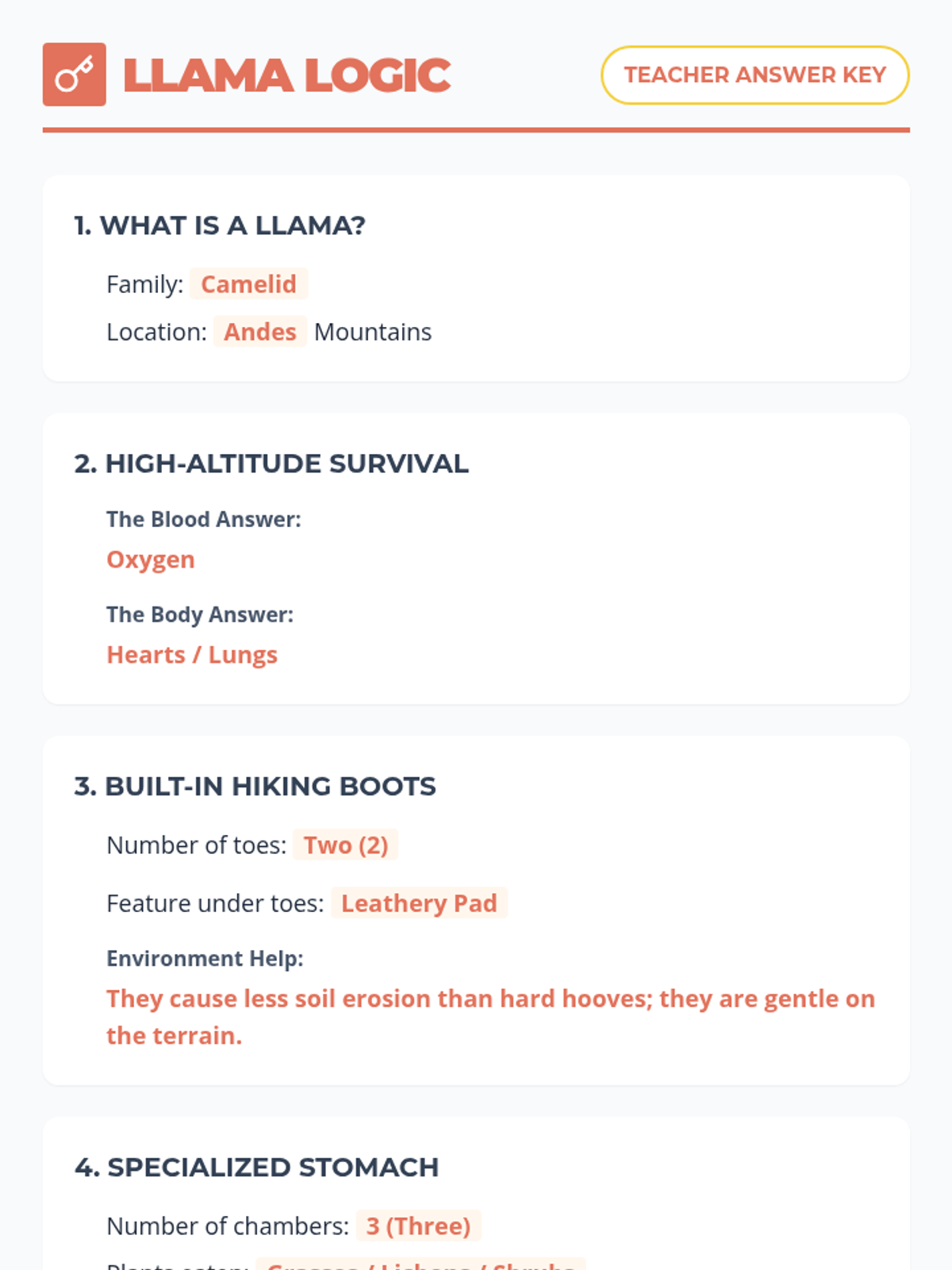
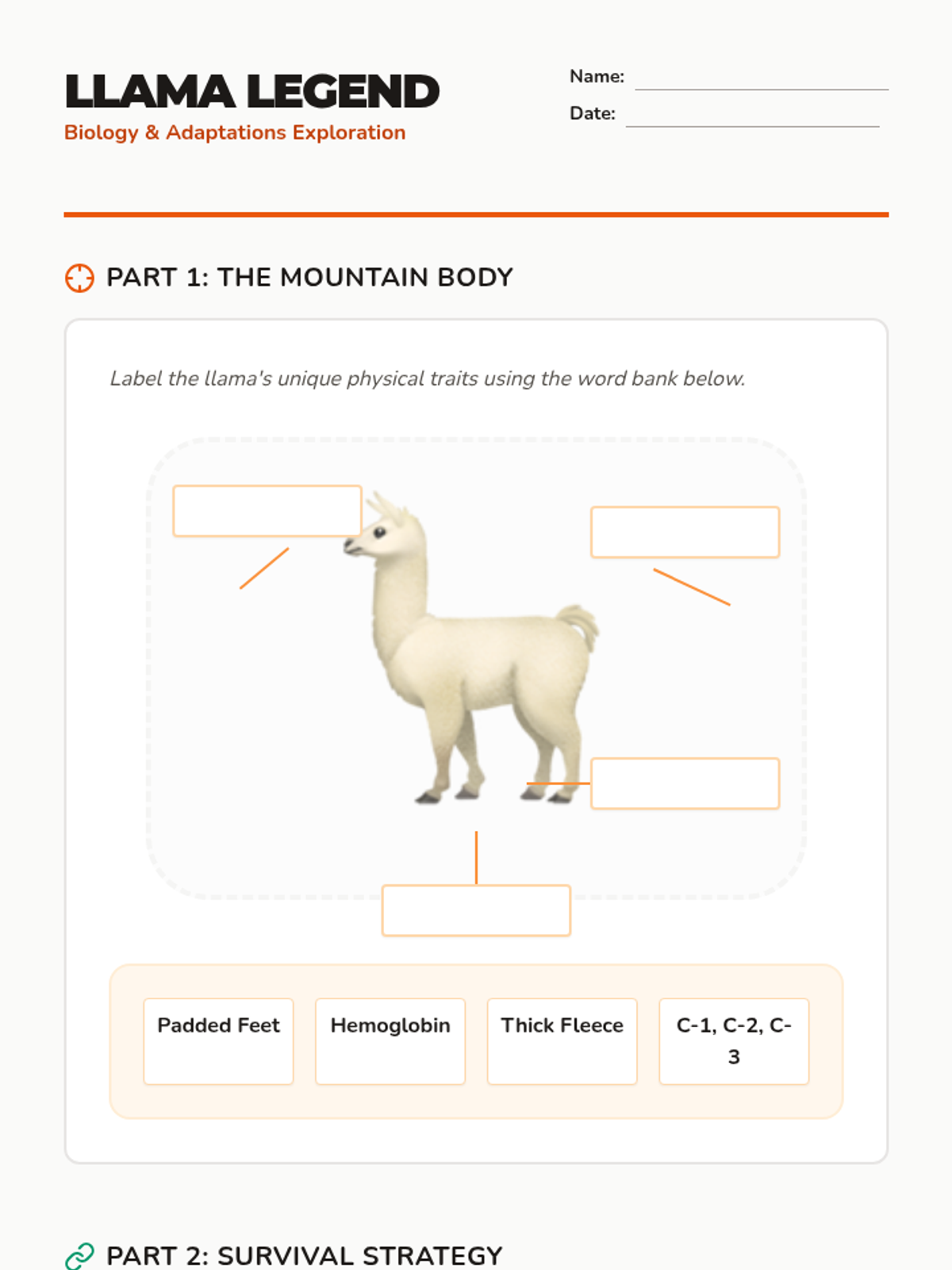
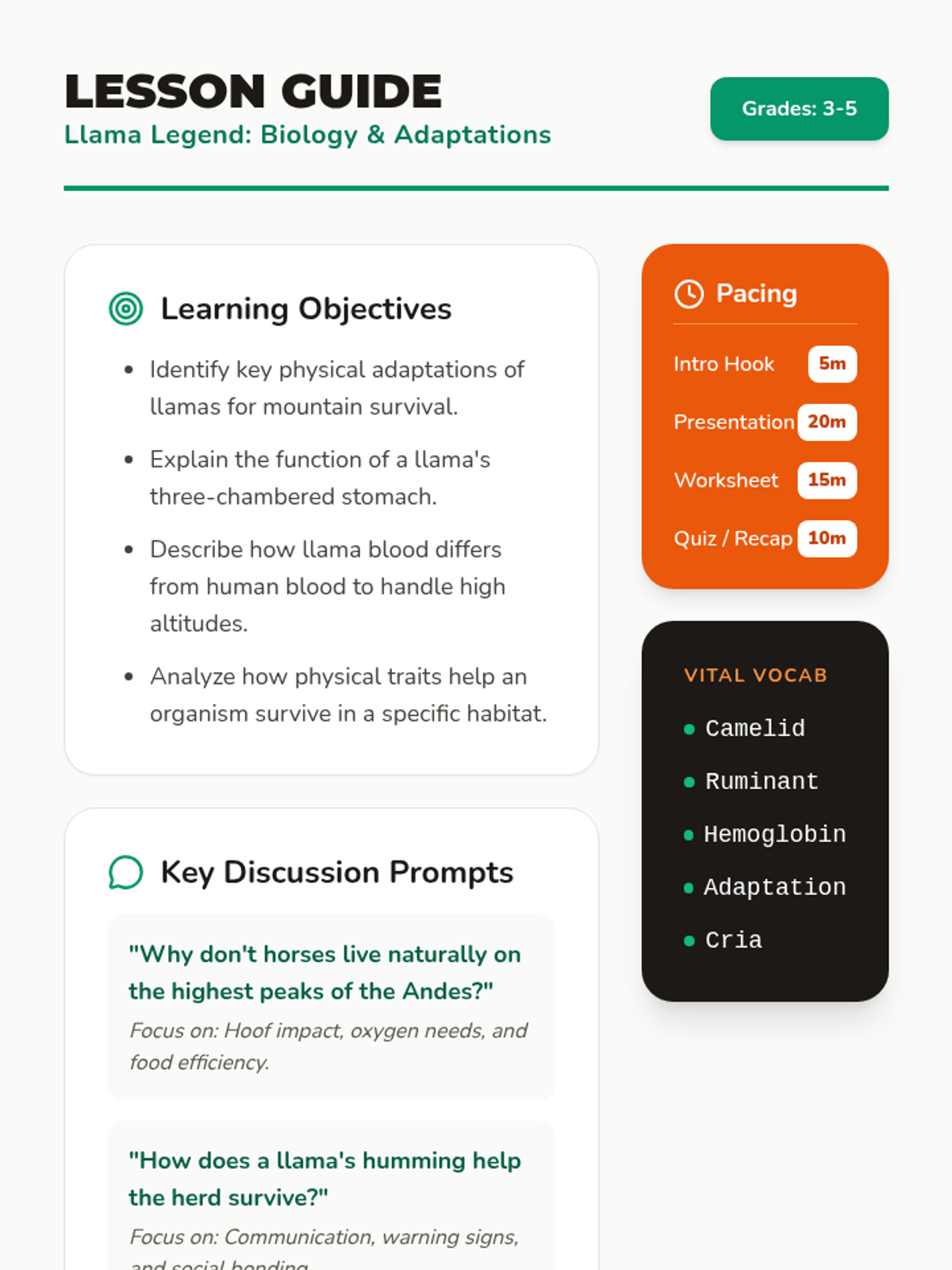
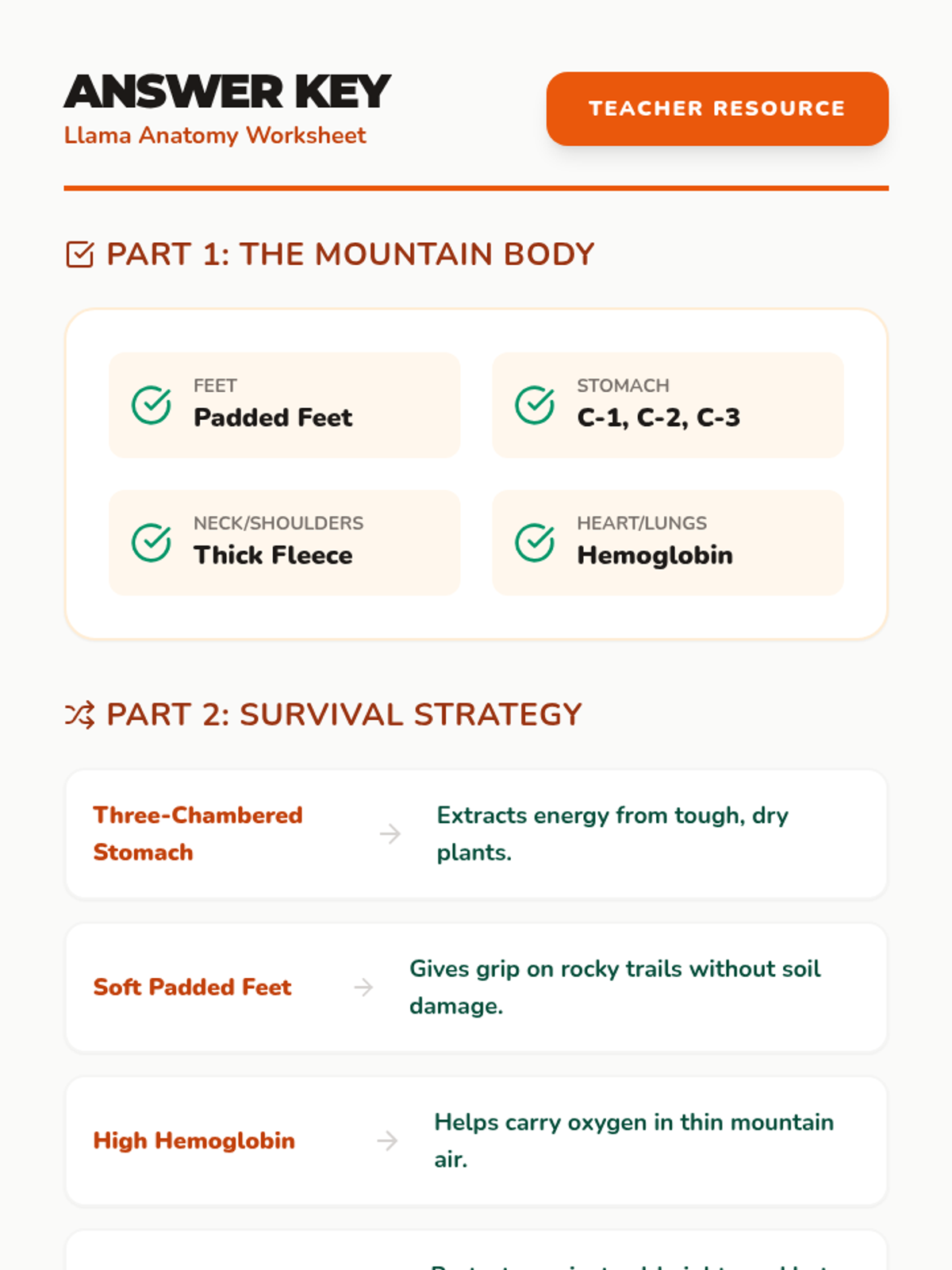
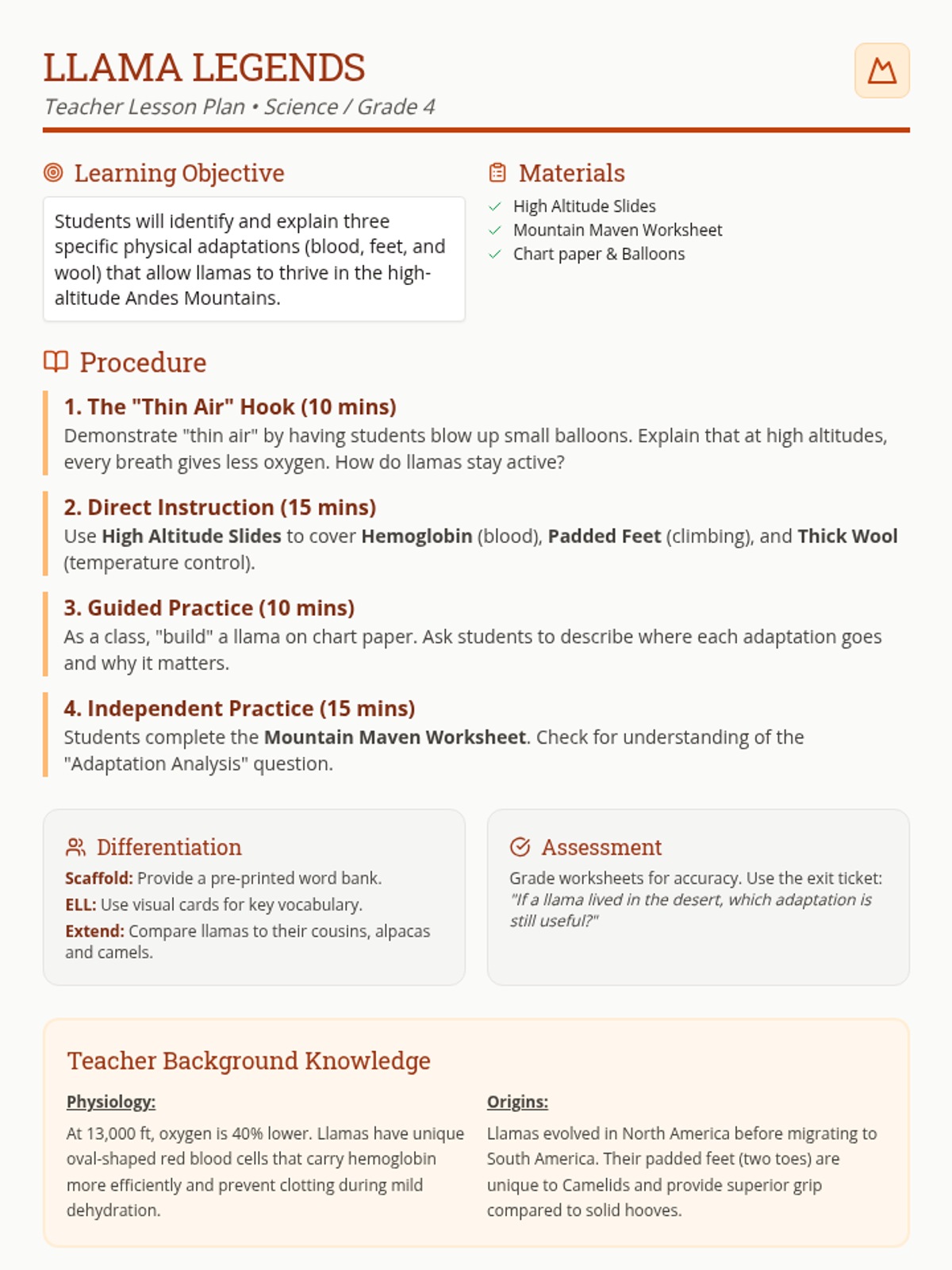
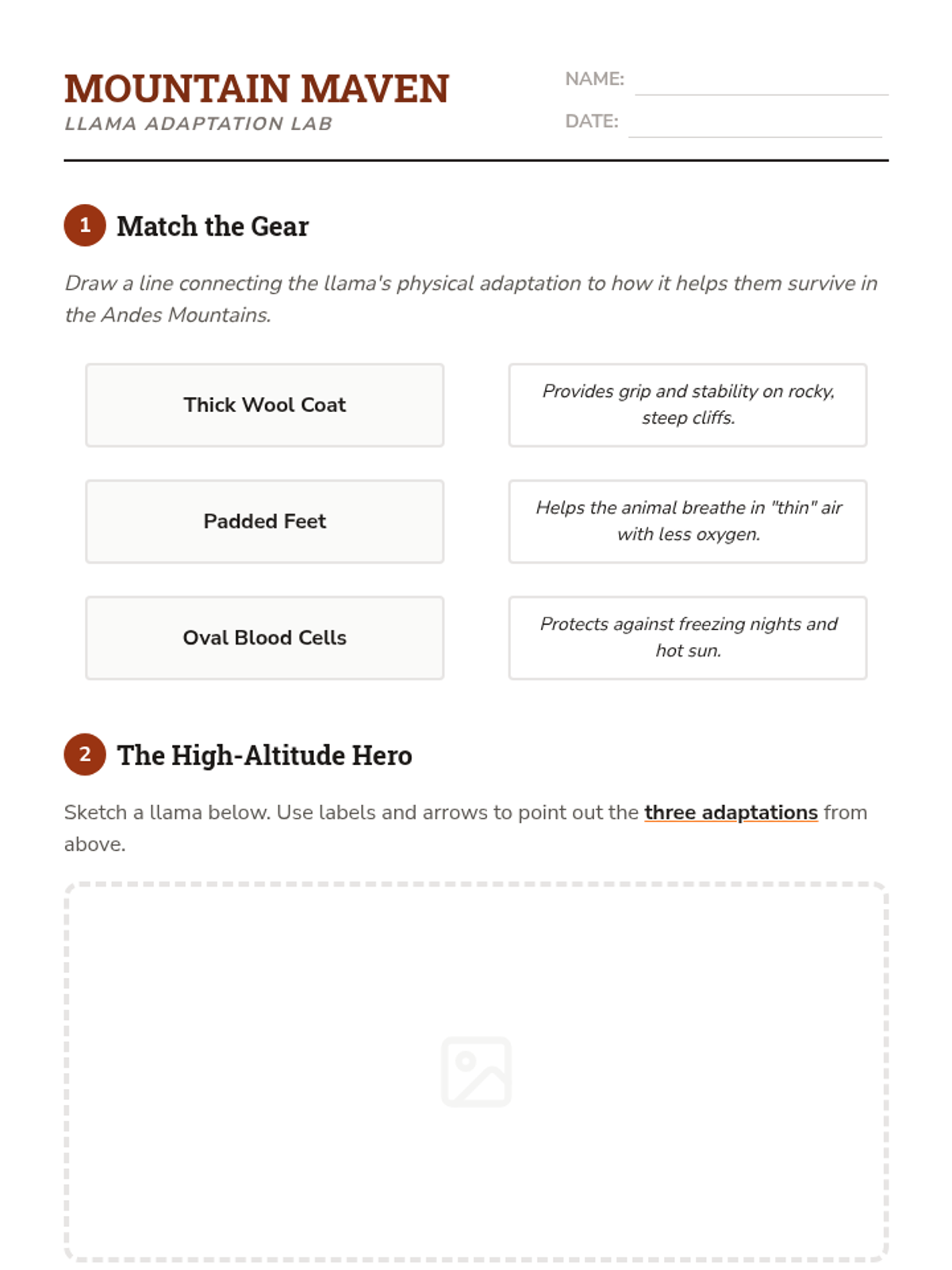
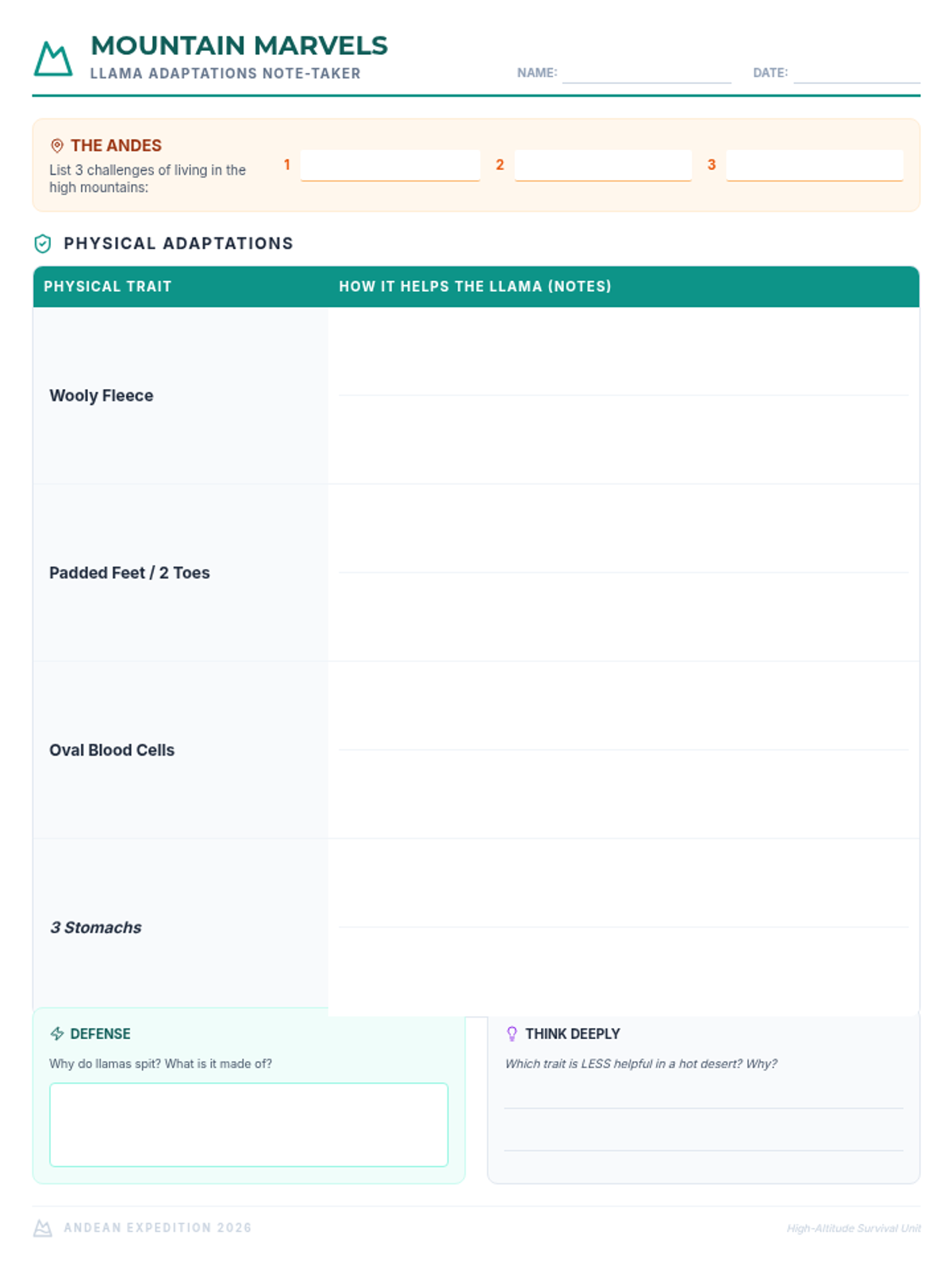
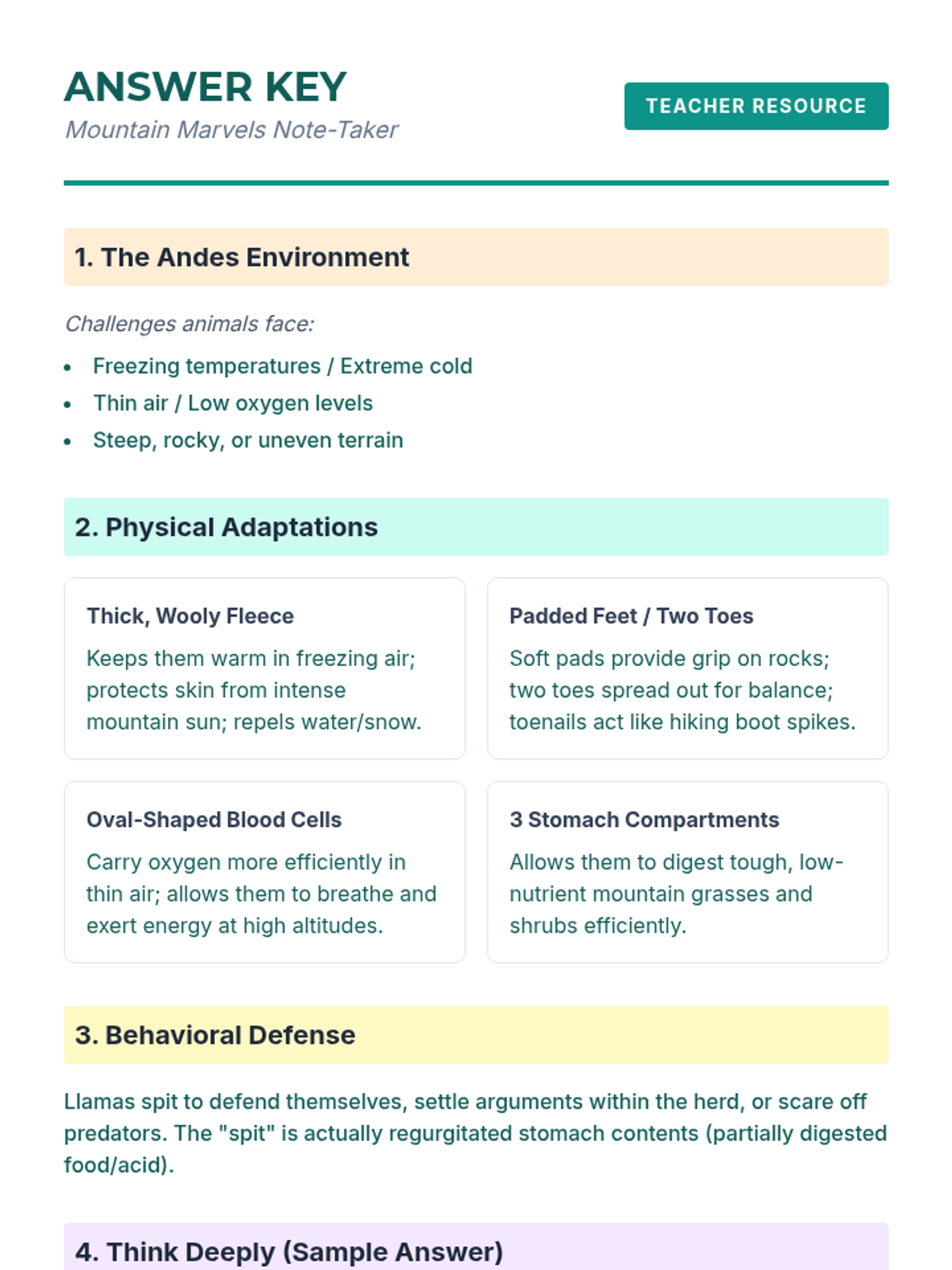
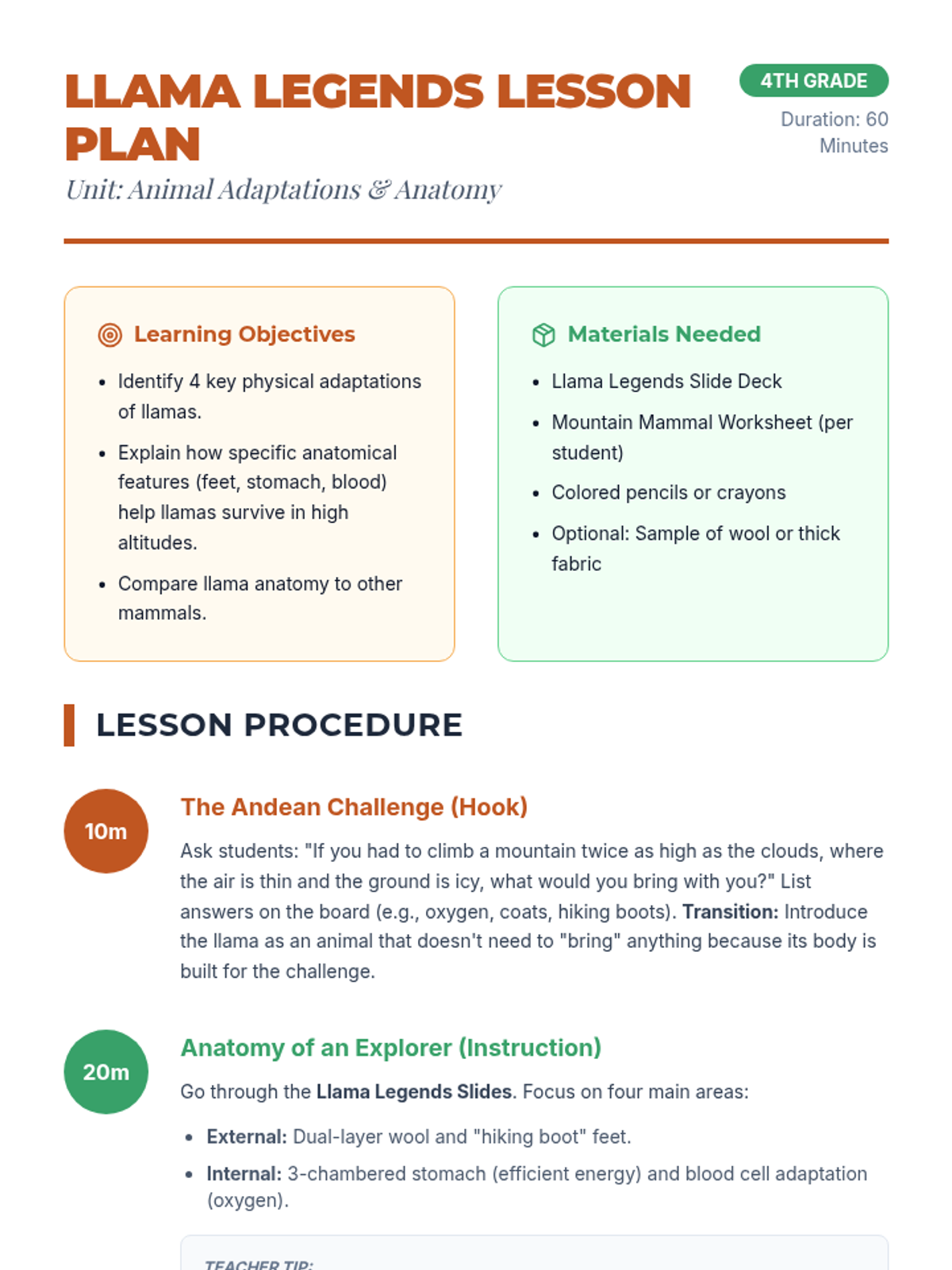
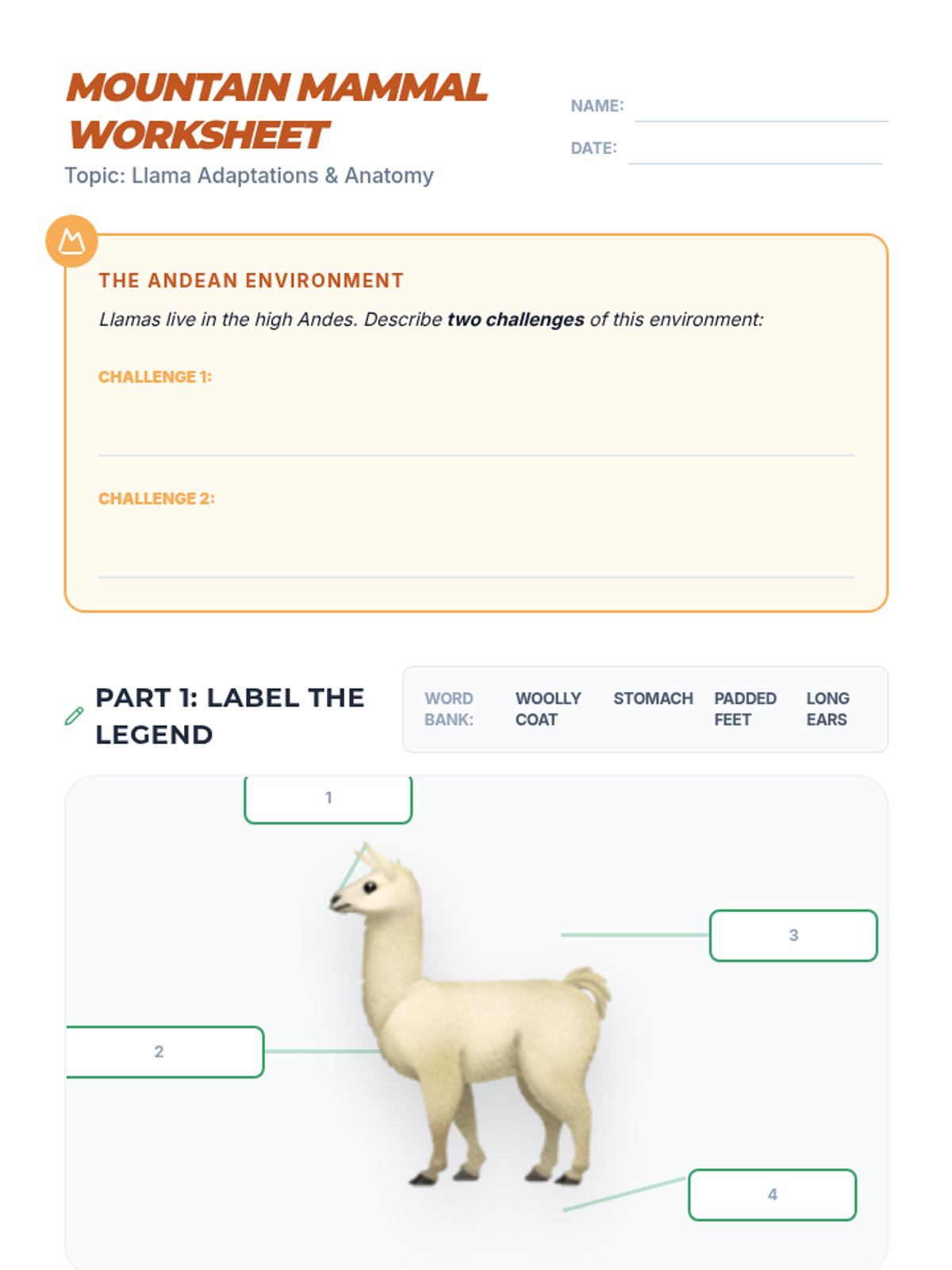
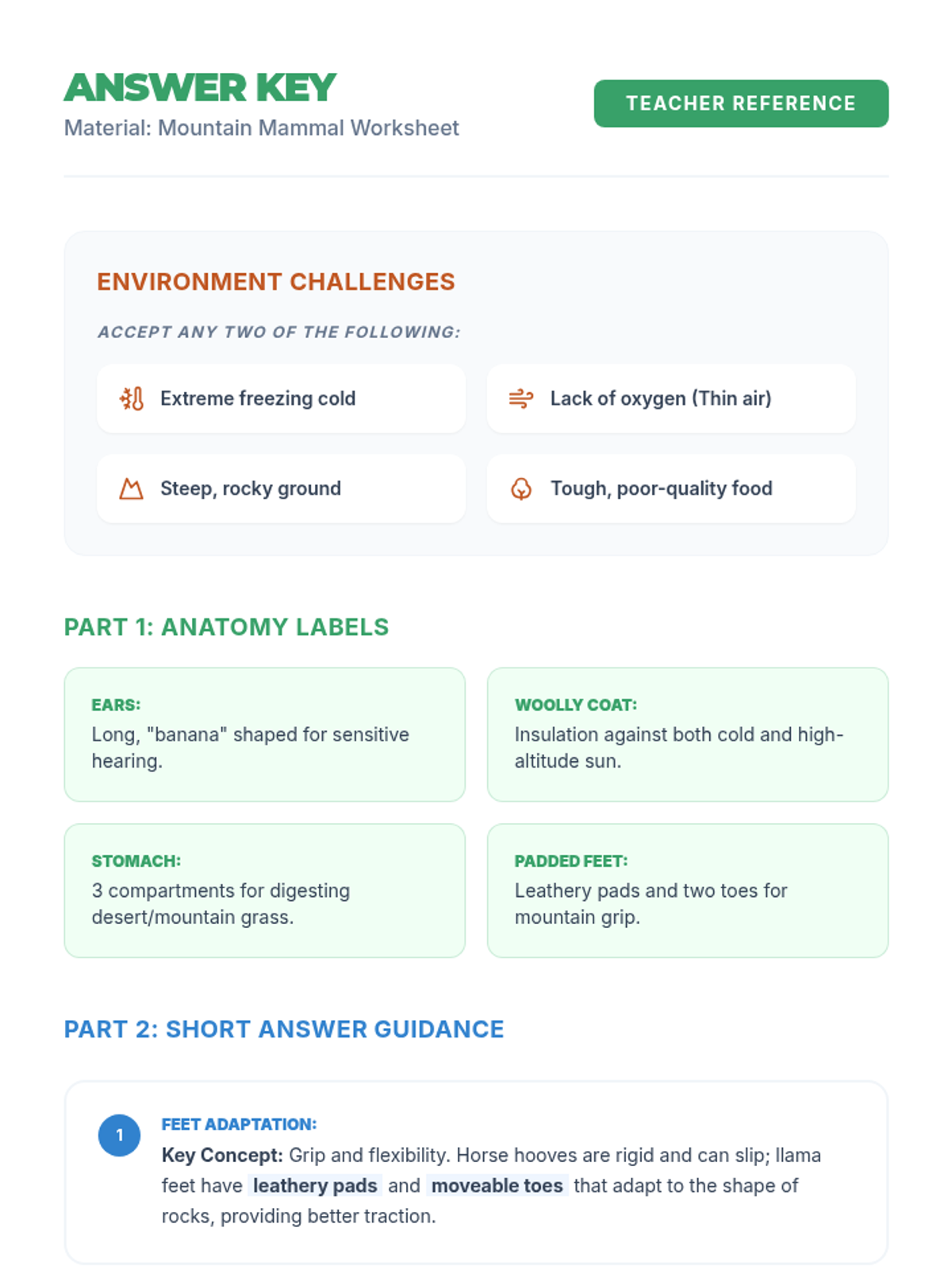
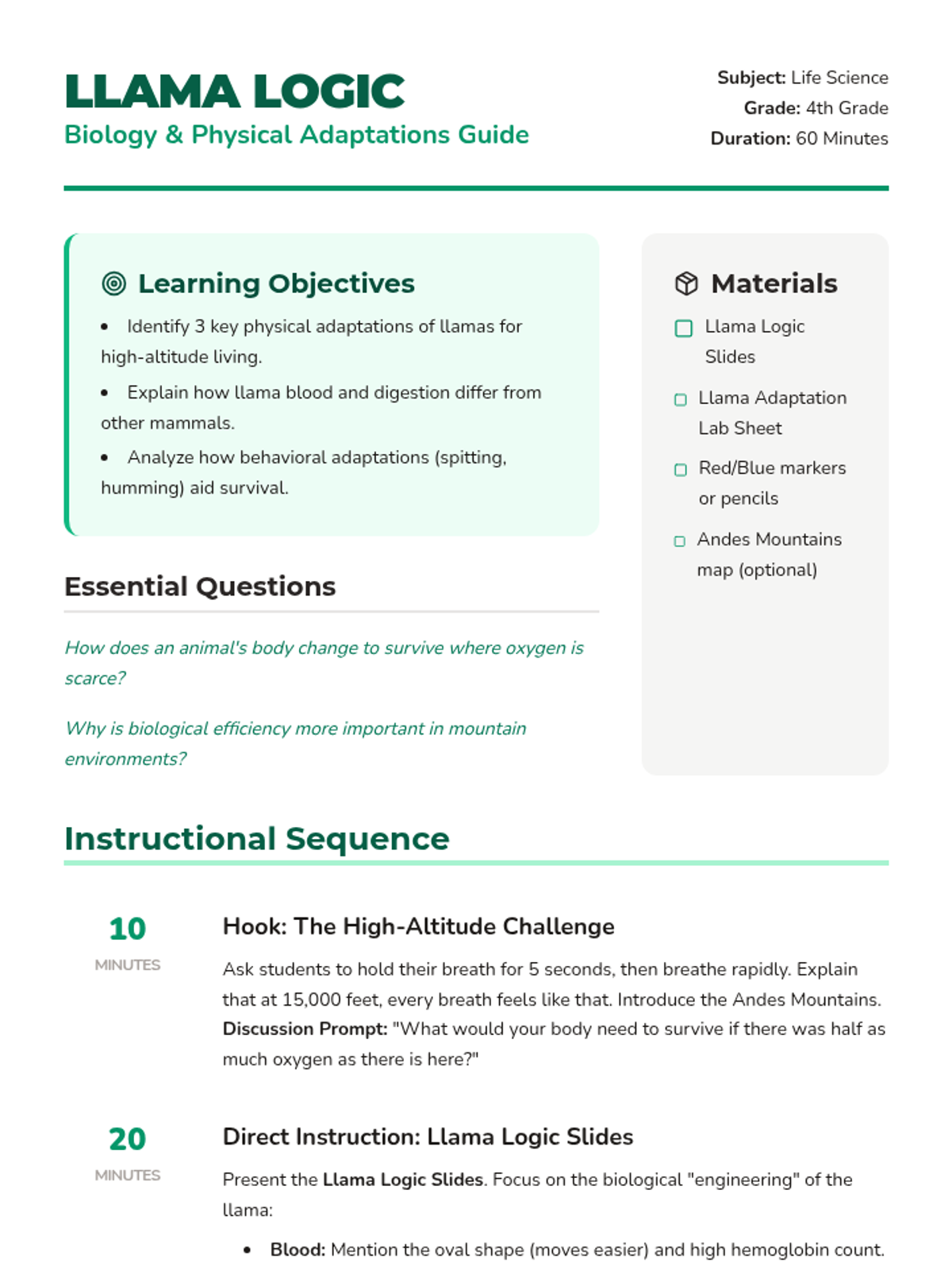
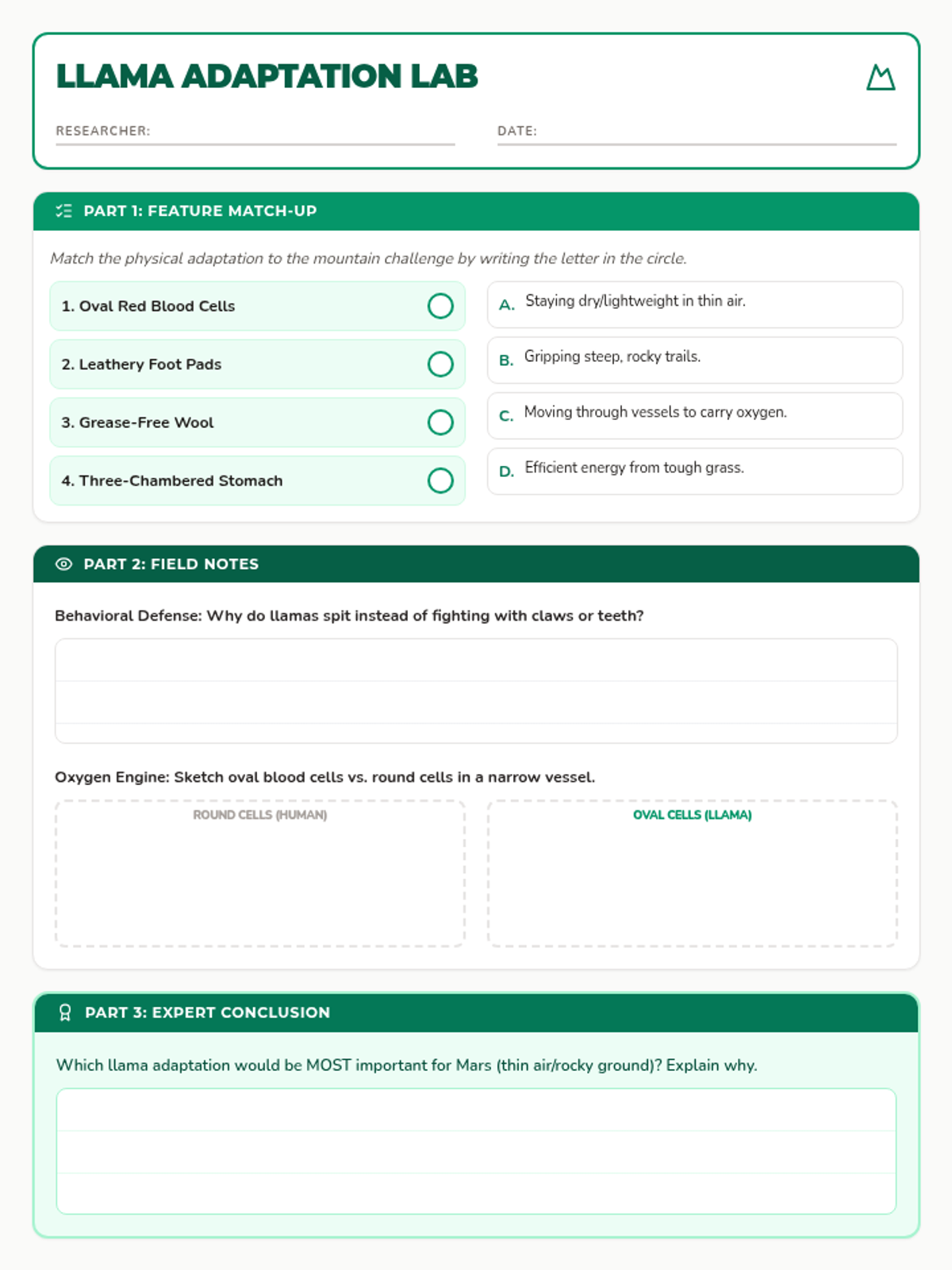
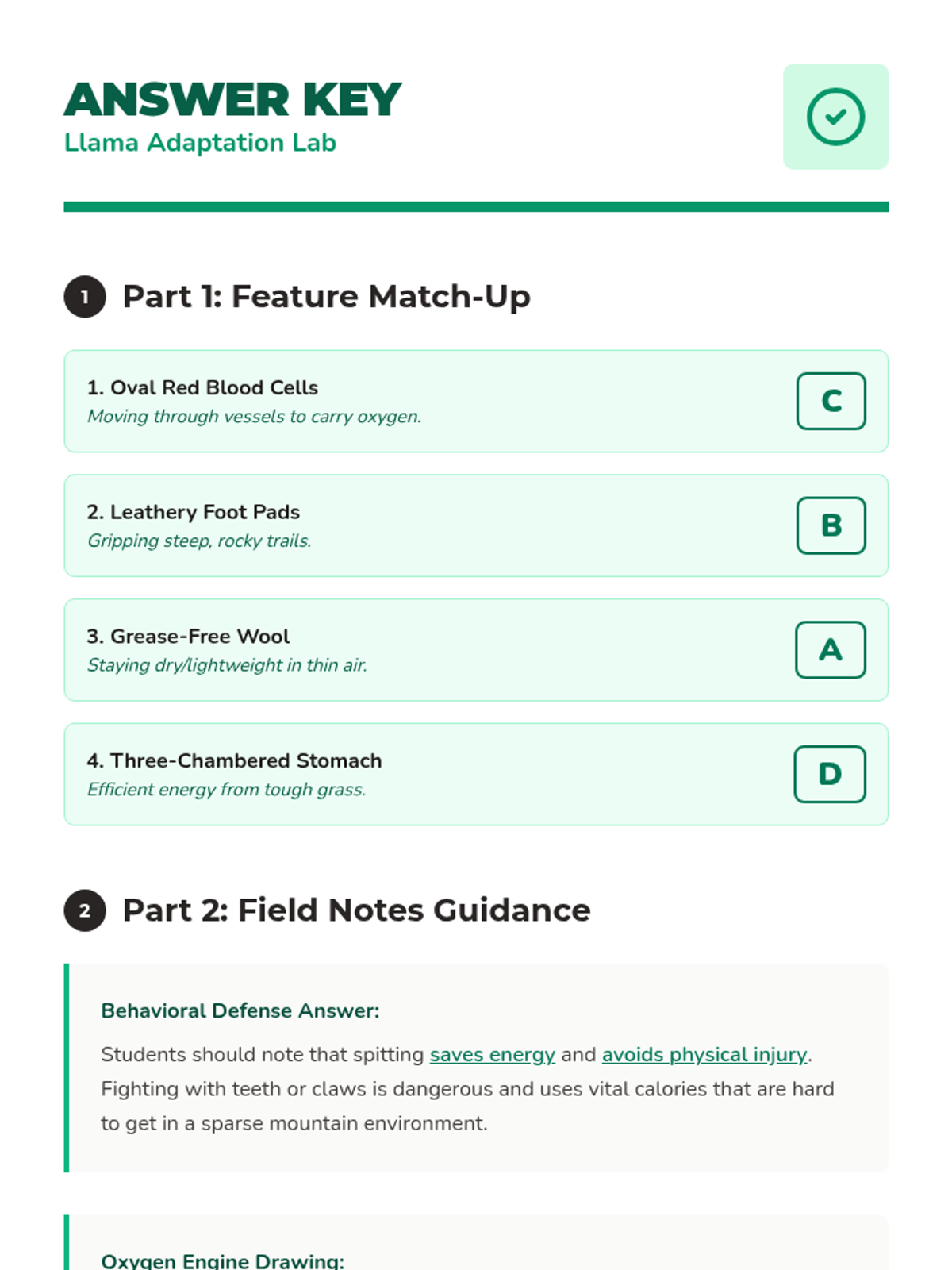
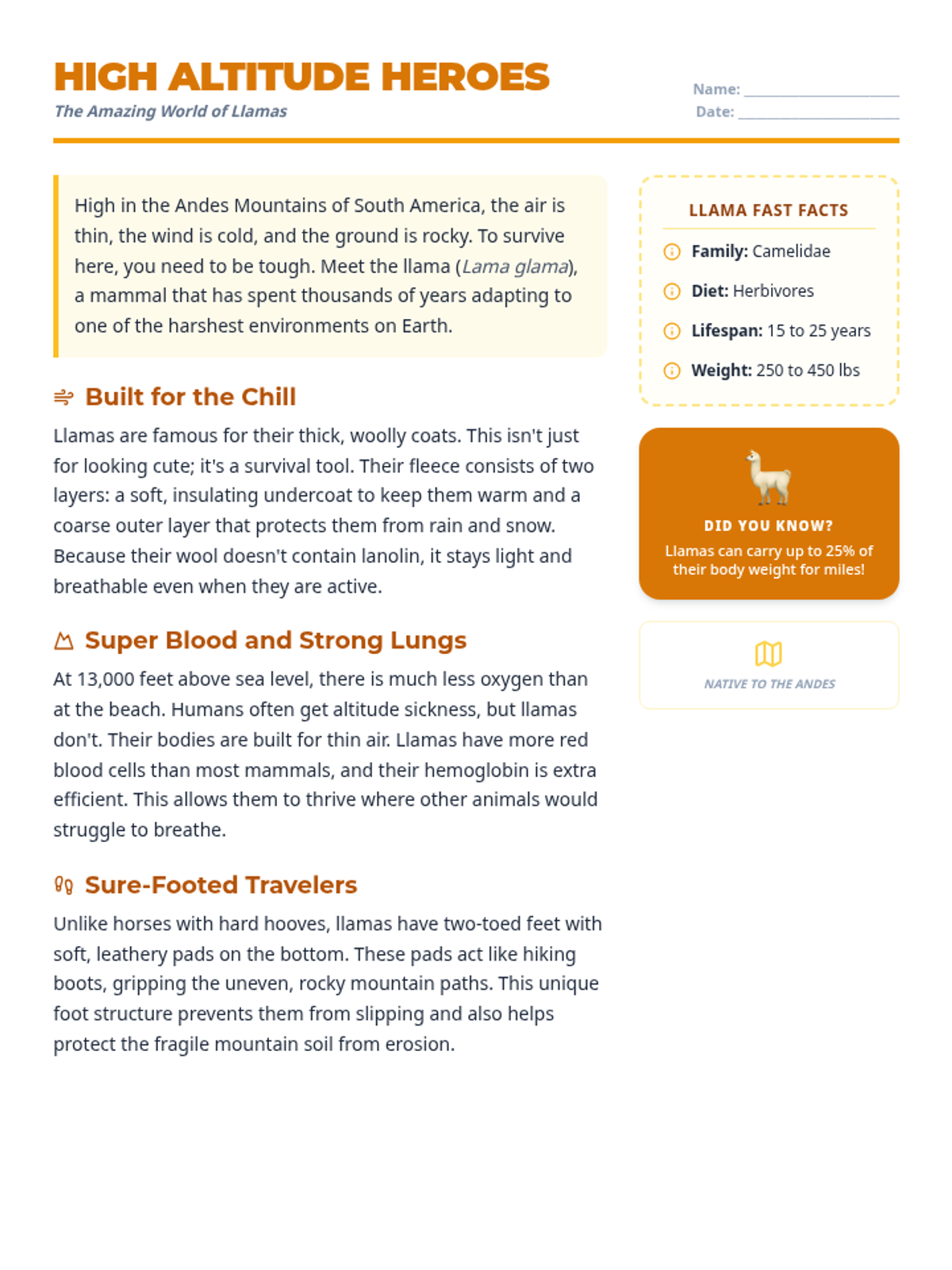
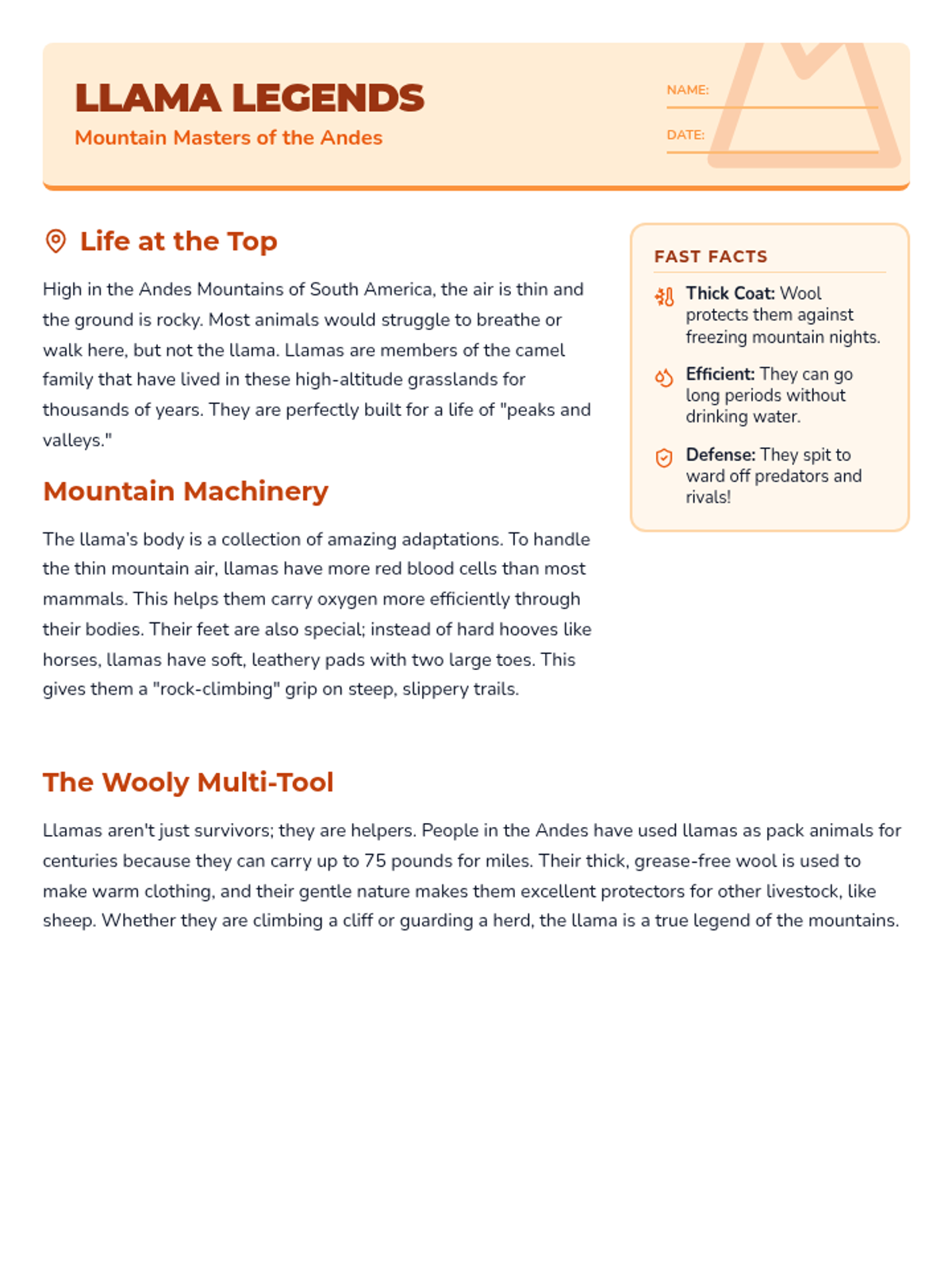
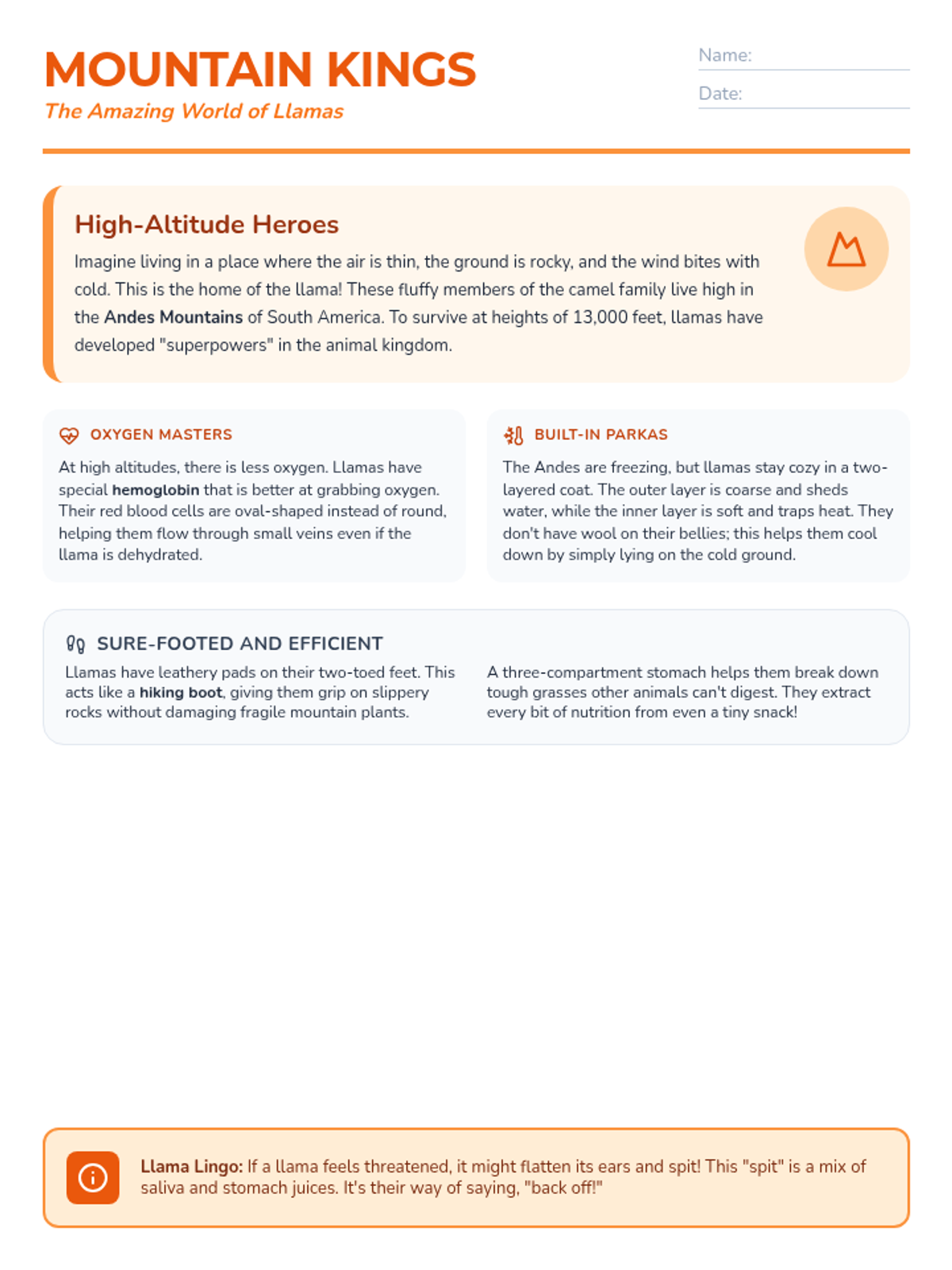
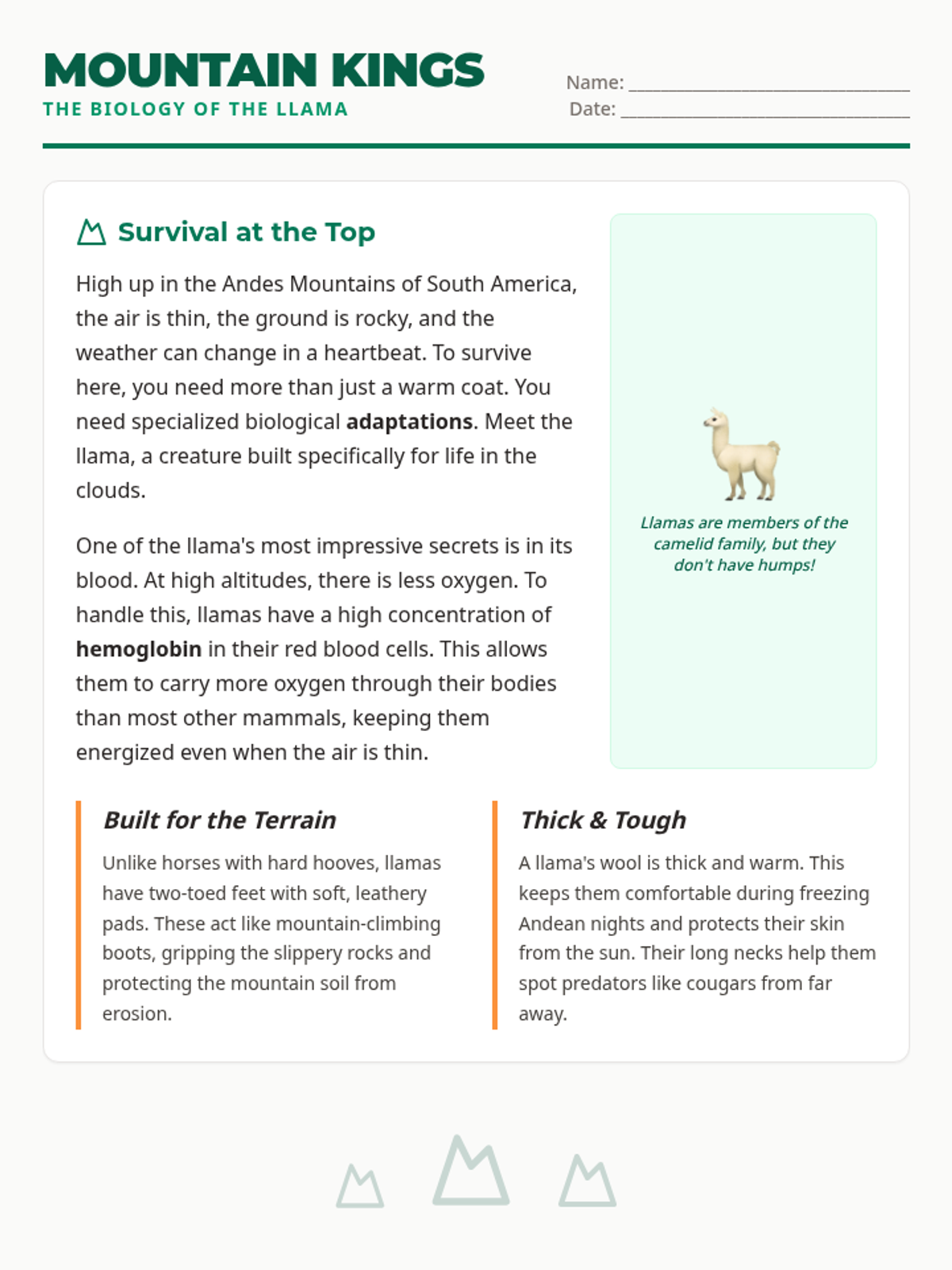
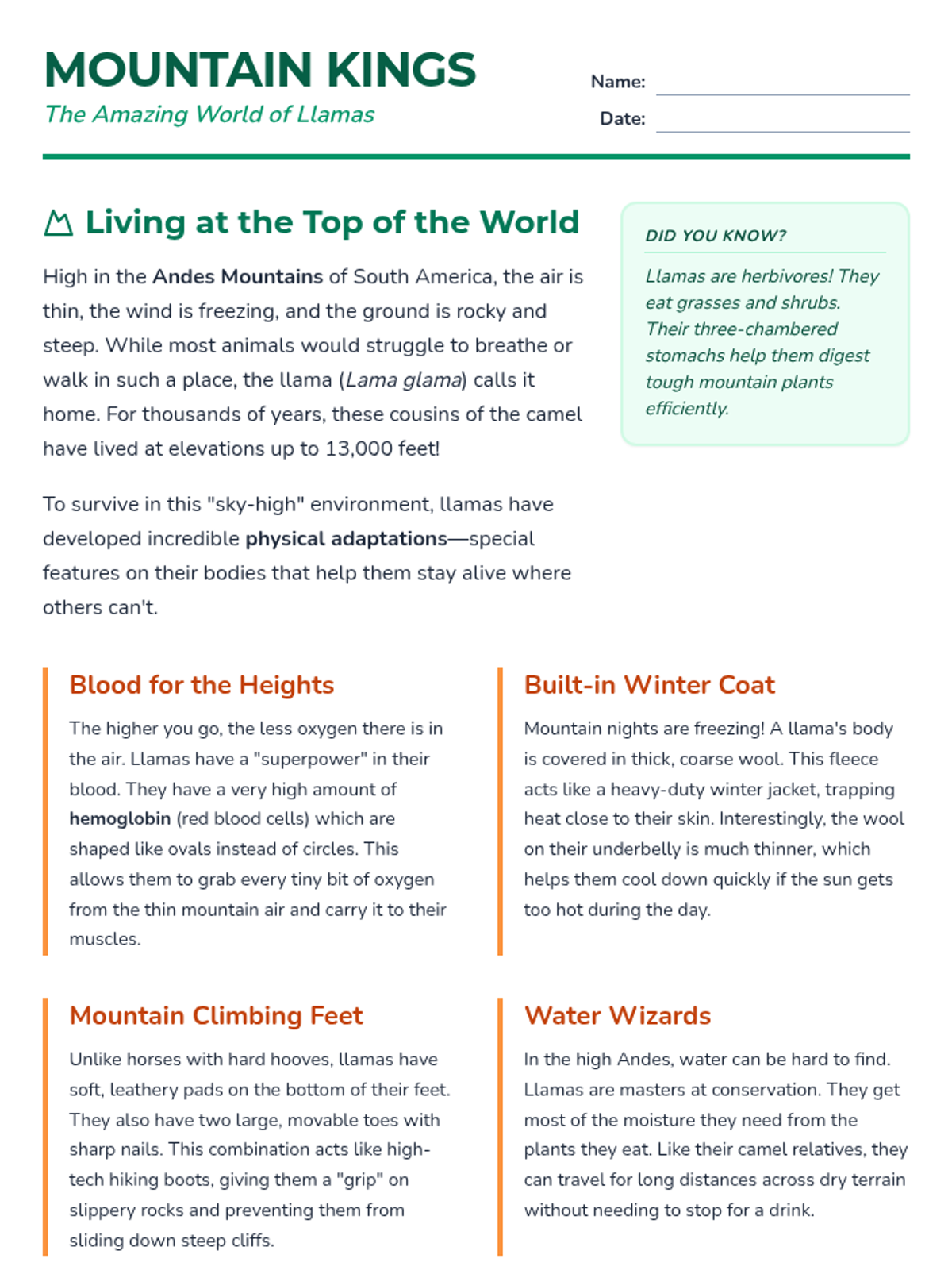
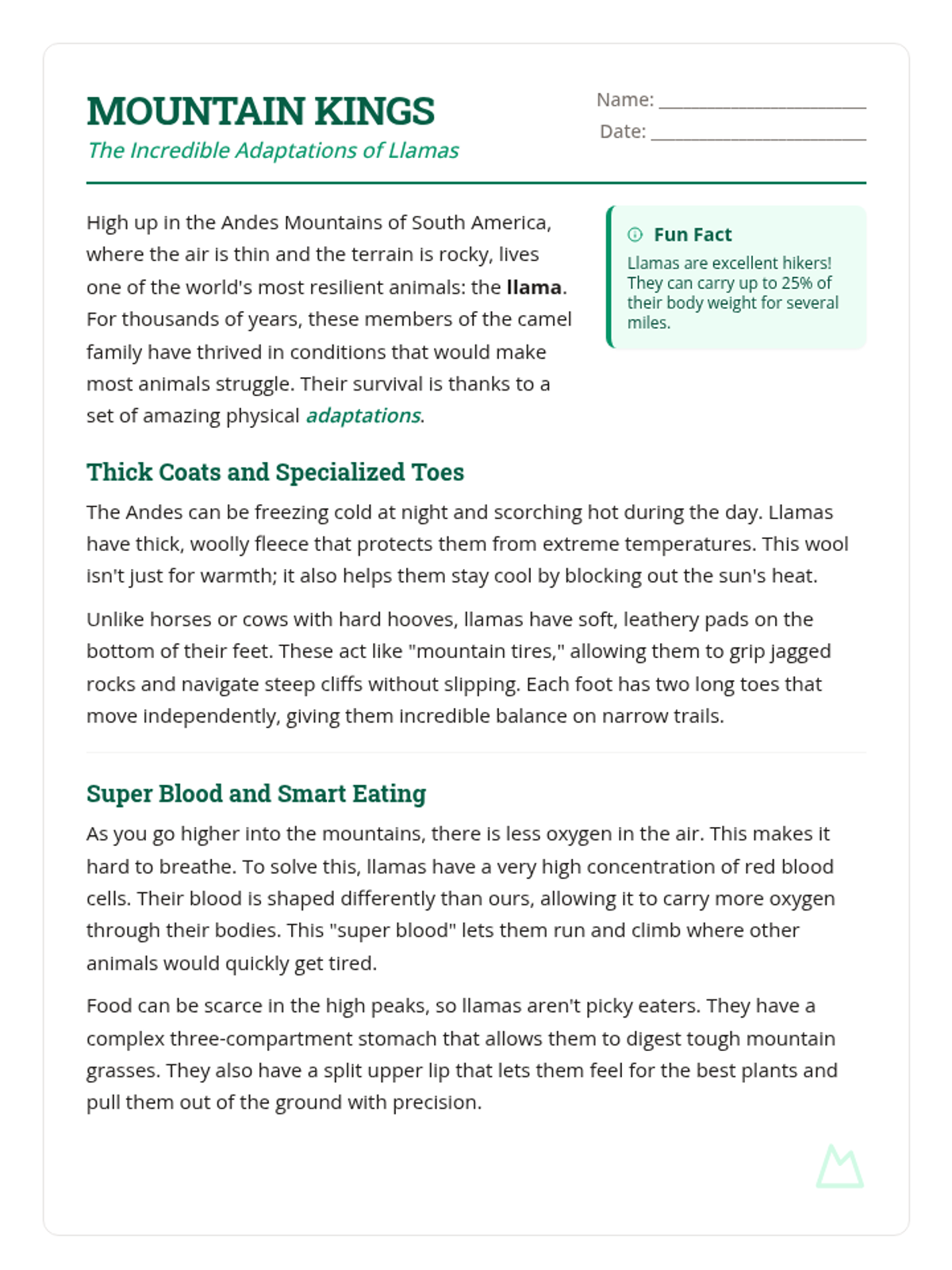
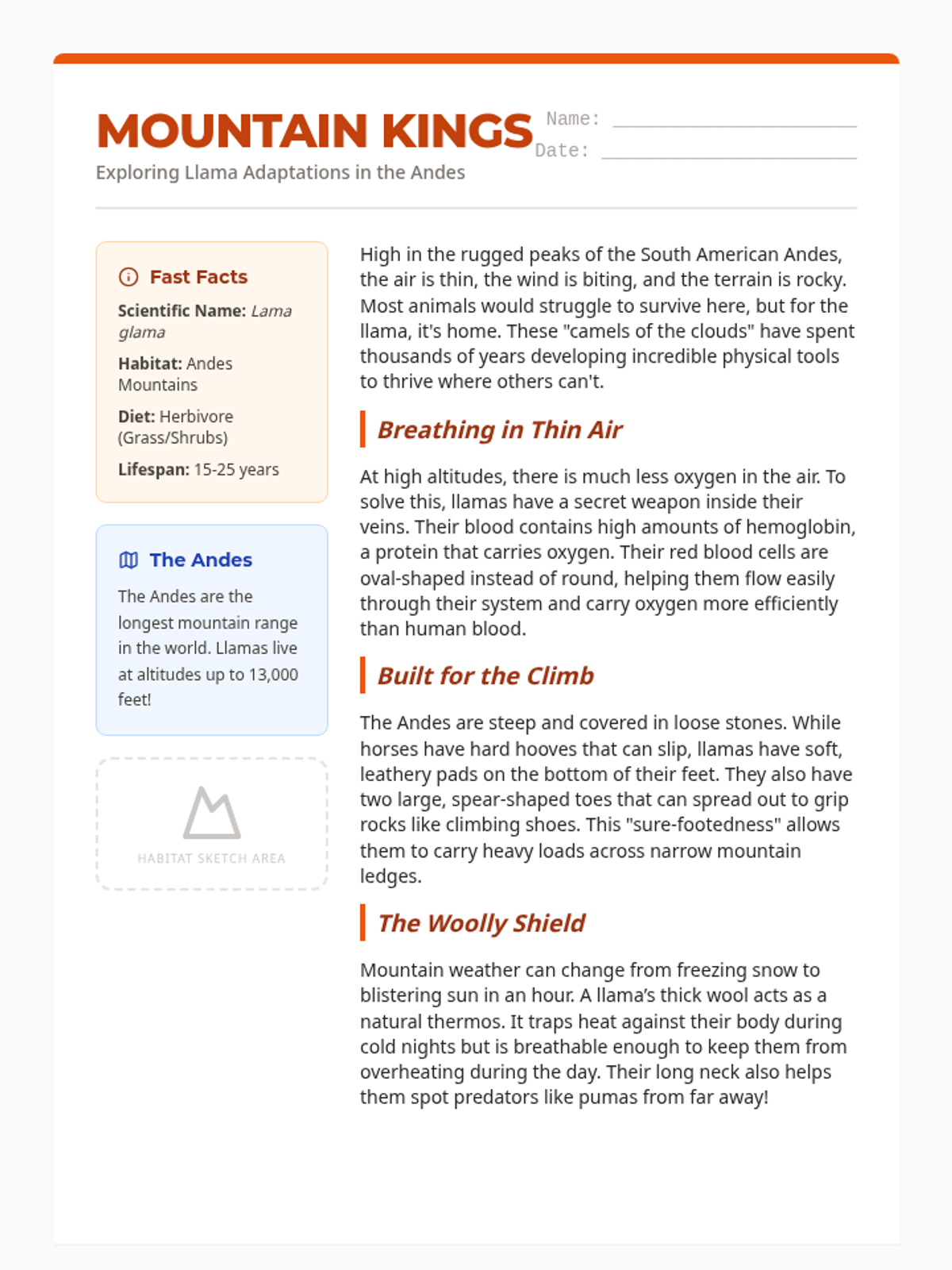
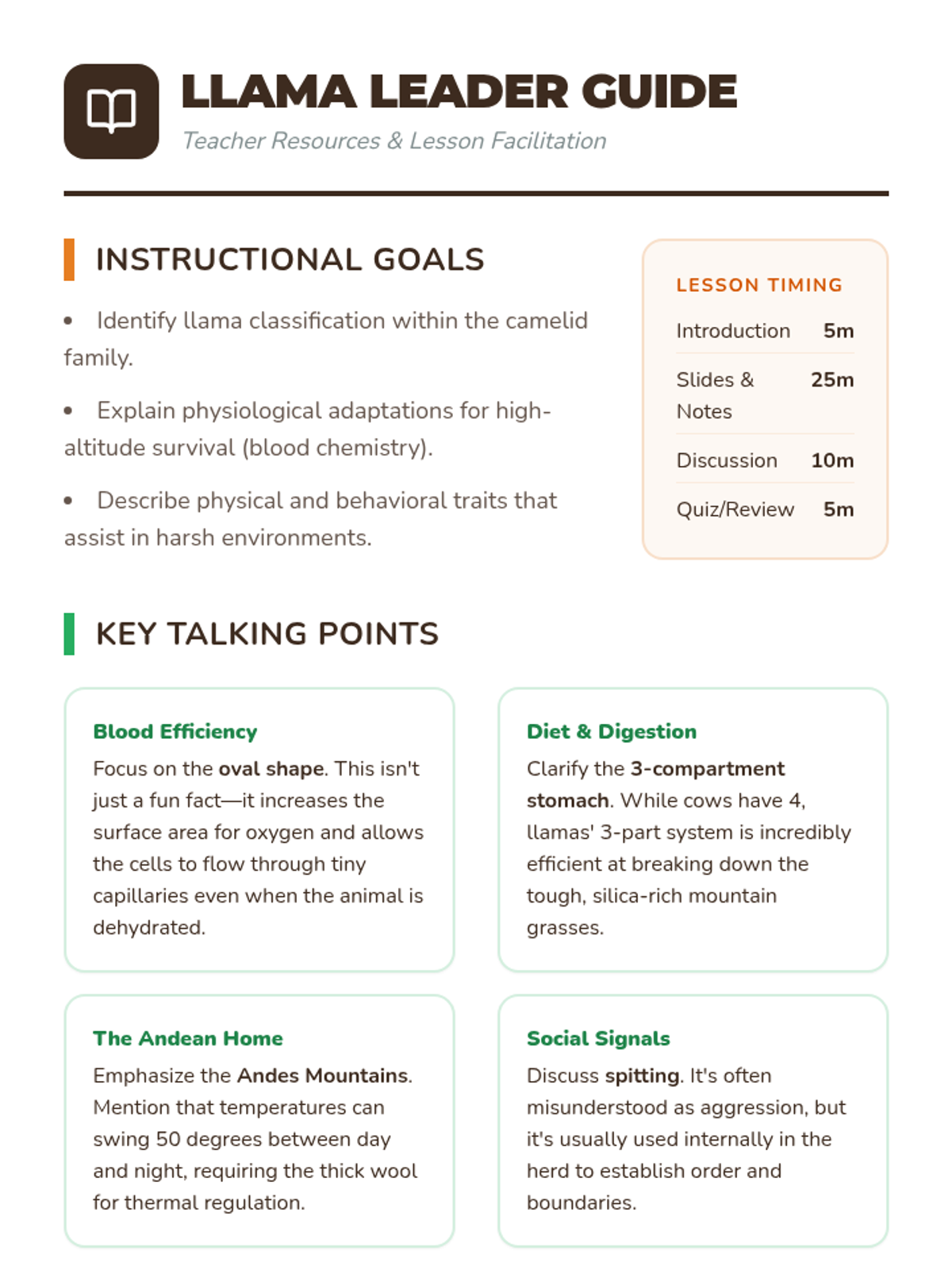
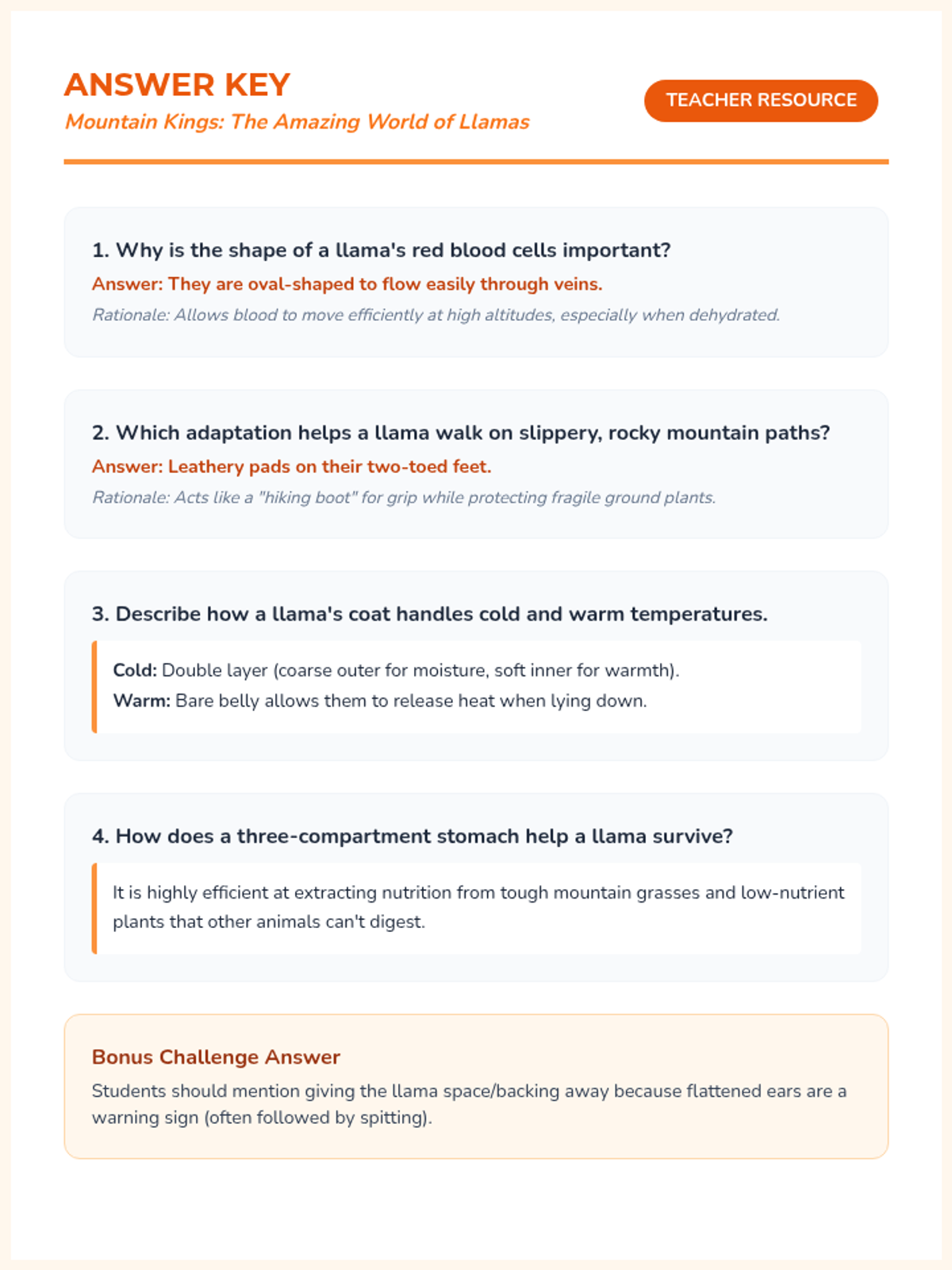
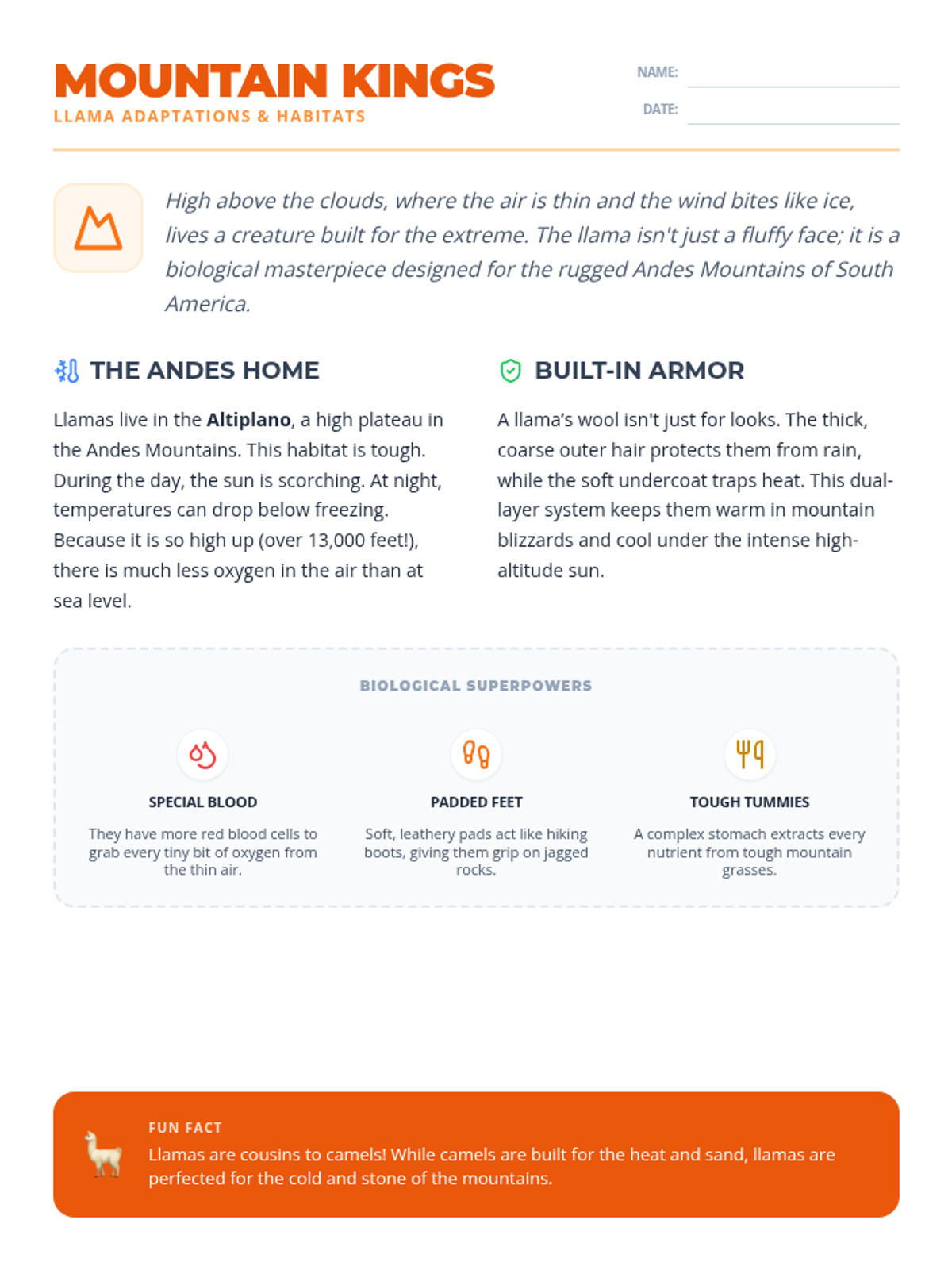
An introductory lesson on llamas, focusing on their physical adaptations for life in the Andes Mountains and their historical importance to the people of the region.
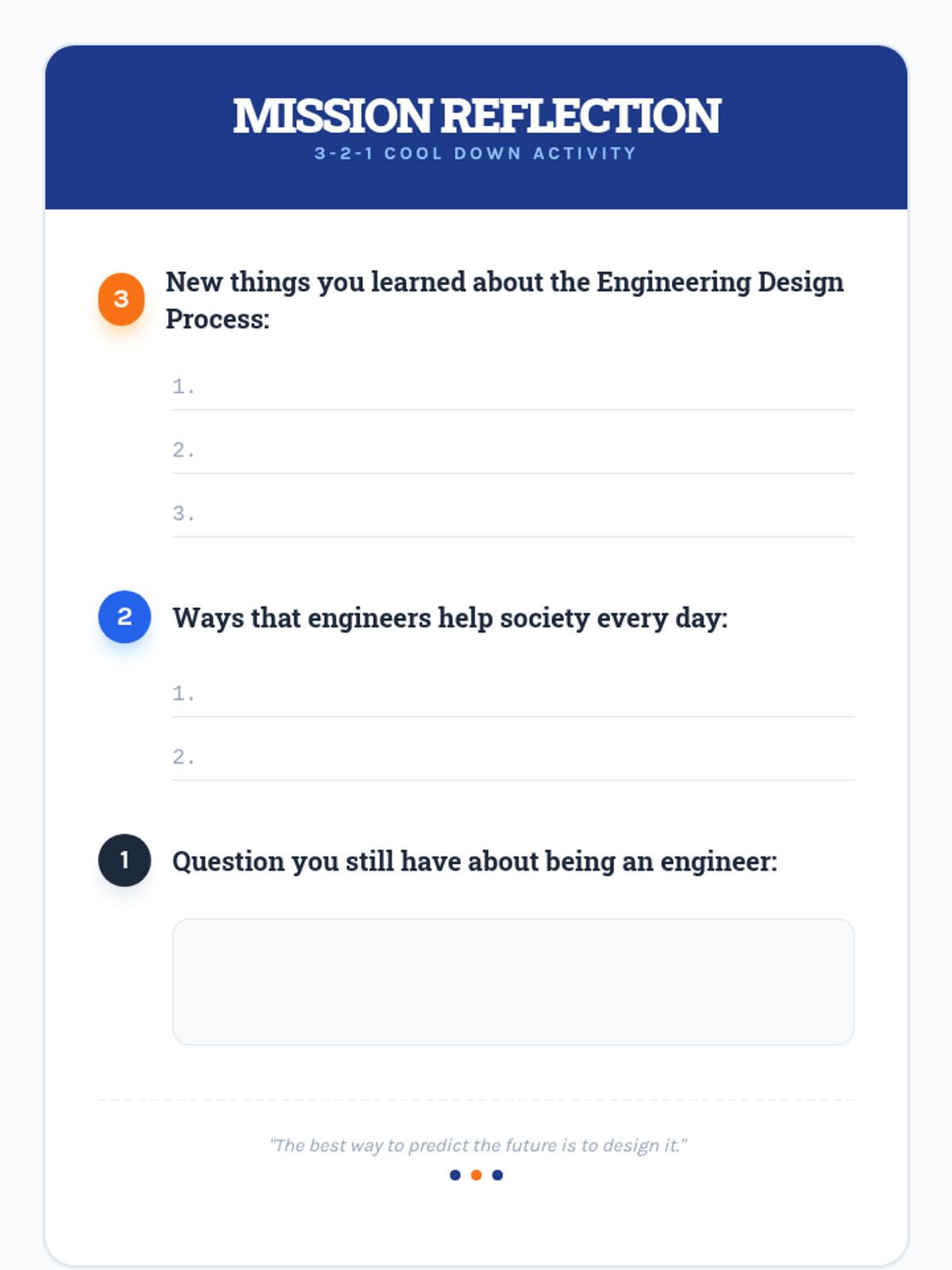
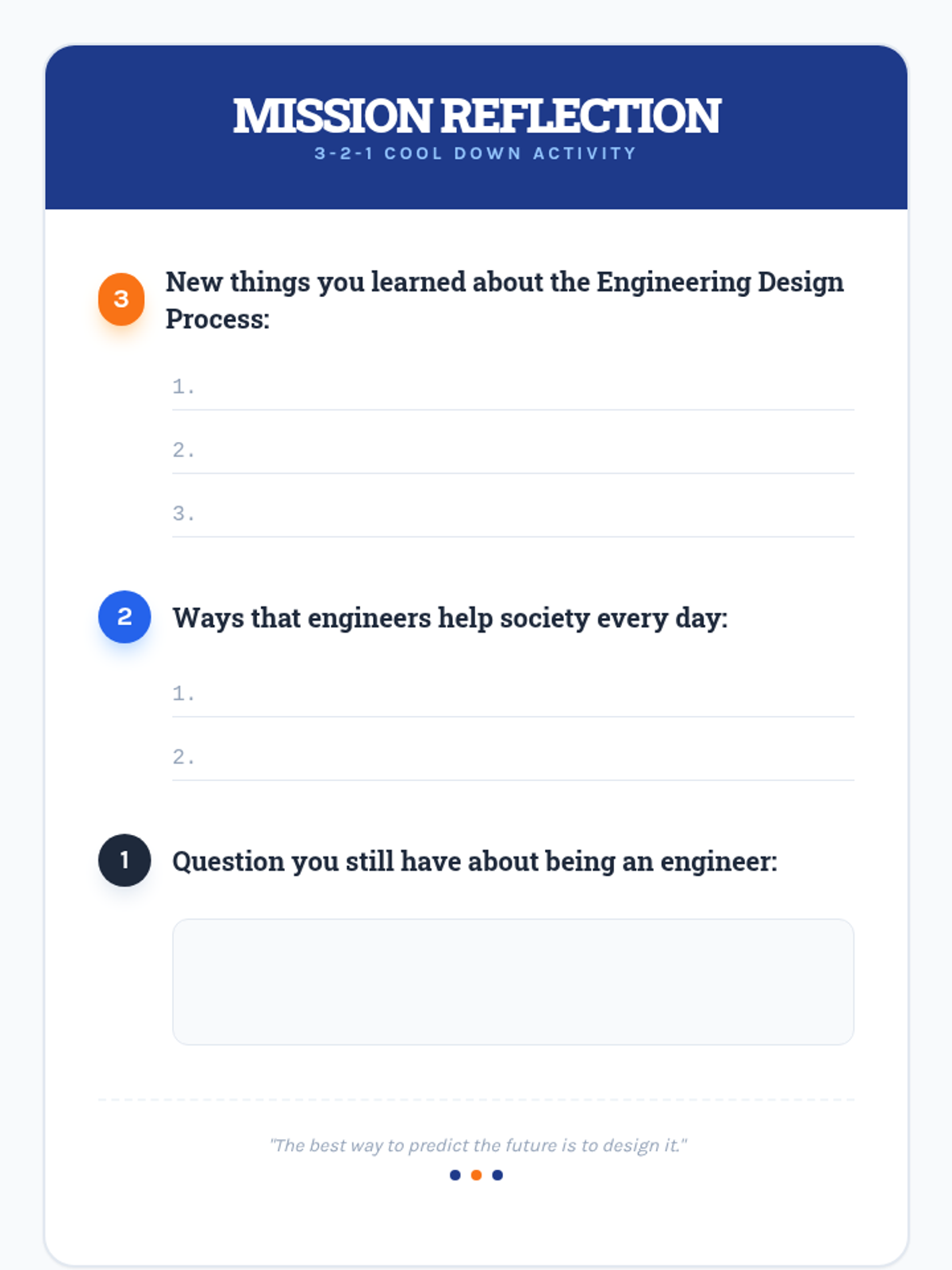
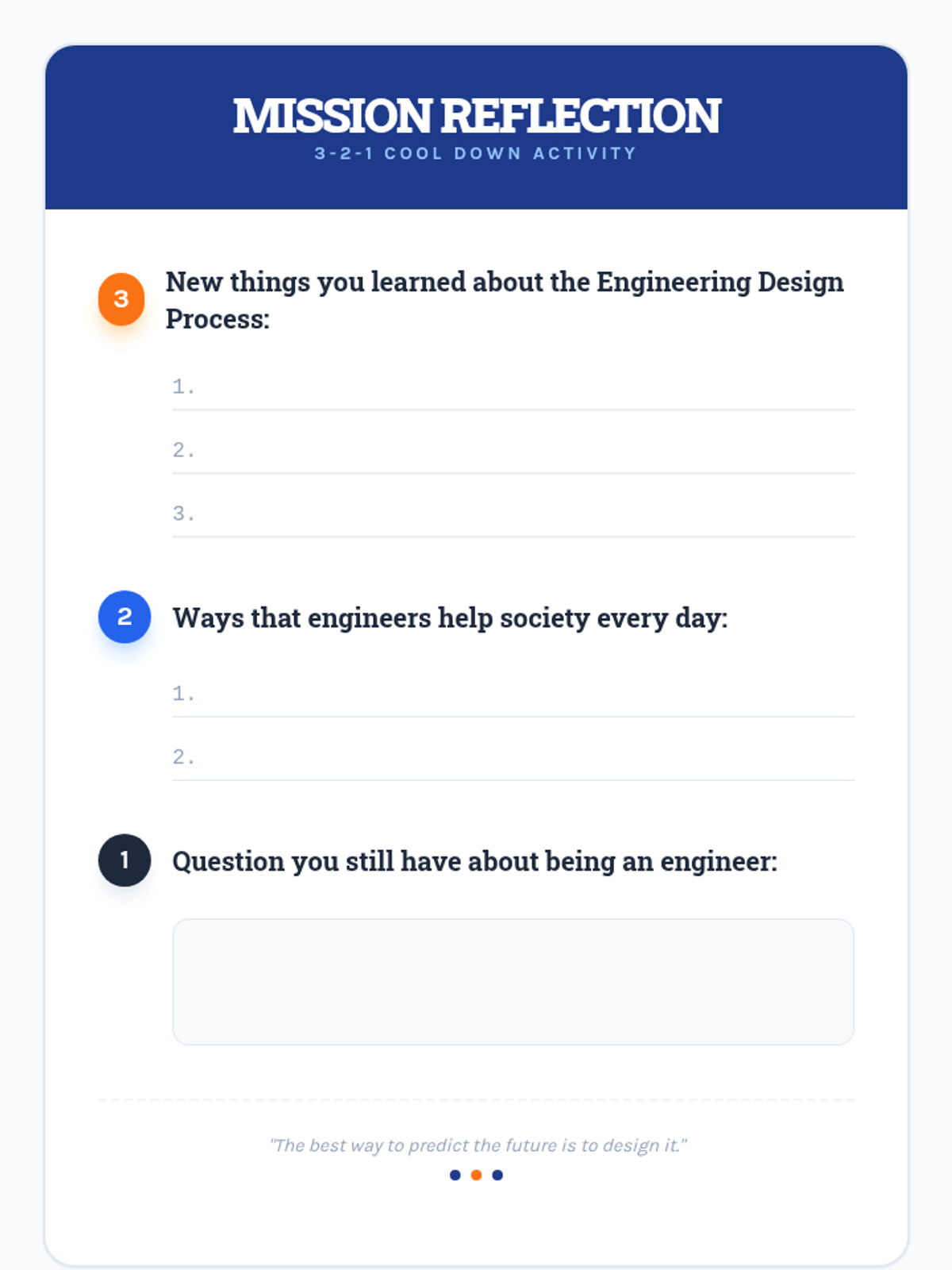
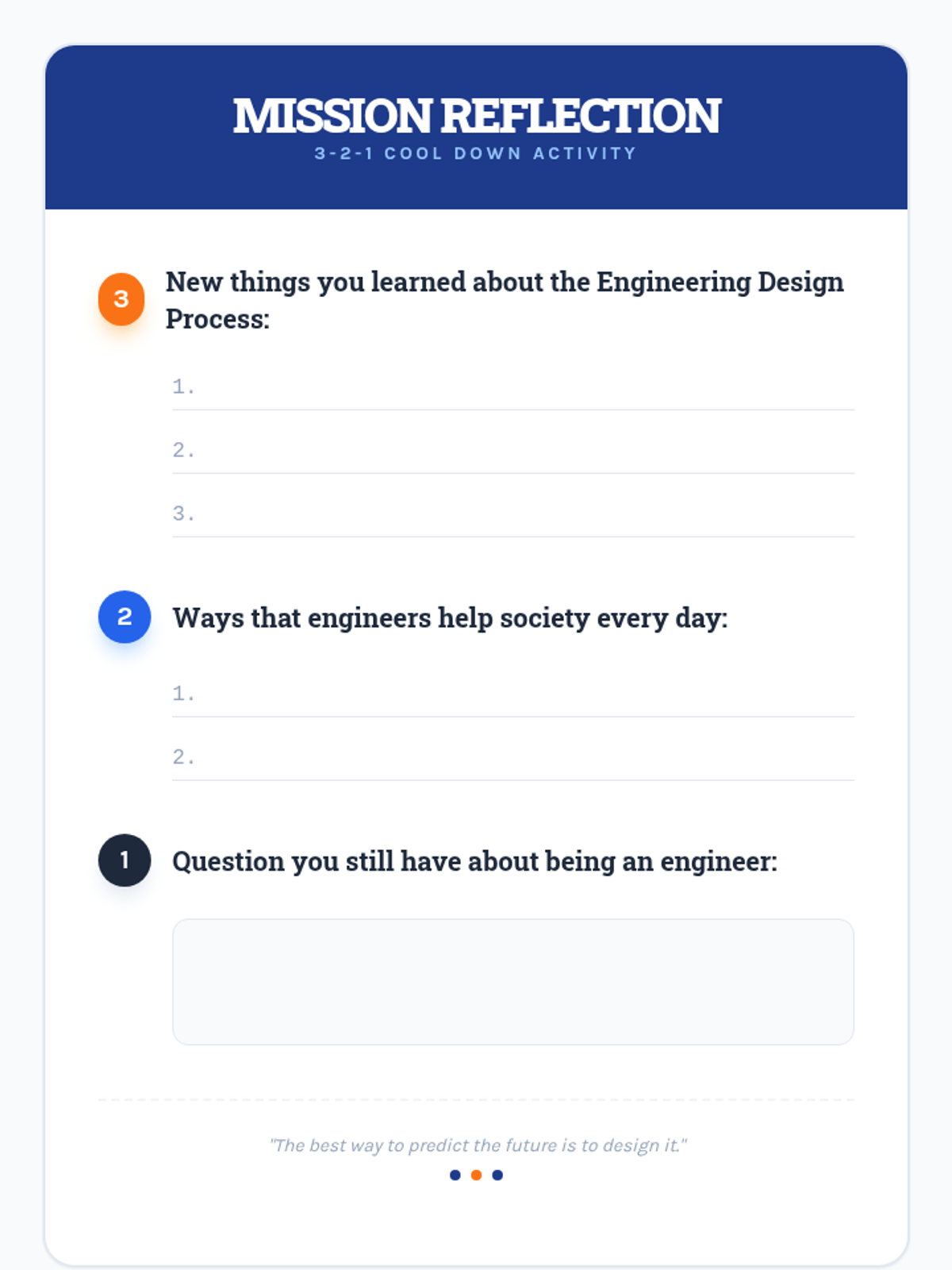
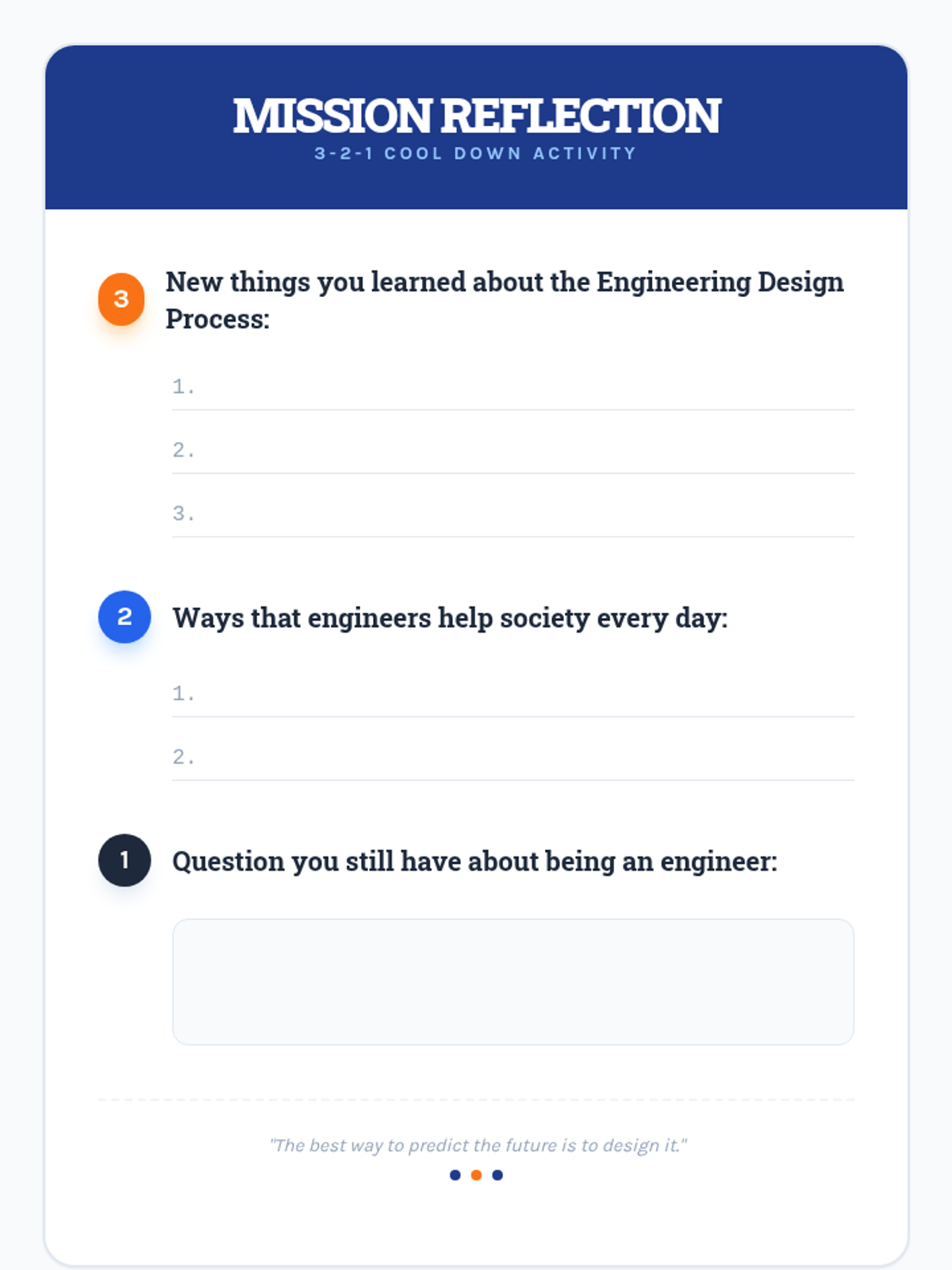
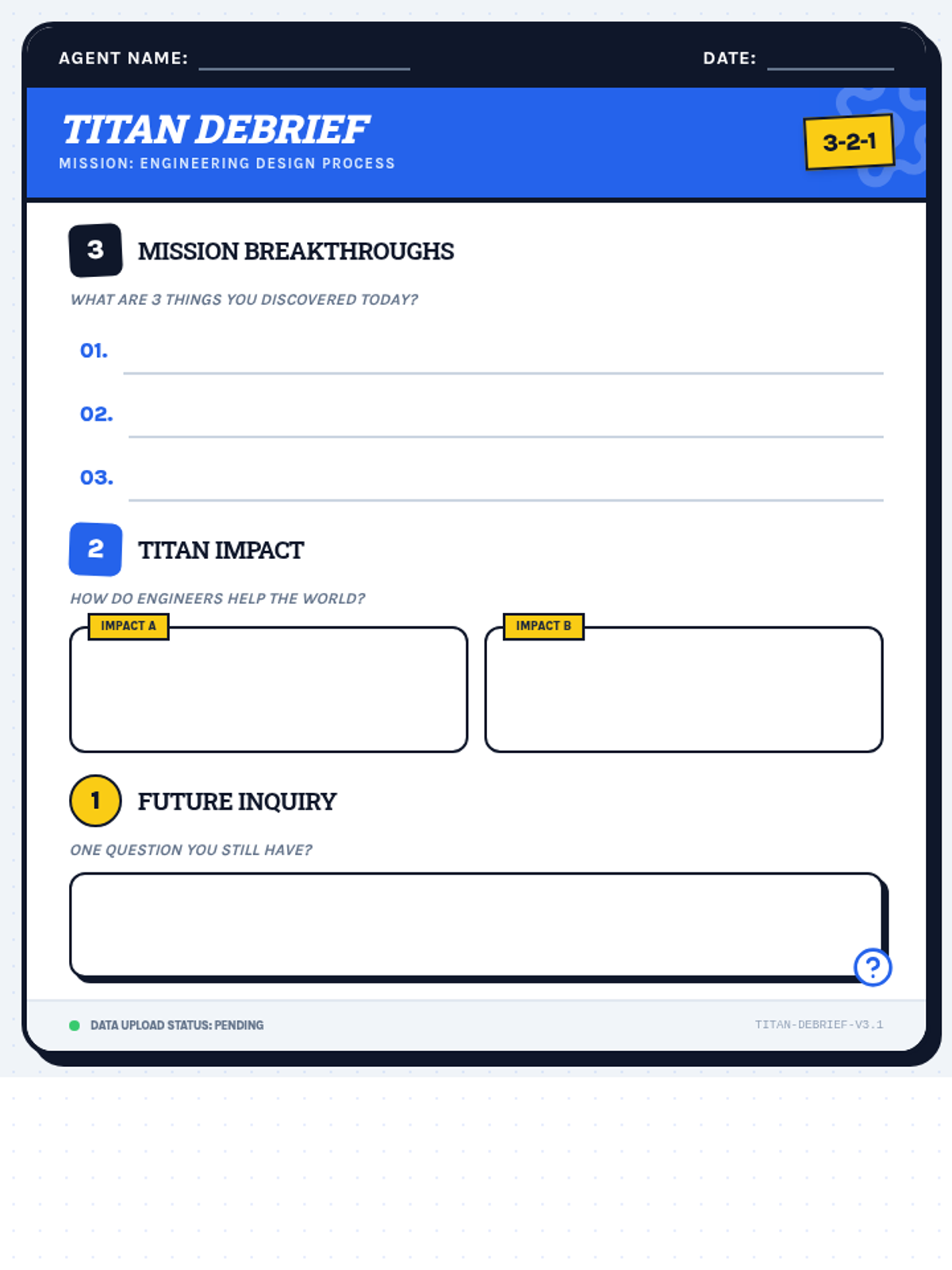
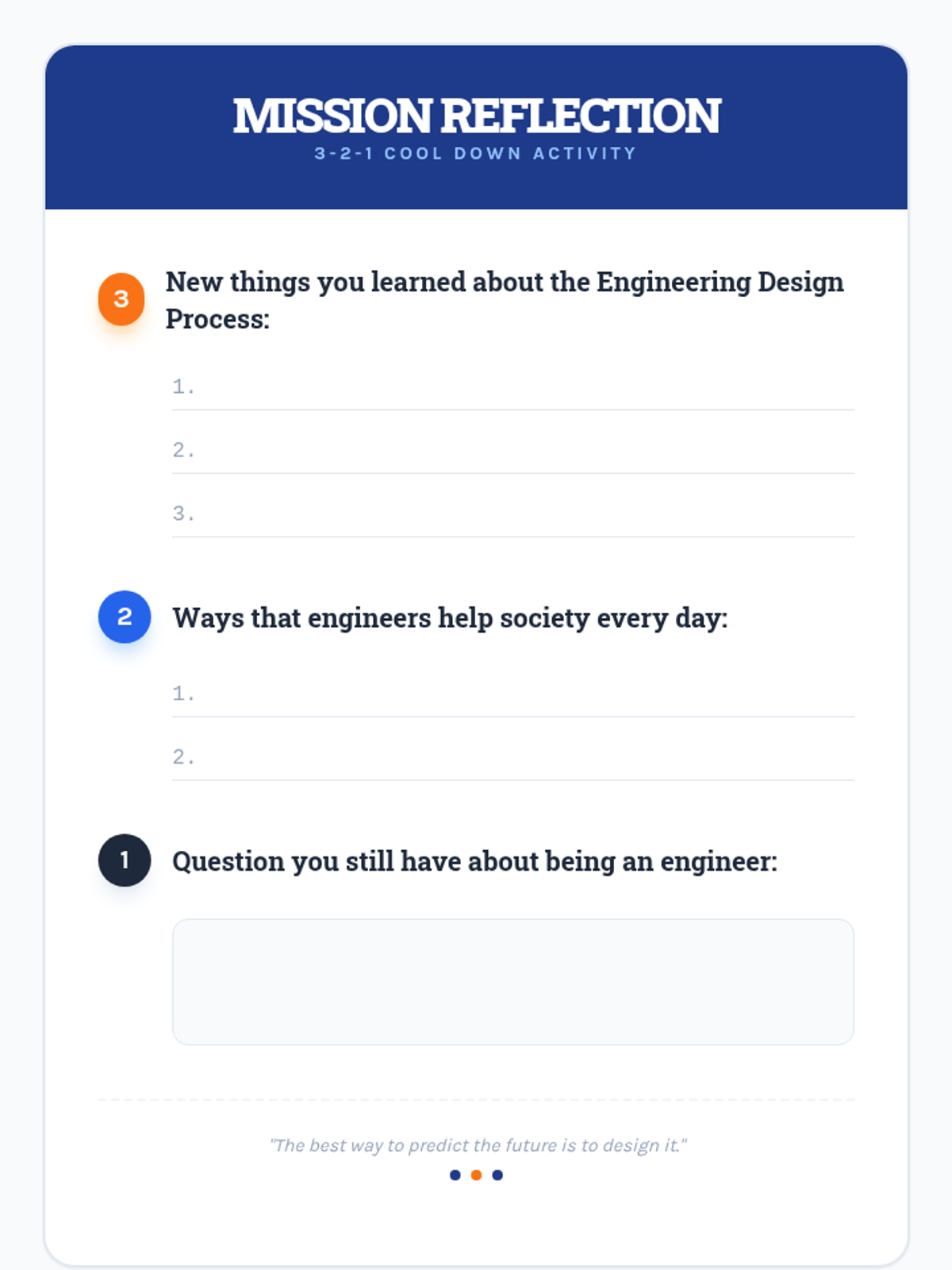
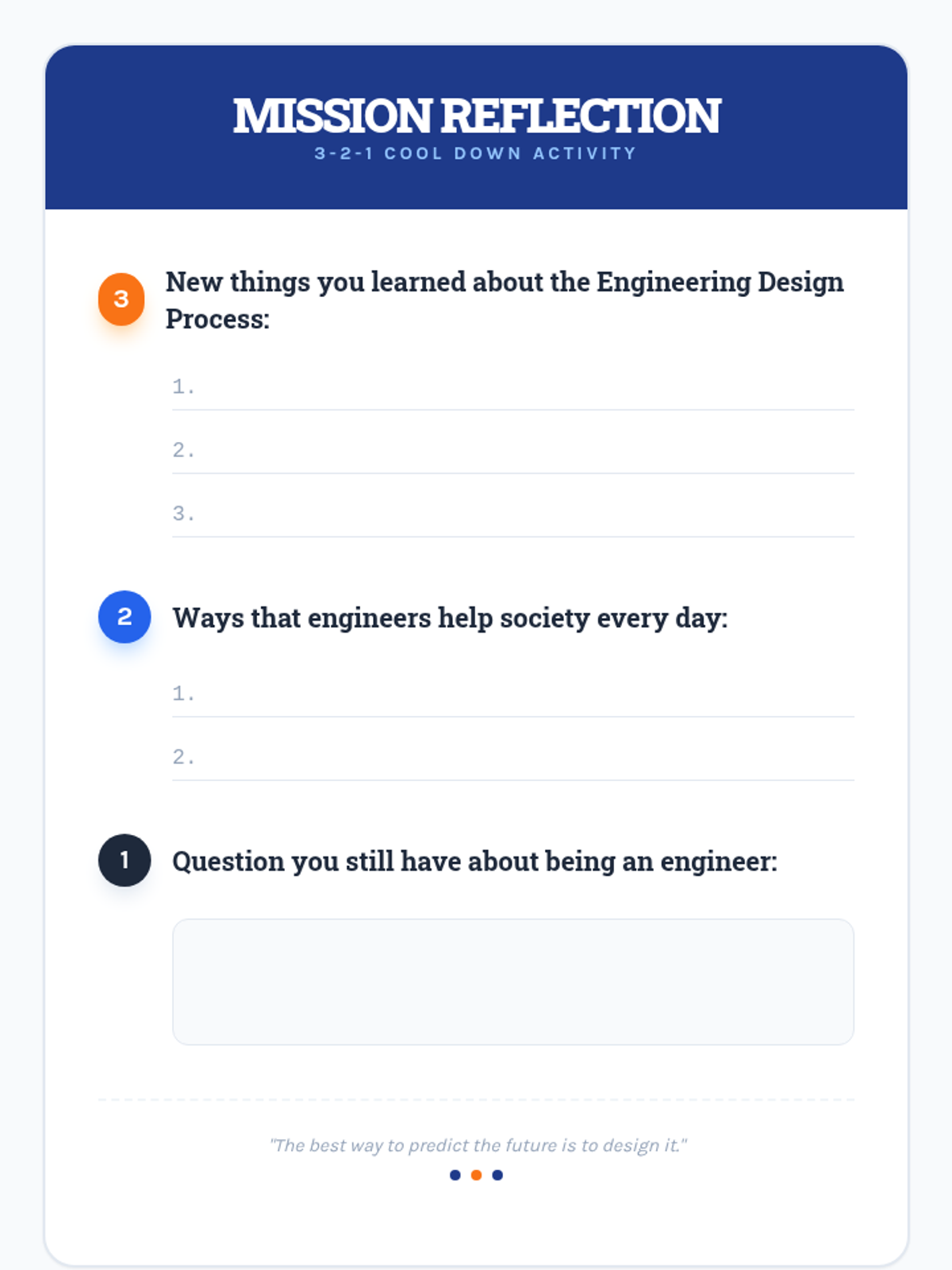
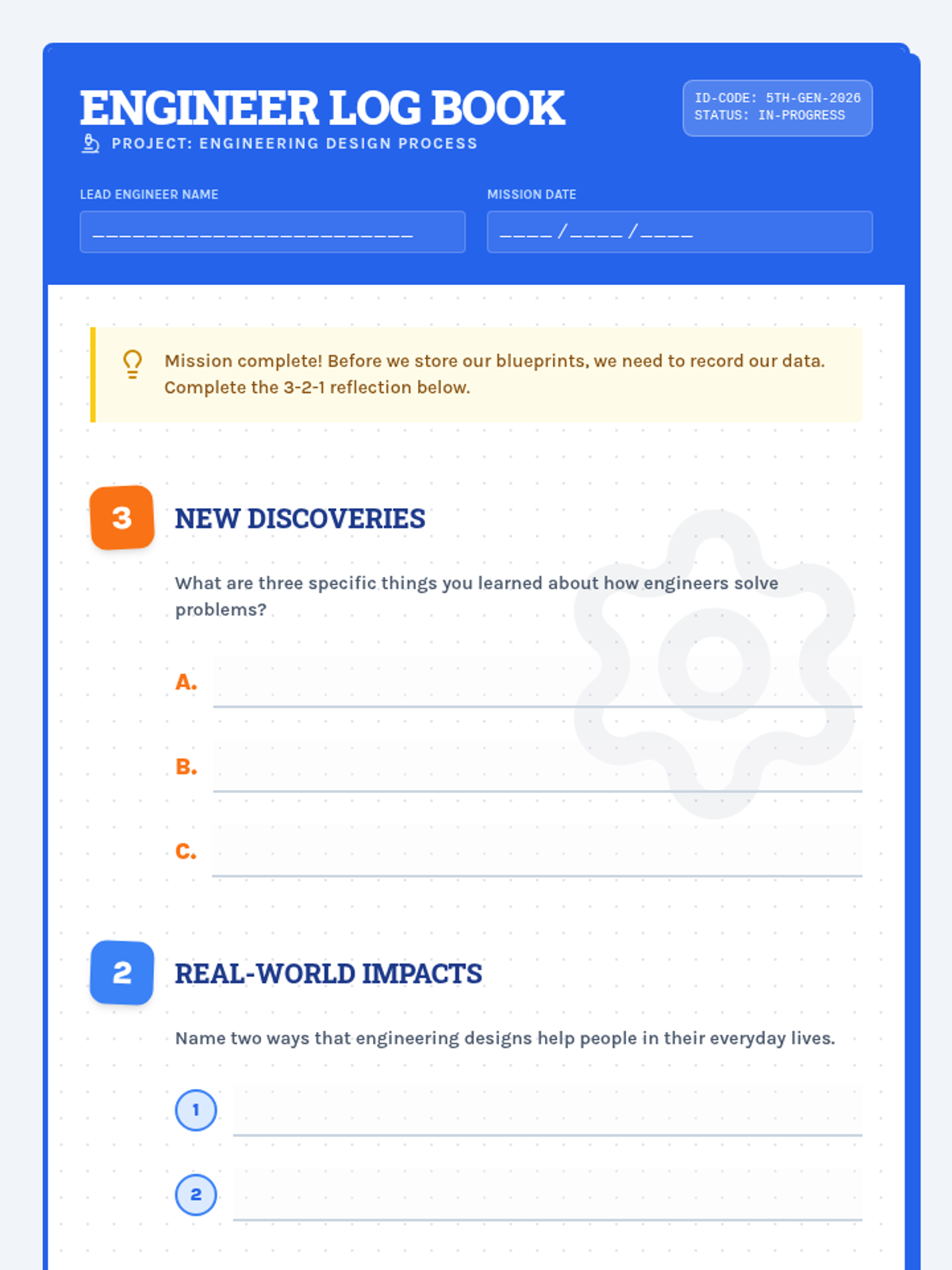
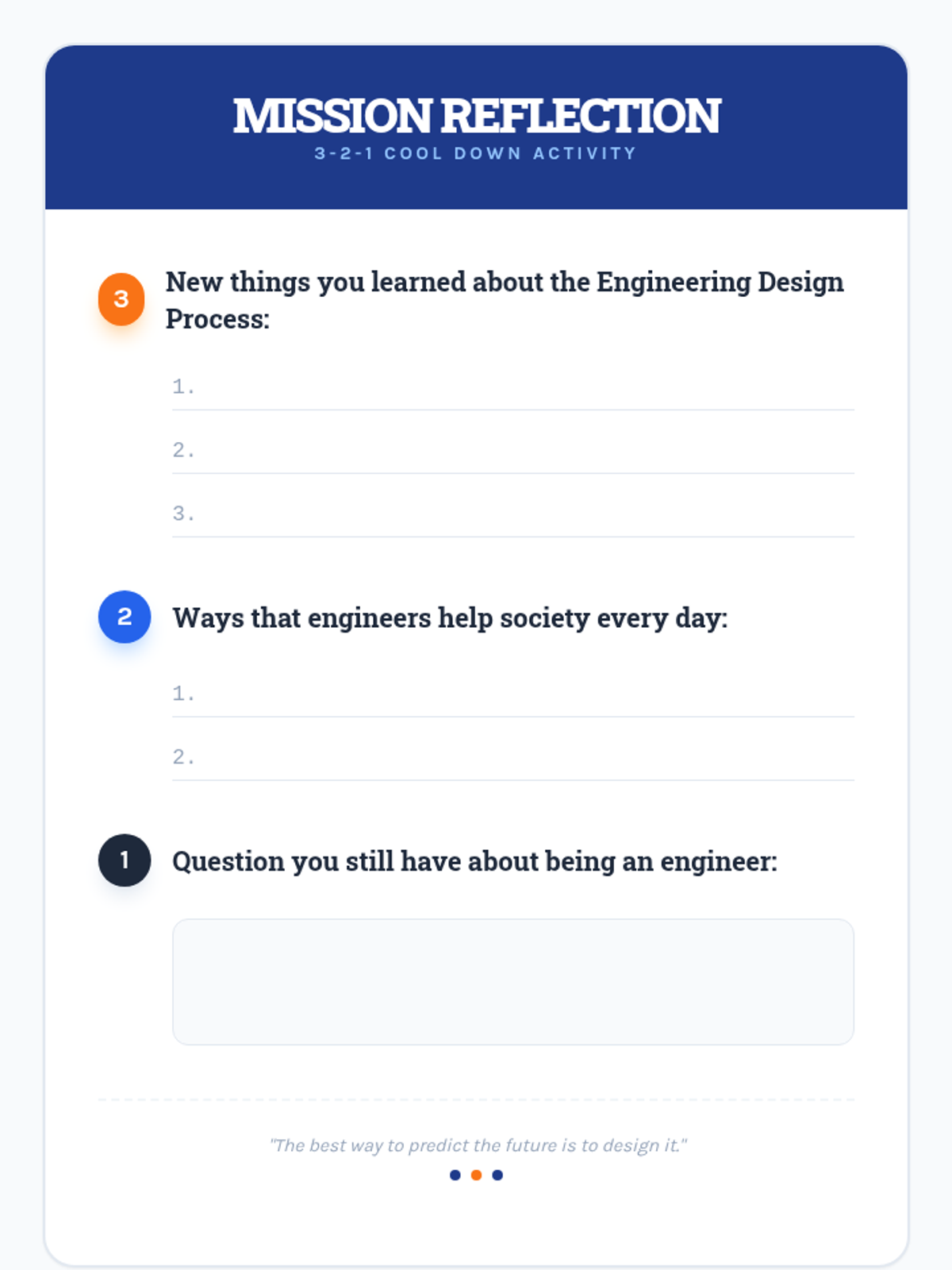
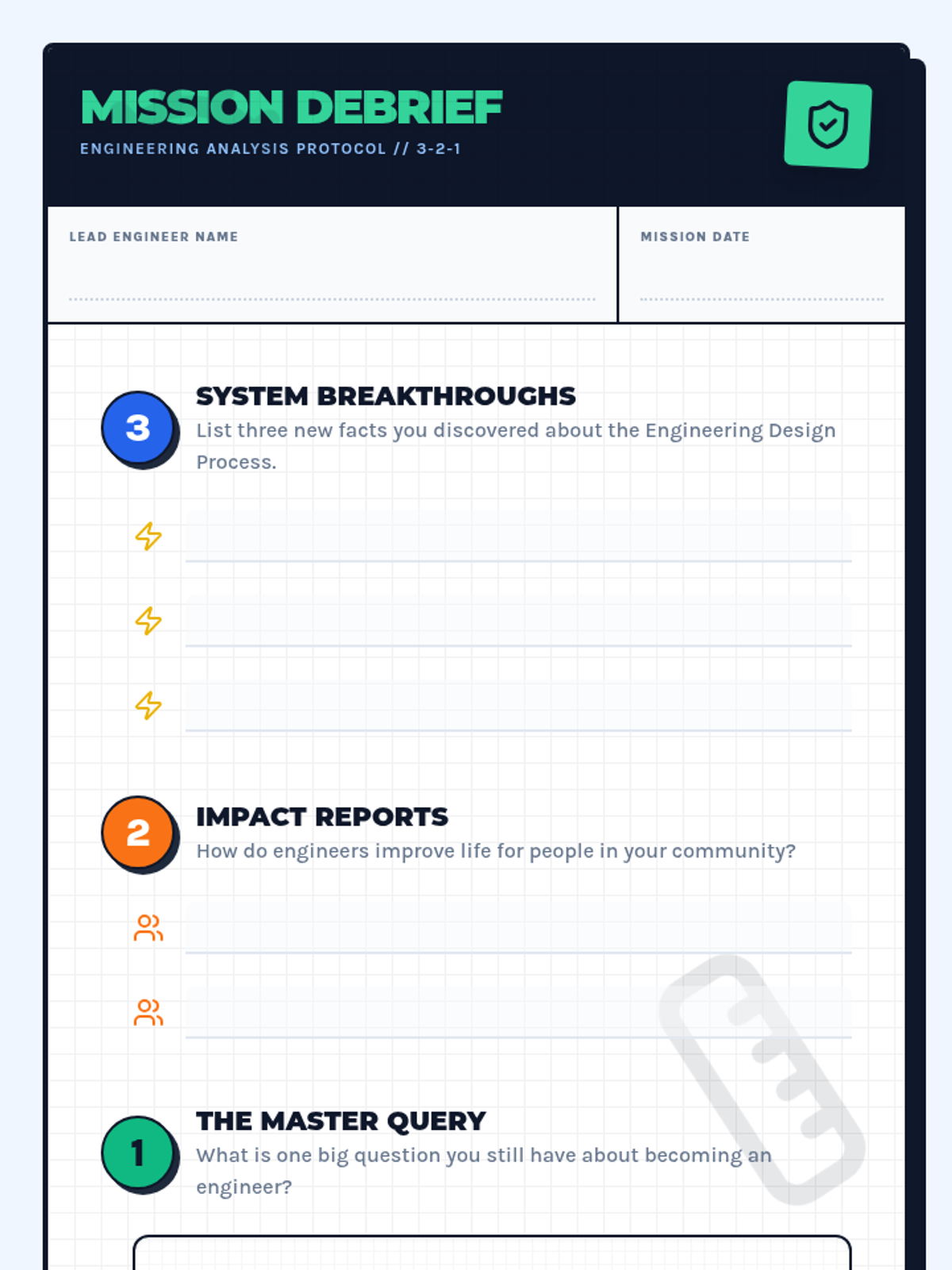
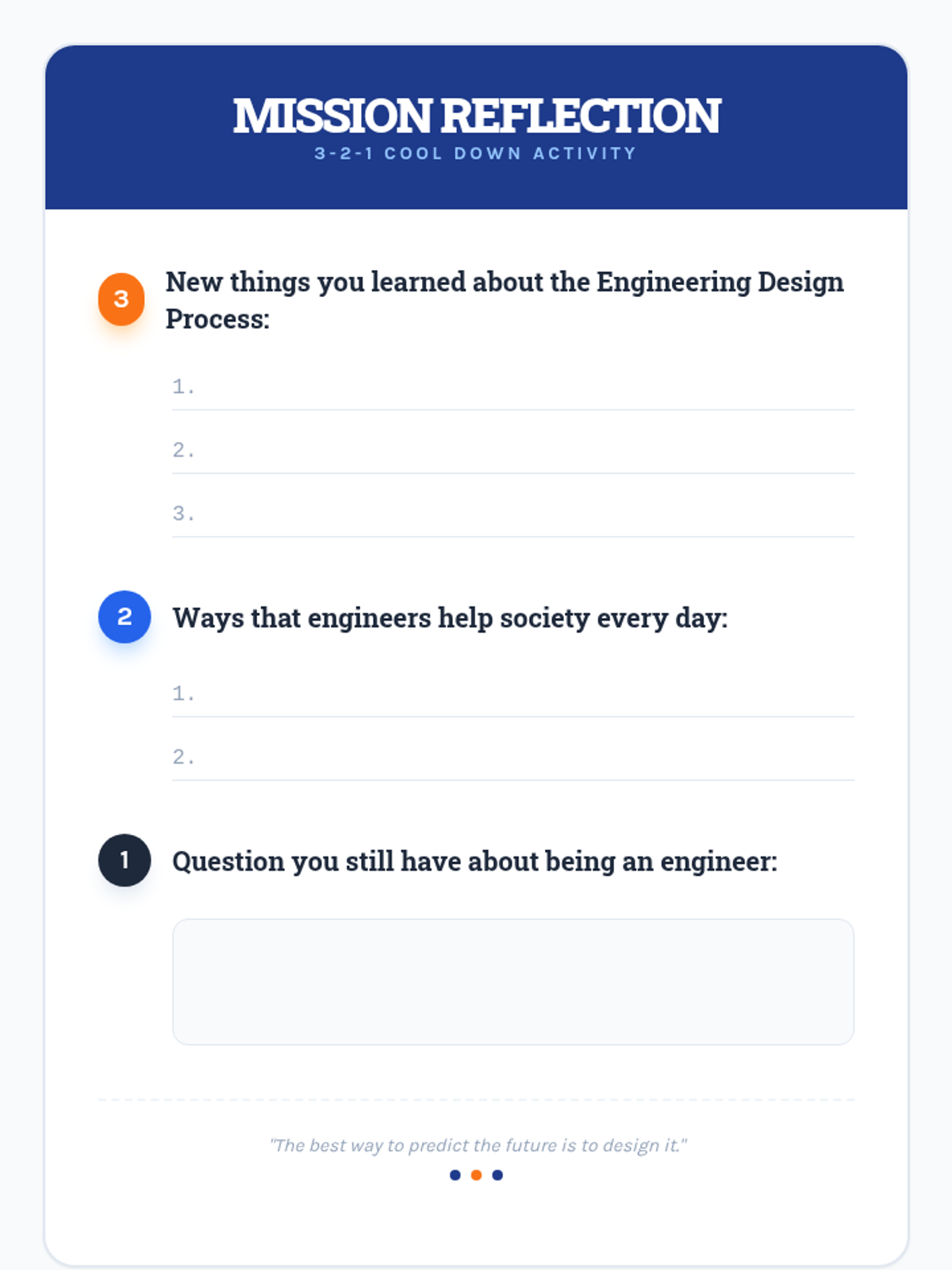
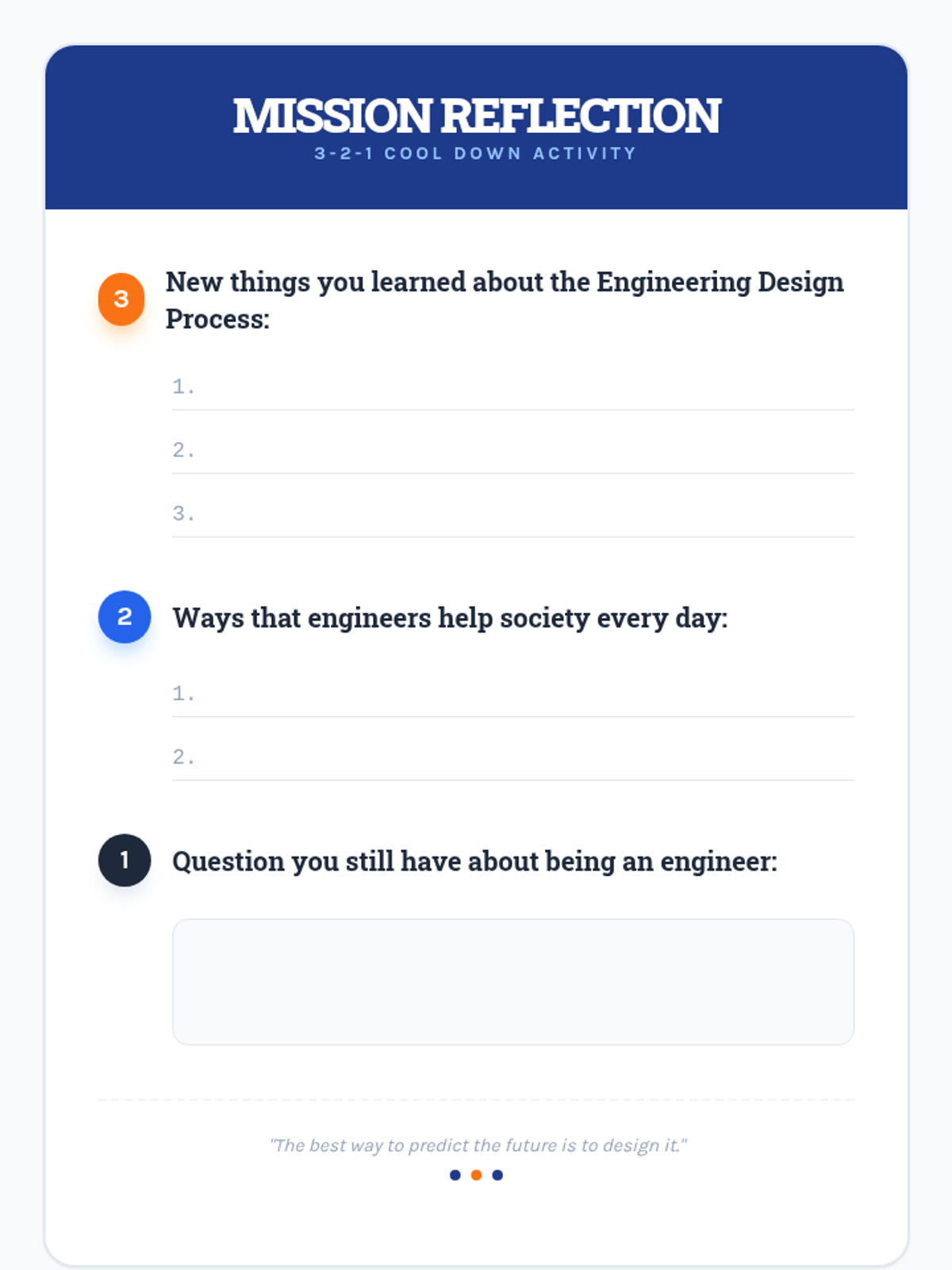
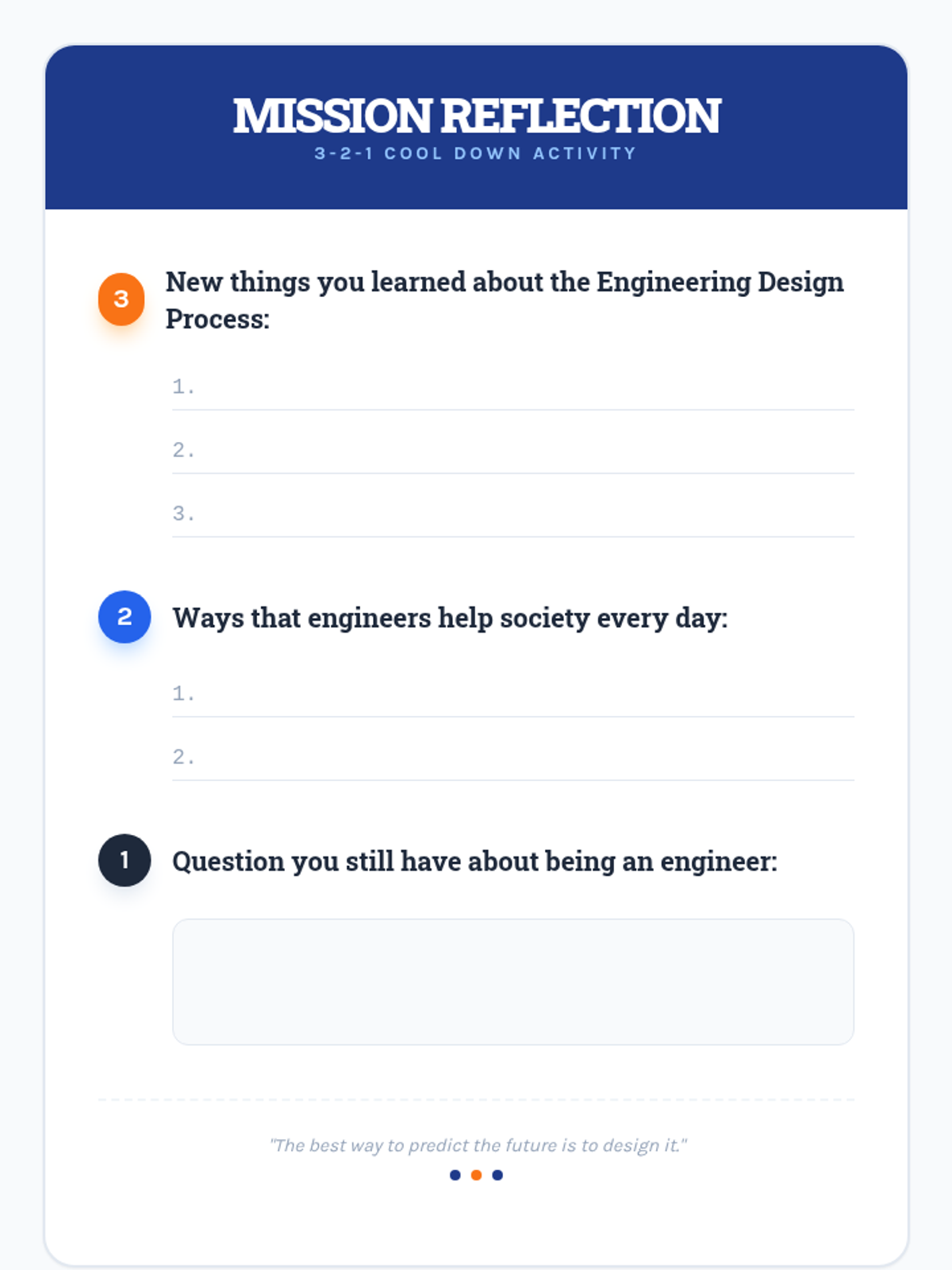
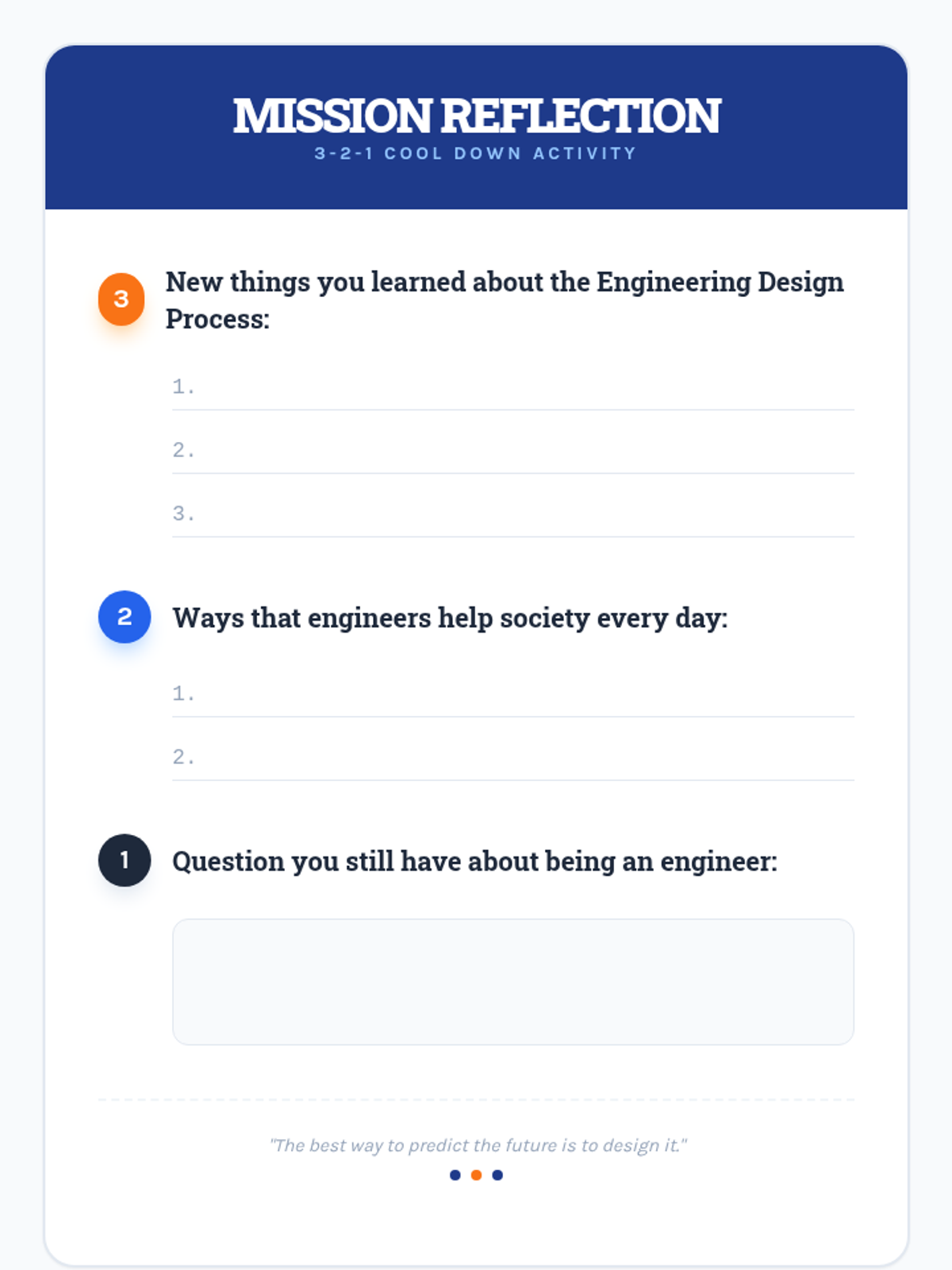
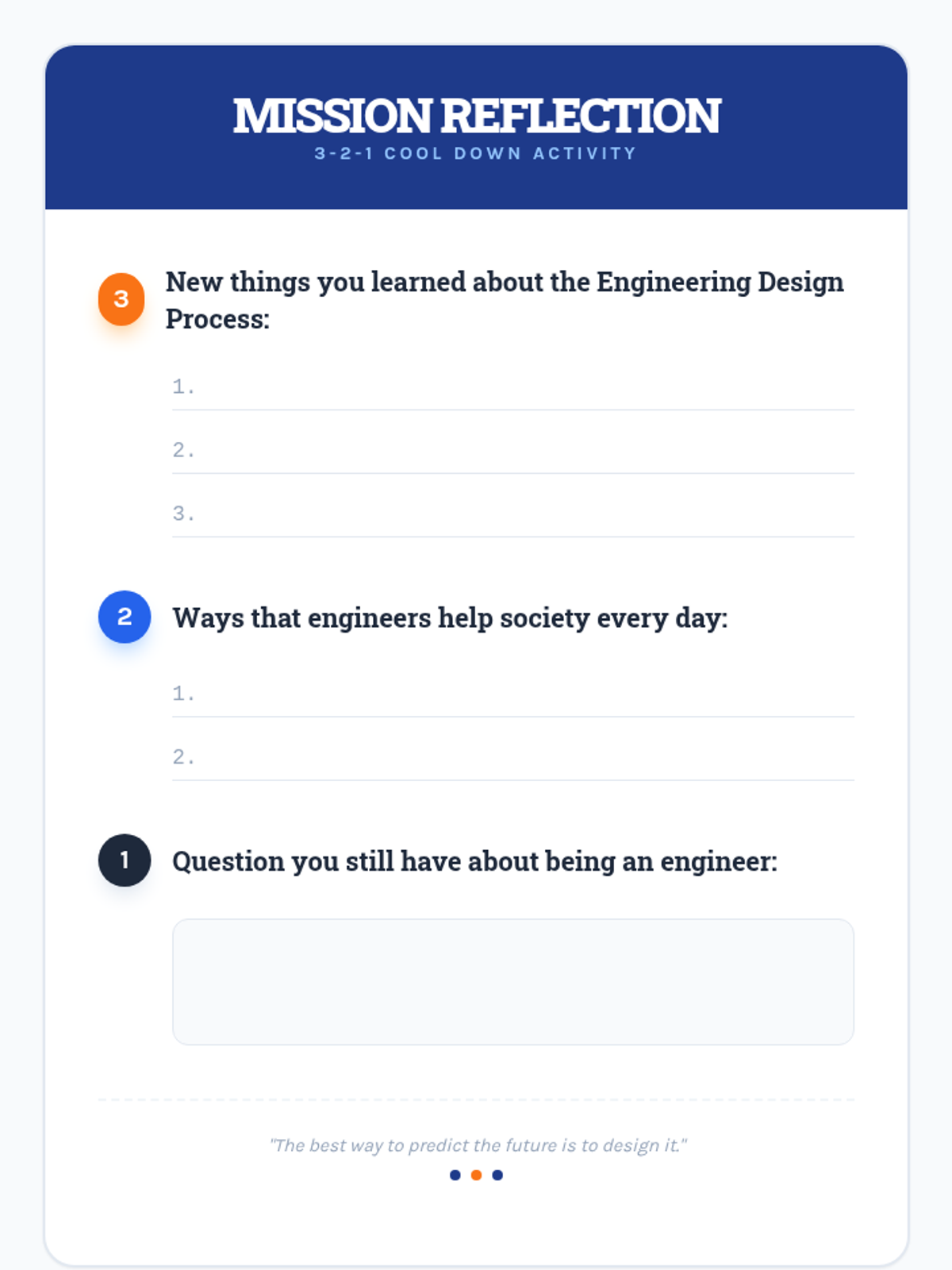
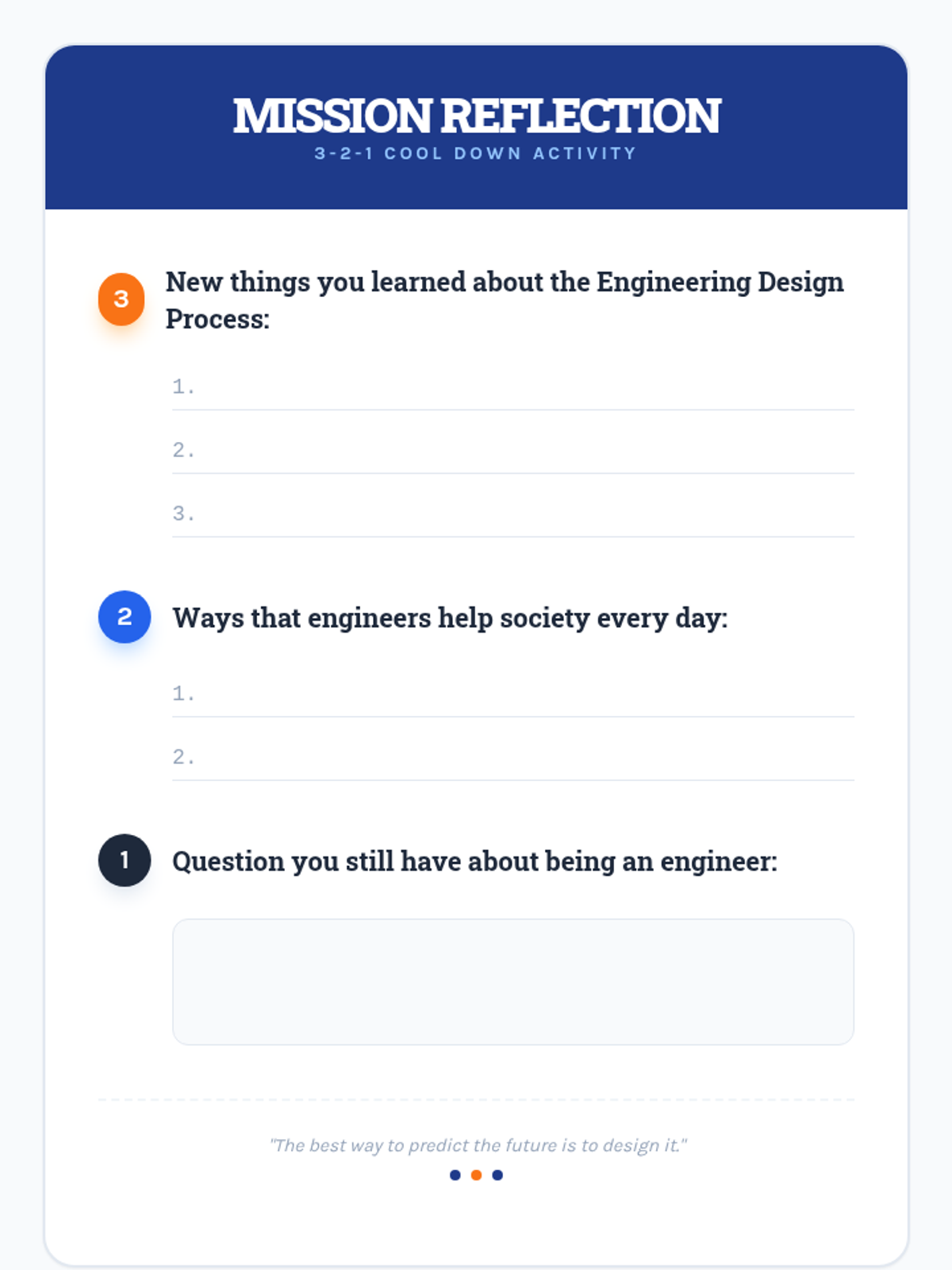
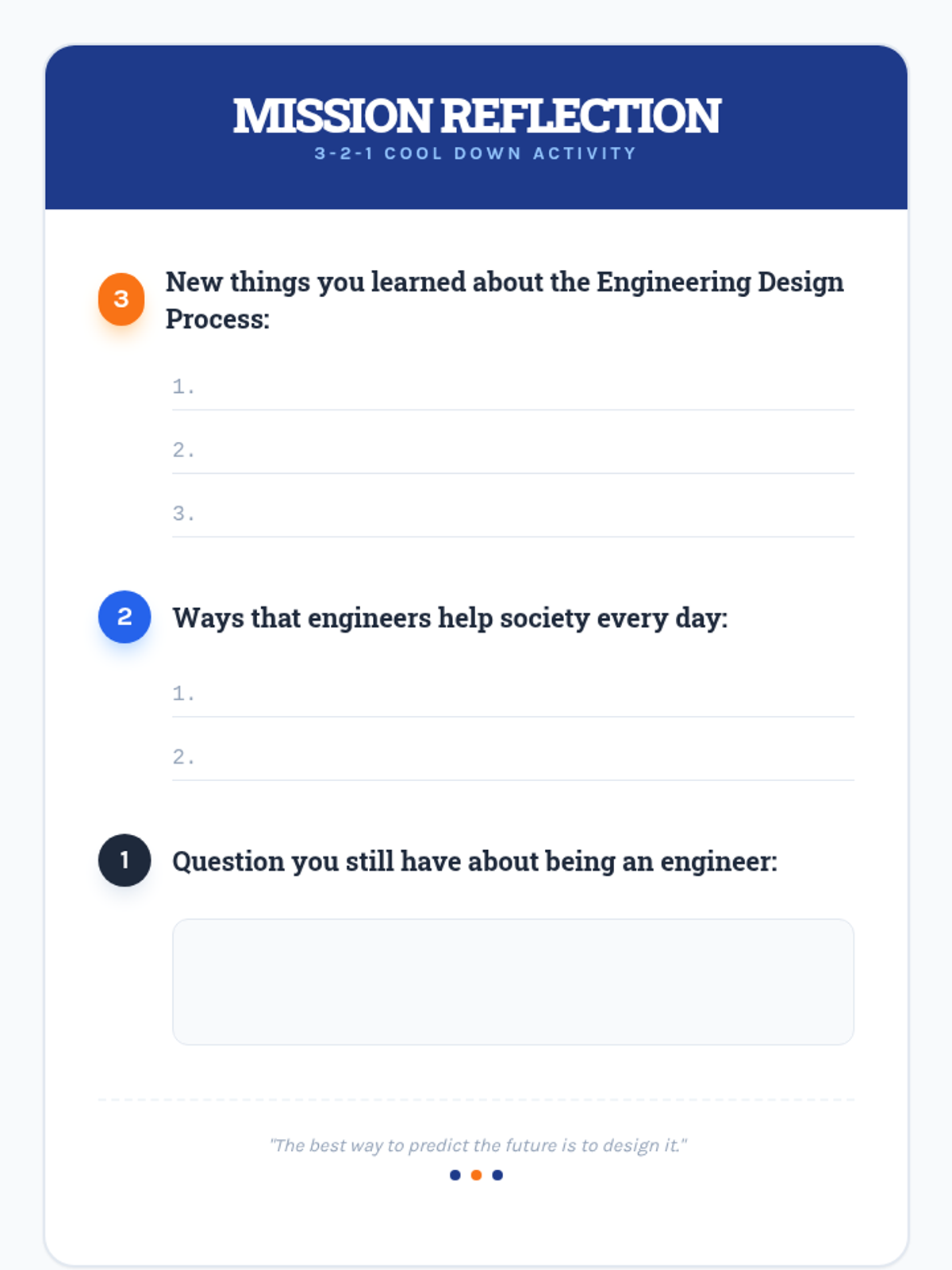
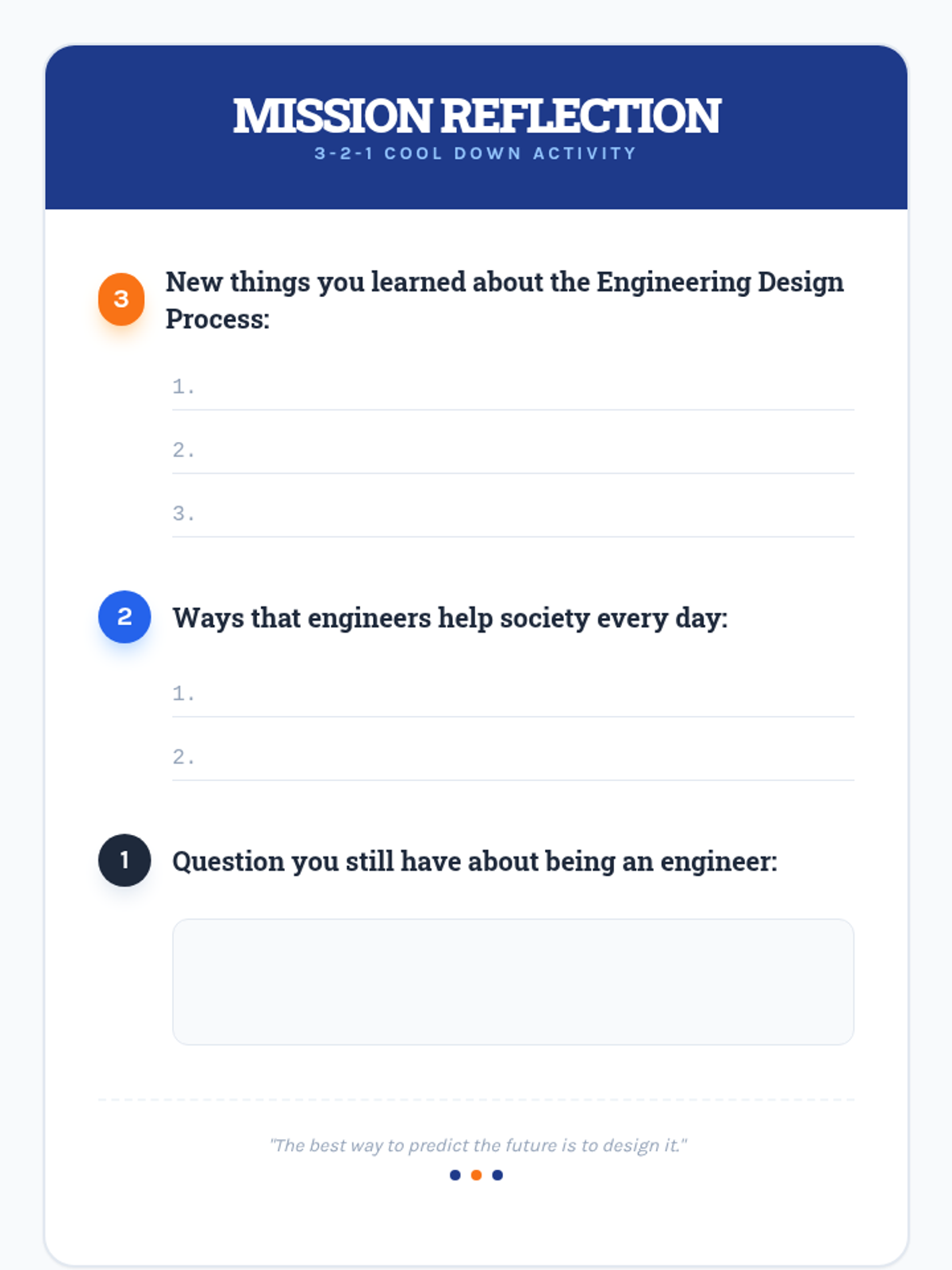
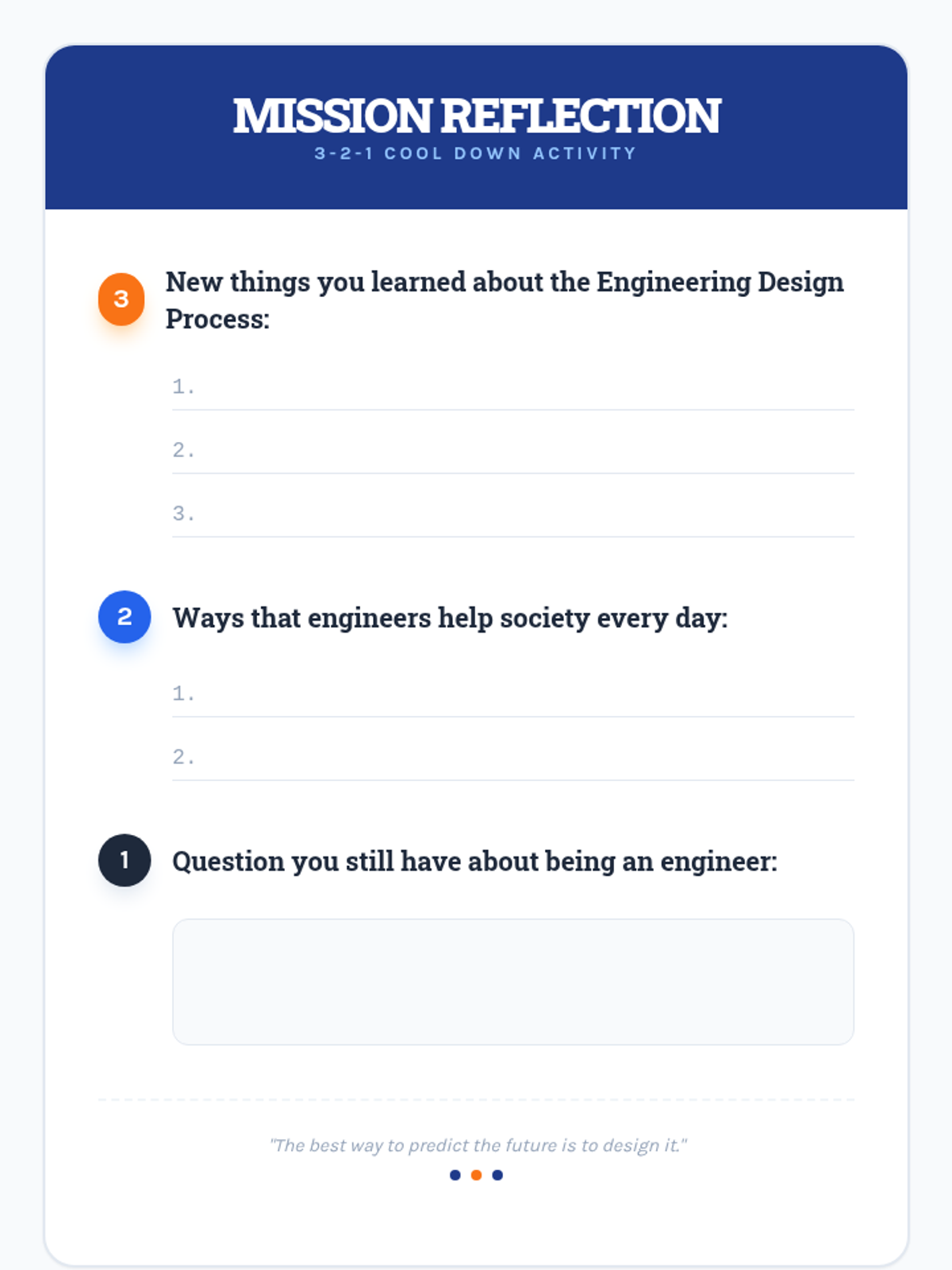
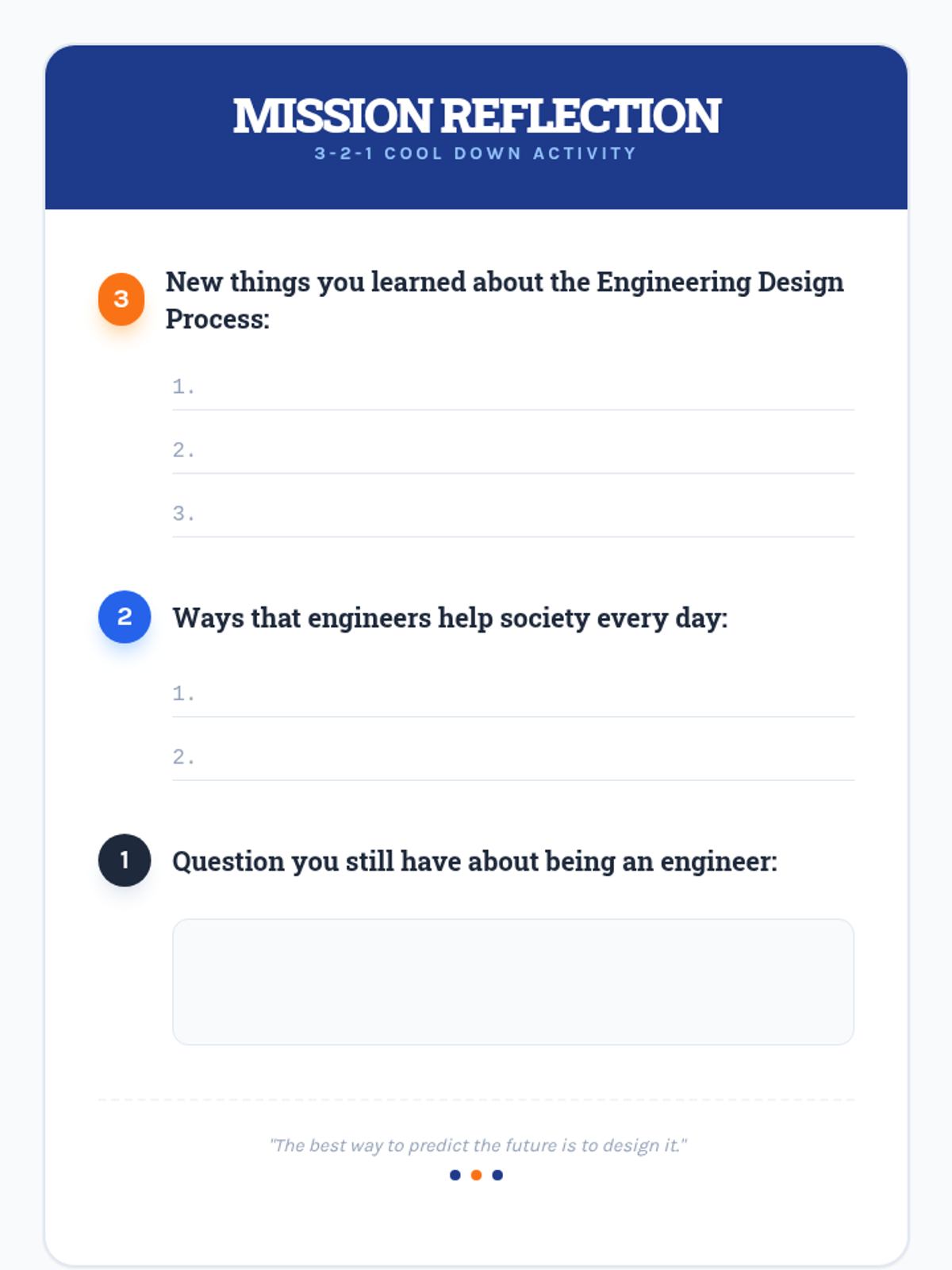
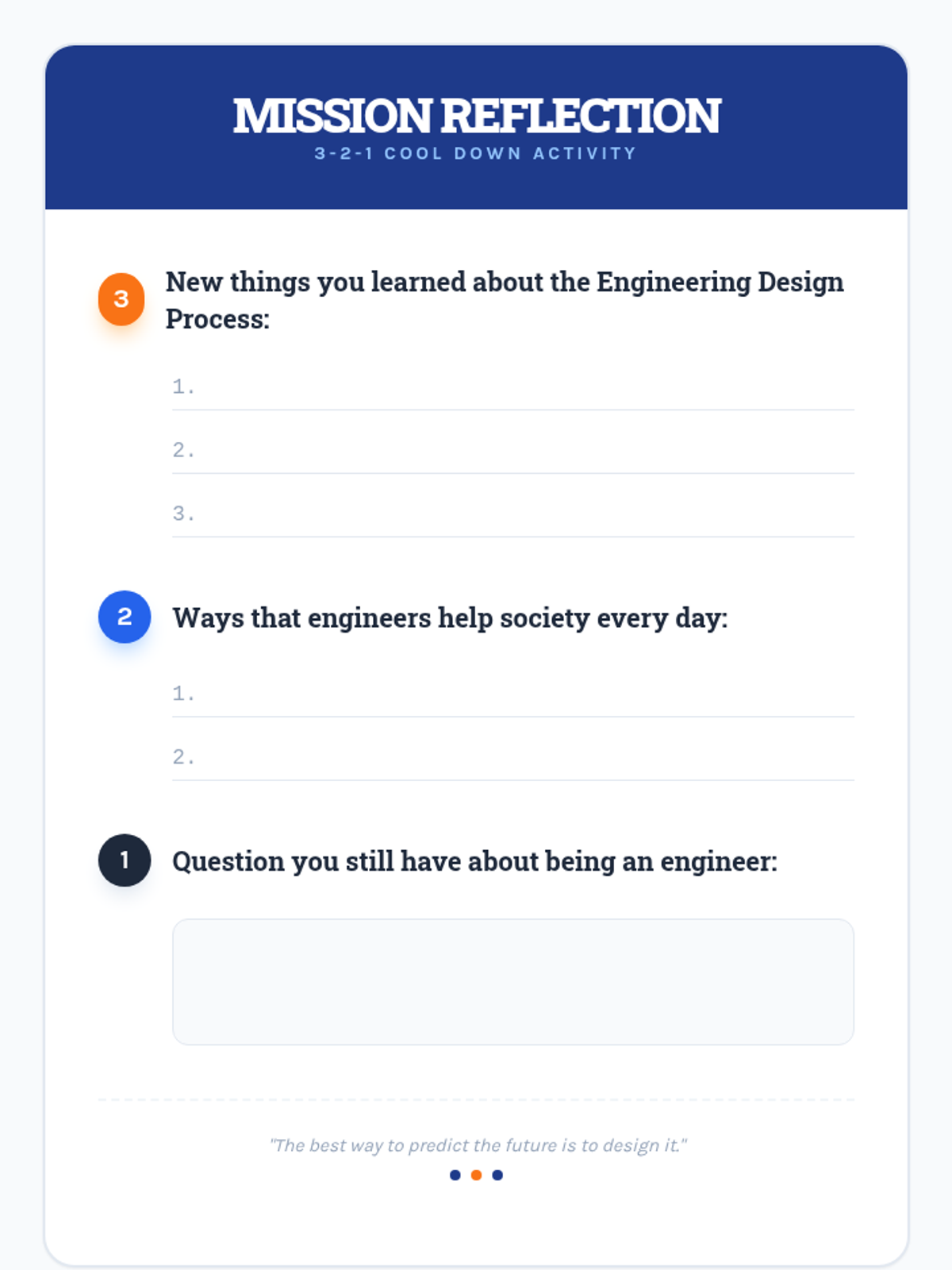
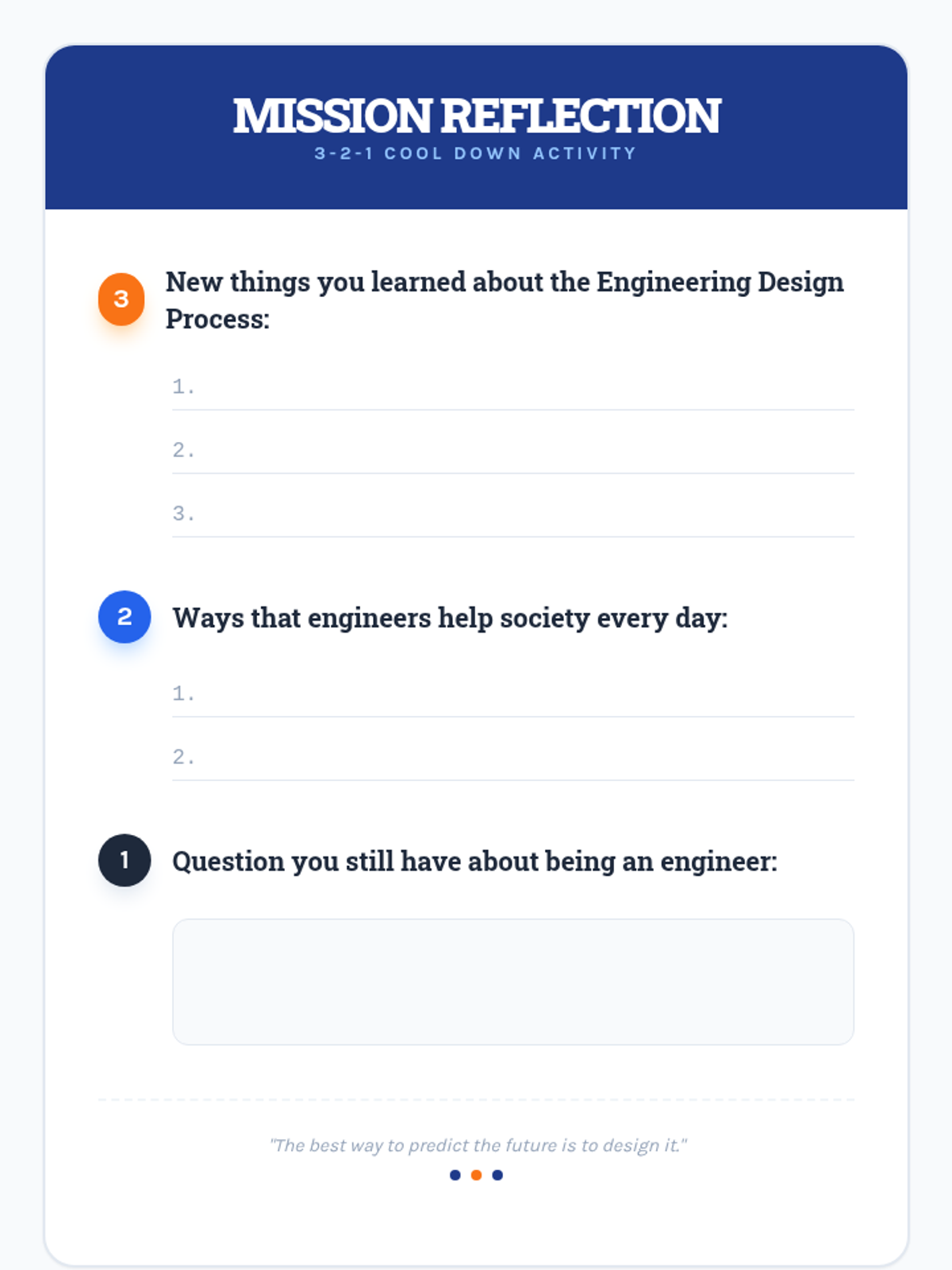
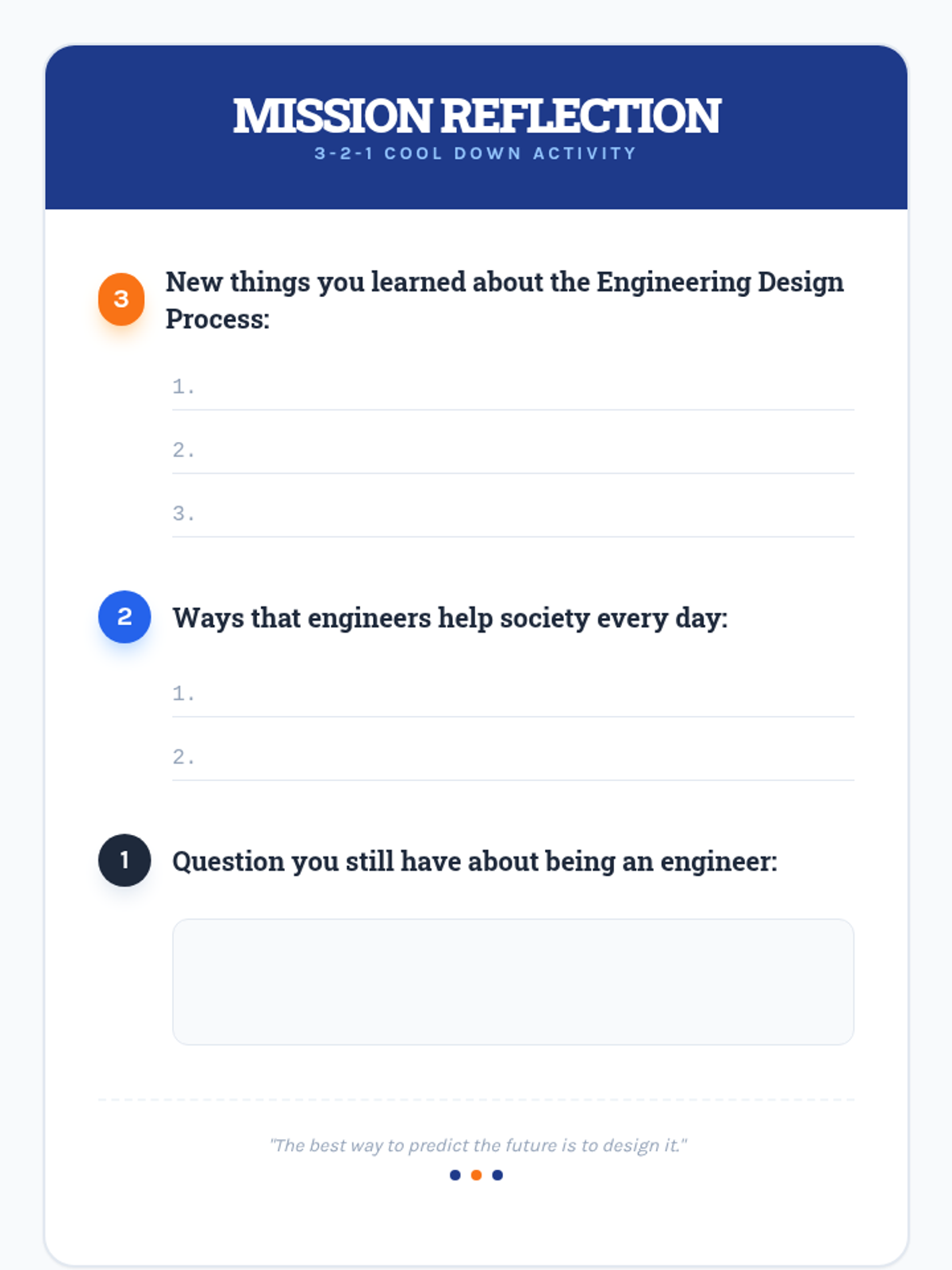
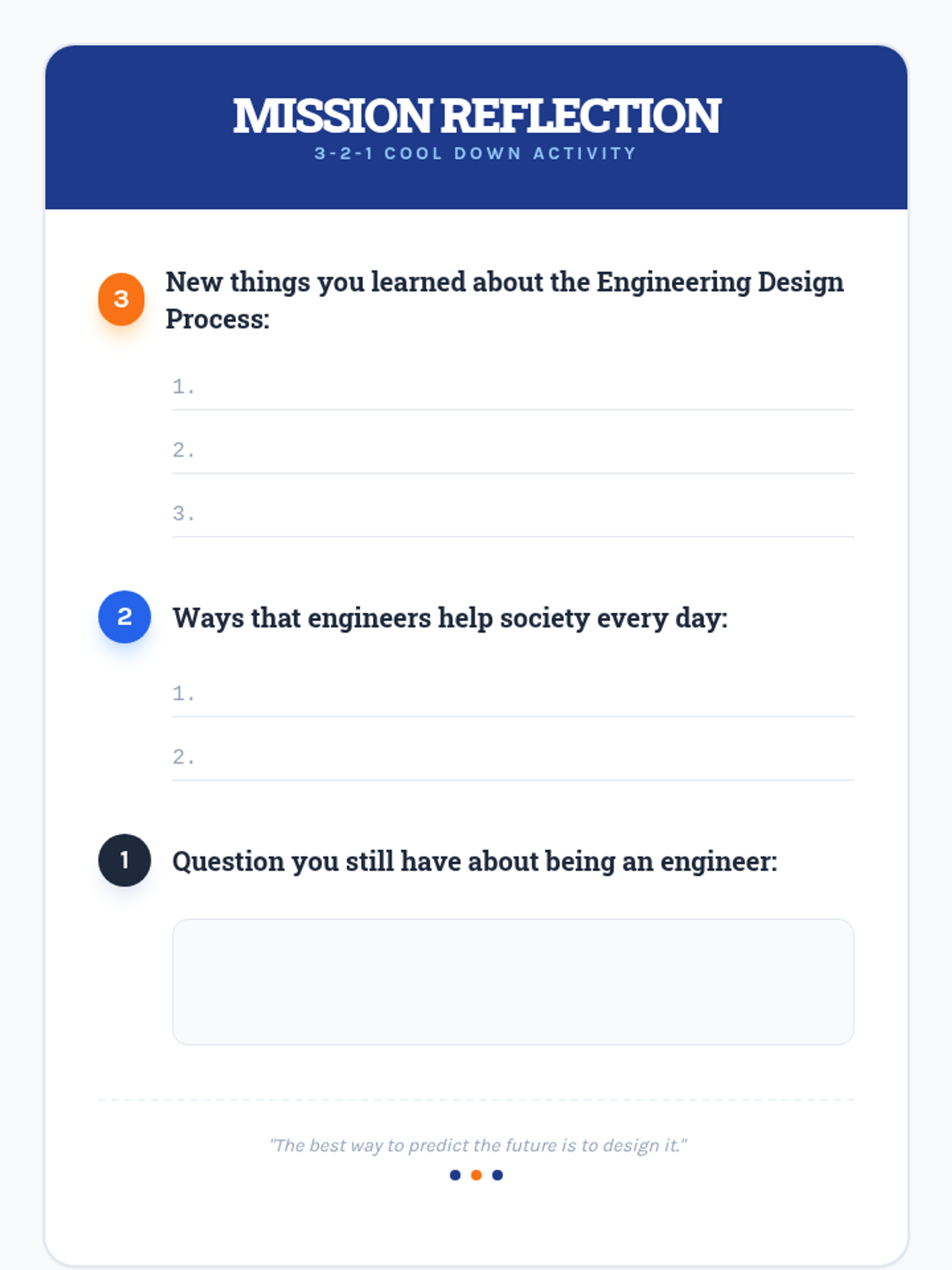
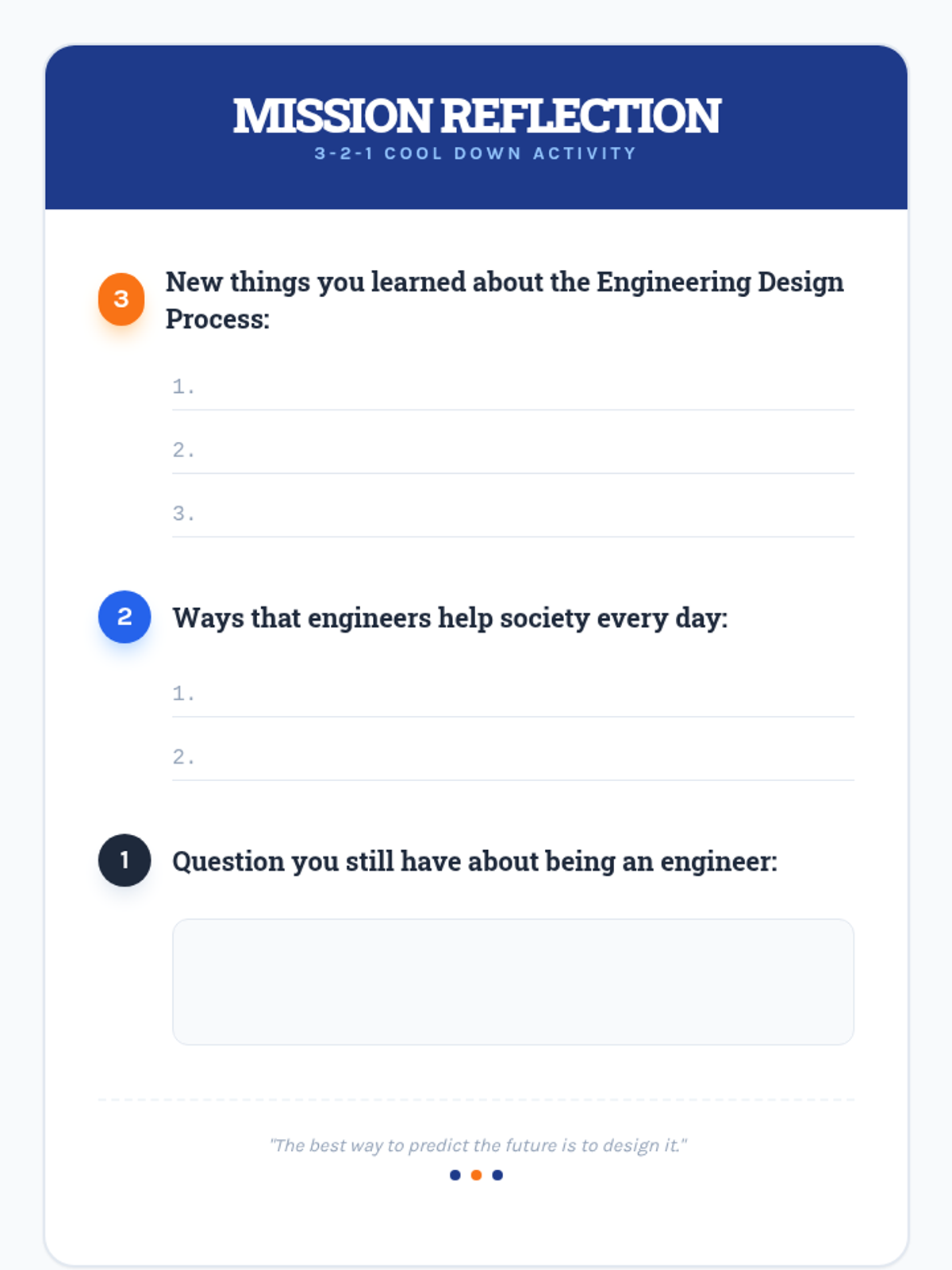
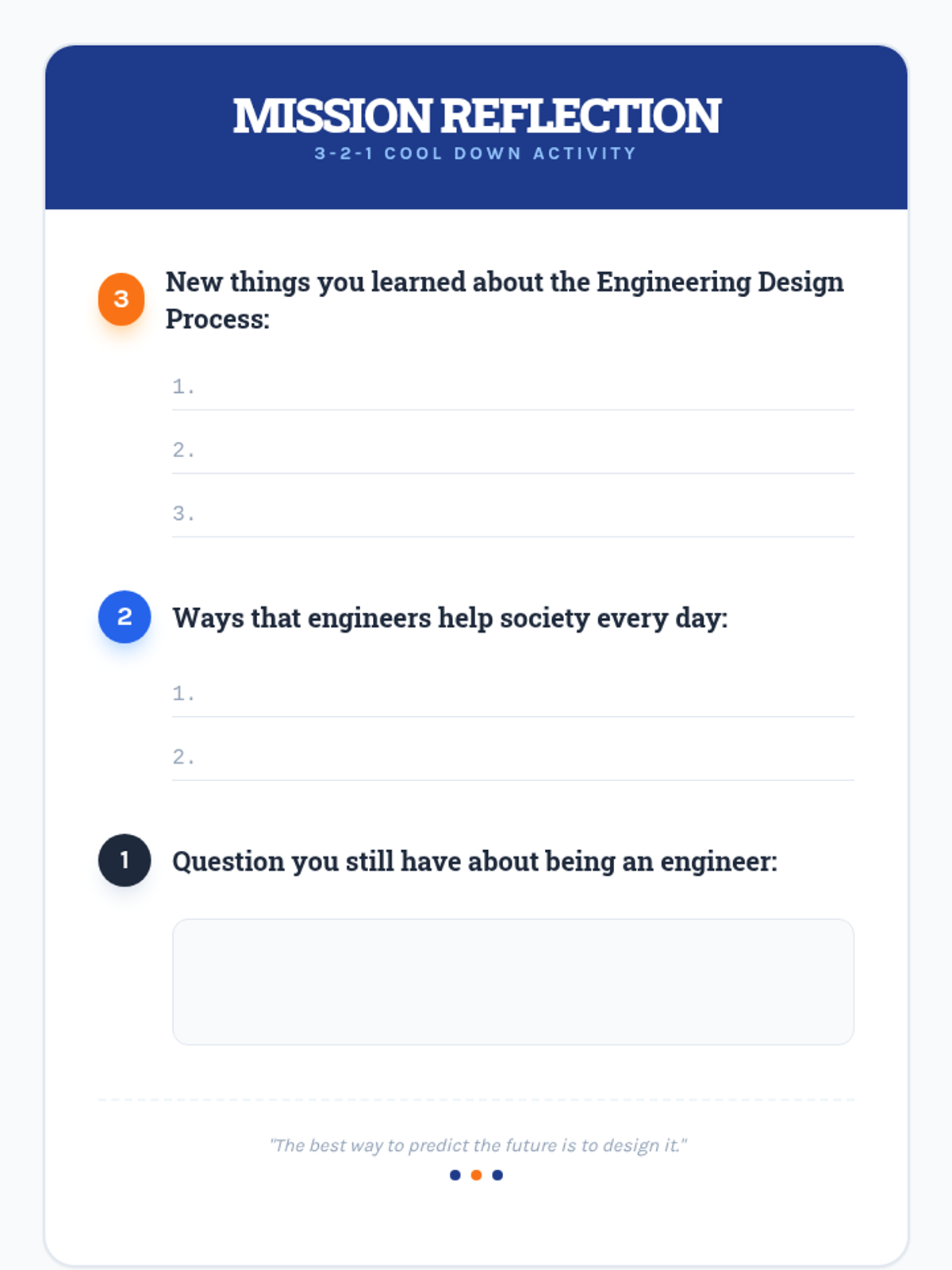
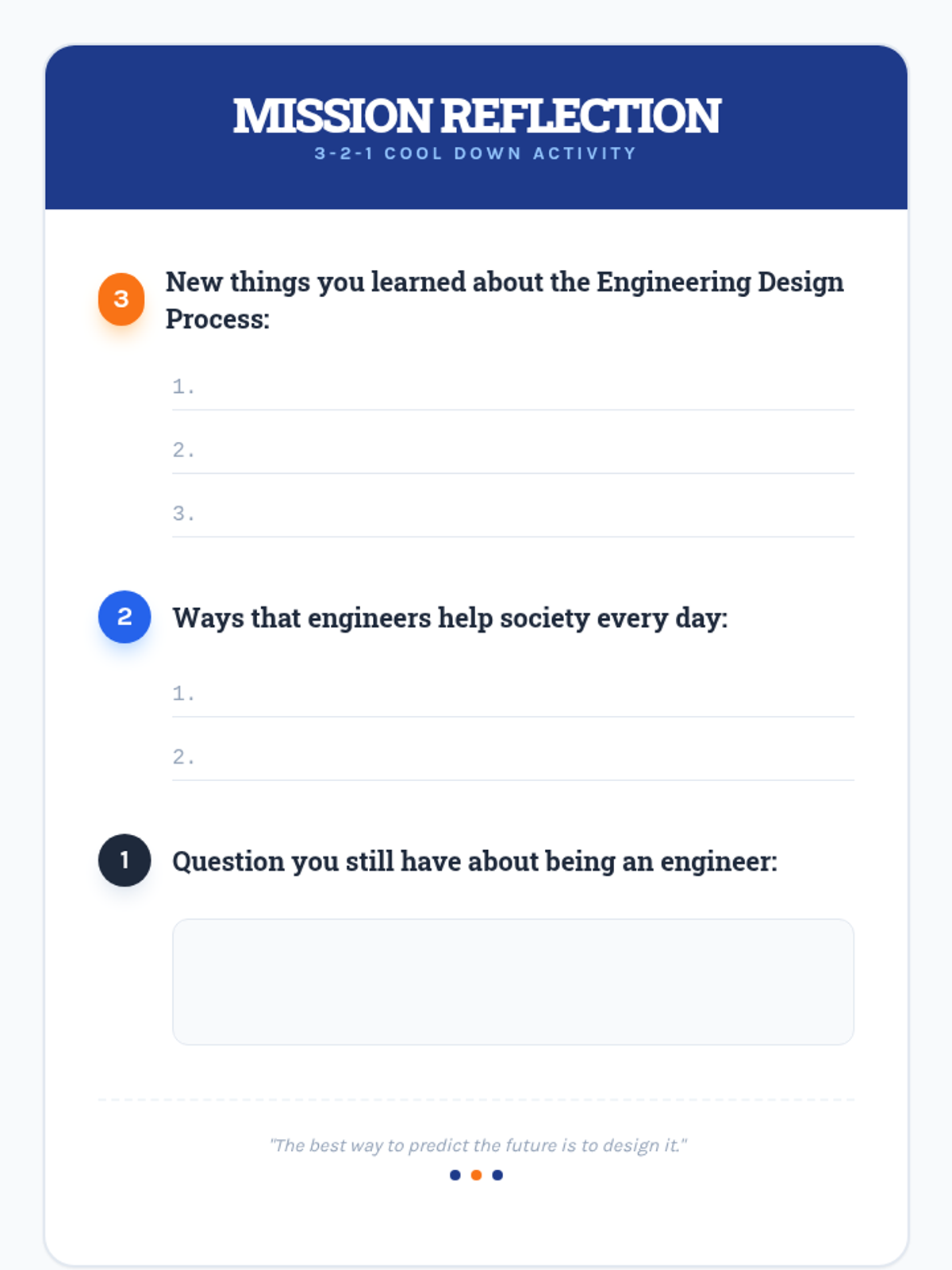
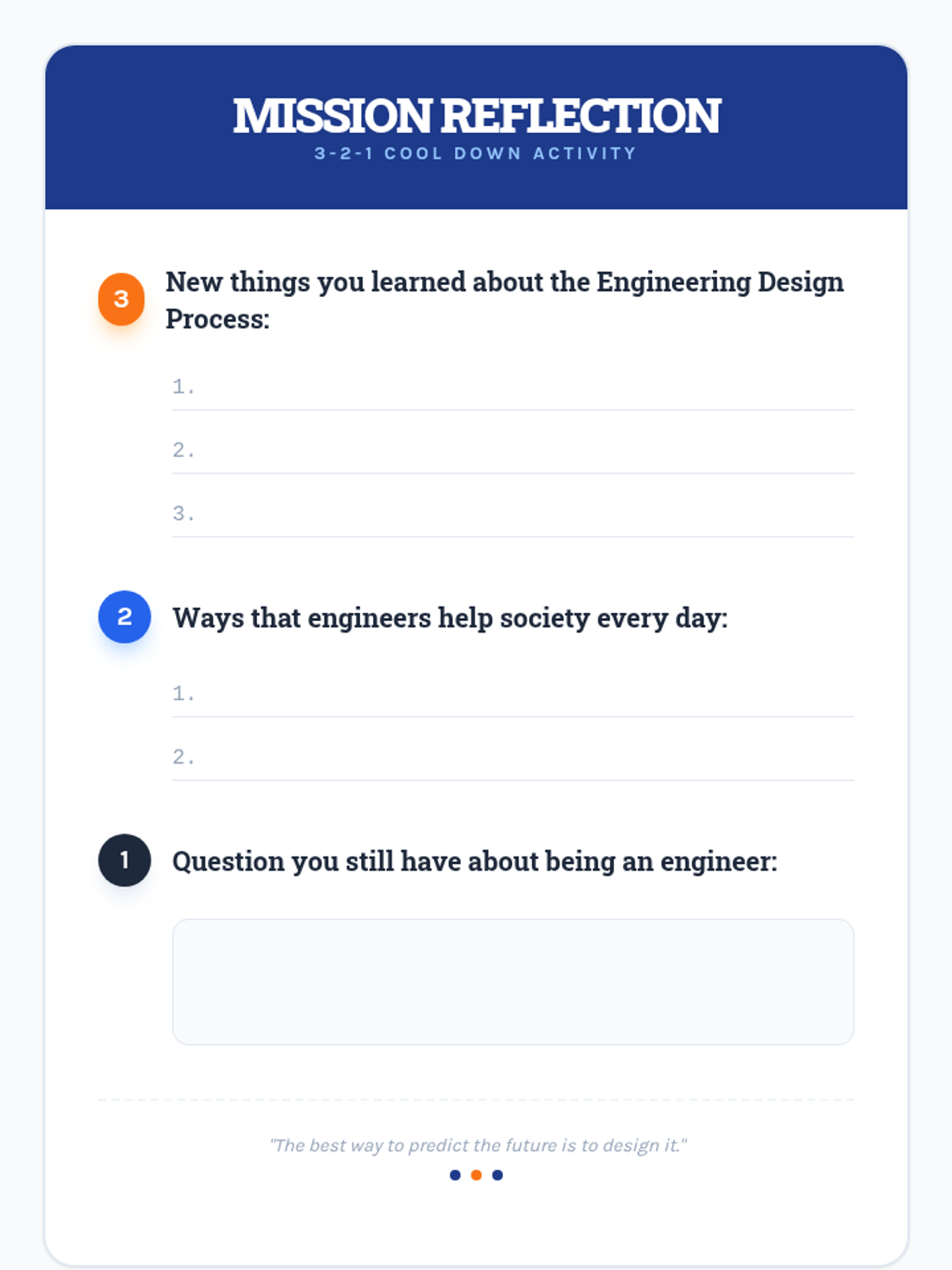
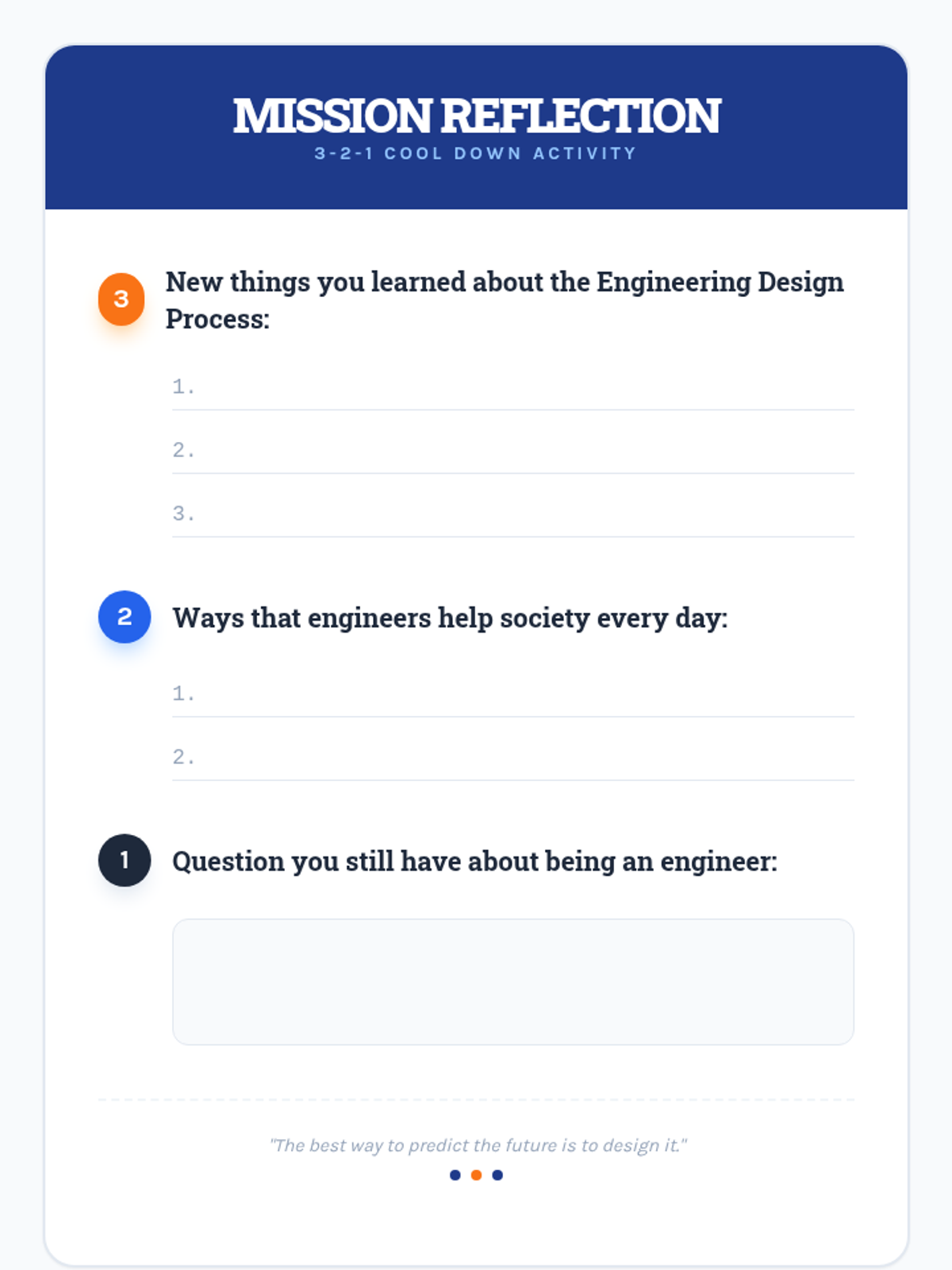
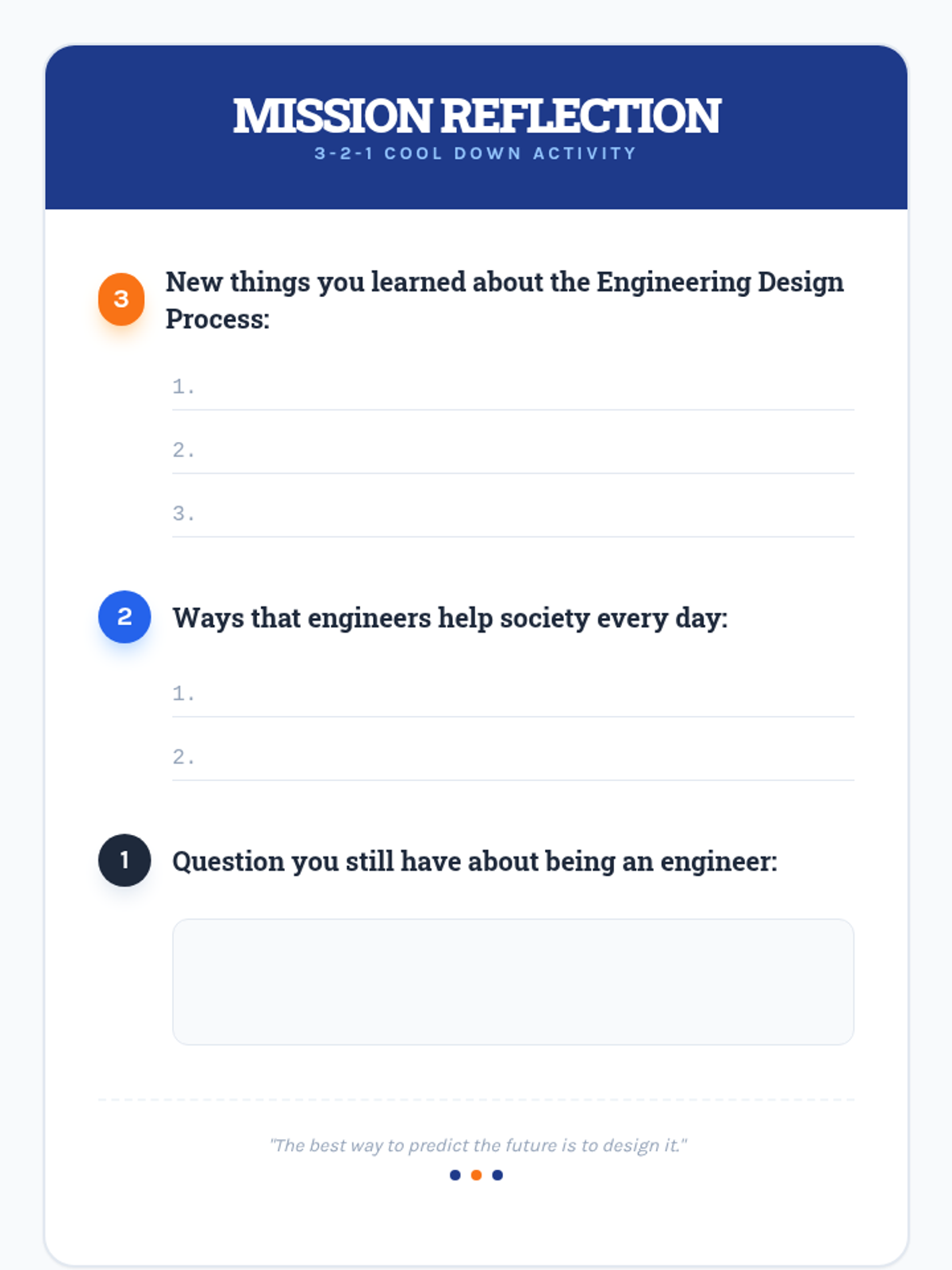
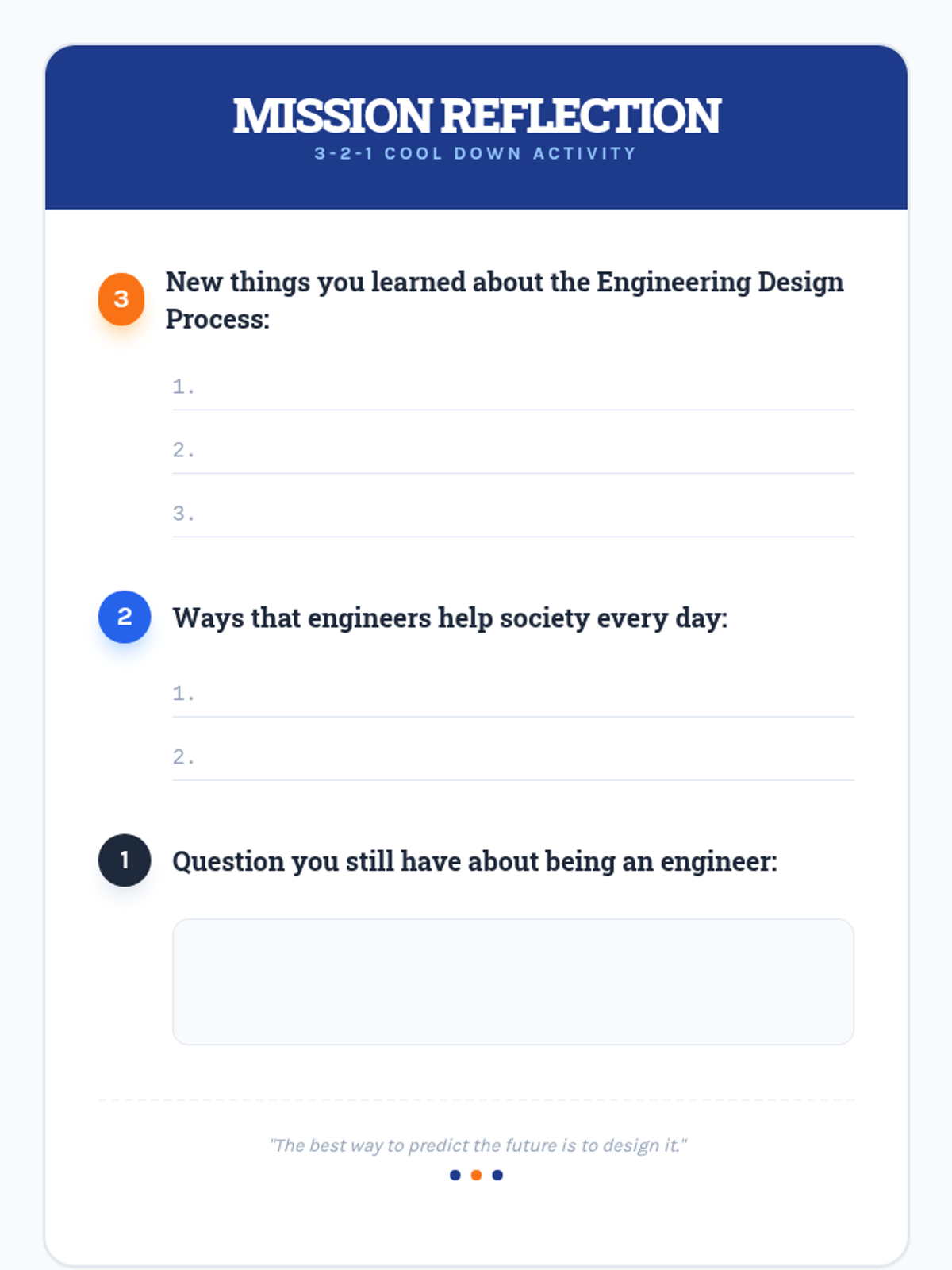
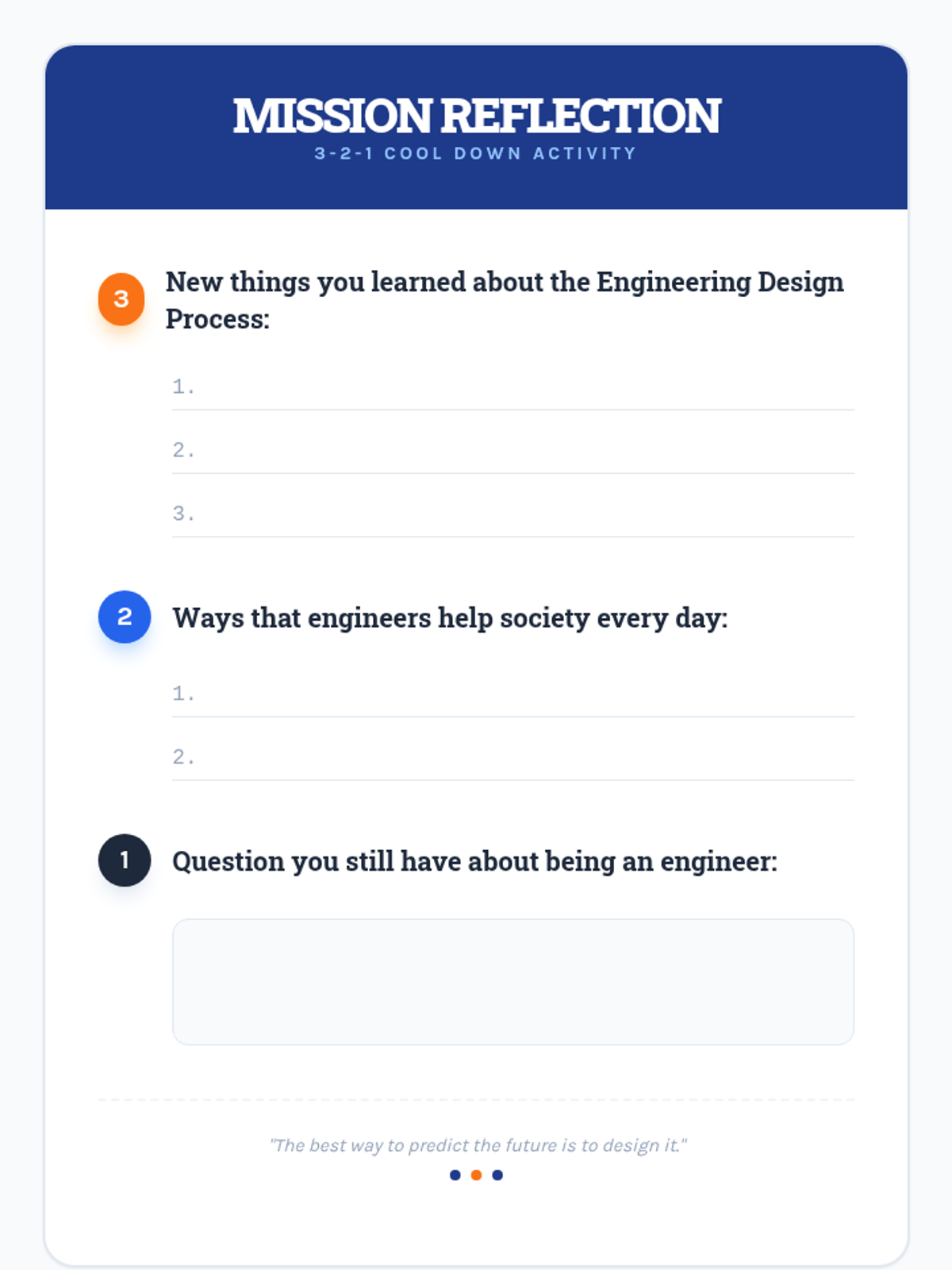
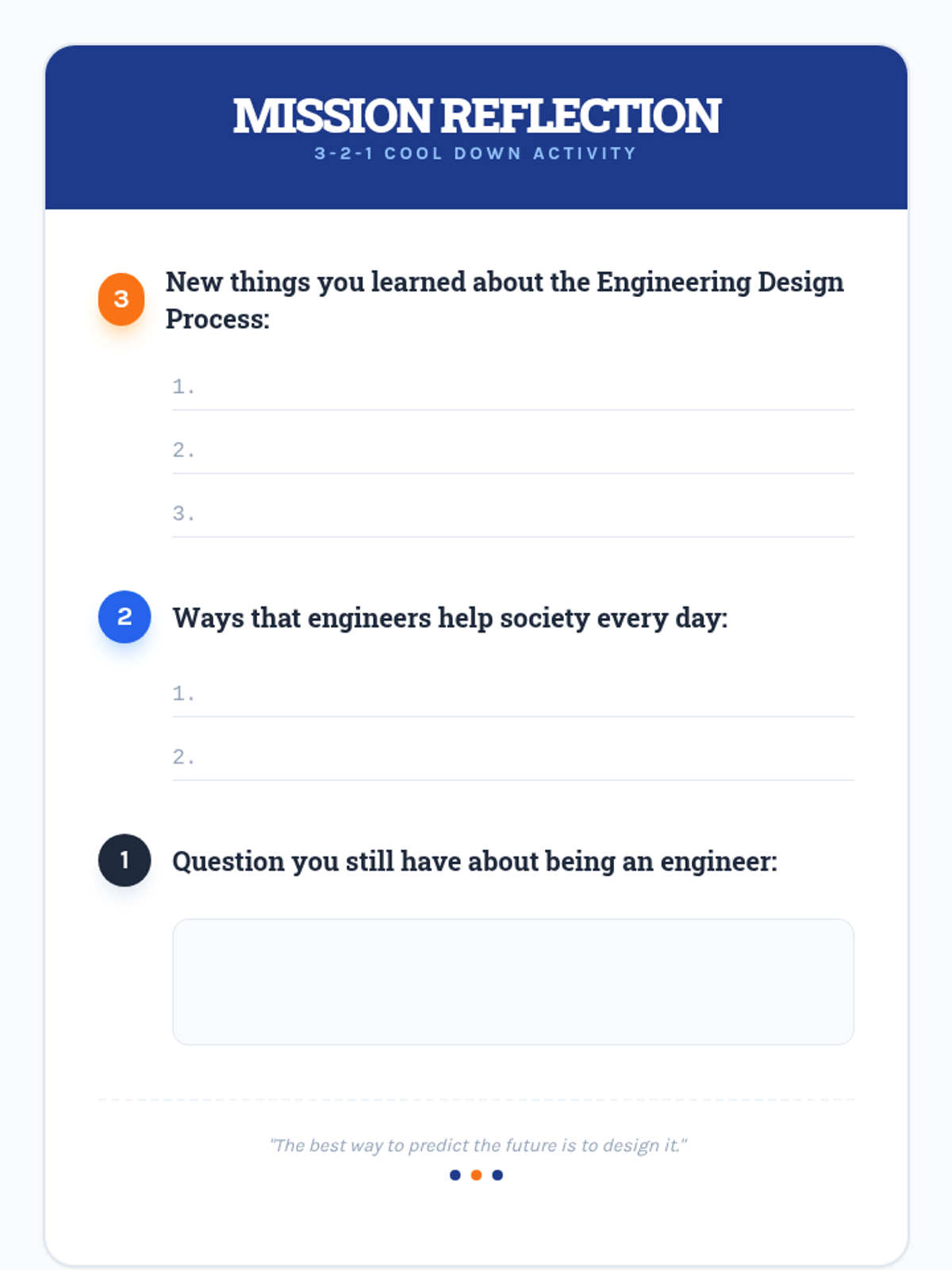
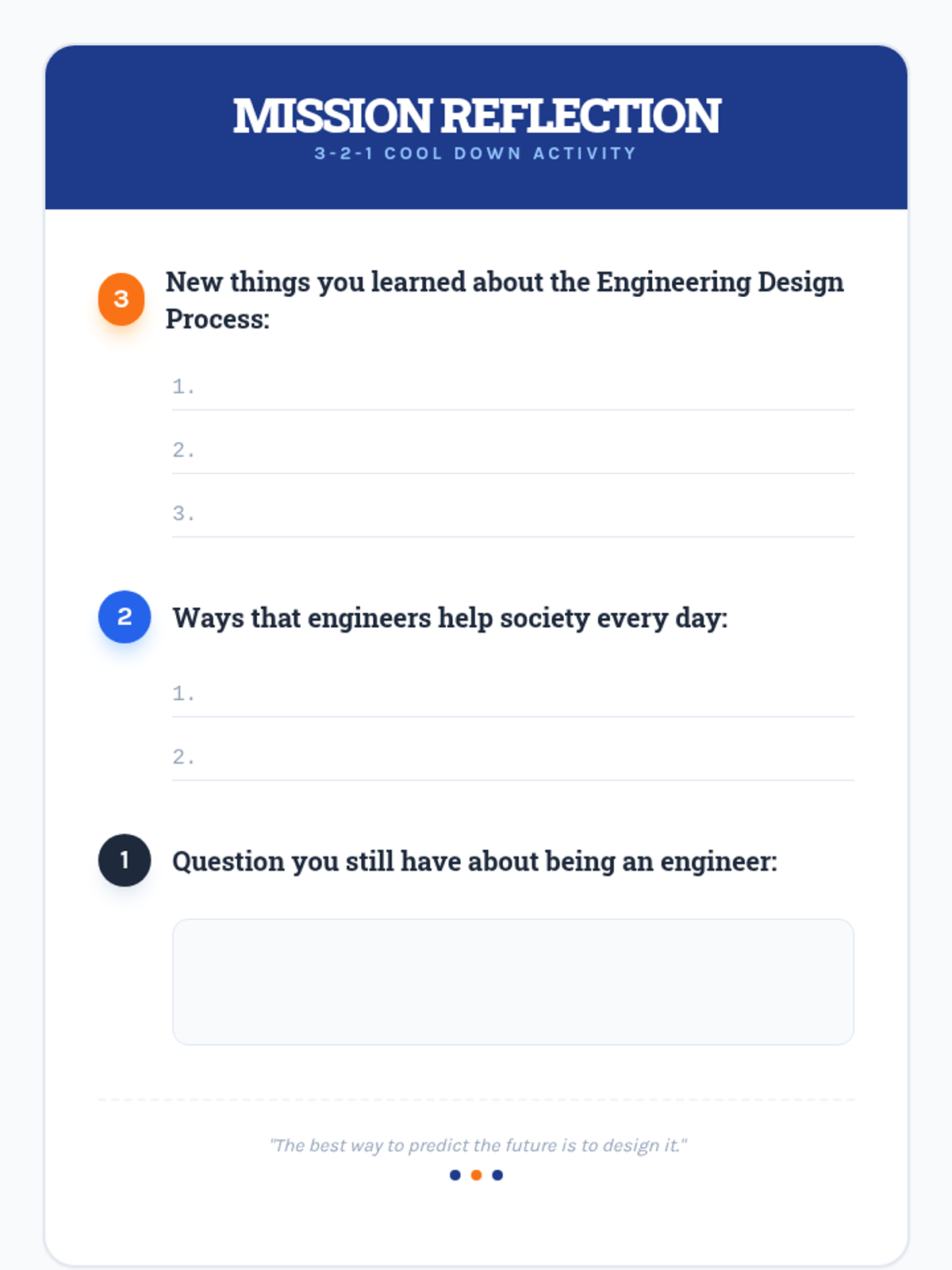
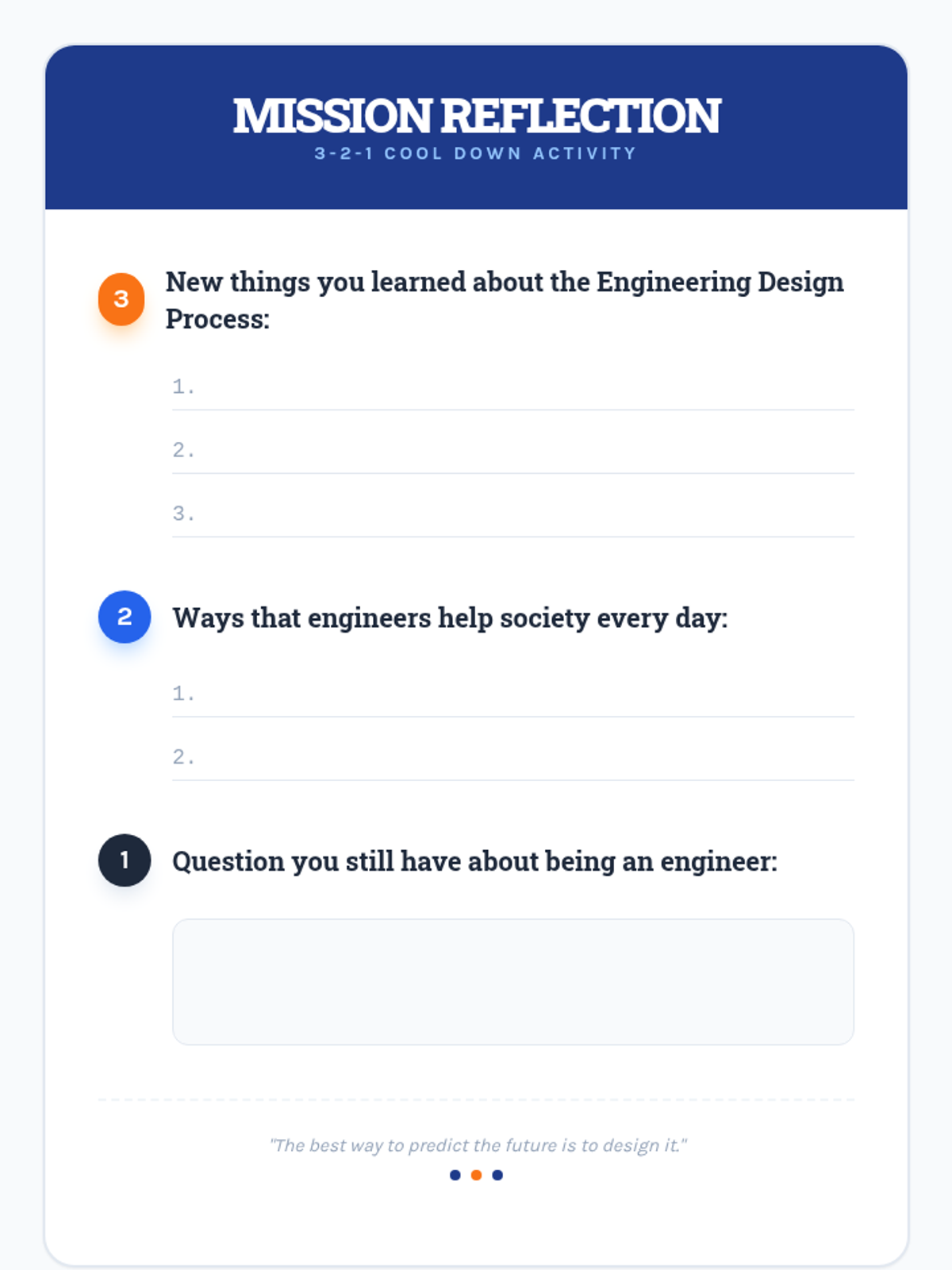
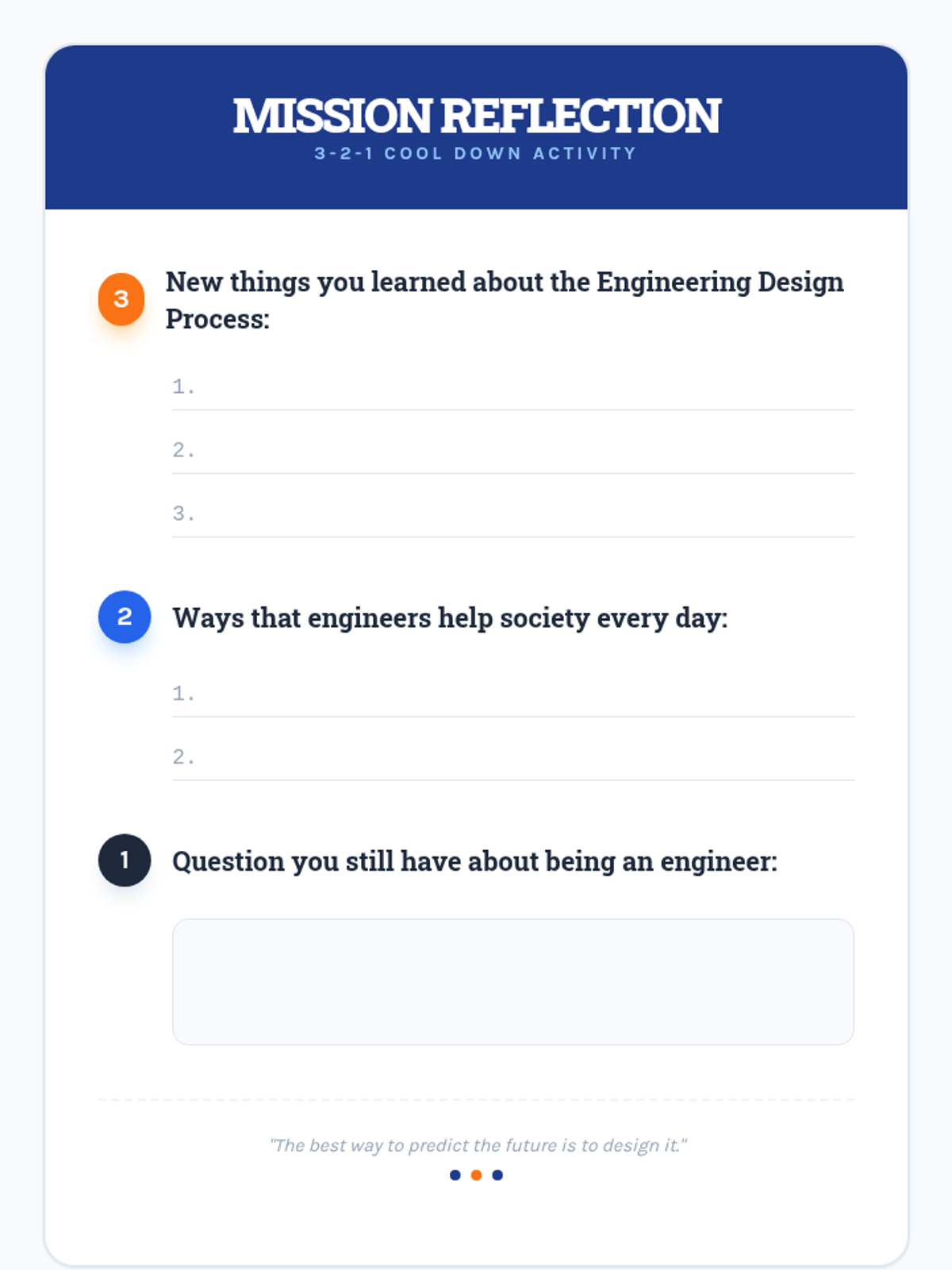
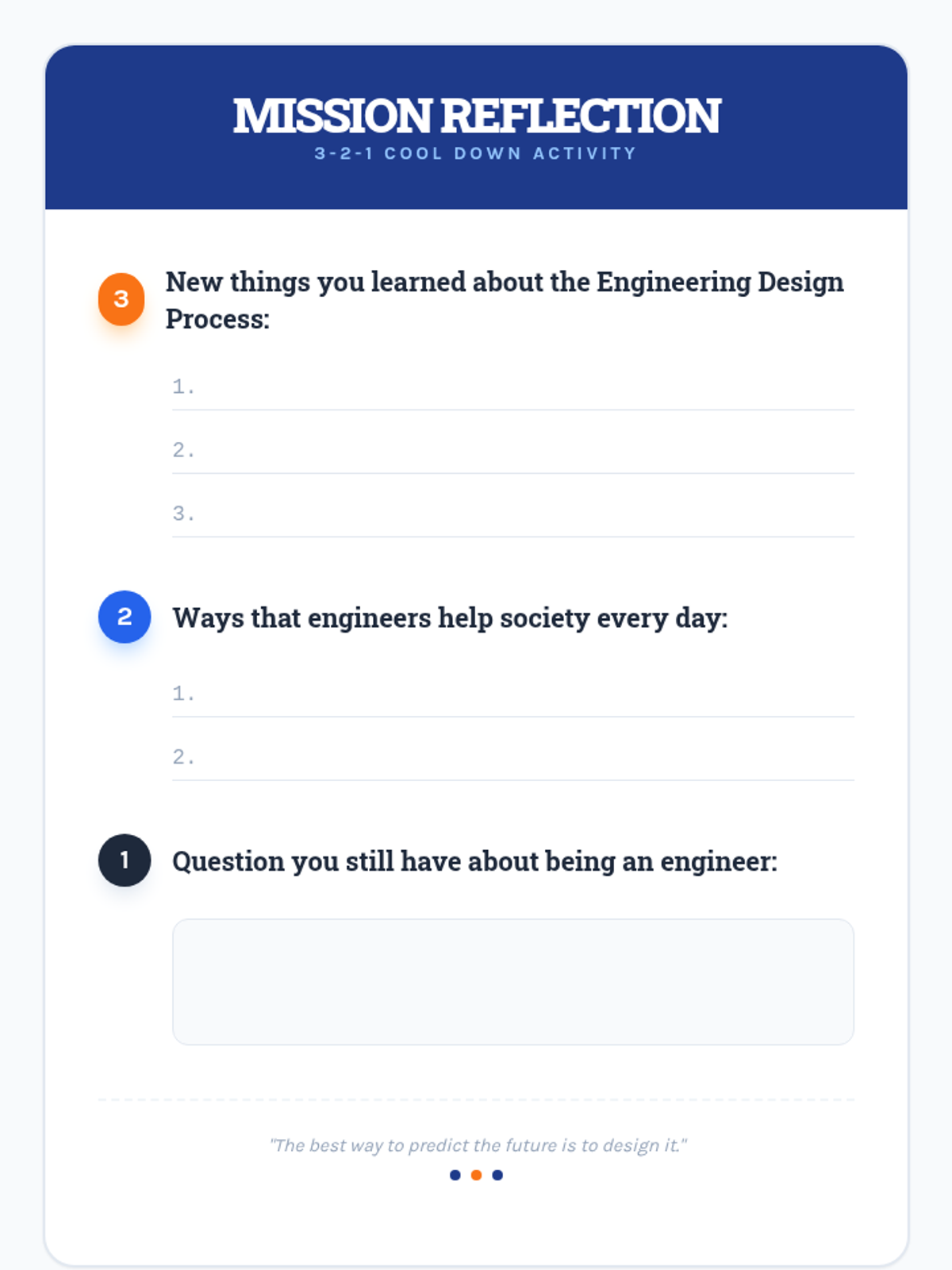
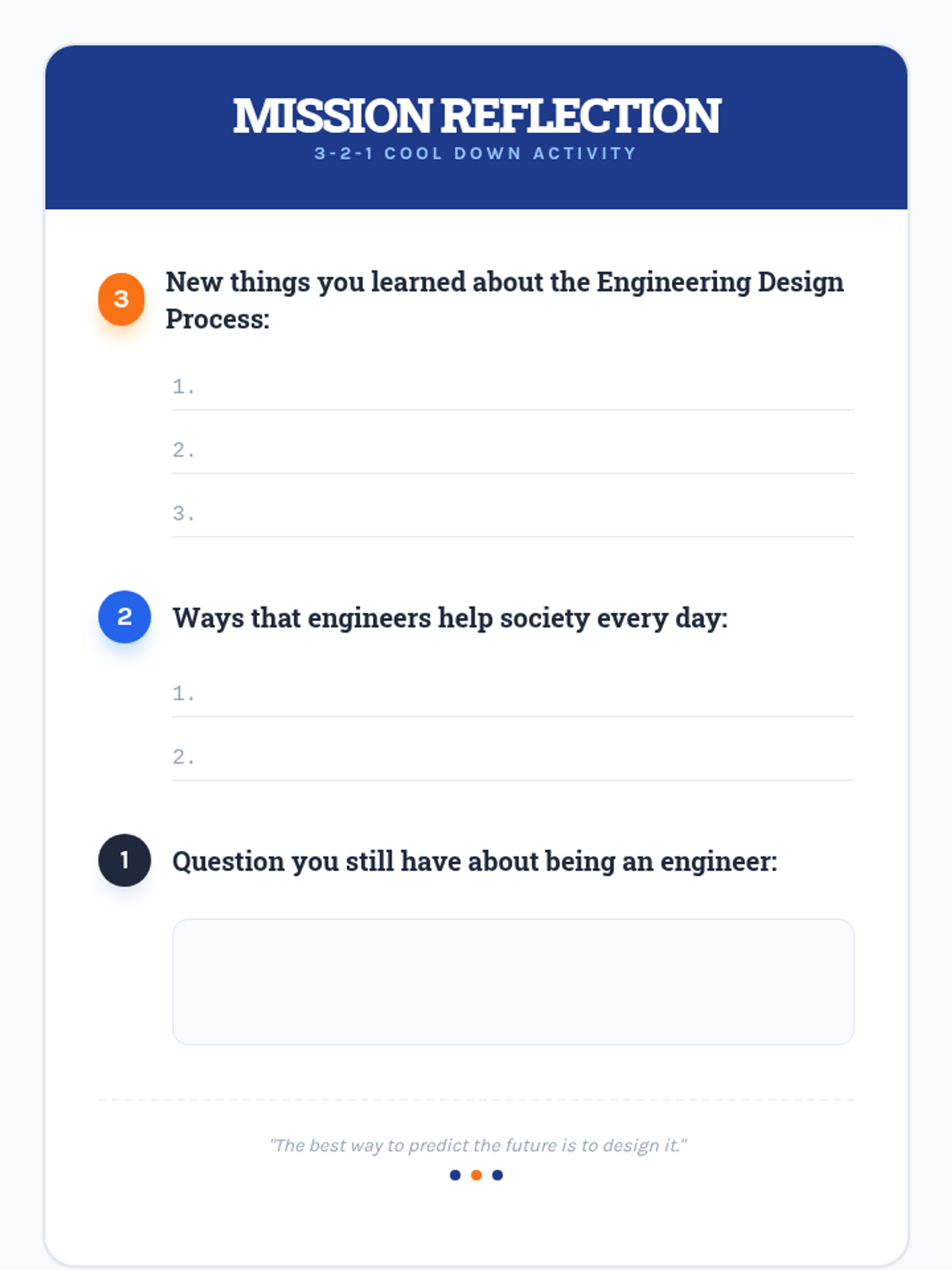
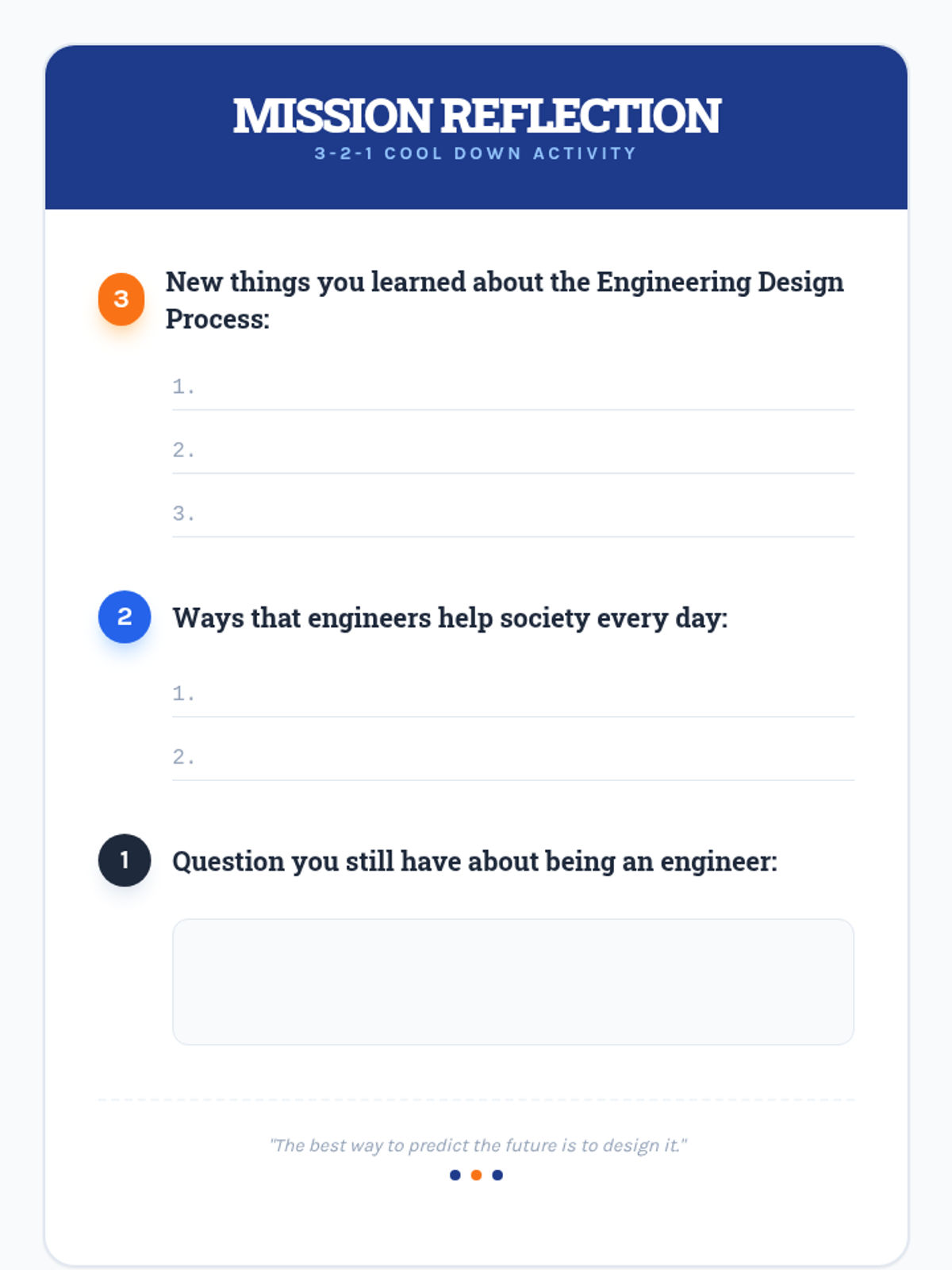
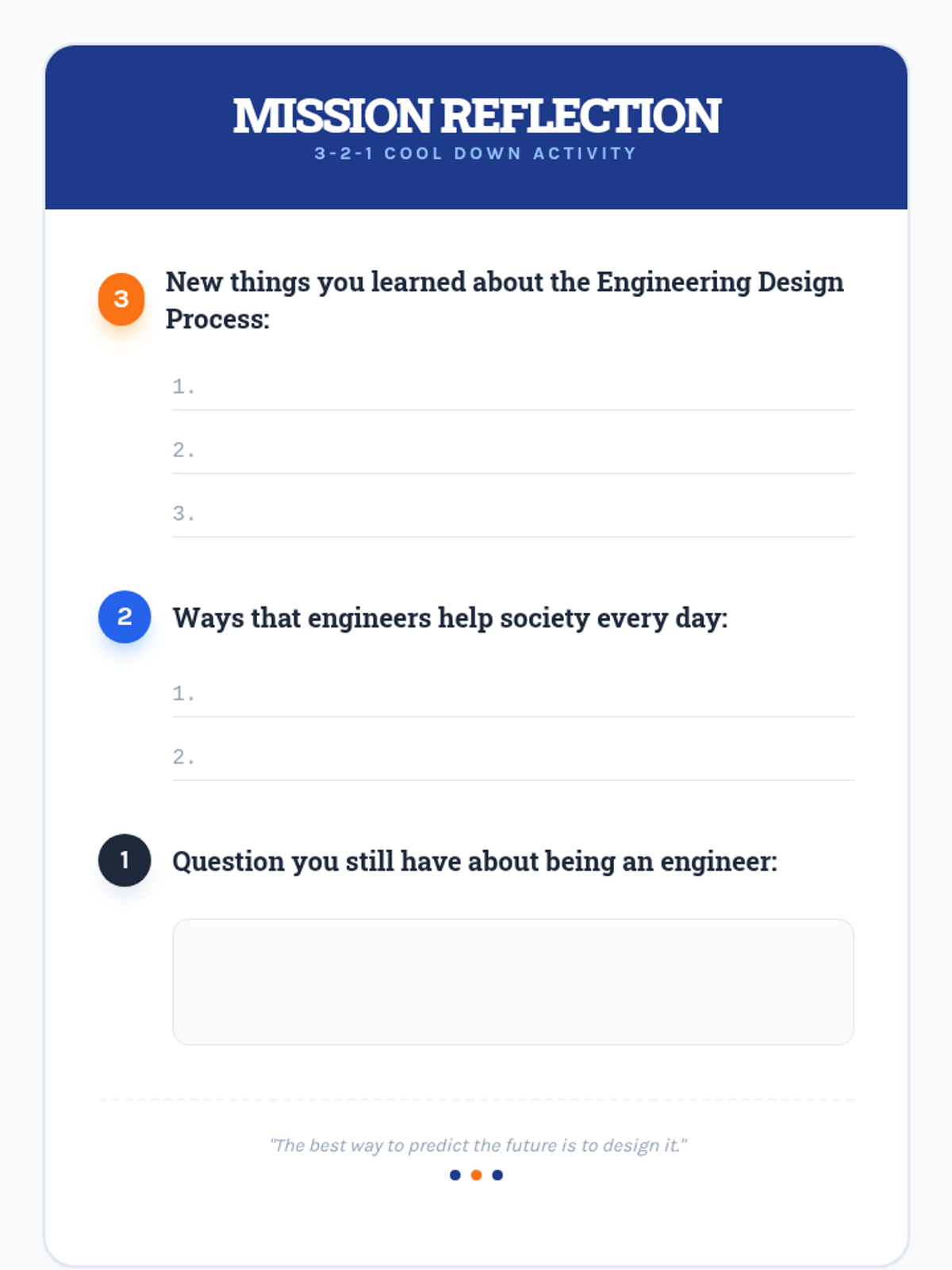
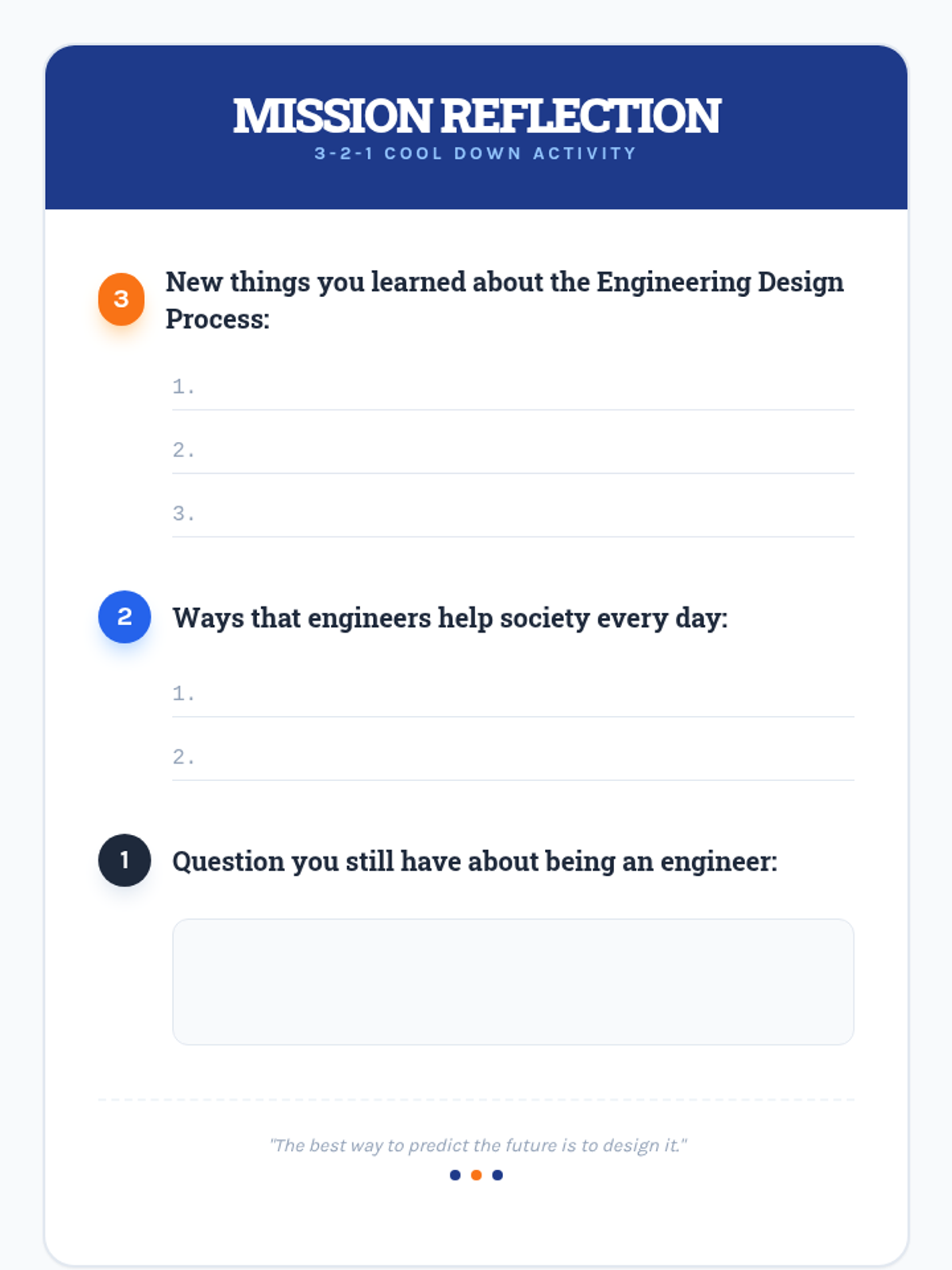
A lesson where 5th-grade students explore the Engineering Design Process (EDP) through hands-on challenges and reflections to understand how engineers solve real-world problems.
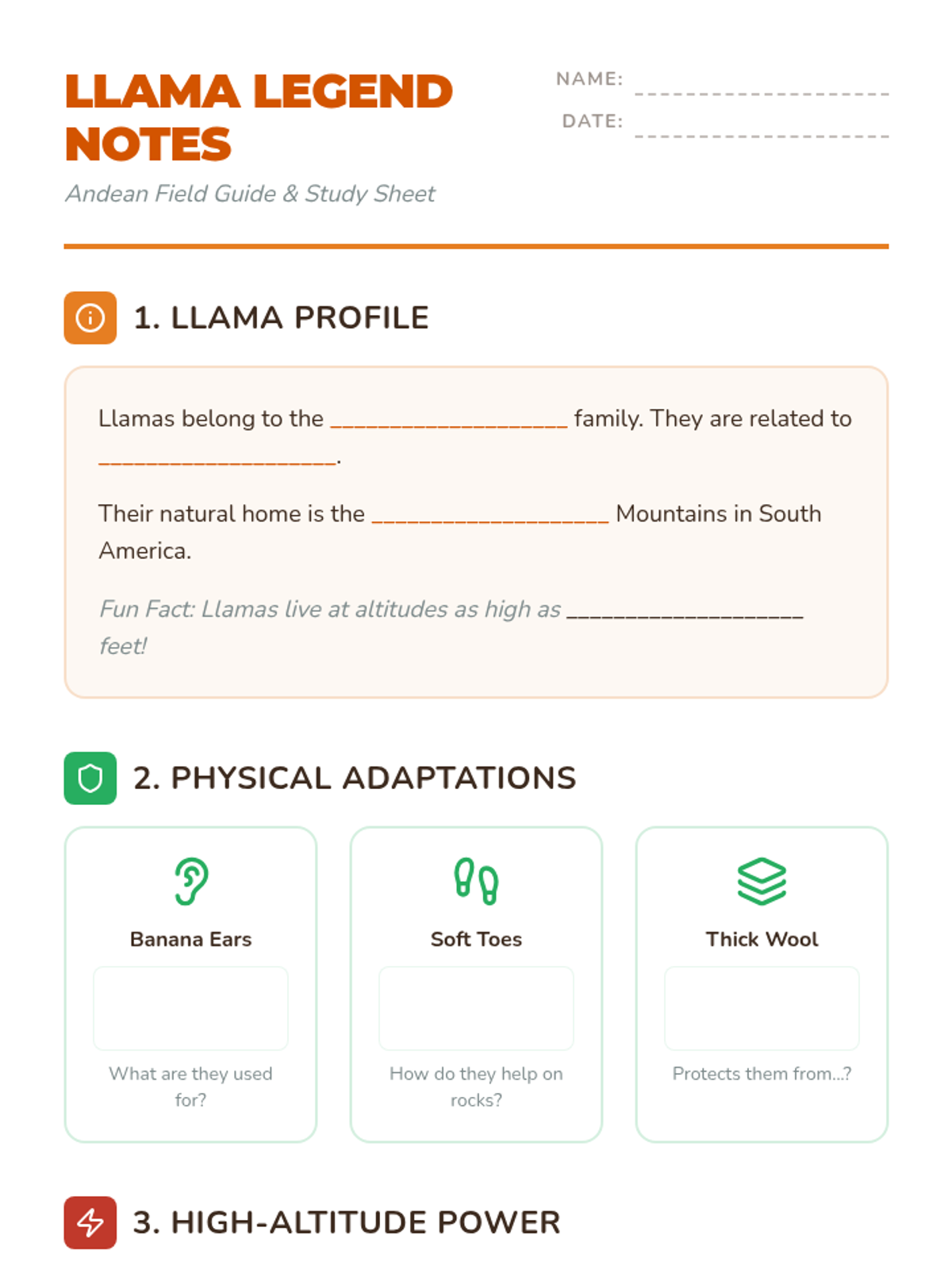
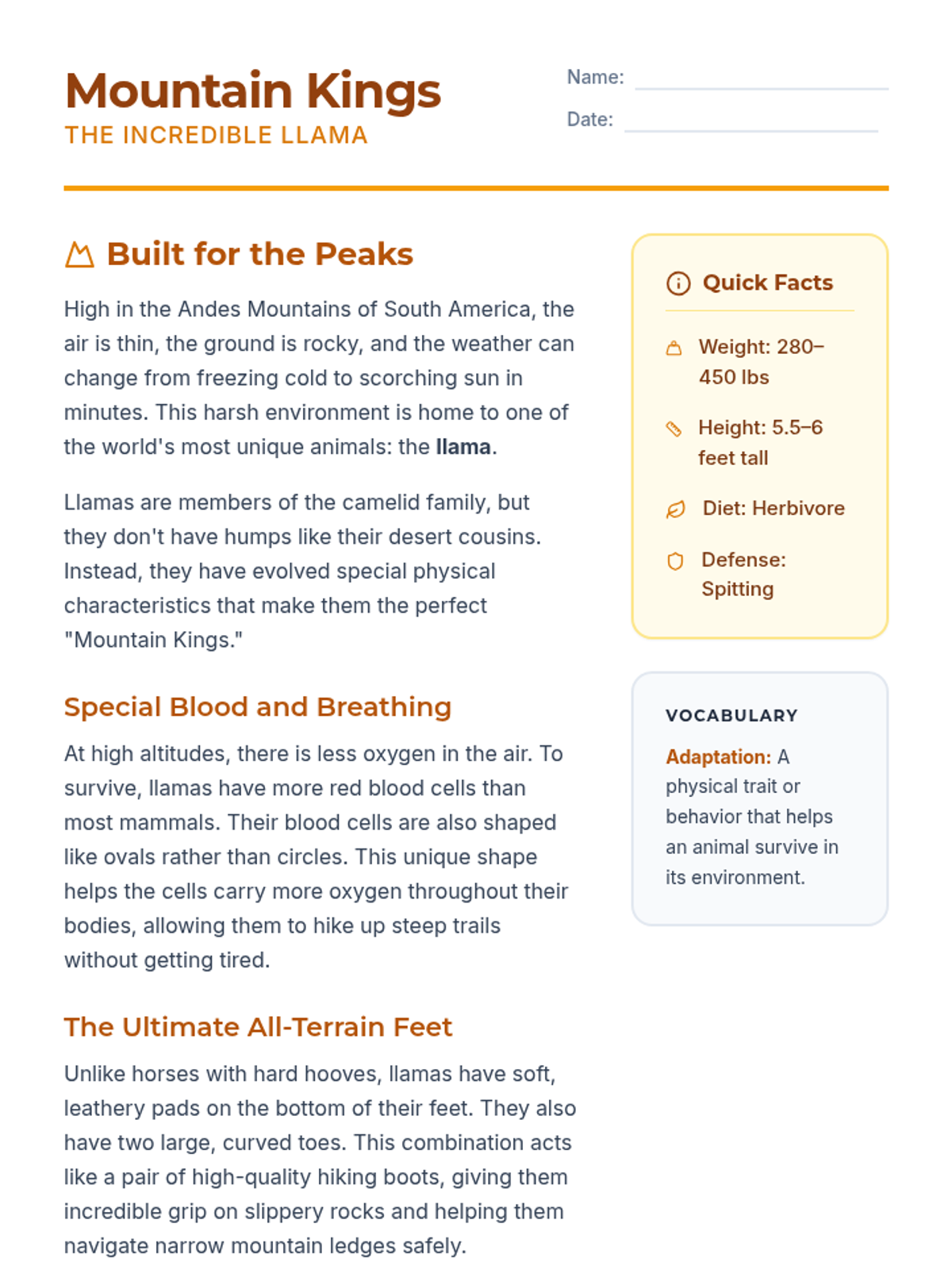
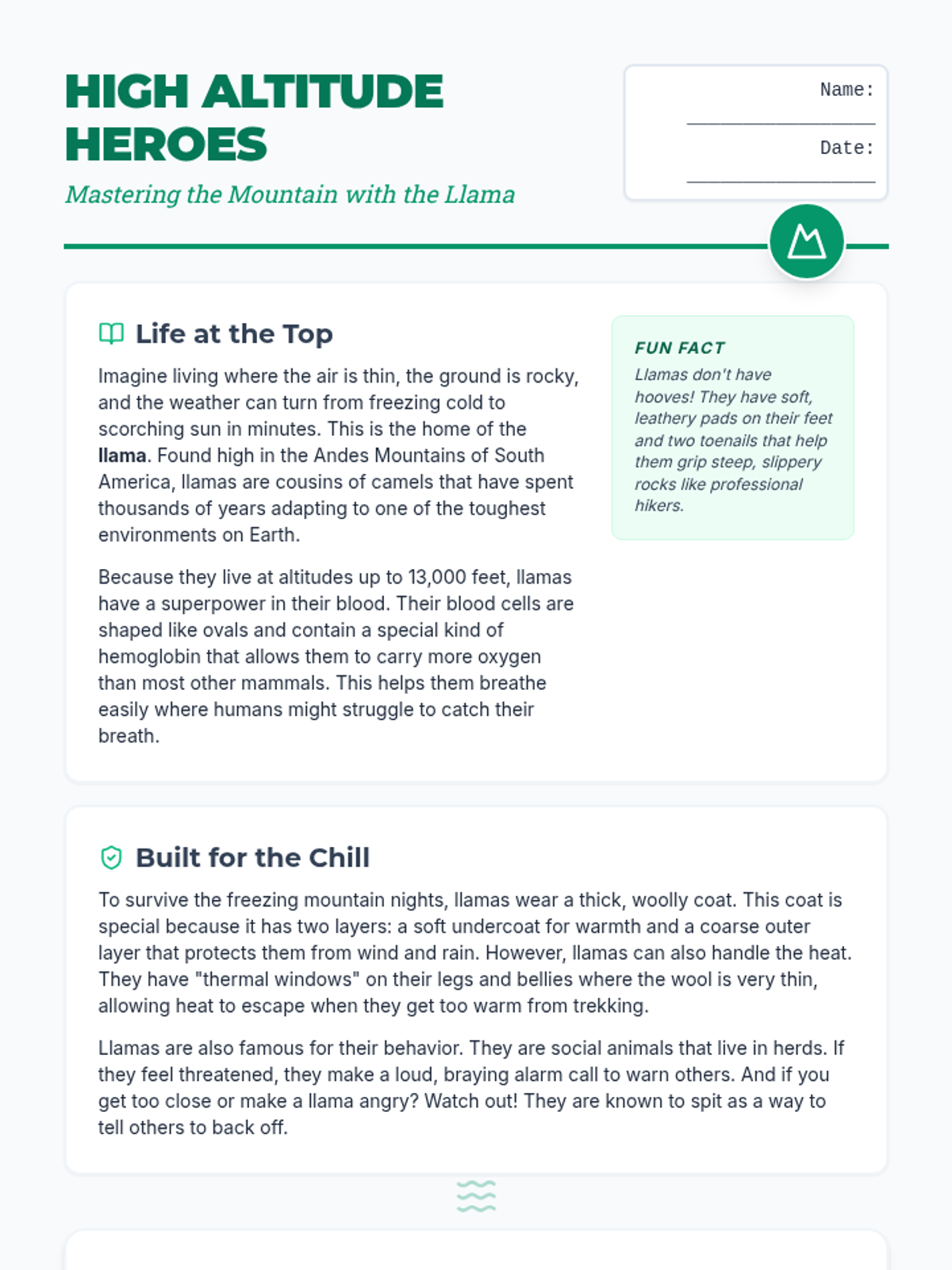
A fun, engaging lesson exploring the unique biology, history, and personality of llamas. Students will learn about their adaptations to high-altitude environments and their importance to Andean culture.
Test lesson for remix-btn
Lesson for studio export and print testing
A lesson exploring the unique characteristics of llamas and how they compare to other camelids and pack animals, focusing on vocabulary and comparative analysis.
In this lesson, students will take on the role of 'Mission Engineers' to explore and apply the Engineering Design Process (EDP). They will learn to identify problems, brainstorm solutions, build prototypes, and iterate on their designs through hands-on challenges.
A hands-on introduction to the Engineering Design Process where students design and prototype a solution to a space-travel problem.
An introduction to the Engineering Design Process (EDP), defining each stage and understanding why engineers use a structured approach.
A fun and engaging lesson exploring where llamas live and what they eat, featuring a reading passage and a comprehension worksheet.
The final stage where students test their designs, collect data, and identify specific improvements for their next iteration.
Students learn the 'Plan' and 'Create' phases, focusing on blueprinting and building functional prototypes using limited materials.
Focuses on the 'Ask' and 'Imagine' phases, where students research user needs and brainstorm creative solutions without judgment.
In this lesson, students will take on the role of 'Flight Engineers' to explore the Engineering Design Process (EDP) through the lens of space exploration. They will move through the stages of Ask, Imagine, Plan, Create, and Improve while tackling a hands-on landing capsule challenge.
A comprehensive lesson on the water cycle, covering evaporation, condensation, precipitation, and collection through visual aids, interactive experiments, and practice.
A hands-on introduction to the Engineering Design Process where students act as aerospace engineers to solve a landing challenge.
A comprehensive introduction to the Engineering Design Process (EDP), guiding students through identifying problems, brainstorming solutions, and testing prototypes.
A fun and engaging introductory lesson for primary students to explore the basics of plant biology, including parts of a plant and what they need to grow.
Students build prototypes and conduct iterative testing to refine their designs based on performance data.
Students define a problem, research constraints, and brainstorm creative solutions using the first steps of the engineering design process.
A lesson focusing on the fundamental principles of Mendelian genetics, including Punnett squares and the laws of inheritance.
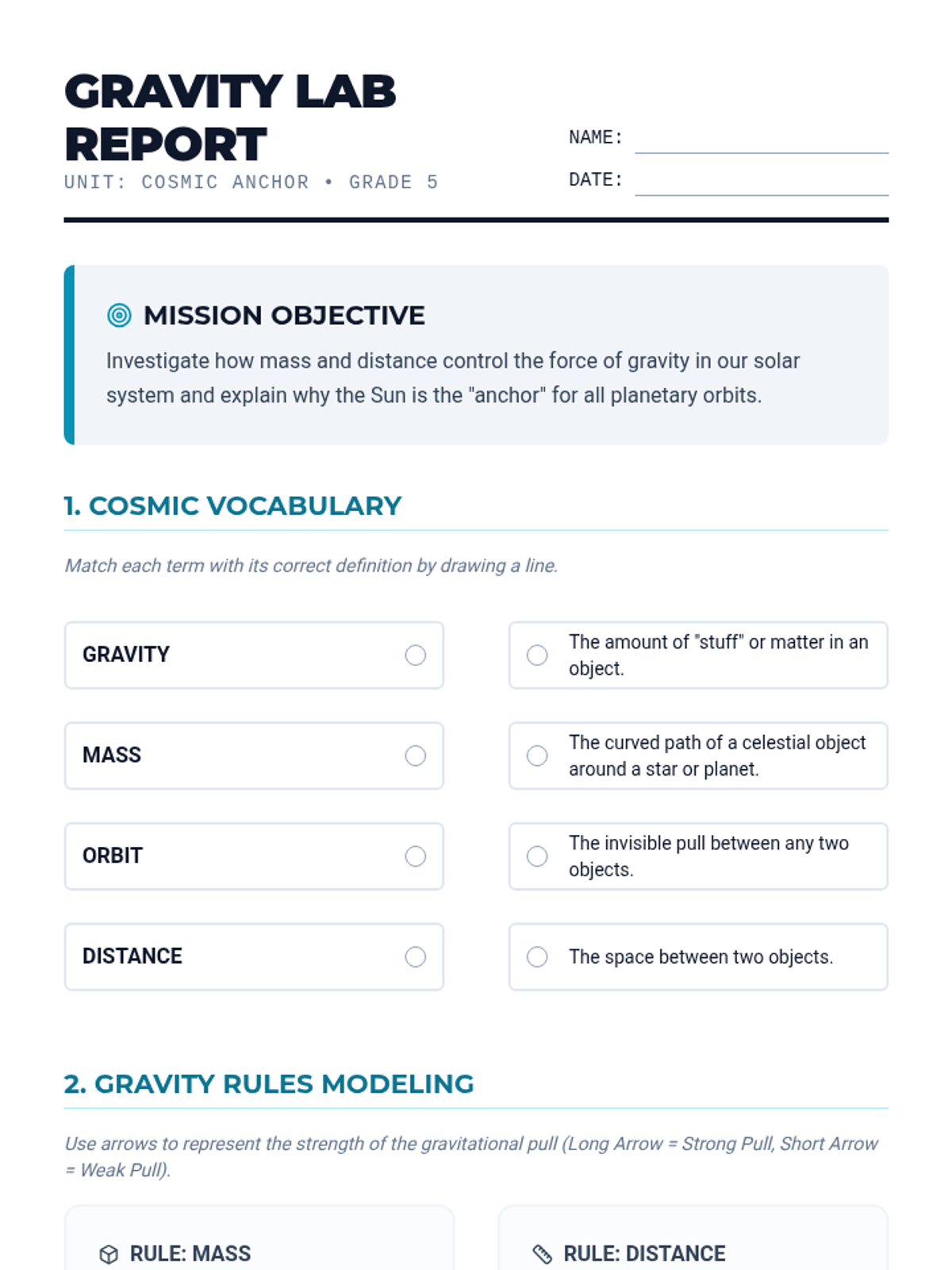
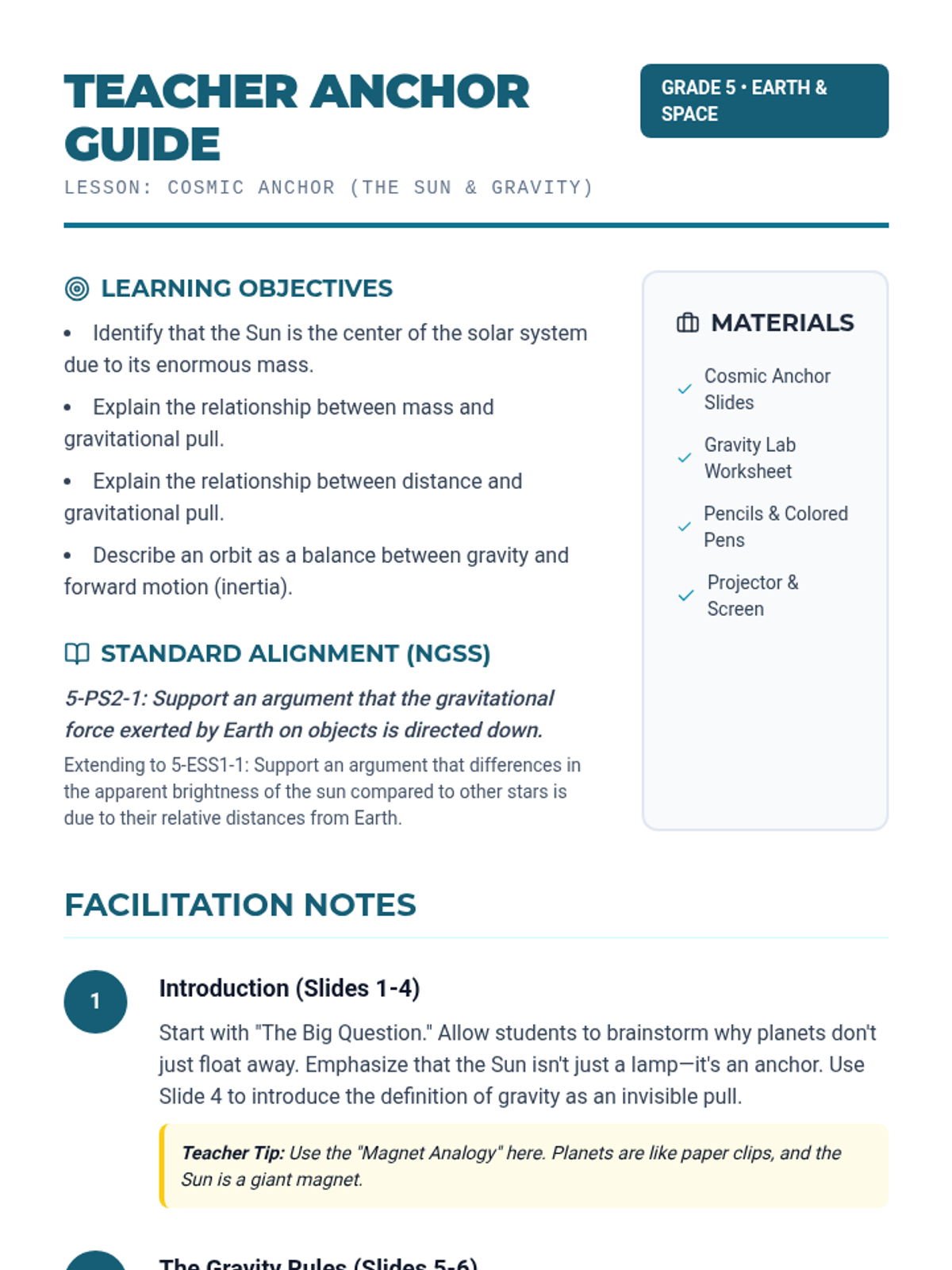
Students investigate the unseen pull of gravity and how it shapes the universe and our daily lives.
Discovering the invisible fields of magnets and how they interact with various materials.
Exploring how different surfaces create resistance and how friction affects speed and heat.
In this lesson, students will take on the role of 'Flight Engineers' to explore the Engineering Design Process (EDP). They will engage with the iterative stages of Ask, Imagine, Plan, Create, and Improve through a hands-on aerospace challenge.
Students will be introduced to the steps of the Engineering Design Process (EDP) and apply them to a simple bridge-building challenge using everyday materials.
Students learn about the Engineering Design Process (EDP) and apply it to build a shock-absorbing lander that protects two 'astronaut' marshmallows.
Students will build a low-fidelity prototype and conduct iterative testing to refine their designs based on user feedback.
Students will learn brainstorming techniques and how to evaluate potential solutions using a criteria matrix.
The capstone project where students apply all three laws to design a marble roller coaster, calculating energy shifts and force requirements for a safe, thrilling ride.
An investigation into Newton's Third Law (Action/Reaction) and conservation of momentum using collision sports like soccer and hockey as models.
Students explore Newton's First Law (Inertia) through extreme sports examples like skateboarding and snowboarding, understanding how objects resist changes in motion.
In this lesson, students will take on the role of 'Mission Engineers' to explore the Engineering Design Process (EDP). They will learn to identify problems, brainstorm solutions, build prototypes, and iterate on their designs through hands-on challenges.
In this lesson, students will take on the role of 'Flight Engineers' to explore and apply the Engineering Design Process (EDP) to solve a aerospace-themed challenge.
In this lesson, students will take on the role of 'Chief Engineers' to explore the Engineering Design Process (EDP). Through hands-on challenges and collaborative problem-solving, they will learn to define problems, brainstorm solutions, create prototypes, and iterate on their designs.