Instructional slides for Lesson 2 covering startup costs, revenue vs. profit, and hourly vs. flat-fee pricing strategies.
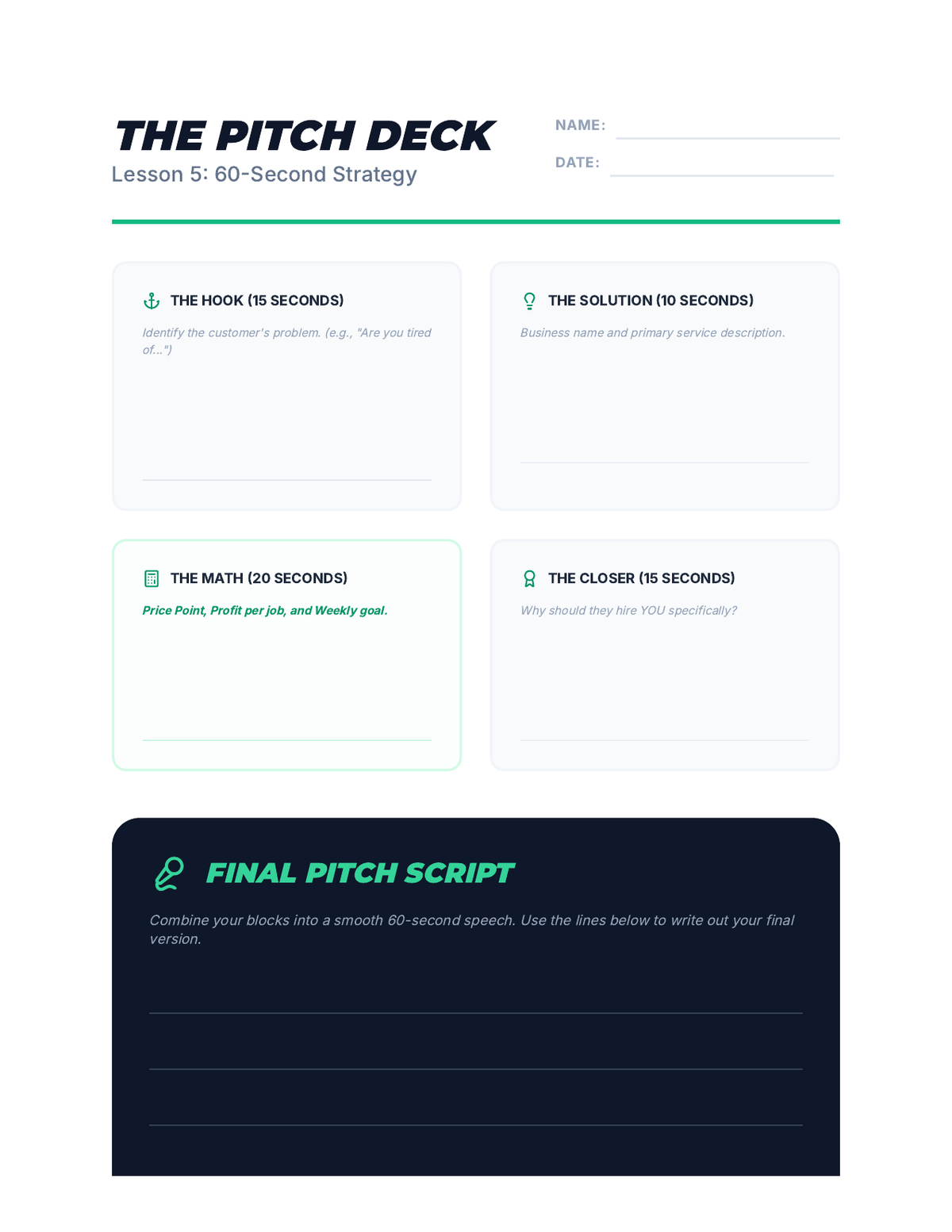
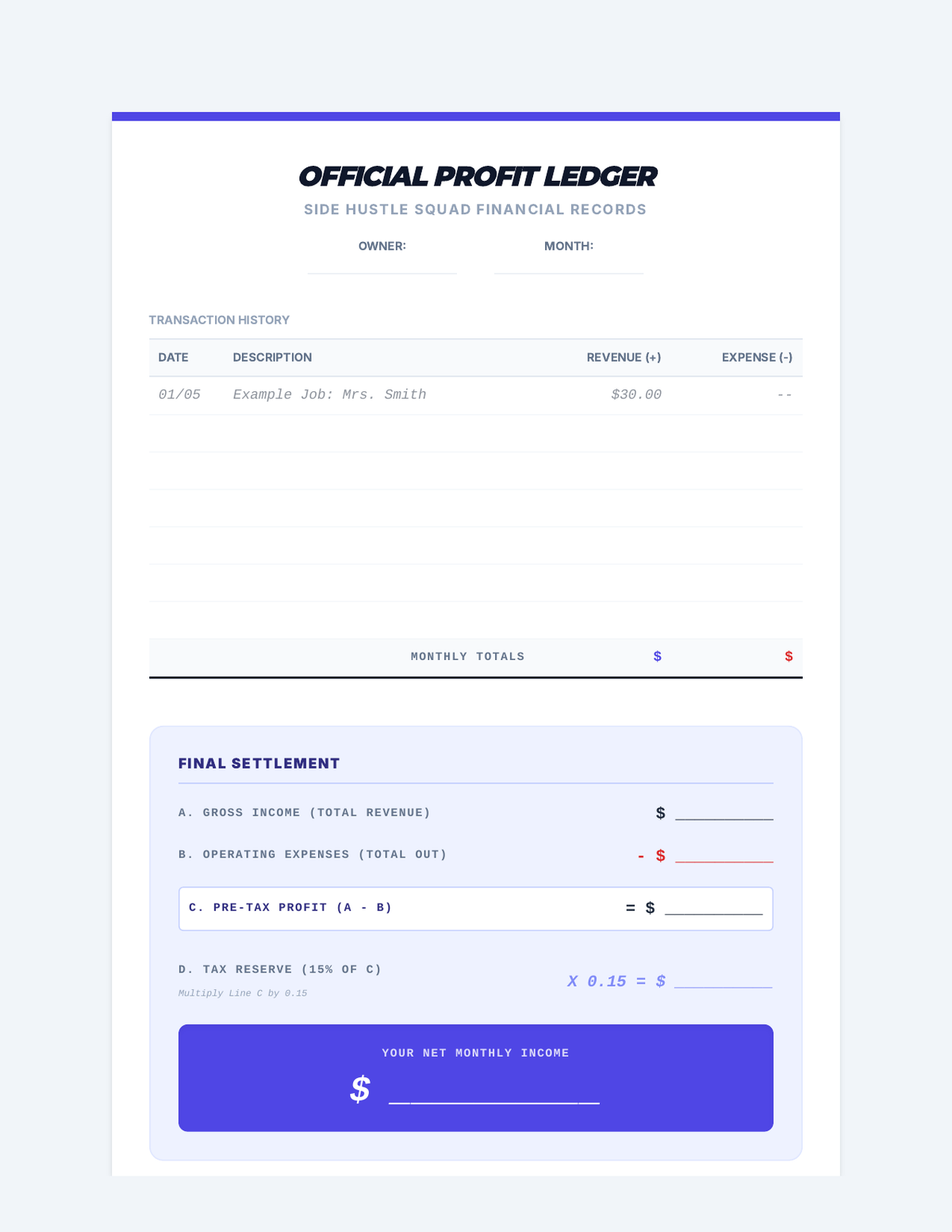
A student worksheet for Lesson 2 to calculate startup costs, choose a pricing strategy, and determine the break-even point for their business.
1/16
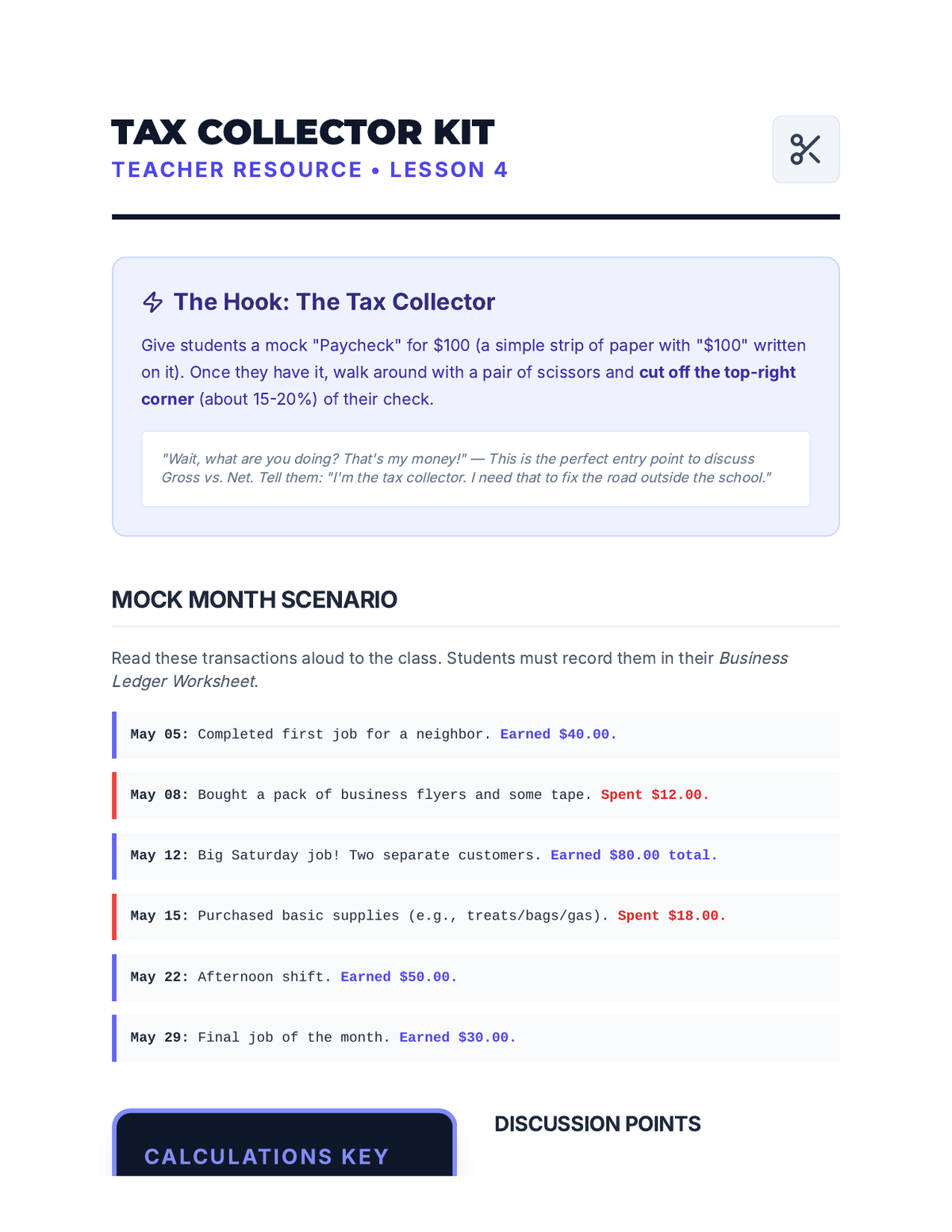
Teacher-facing facilitation guide for Session 2. Includes pacing, demonstration instructions for regulation tools, and a trauma-informed tip regarding breathing exercises.
1/13
A comprehensive lesson plan for Kindergarten students focusing on global cultures through Mexican folk dance, patterned movement, and geography.
A student reference and practice sheet for Session 2. It provides clear, visual instructions for Square Breathing and 5-4-3-2-1 Grounding, along with a simple 'regulation plan' for students to complete.
Visual presentation for Session 5, focusing on assertive communication (I-statements) and the concept of healthy boundaries in relationships.
Visual presentation for Session 2, introducing the 'Window of Tolerance' and teaching proactive regulation tools like 5-4-3-2-1 grounding and controlled breathing.
A worksheet for students to identify repeating units and extend AB, AAB, and ABB shape patterns. Includes a creative section for students to design their own AAB pattern.
A student activity and reference sheet for Session 5, featuring assertive communication practice and a 'Circles of Trust' mapping activity for boundaries.
Introductory worksheet for fractions including shading area models, identifying points on number lines, and solving a simple word problem.
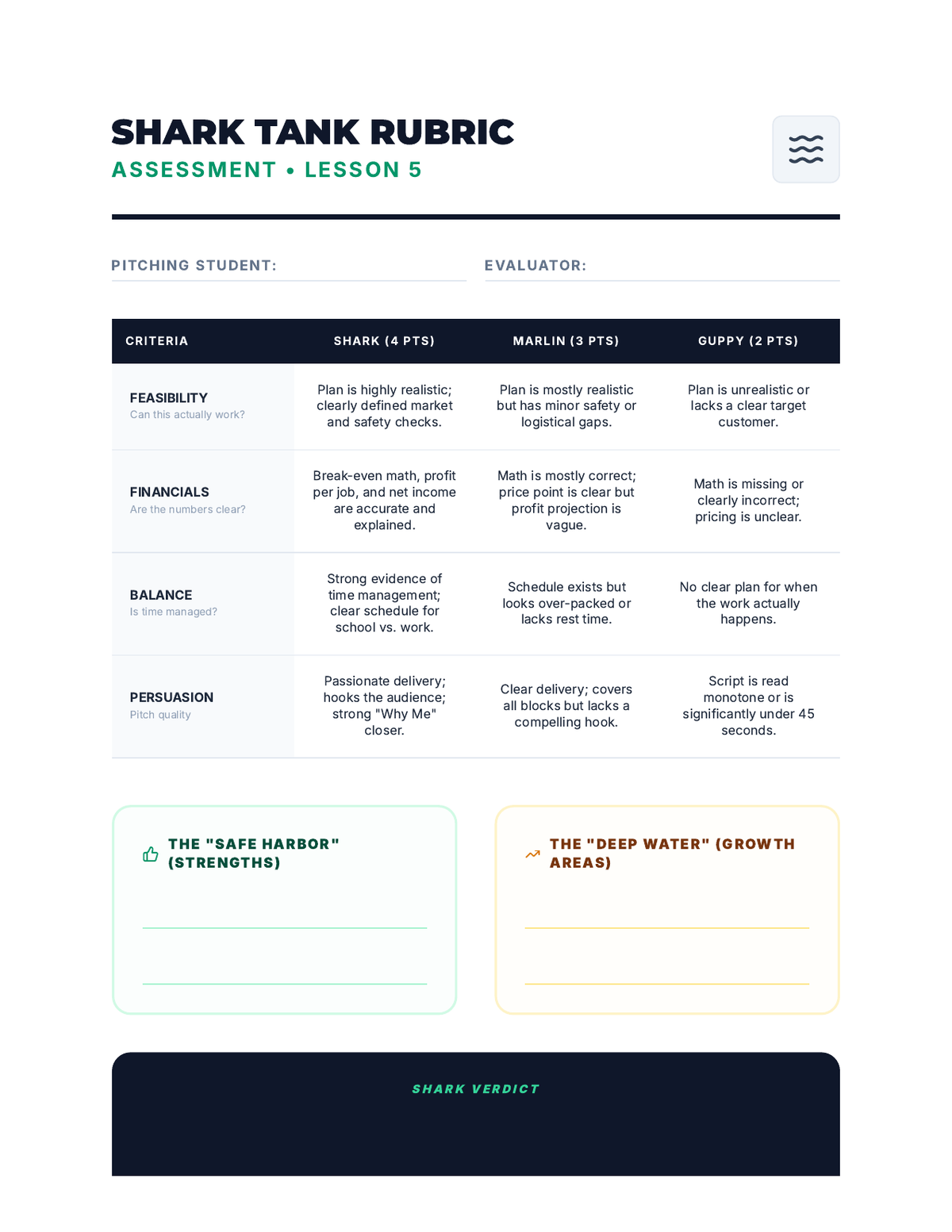
Instructional slides for Lesson 3 covering time management, opportunity cost, and the "Big Rocks" theory of prioritization.
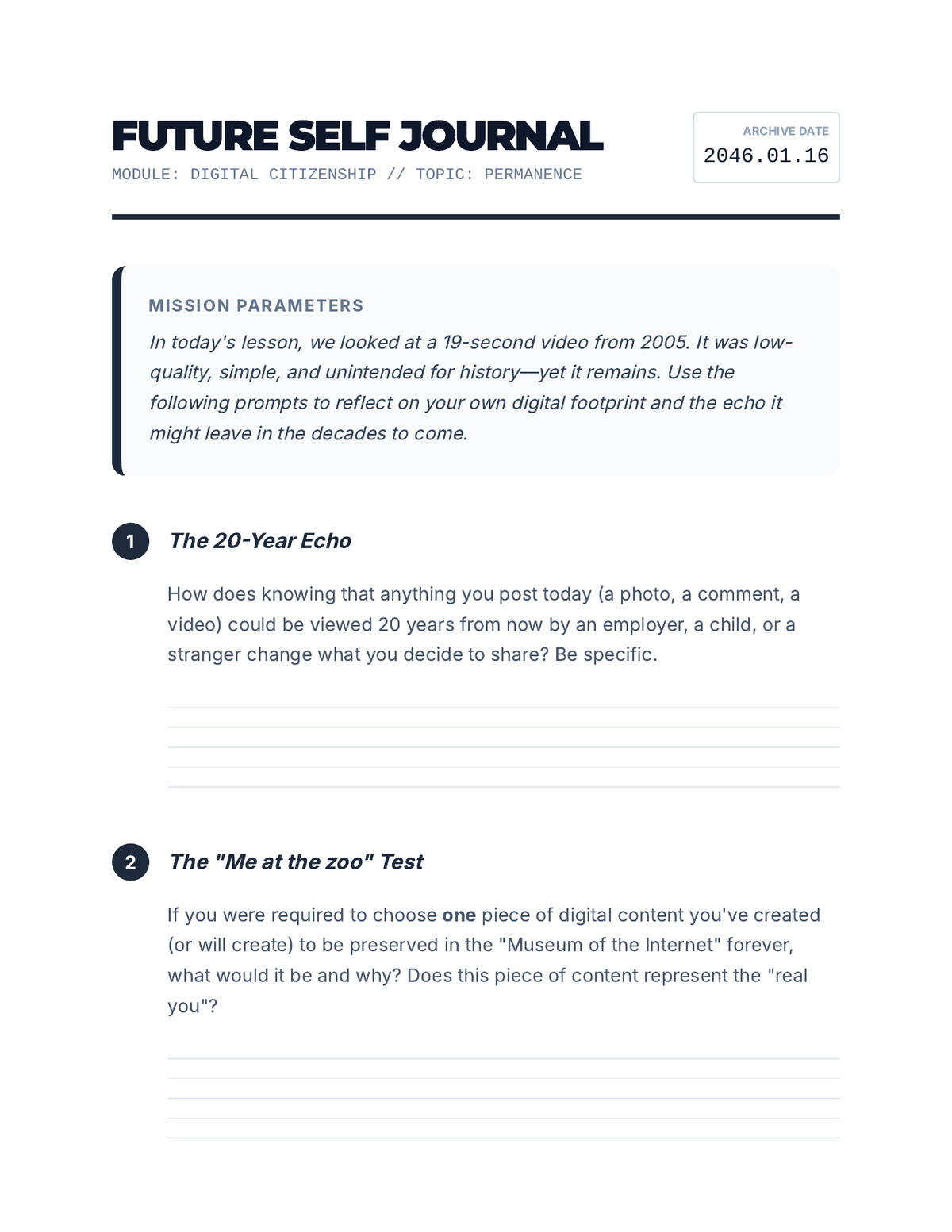
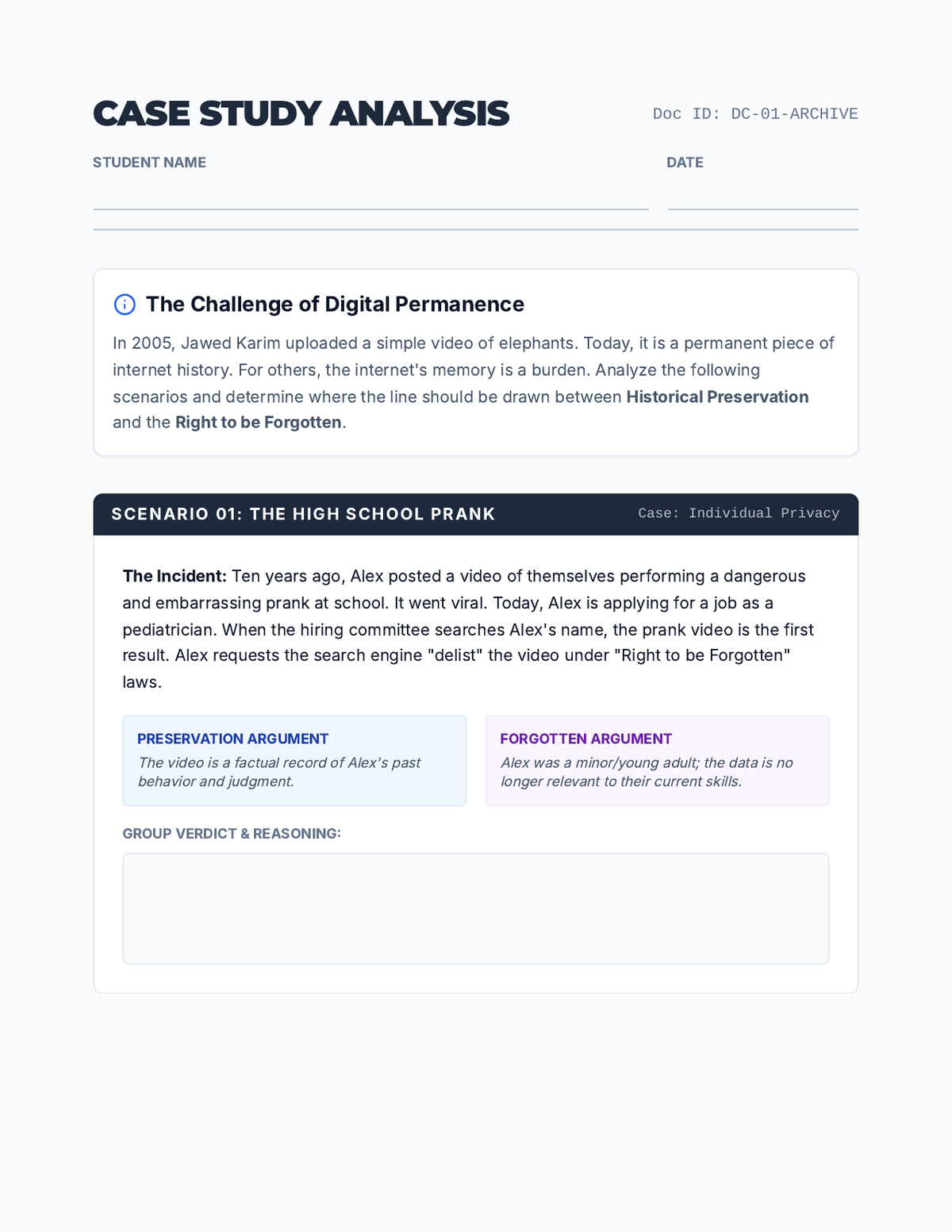
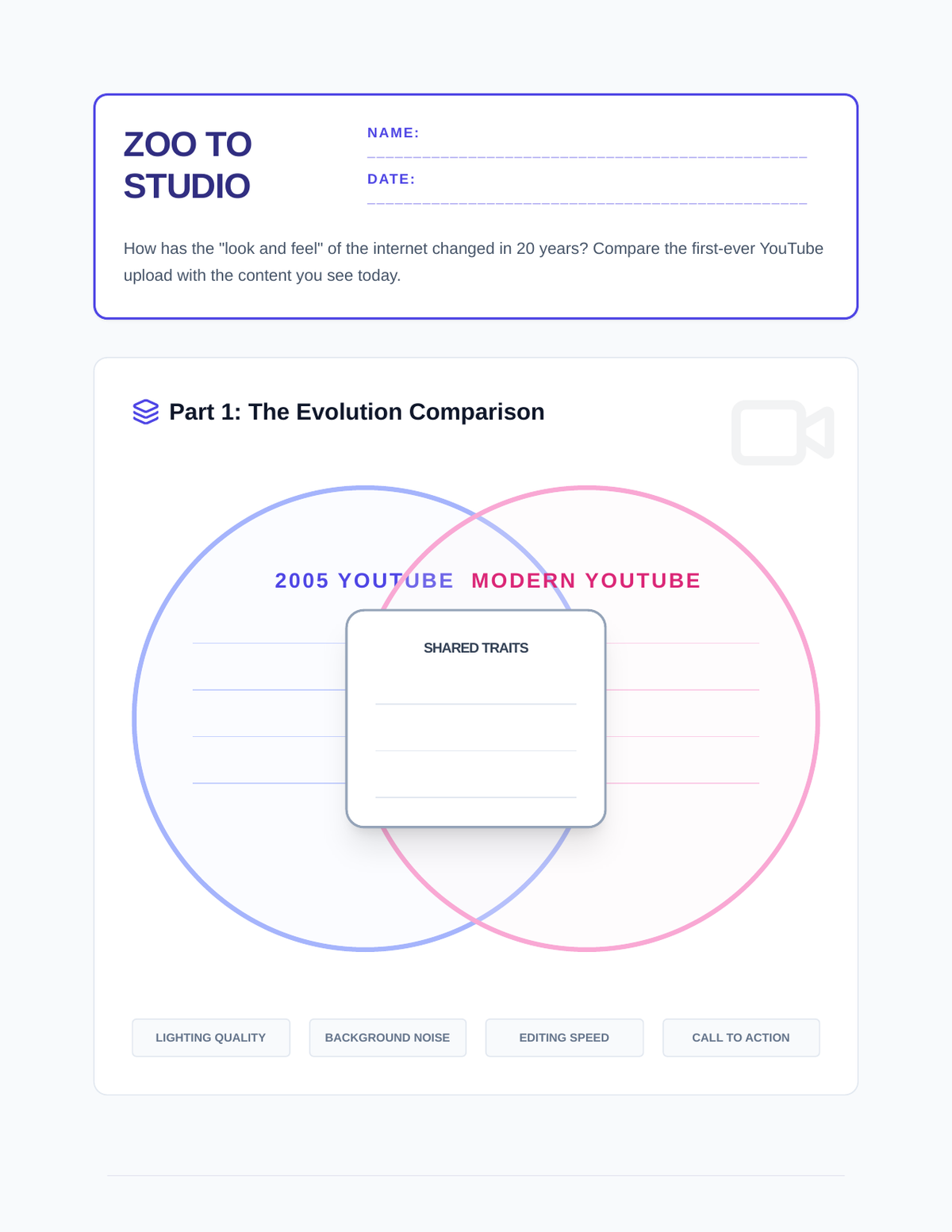
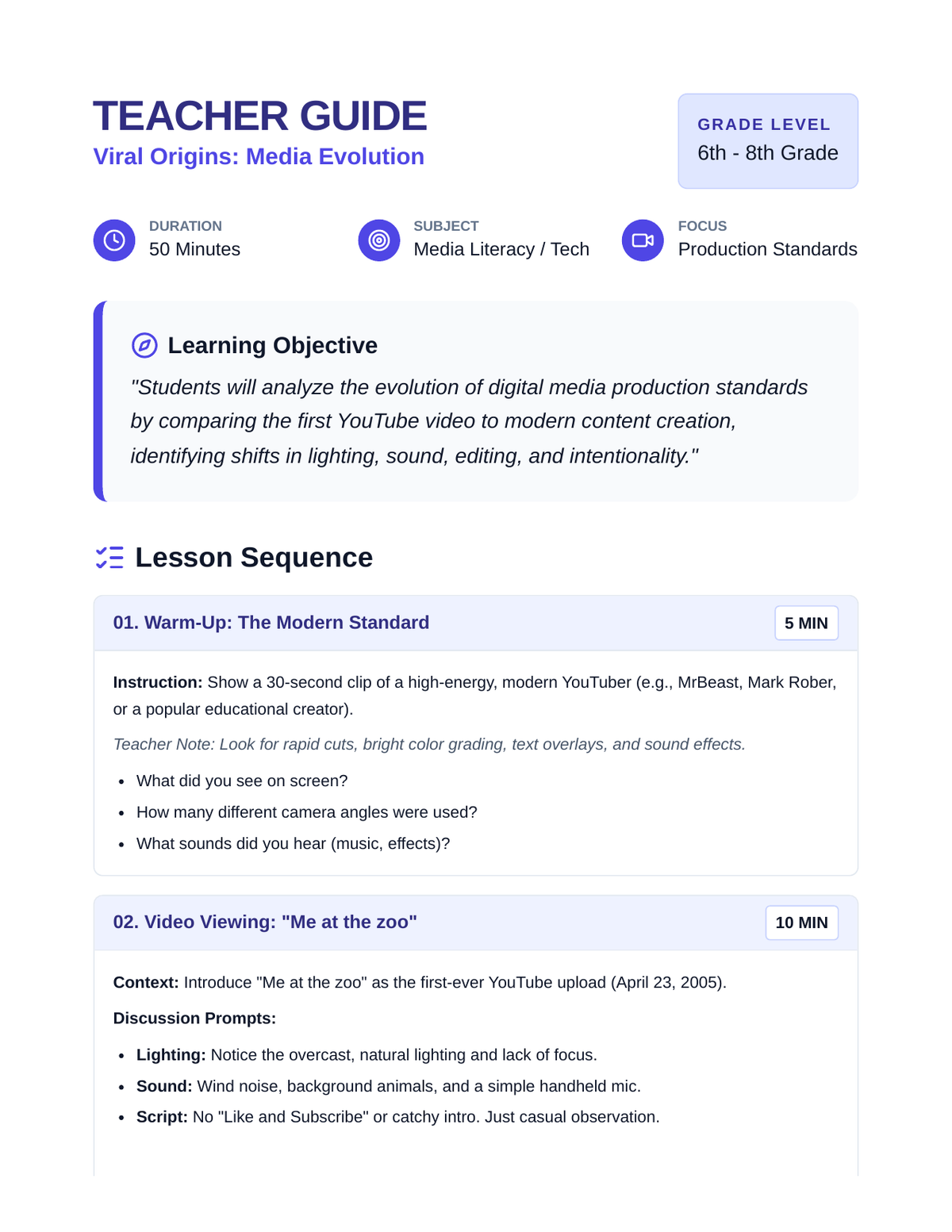
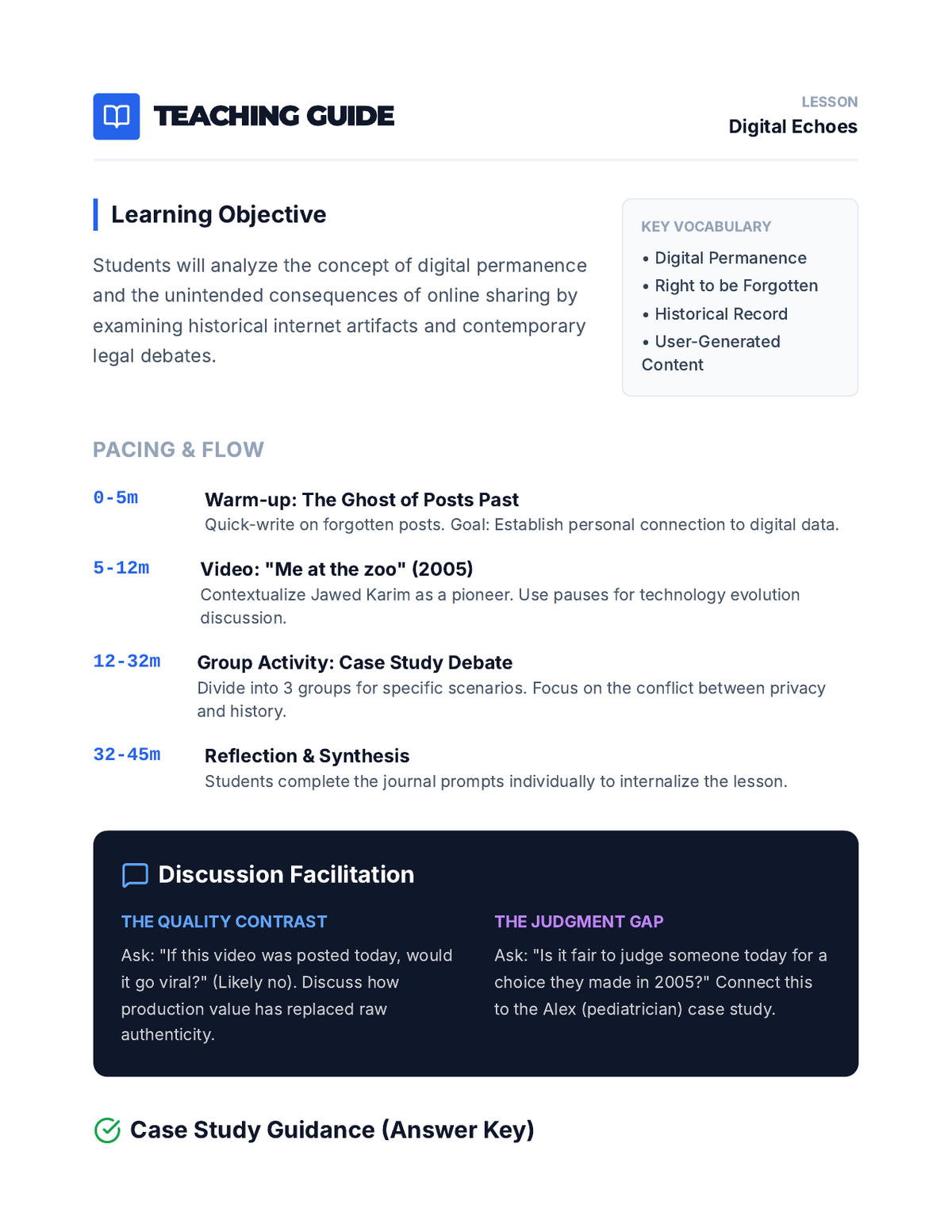
Lesson slides for 'The Digital Footprint' featuring the 'Me at the zoo' video and discussion prompts on web permanence.
Teacher-facing facilitation guide for Session 5. Includes guidance on modeling assertive communication and navigating cultural differences in communication styles.
Visual presentation for Session 3, focusing on distress tolerance techniques for high-intensity situations using the TIPP skills framework.
Instructions for a kinesthetic activity where students match their movement intensity to musical dynamics using animal metaphors.
Visual presentation for teaching equivalent fractions using area models and the multiplication rule.
A set of printable routine icons to be used with the Daily Roadmap Board, including requested activities like sensory breaks and morning meetings.
Cumulative multiple-choice assessment for 4th graders covering fraction vocabulary, unit fractions, and model identification.
Final facilitation guide for Session 6. Provides instructions for synthesizing the 6-week program, helping students select their best tools, and planning for long-term maintenance of skills.
A visual worksheet for Kindergarteners to identify musical moods by coloring emoji faces and associating colors with sounds.
A student worksheet for identifying physiological signals of emotions. It features a body mapping activity where students color or mark areas where they feel physical sensations associated with specific feelings.