A 20-minute morning meeting designed to help 2nd graders identify and practice appropriate classroom voice levels through interactive discussion and visual aids.
A lesson exploring the origins of vlogging through YouTube's first video, focusing on the concepts of authenticity, user-generated content, and parasocial relationships.
1/16
A quick 10-minute kindergarten lesson focused on developing social skills, empathy, and cooperation through guided peer interaction and positive reinforcement.
A lesson for high school students exploring the concept of digital footprints through the lens of the first-ever YouTube video, 'Me at the zoo'. Students evaluate how online content persists and shapes public identity over decades.
Students explore the history and technique of unscripted speaking through the first-ever YouTube video, then practice their own 20-second impromptu reports.
A lesson exploring the psychological shift in social media from documenting the world to documenting the self, anchoring on the first YouTube video from 2005.
Students will analyze the first-ever YouTube video to identify verbal fillers and practice transforming casual, impromptu speech into professional narrations. This lesson focuses on self-awareness in speaking and the distinction between conversational and presentational styles.
A lesson for High School Media/Journalism students exploring the shift from raw, unedited vlogs to highly curated performative content on social media.
A 45-minute lesson for business and technology students exploring the concept of Minimum Viable Product (MVP) through the analysis of YouTube's first video and a hands-on app design activity.
A science and observation lesson for elementary students focused on distinguishing between objective facts (observations) and subjective opinions (interpretations) using the first-ever YouTube video as a case study.
A play-based lesson designed to help young students identify and understand a wide range of emotions through interactive games and visual aids.
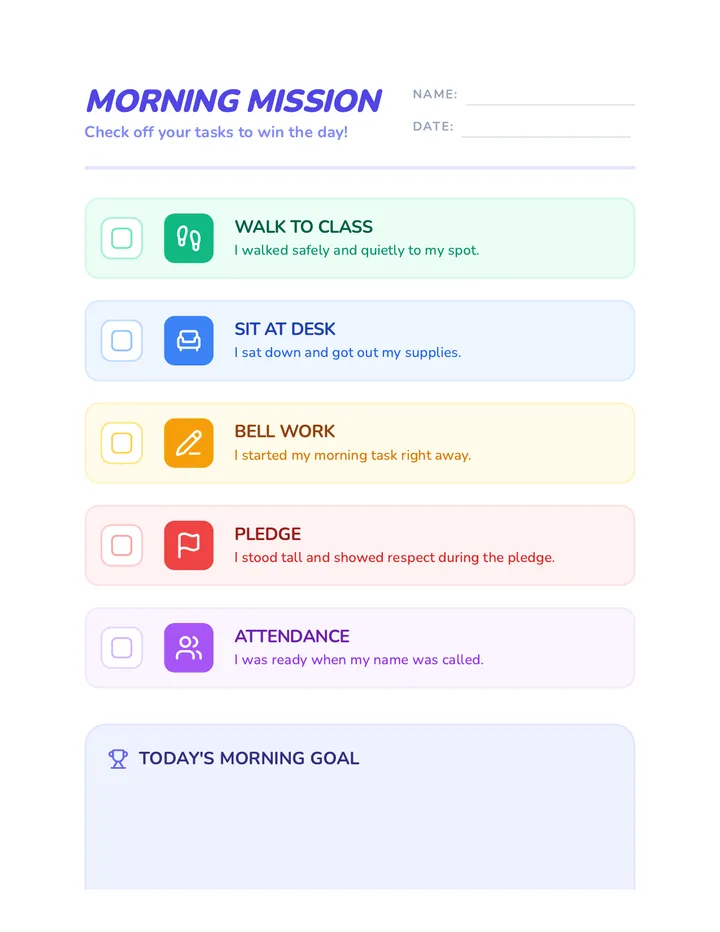
A set of visual tools to help students navigate daily classroom transitions and routines with independence.
A middle school lesson on digital footprints, focusing on the permanence of online content using the first YouTube video 'Me at the zoo' as a case study.
A reflective workshop for adults exploring the permanence of the internet through the lens of YouTube's first video, 'Me at the zoo,' focusing on digital footprints and guiding children's online presence.
In this 10-minute kindergarten lesson, students will learn to build positive relationships with peers through a fun, interactive activity. This lesson is crucial for developing early social skills, empathy, and cooperation in young learners.
A lesson on the social-emotional skill of delivering a sincere and effective apology, focusing on the four pillars of a real apology.
1/15
A listening comprehension and preposition focus lesson for ESL/ELL students using the 'Me at the zoo' video.
A middle school ELA/Speech lesson focused on the difference between impromptu and scripted speaking, using the first YouTube video 'Me at the zoo' as a case study. Students analyze filler words and practice rewriting content for better delivery.
In this lesson, students will be introduced to the Engineering Design Process (EDP) by tackling a real-world design challenge. They will learn to identify problems, brainstorm solutions, and understand the iterative nature of engineering.
A K-2 lesson on making simple animal observations using descriptive words, featuring the 'Me at the zoo' video. Students act as zoo reporters to practice using sentence frames.
A sociology and technology lesson analyzing the concept of 'Digital Footprint' and internet permanence through the lens of the first-ever YouTube video, 'Me at the zoo'. Students explore the shift from unscripted early internet content to modern curation and reflect on their own digital legacies.