A structured worksheet for students to document the 'Ask' (criteria/constraints) and 'Imagine' (brainstorming sketches) phases of their engineering project.
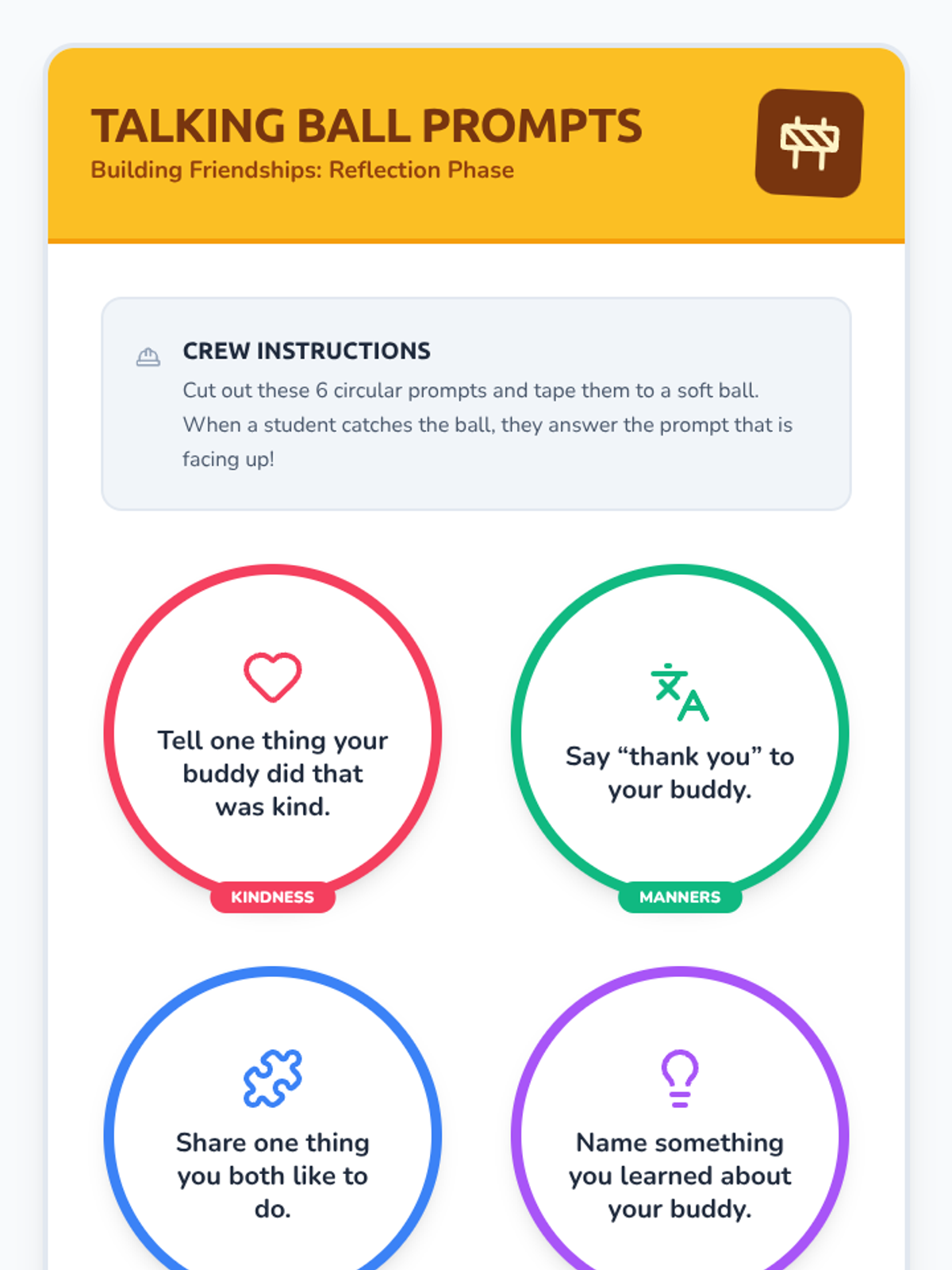
A set of 6 printable circular prompts designed to be attached to a soft ball, facilitating conversation and reflection in the Buddy Builders lesson.
1/16
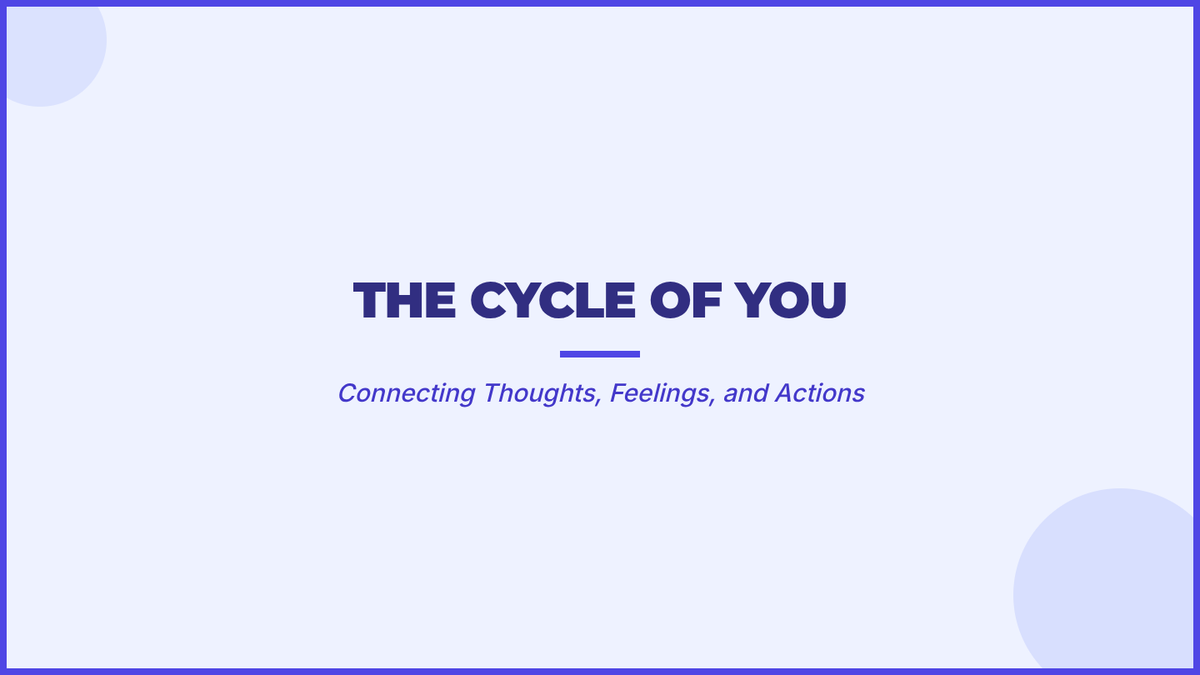
Visual presentation for Session 2, exploring the interconnected cycle of thoughts, feelings, and actions using relatable middle school scenarios.
1/13
Visual presentation for Session 6, summarizing the unit and guiding students through the creation of their personalized regulation game plan.
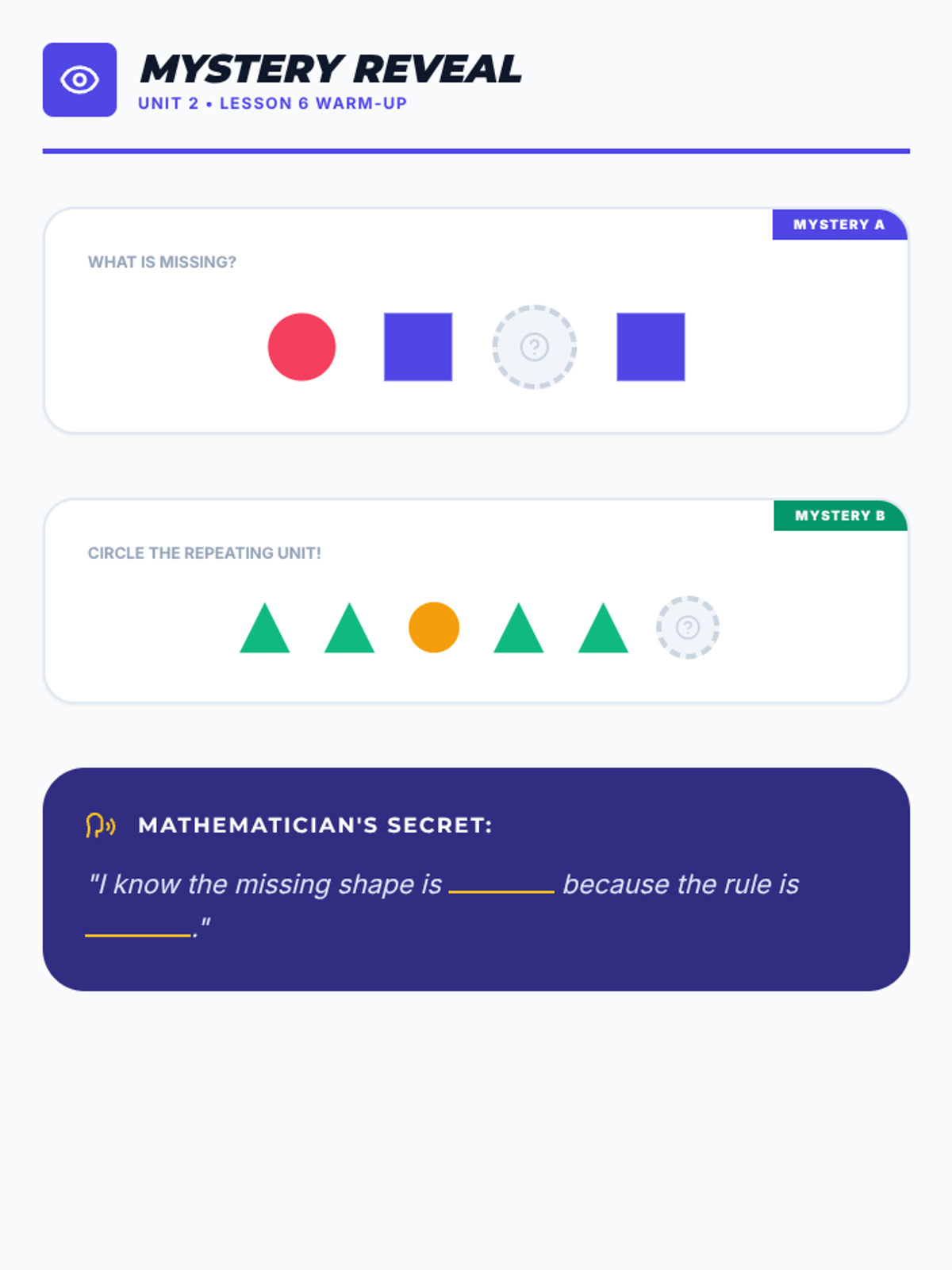
A visual warm-up activity featuring two 'mystery' patterns with missing elements. Designed to spark discussion about identifying and justifying pattern rules.
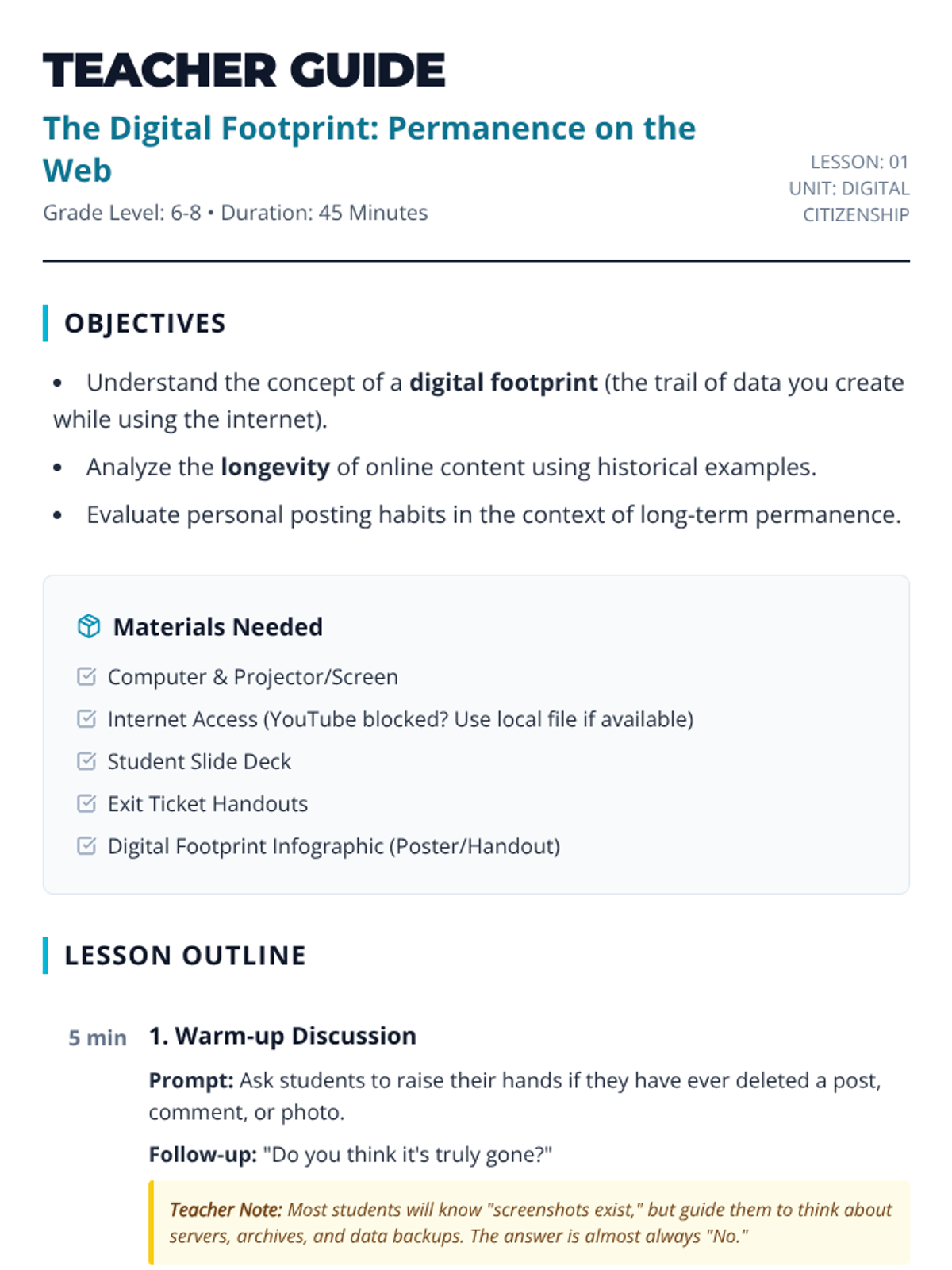
Teacher guide for the Digital Footprint lesson, including lesson plan, discussion prompts, video context, and transcript.
Introductory slide deck for Session 1, establishing the 'Inner Compass' theme. It explains the purpose of the intervention and teaches students how to recognize physiological signals of emotions using the 'Emotions as Data' framework.
A fun coloring and tactile activity where students track a steady beat using a 'Beat Buddy' character and heart icons.
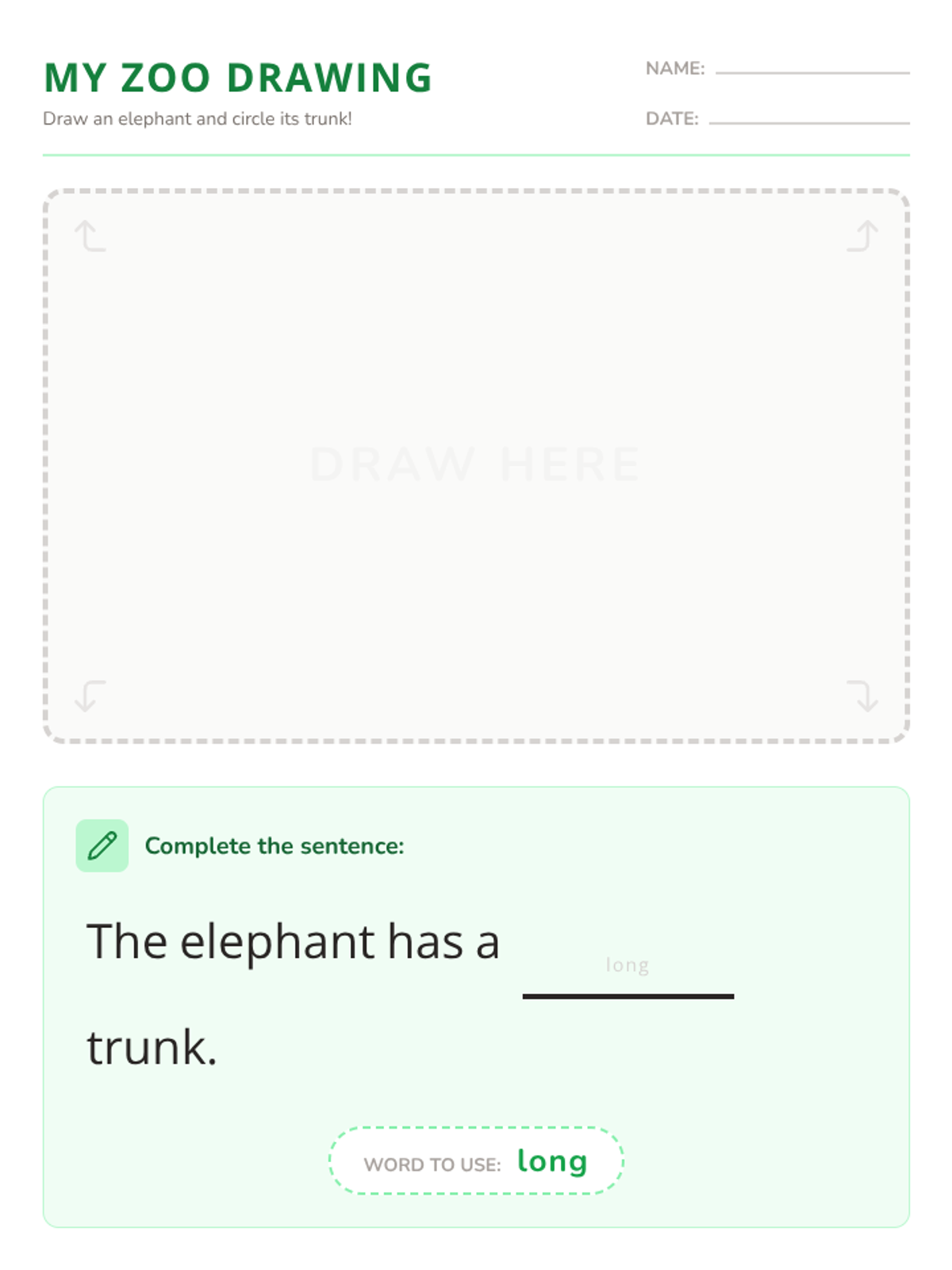
A student worksheet with a large space for drawing an elephant and a sentence completion activity to practice descriptive vocabulary.
A bright and engaging slide deck for Pre-K to 1st grade students, featuring the 'Me at the zoo' video and interactive discussion prompts about animal features.
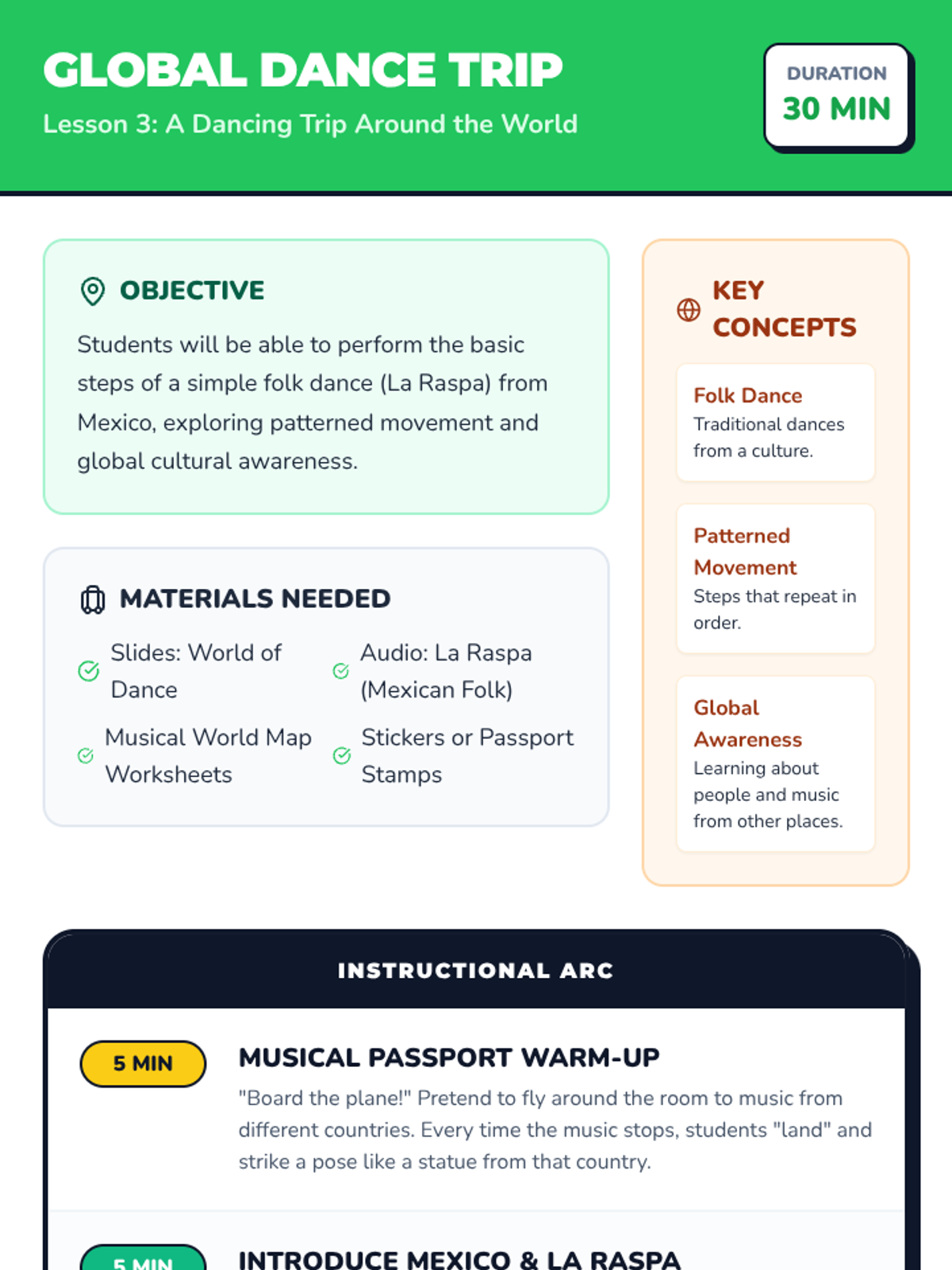
A comprehensive lesson plan for Kindergarten students focusing on global cultures through Mexican folk dance, patterned movement, and geography.
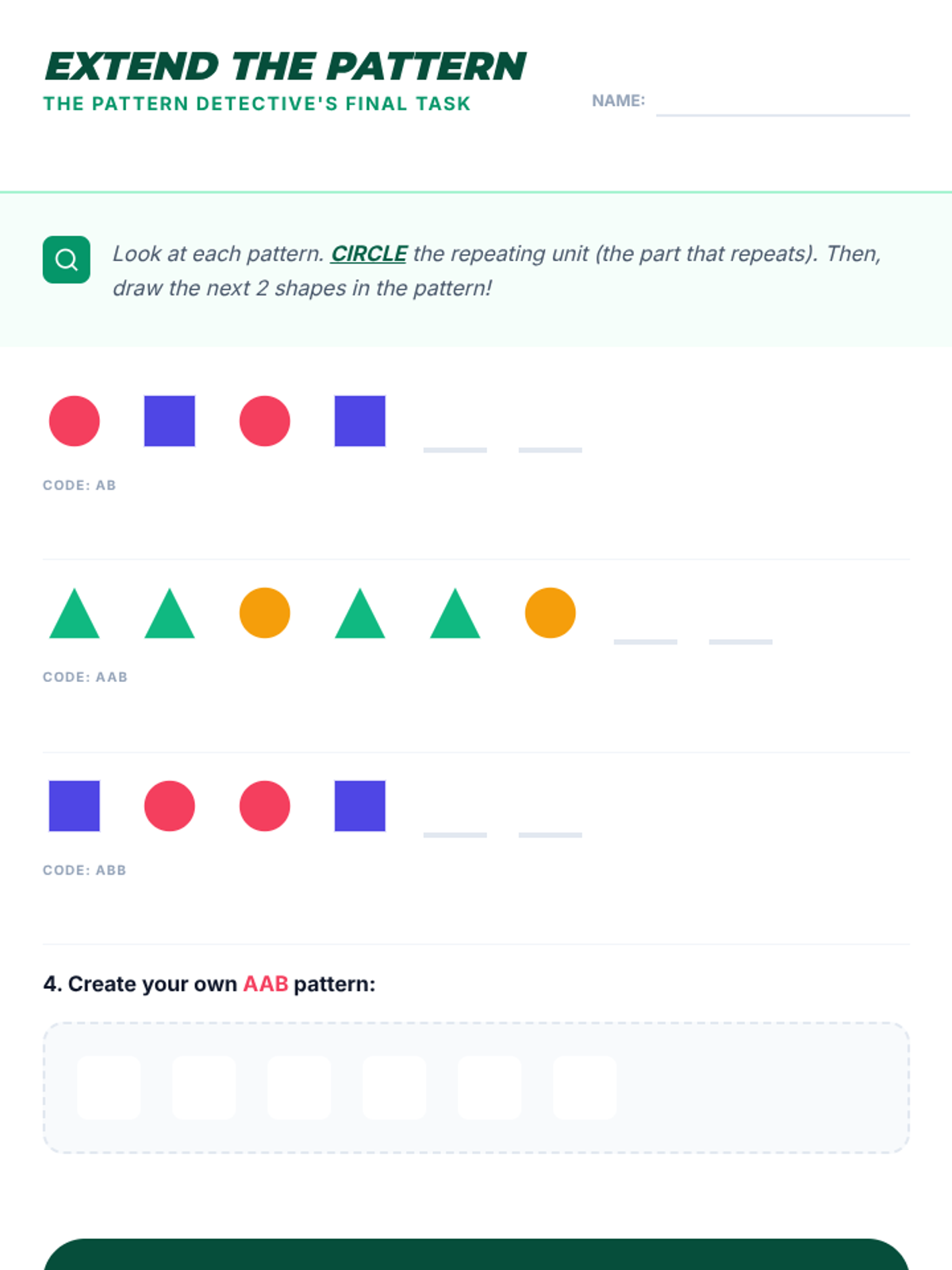
A worksheet for students to identify repeating units and extend AB, AAB, and ABB shape patterns. Includes a creative section for students to design their own AAB pattern.
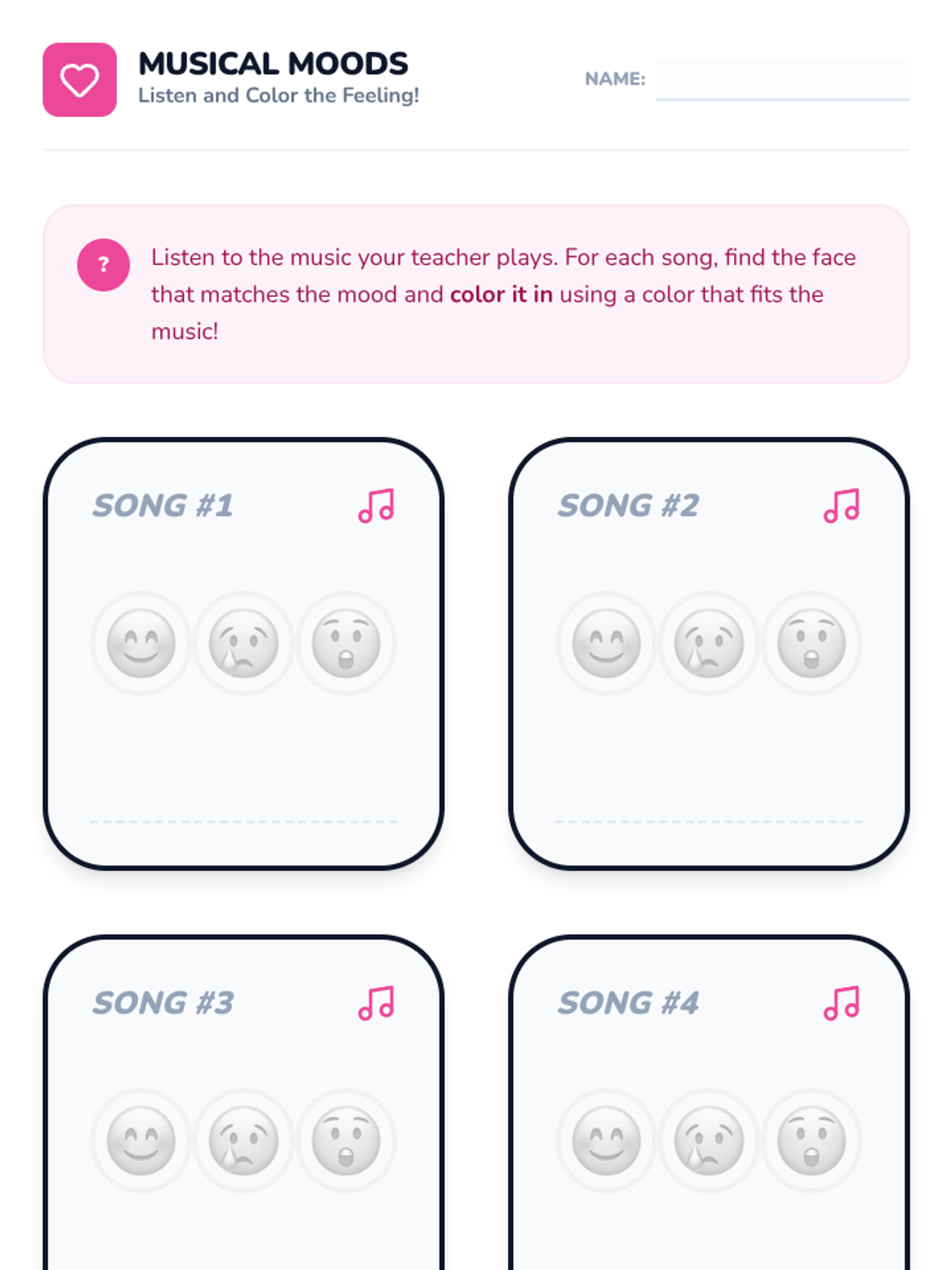
A visual worksheet for Kindergarteners to identify musical moods by coloring emoji faces and associating colors with sounds.
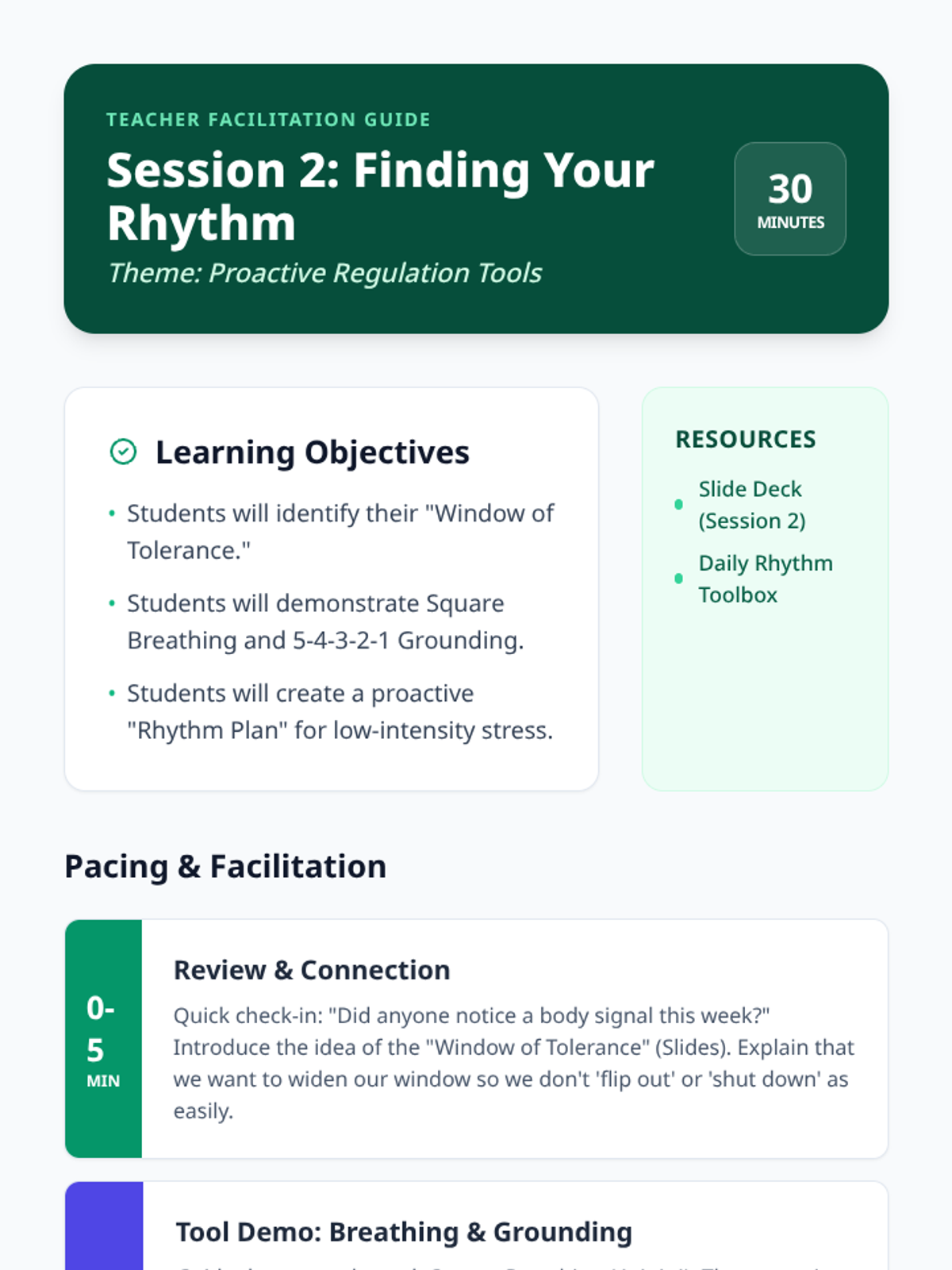
Teacher-facing facilitation guide for Session 2. Includes pacing, demonstration instructions for regulation tools, and a trauma-informed tip regarding breathing exercises.
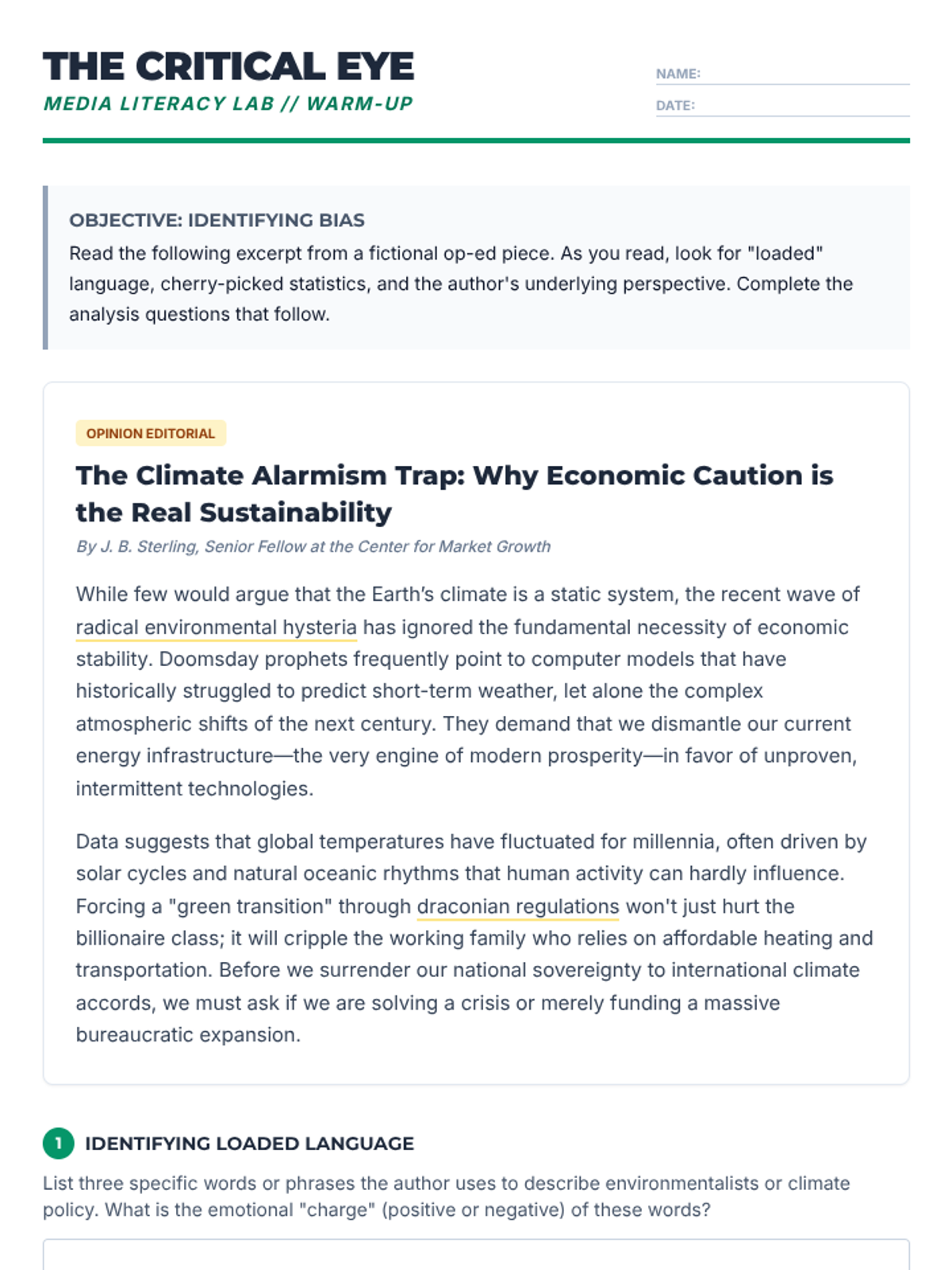
A 10-15 minute warm-up worksheet for high school students focusing on identifying bias, loaded language, and source credibility in a fictional op-ed about climate change.
1/12
A teacher guide and answer key for the climate bias warm-up, including facilitation strategies, timing breakdowns, and exemplar student responses.
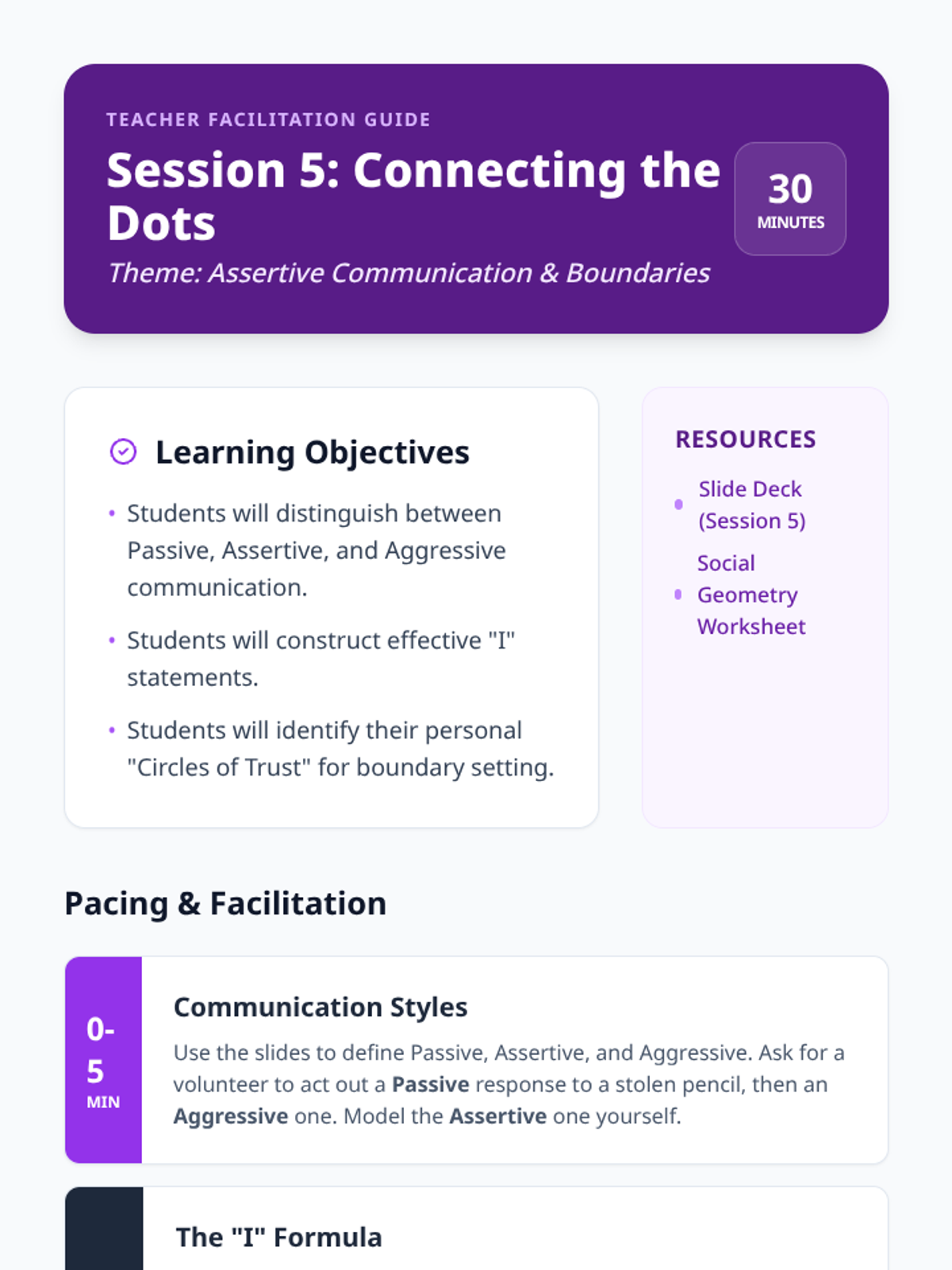
Teacher-facing facilitation guide for Session 5. Includes guidance on modeling assertive communication and navigating cultural differences in communication styles.
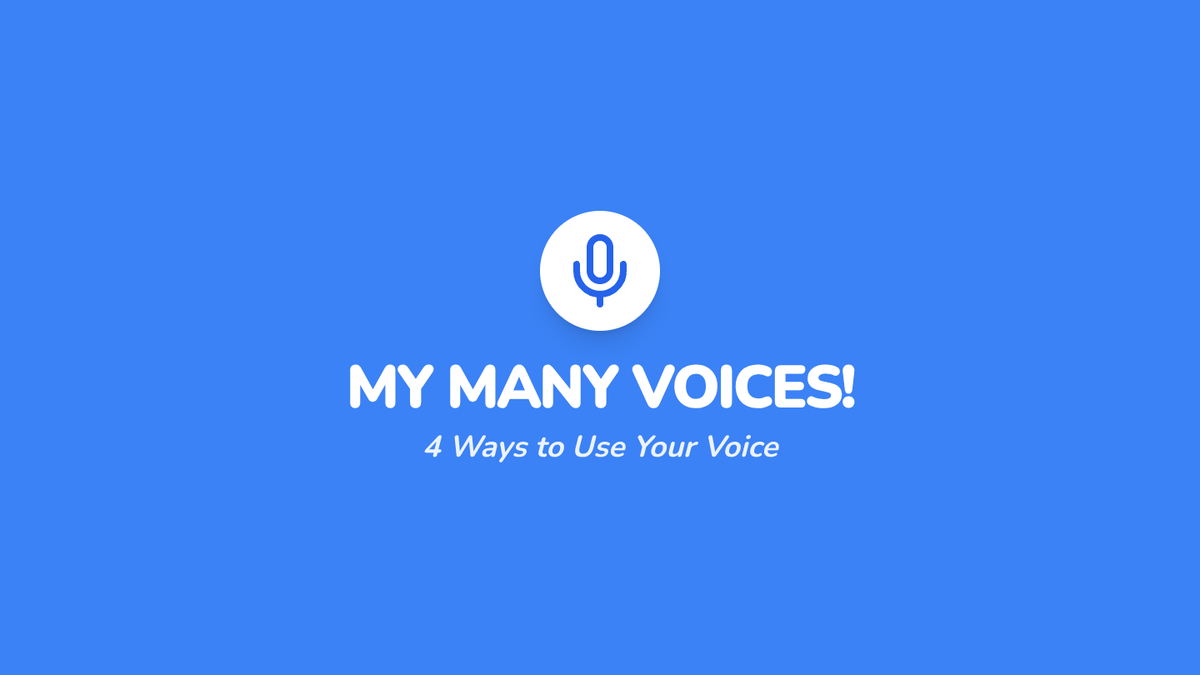
Visual aids for Lesson 5, illustrating the four types of voices: whispering, speaking, calling, and singing, with fun emojis and key characteristics.
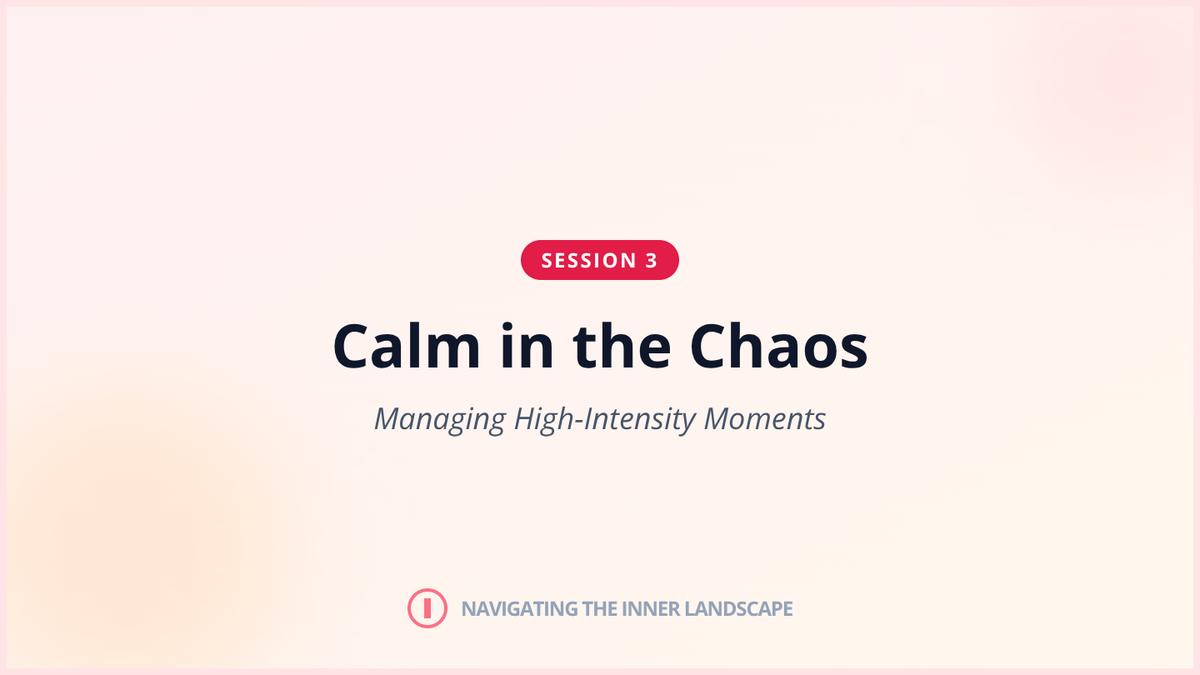
Visual presentation for Session 3, focusing on distress tolerance techniques for high-intensity situations using the TIPP skills framework.
Visual presentation for Session 4, exploring and selecting healthy coping strategies to build a personalized "toolbox" for moments of high activation.
Visual presentation for Session 4, exploring the connection between thoughts, feelings, and actions, and teaching the 'Catch-Check-Change' reframing technique.