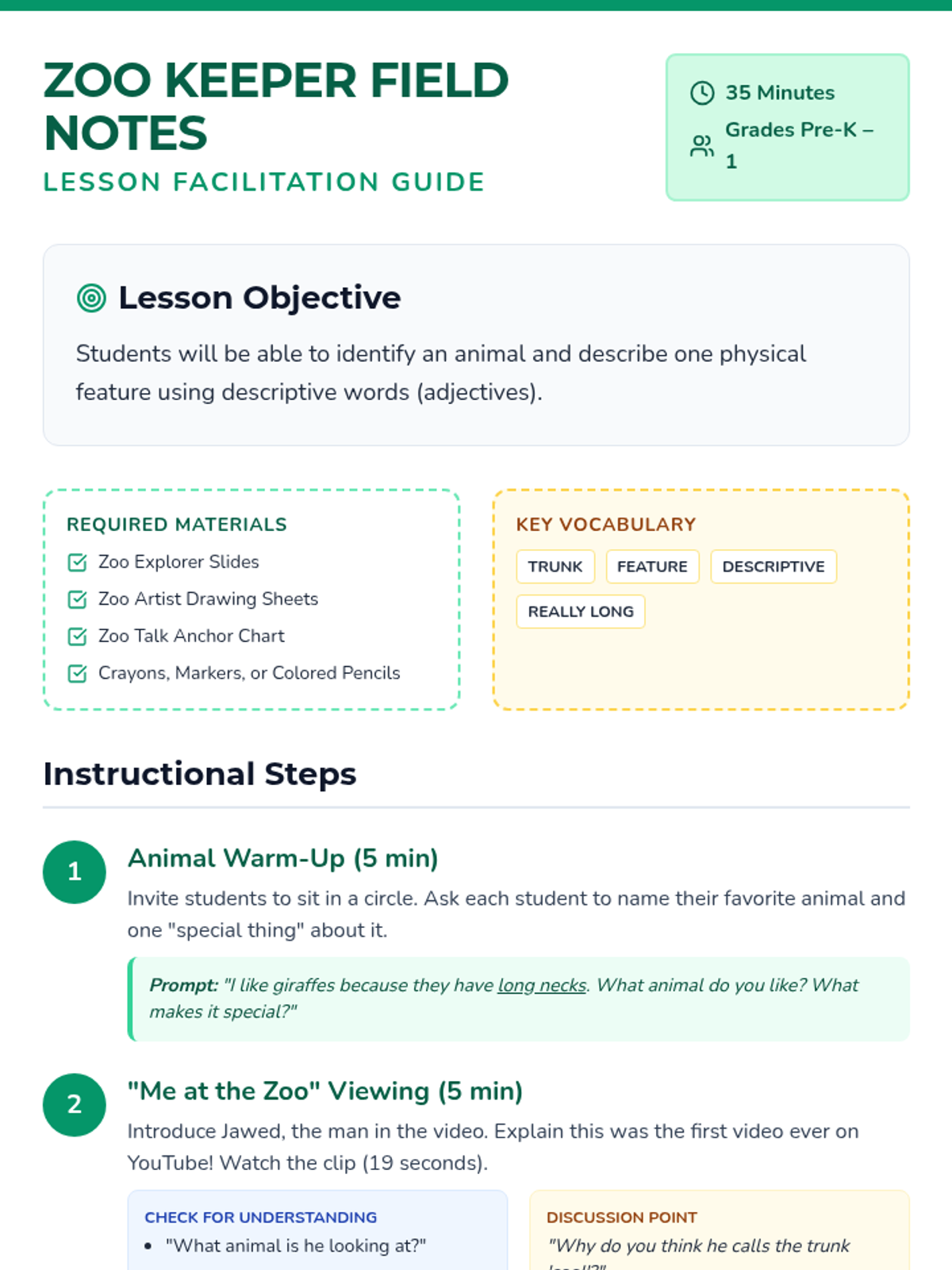
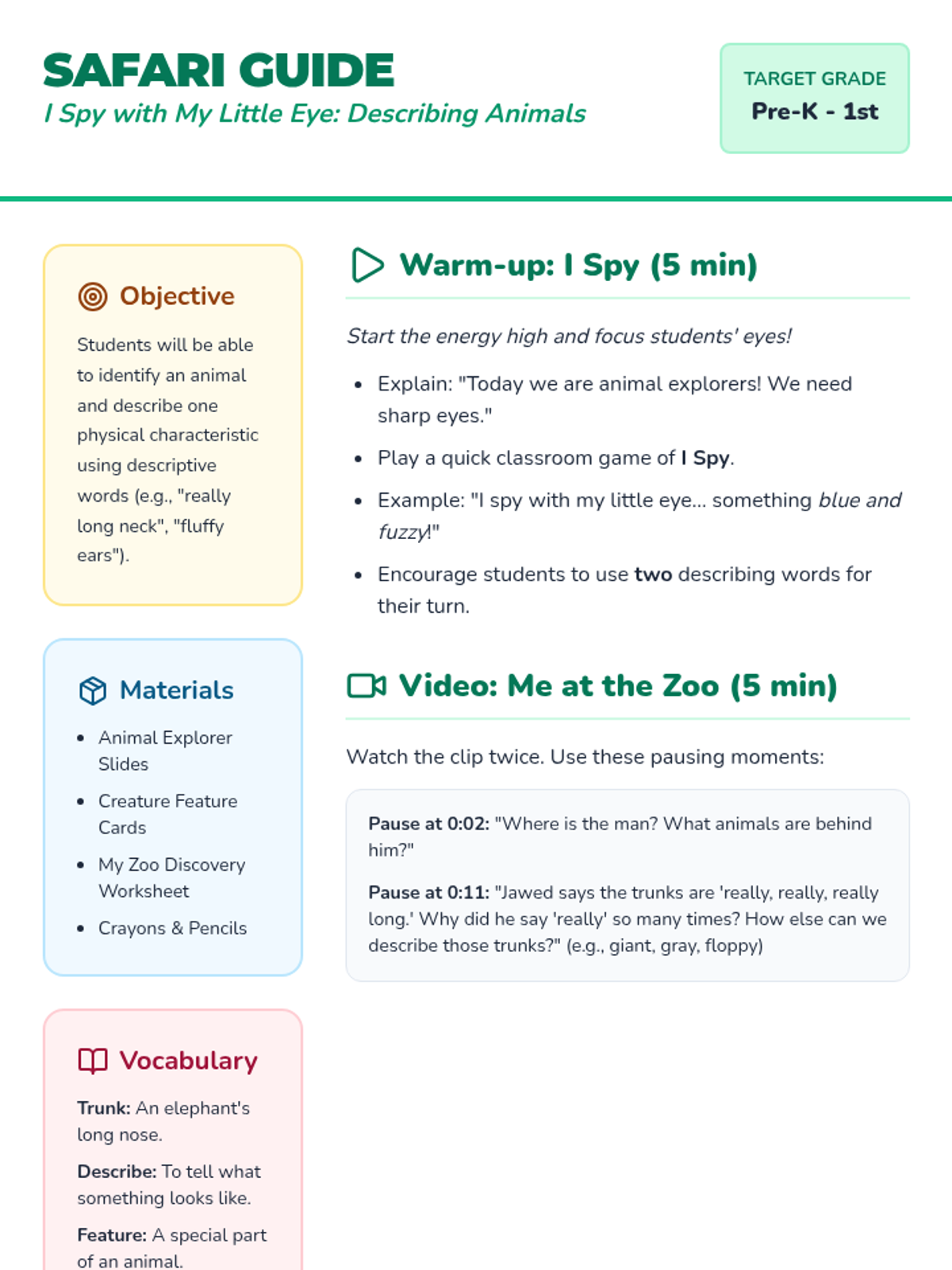
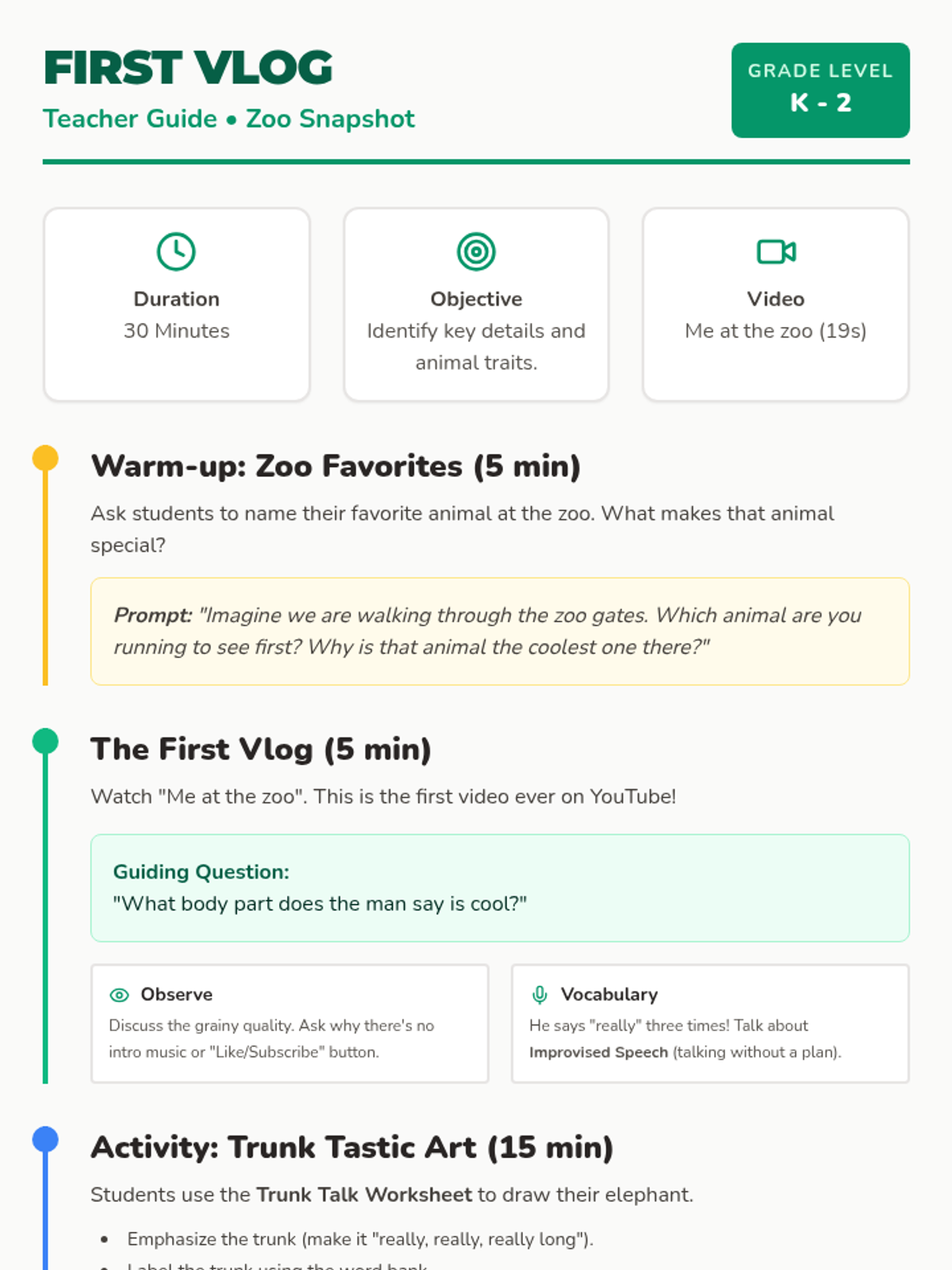
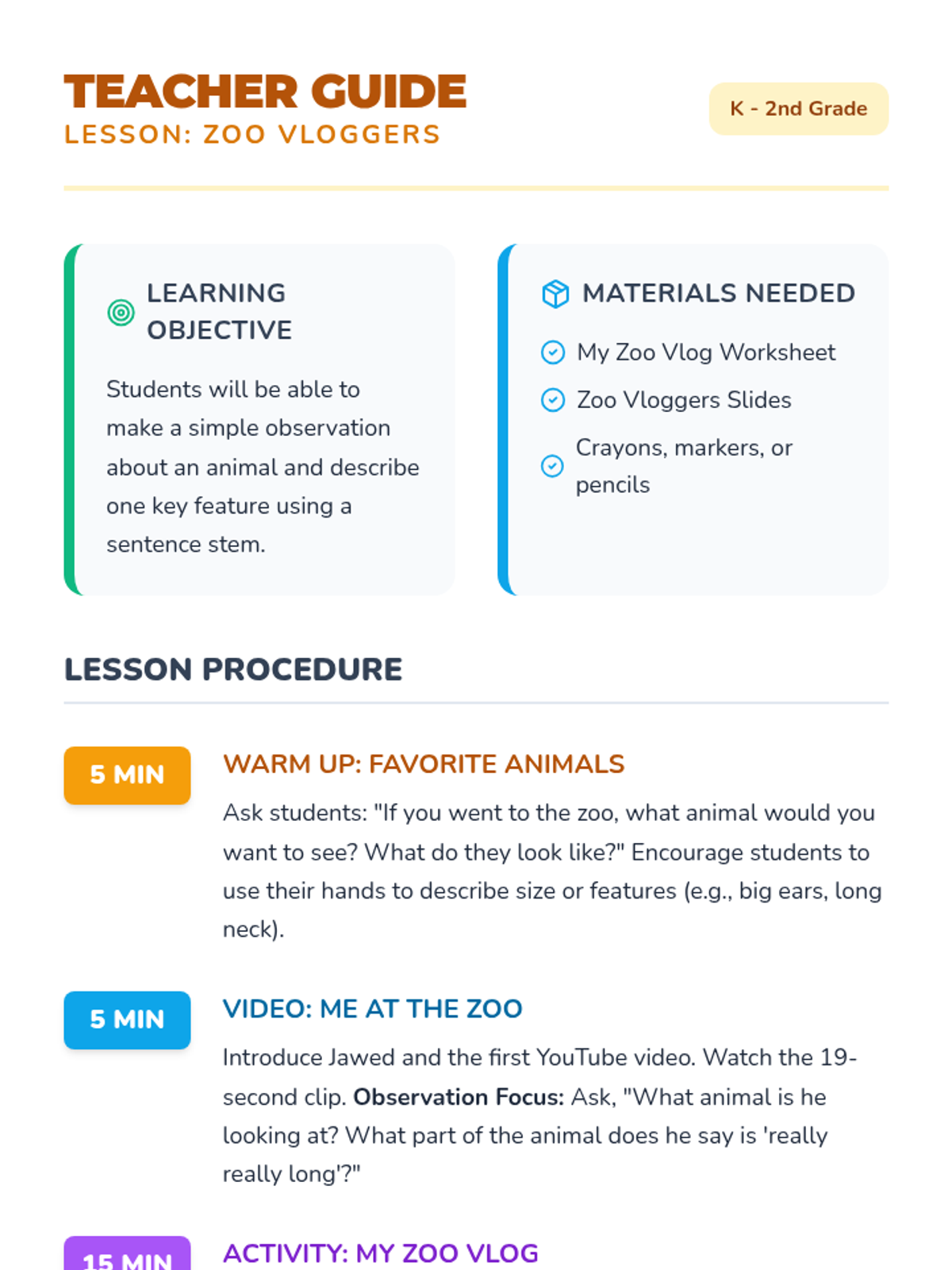
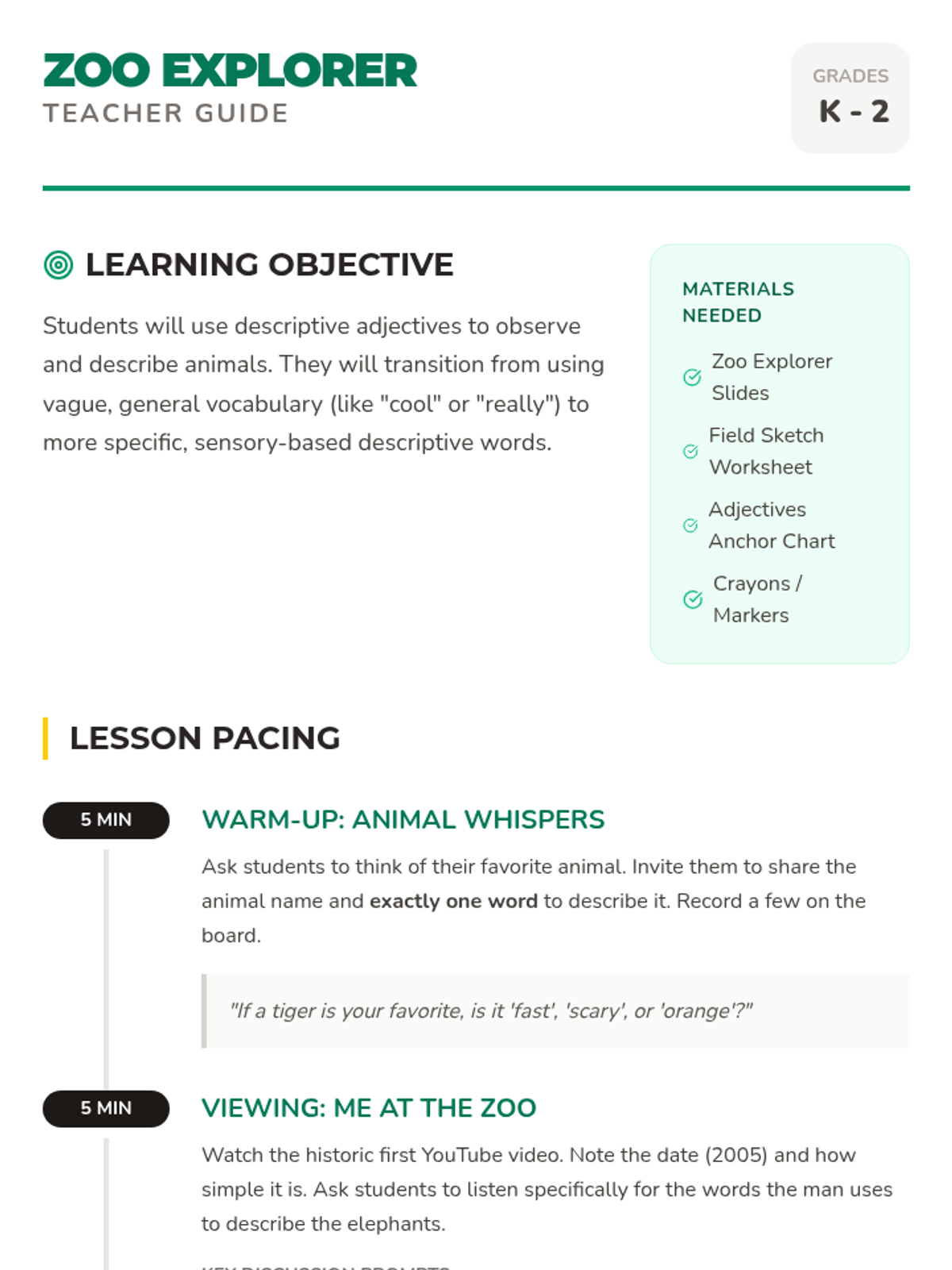
A K-2 lesson focused on observing animals and using descriptive vocabulary, featuring the video 'Me at the zoo'.
A lesson exploring how llamas are perfectly adapted to survive the harsh environment of the Andes Mountains through their unique physical traits and behaviors.
An engaging lesson exploring how llamas are perfectly adapted for life in the harsh Andean highlands, focusing on their physical traits and survival strategies.
A lesson exploring the unique physical adaptations that allow llamas to thrive in the harsh environment of the Andes Mountains.
Lesson for studio export and print testing
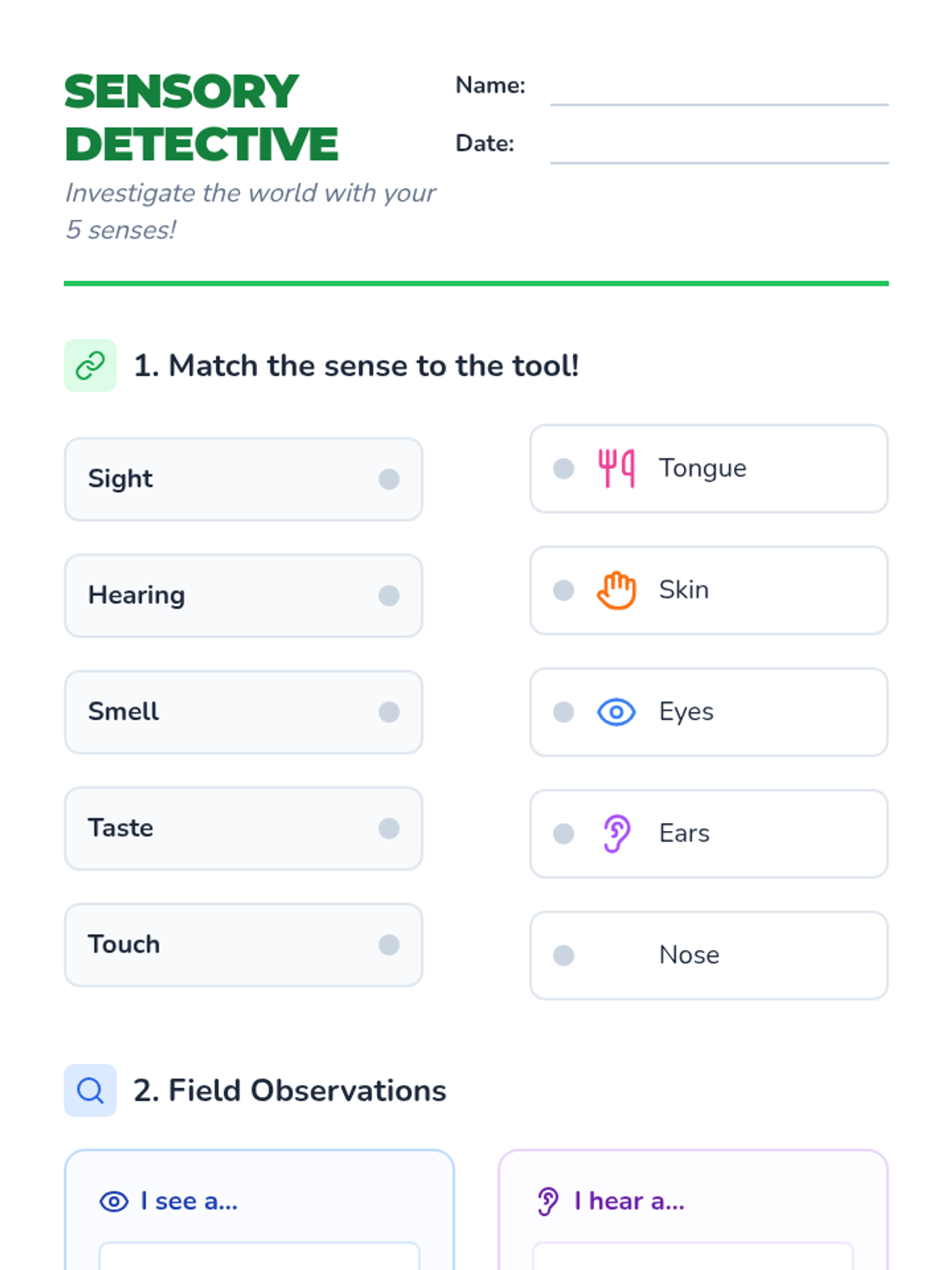
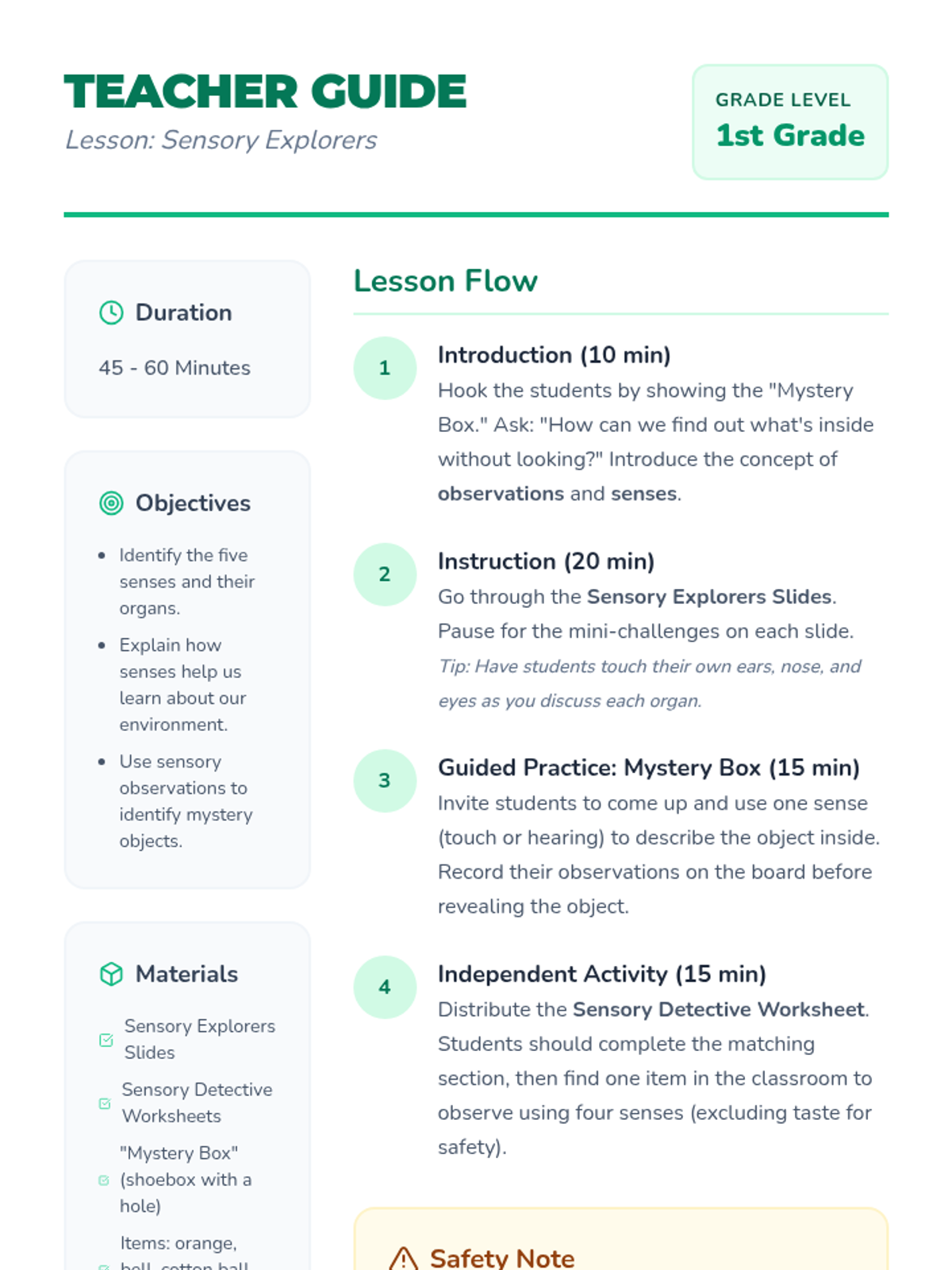
An introductory science lesson for 1st grade exploring the five senses (sight, hearing, smell, taste, and touch) through observation and hands-on exploration. Students learn to identify the sensory organs and how they help us understand the world around us.
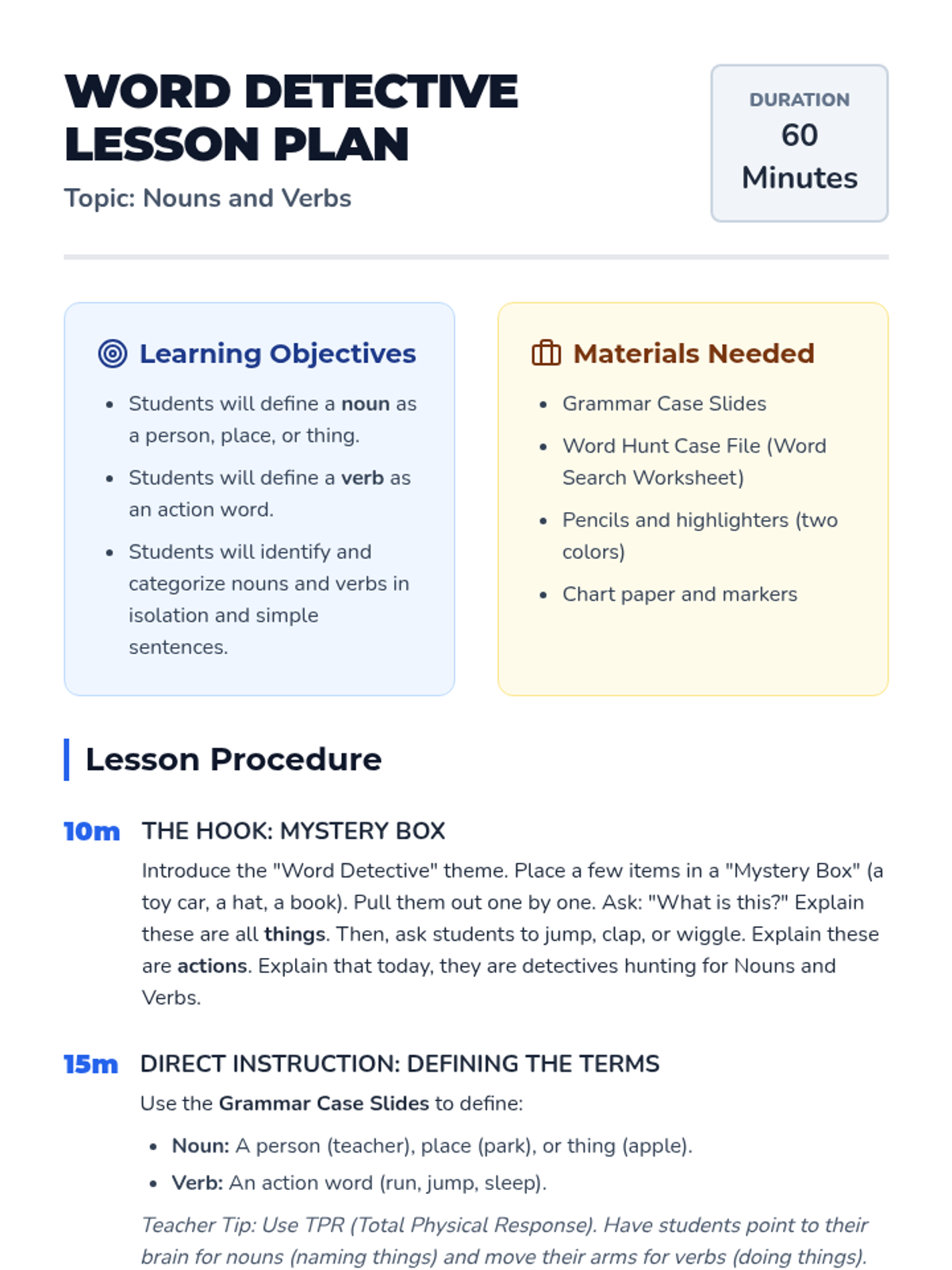
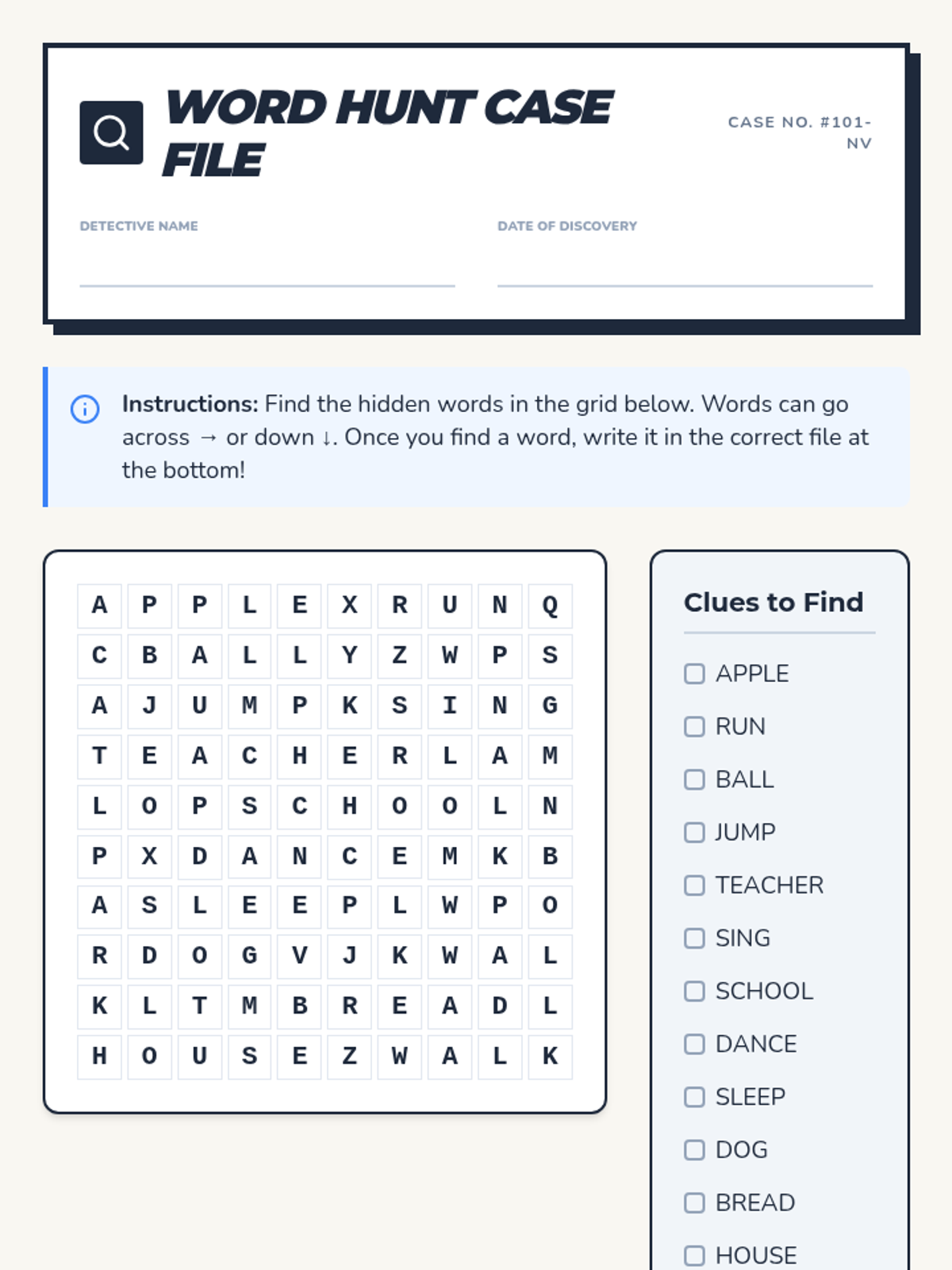
A 60-minute introductory lesson on nouns and verbs using a 'Word Detective' theme to engage first-grade students in identifying and categorizing words.
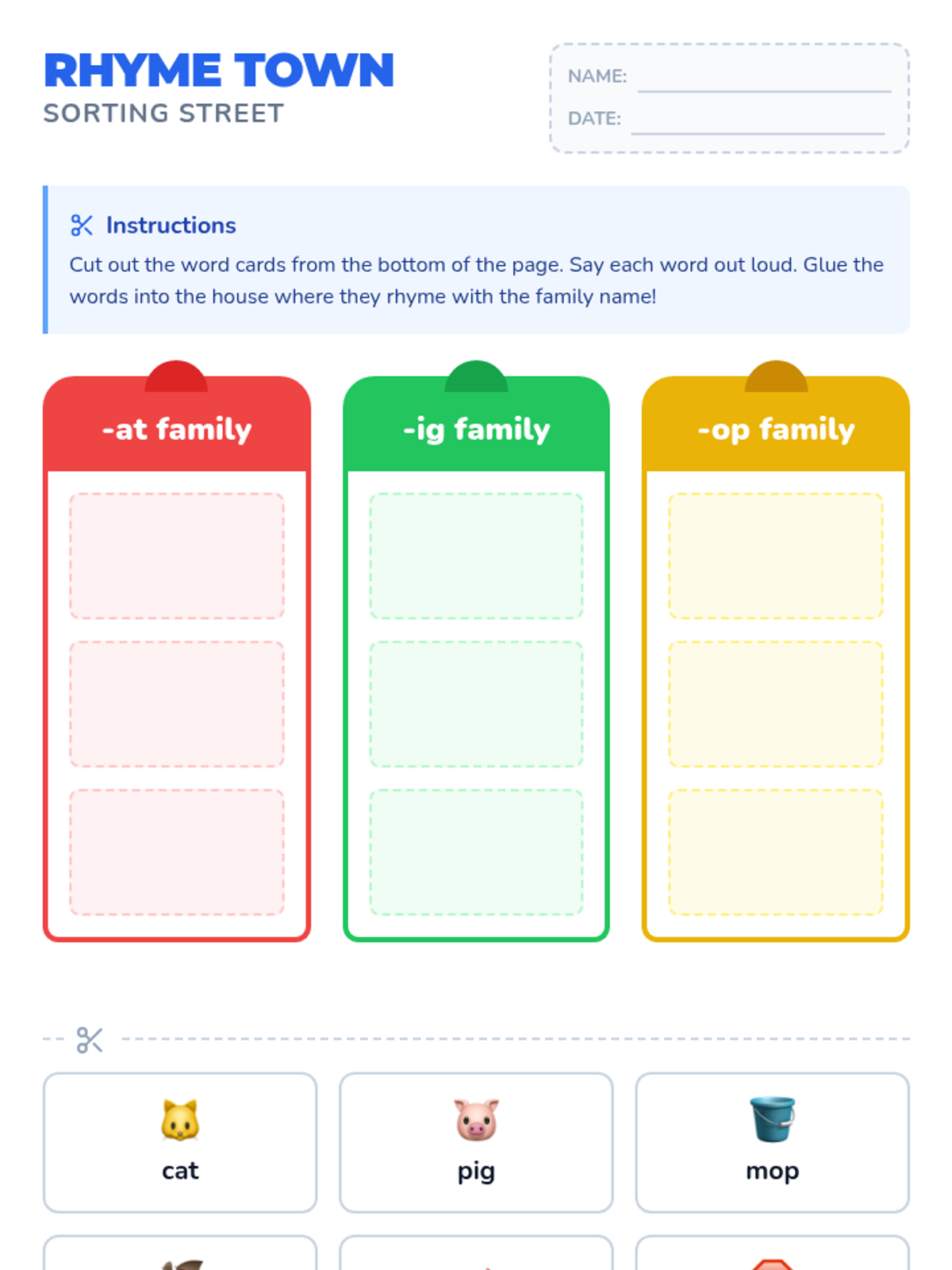
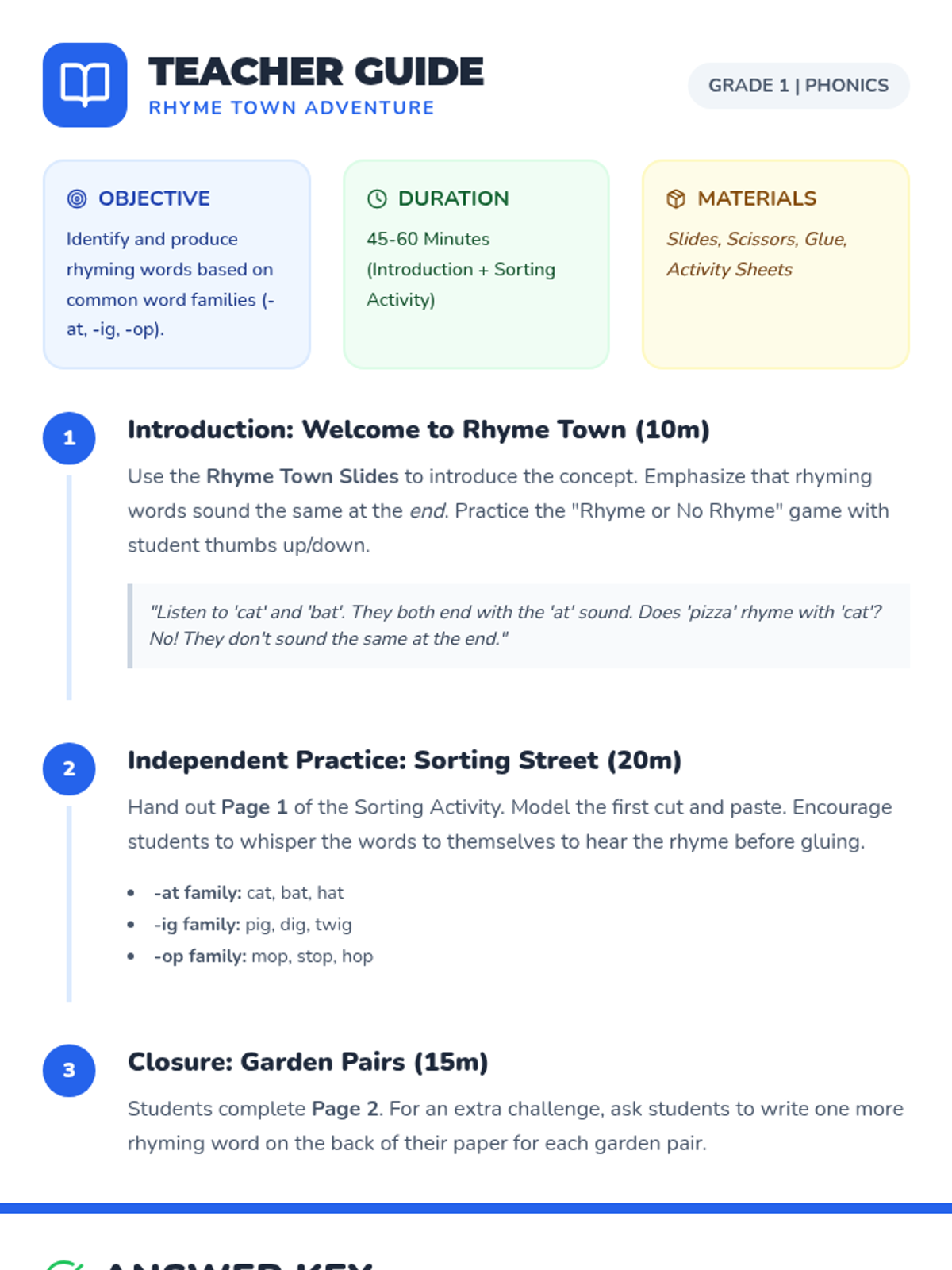
An engaging first-grade lesson focused on identifying and sorting rhyming words through a hands-on 'Rhyme Town' theme. Students will practice phonological awareness by matching words with similar ending sounds.
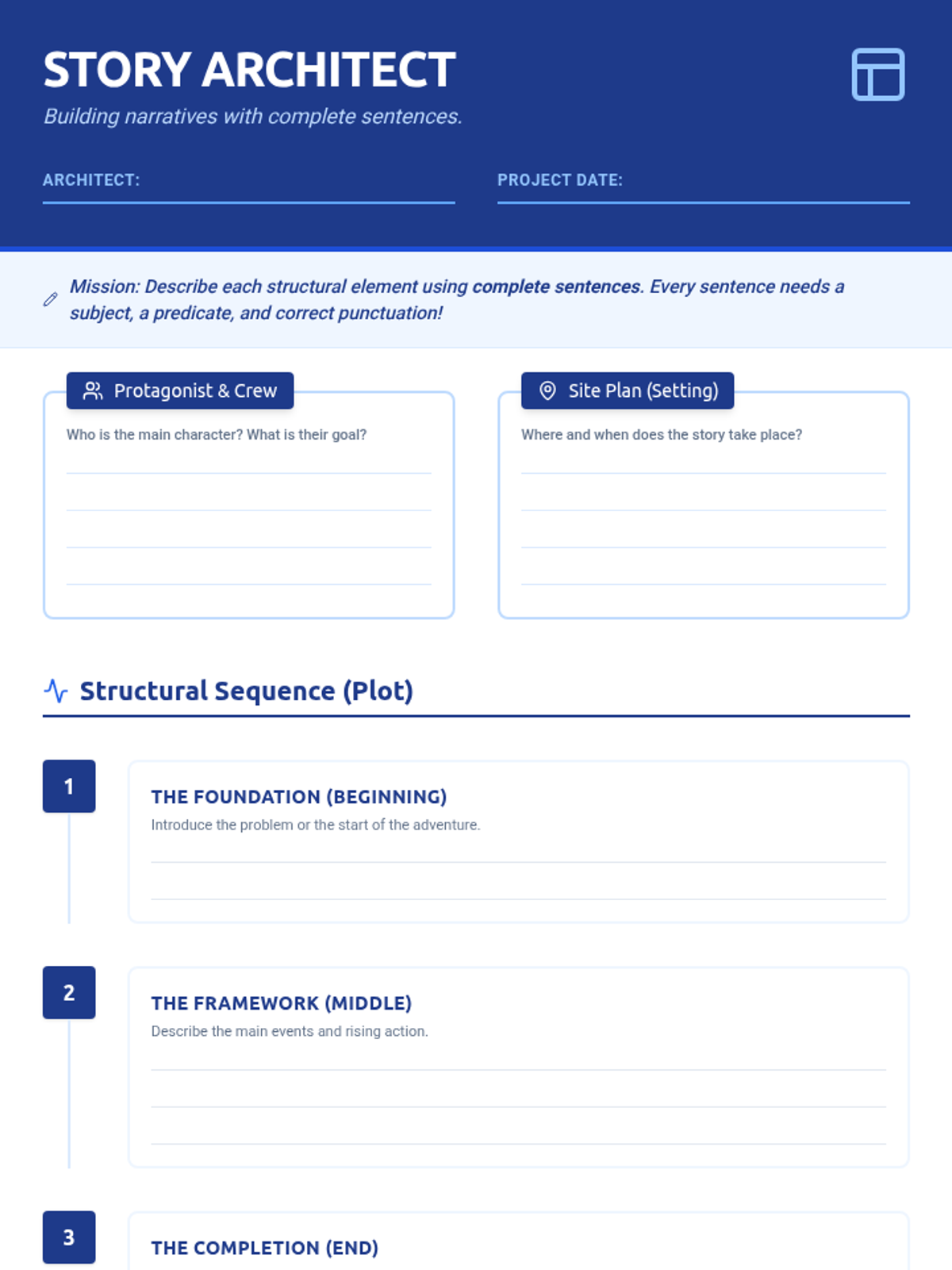
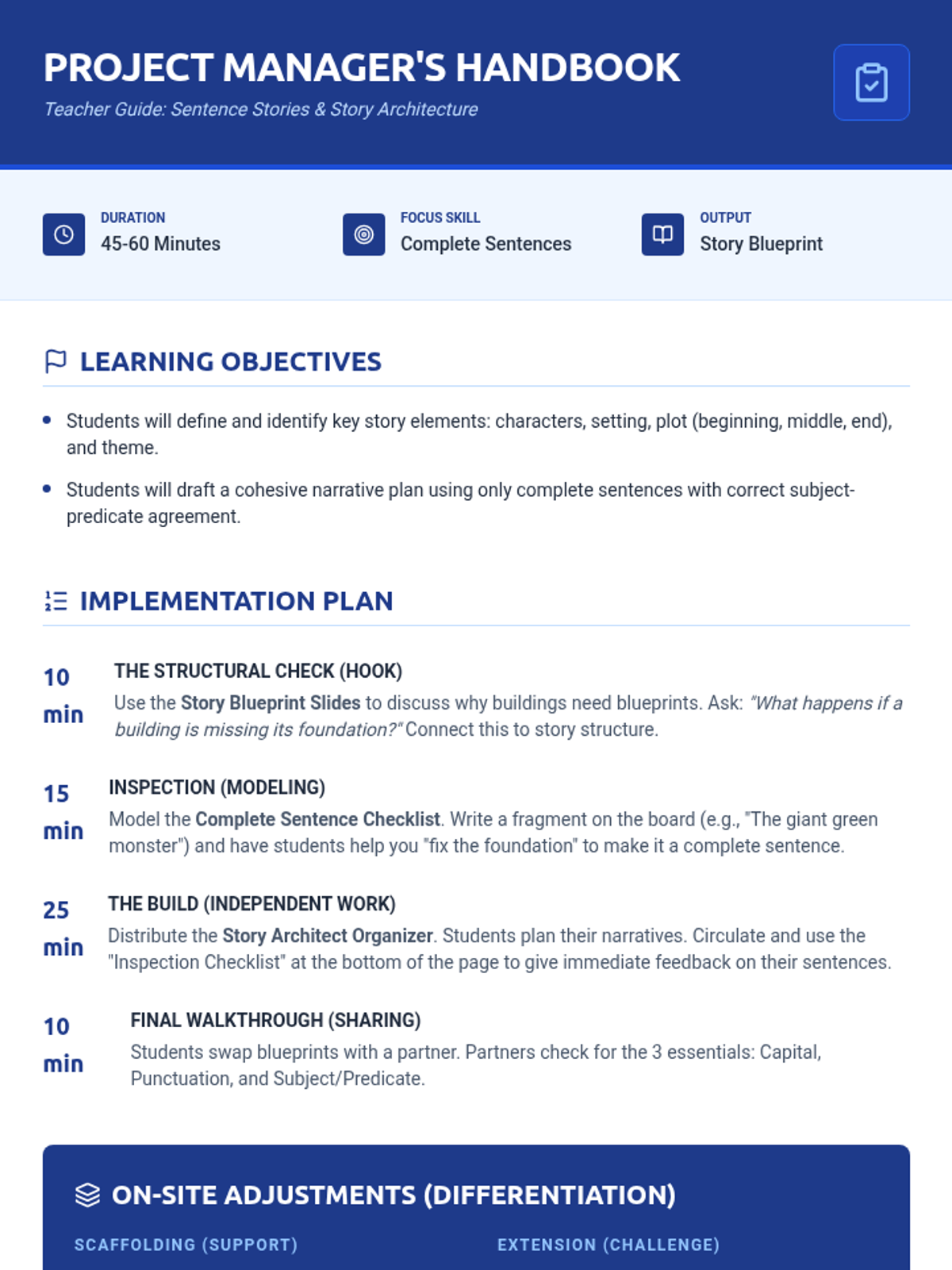
Students practice writing complete sentences while identifying and describing key story elements in their own narrative planning.
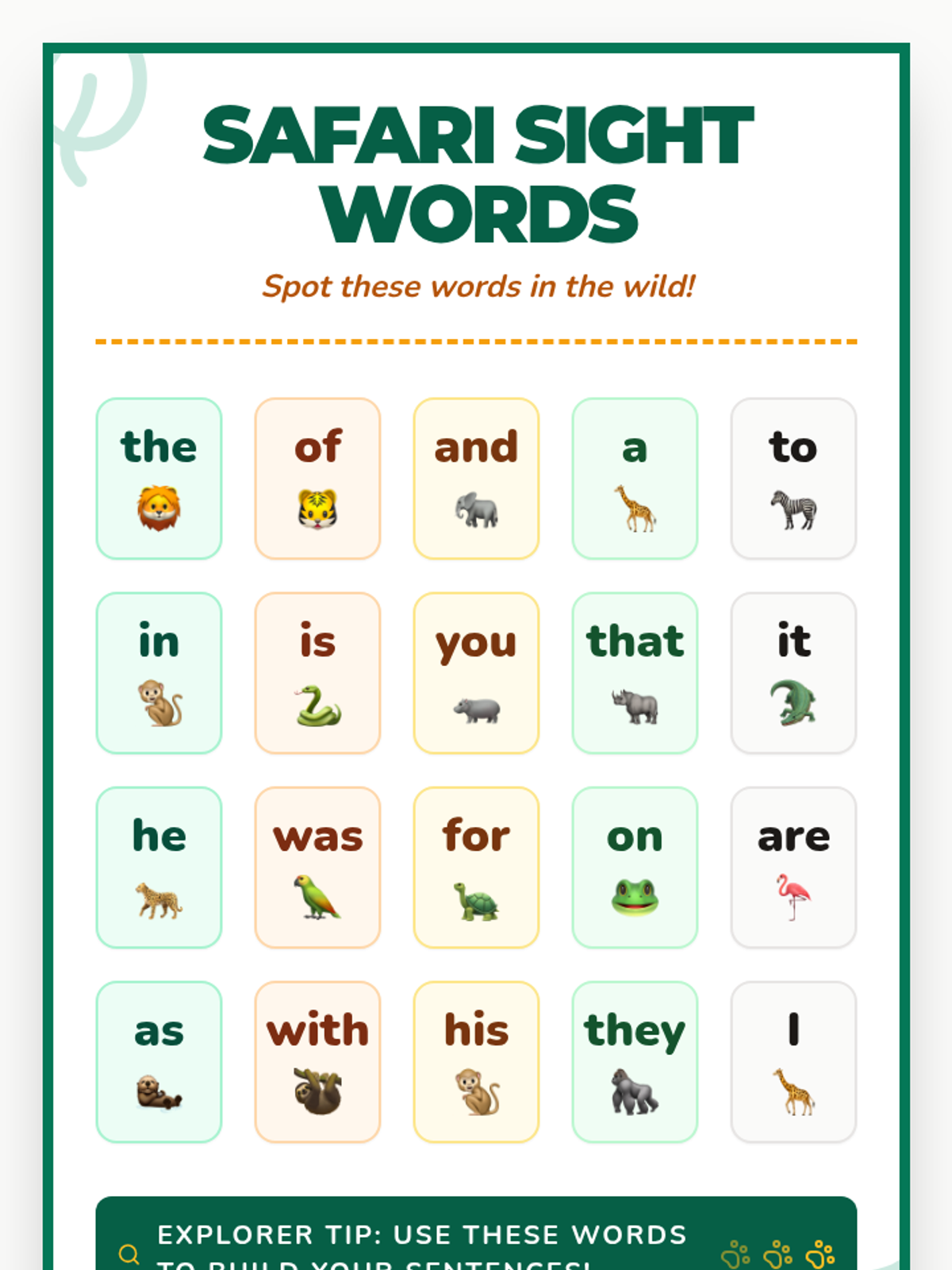
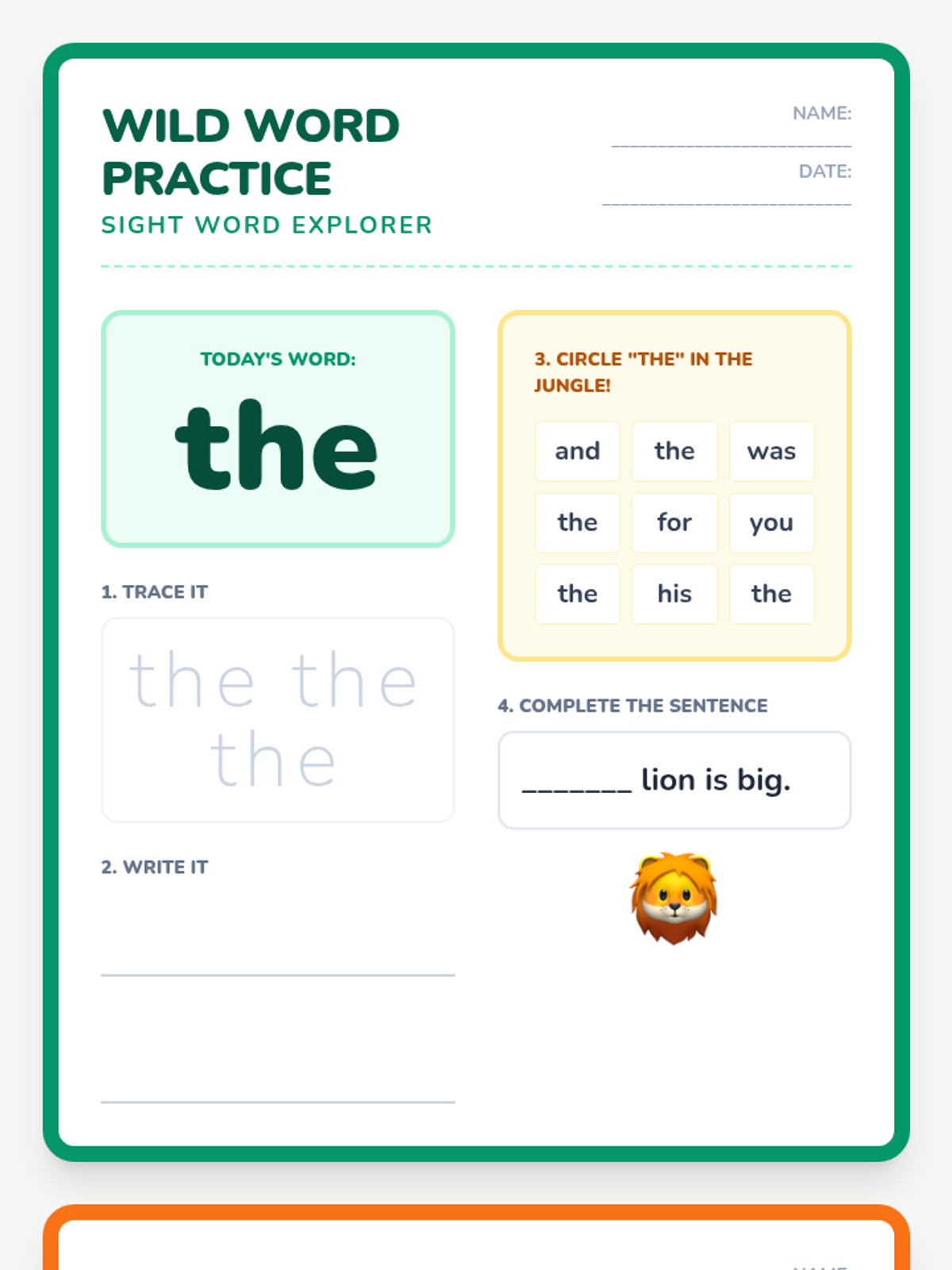
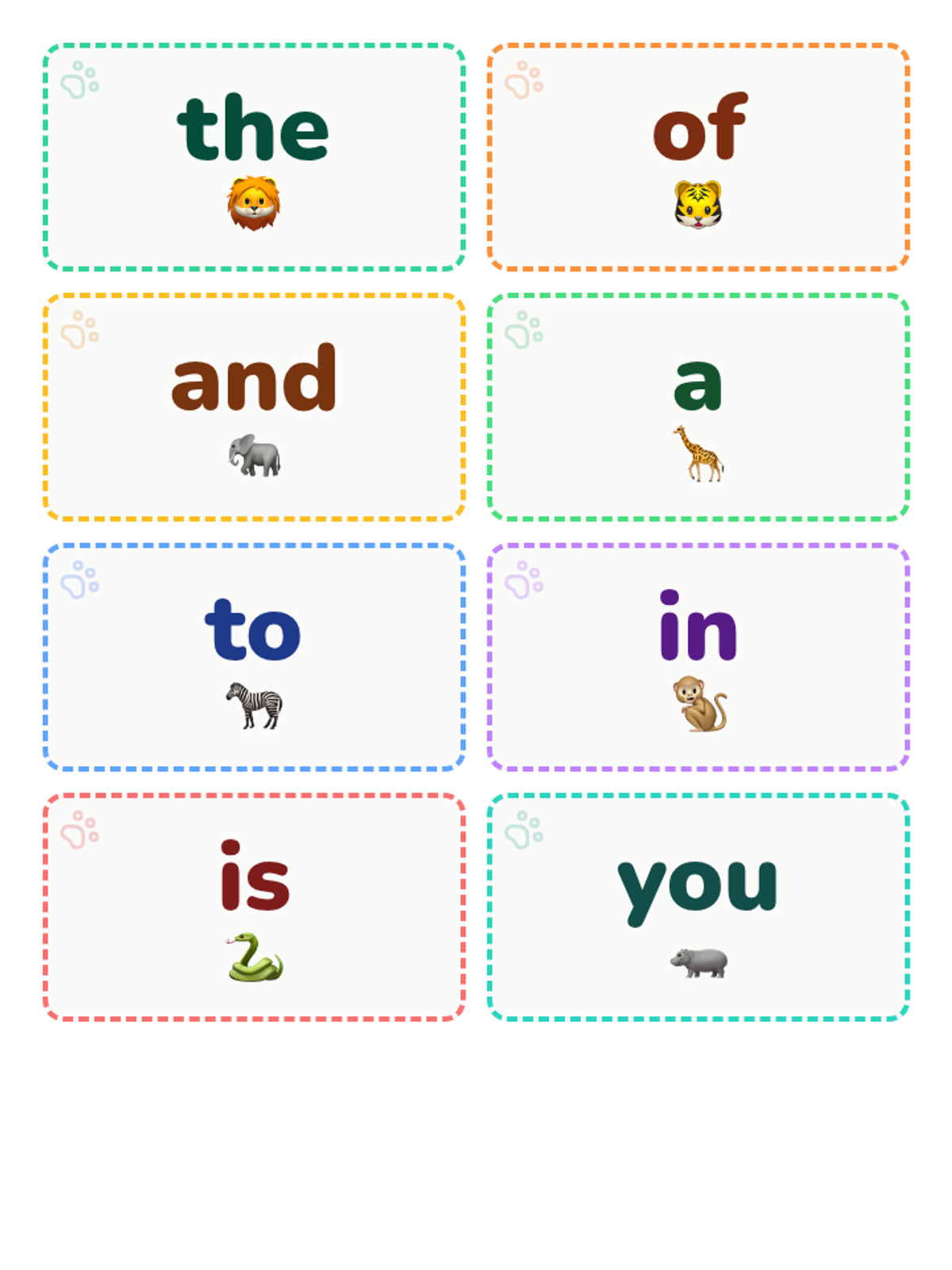
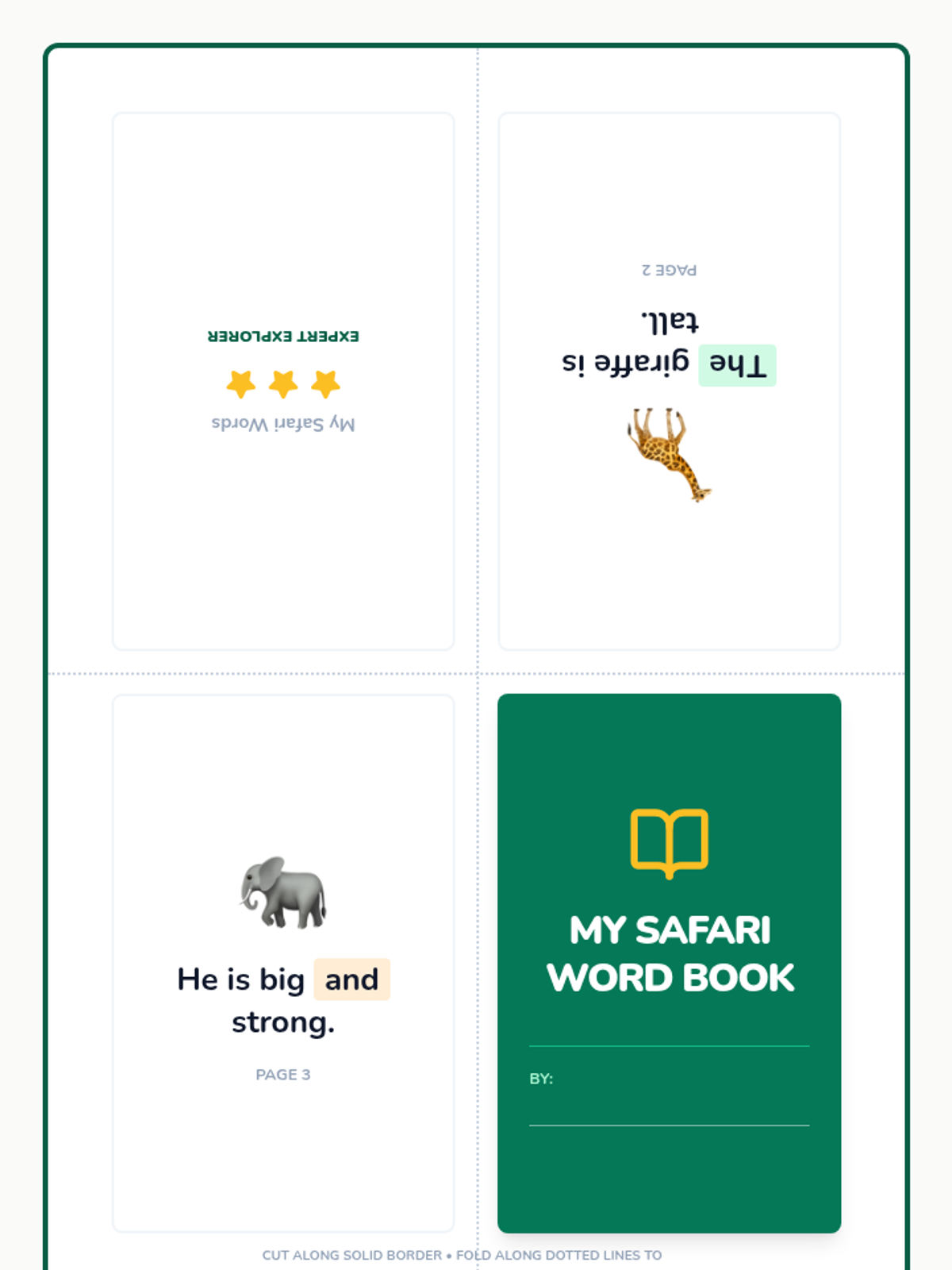
A jungle-themed sight word adventure focusing on the first 100 Fry words. This lesson includes visual aids, hands-on practice, and a mini-booklet for early readers.
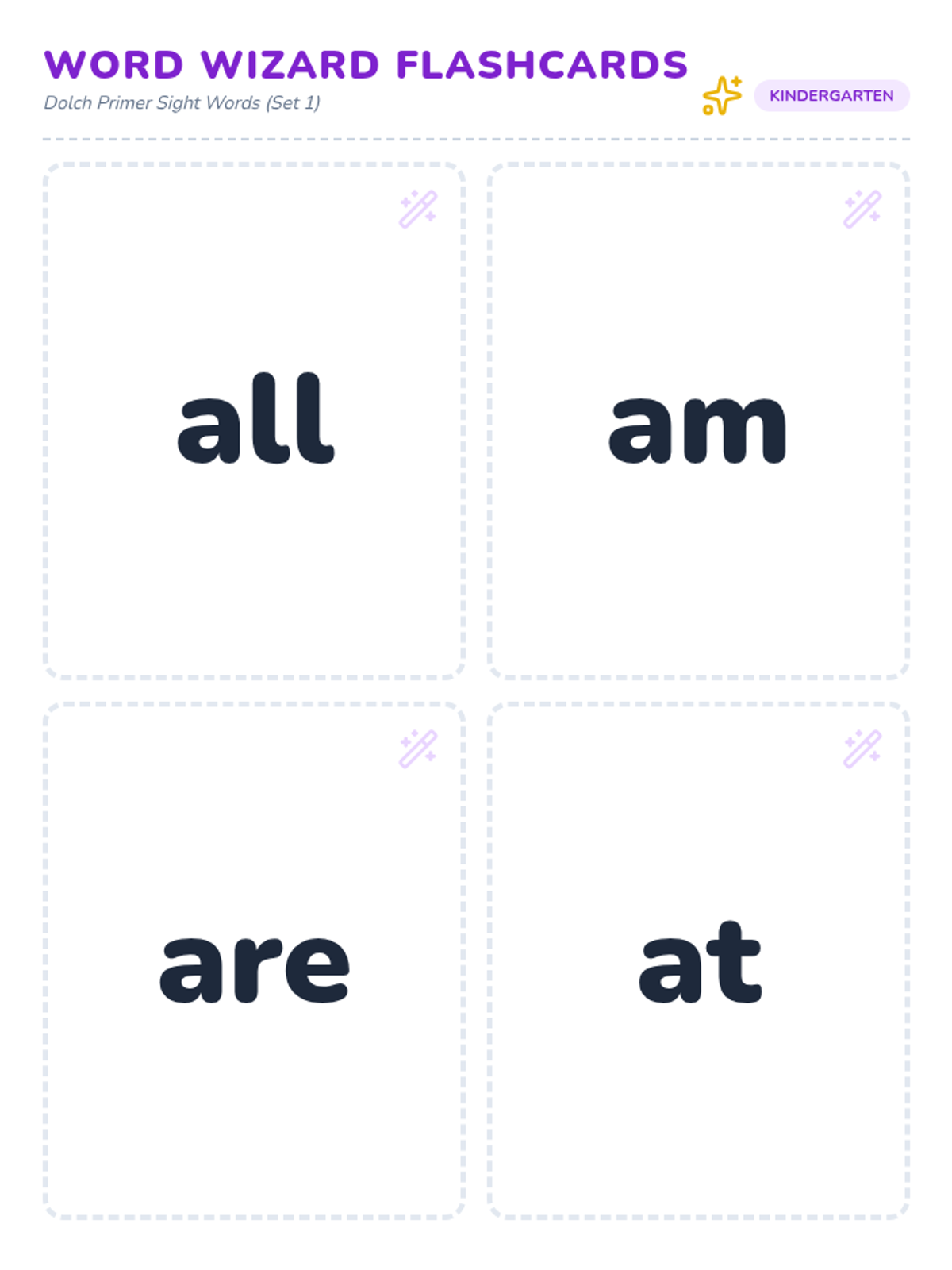
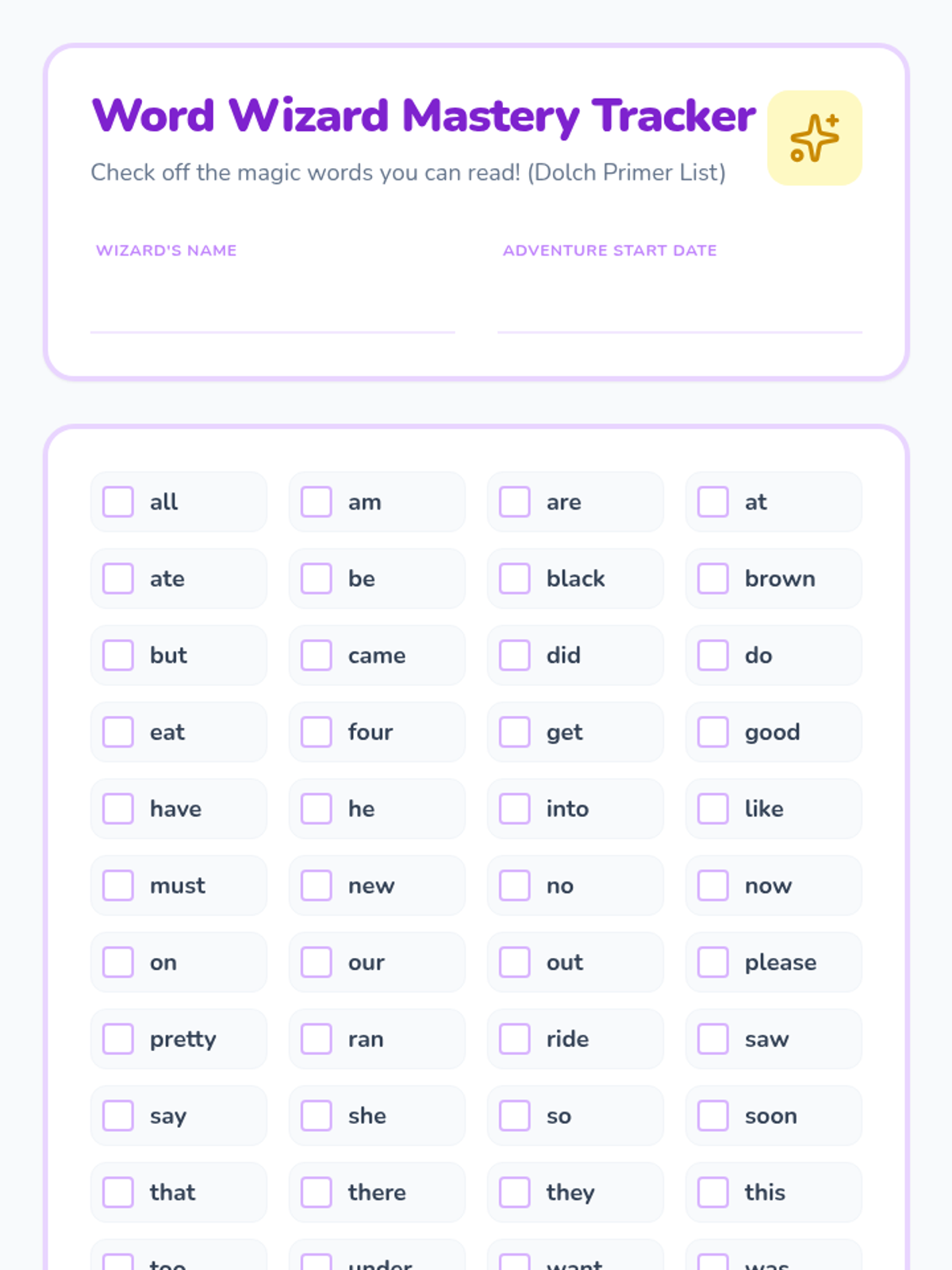
A collection of resources to help kindergarteners master the 52 Dolch Primer sight words through visual practice and progress tracking.
A fun, engaging lesson exploring the unique biology, history, and personality of llamas. Students will learn about their adaptations to high-altitude environments and their importance to Andean culture.
A lesson exploring the unique characteristics of llamas and how they compare to other camelids and pack animals, focusing on vocabulary and comparative analysis.
A first-grade guided reading lesson focused on identifying and understanding character feelings using 'clues' from text and illustrations. Students become 'Emotion Detectives' to track how characters change throughout a story.
A comprehensive lesson on the water cycle, covering evaporation, condensation, precipitation, and collection through visual aids, interactive experiments, and practice.
A fun and engaging introductory lesson for primary students to explore the basics of plant biology, including parts of a plant and what they need to grow.
In this lesson, students will take on the role of 'Flight Engineers' to explore the Engineering Design Process (EDP). They will engage with the iterative stages of Ask, Imagine, Plan, Create, and Improve through a hands-on aerospace challenge.
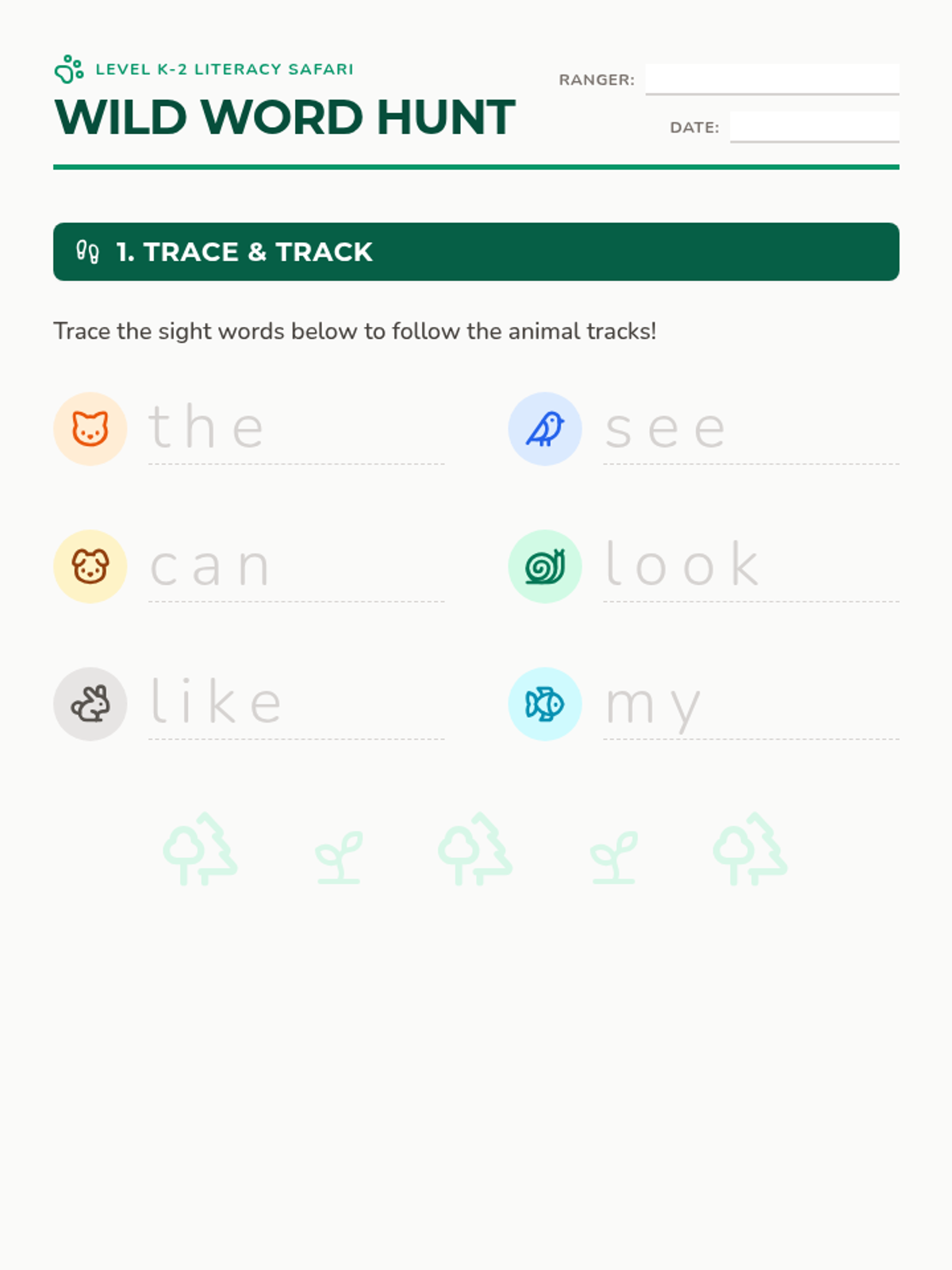
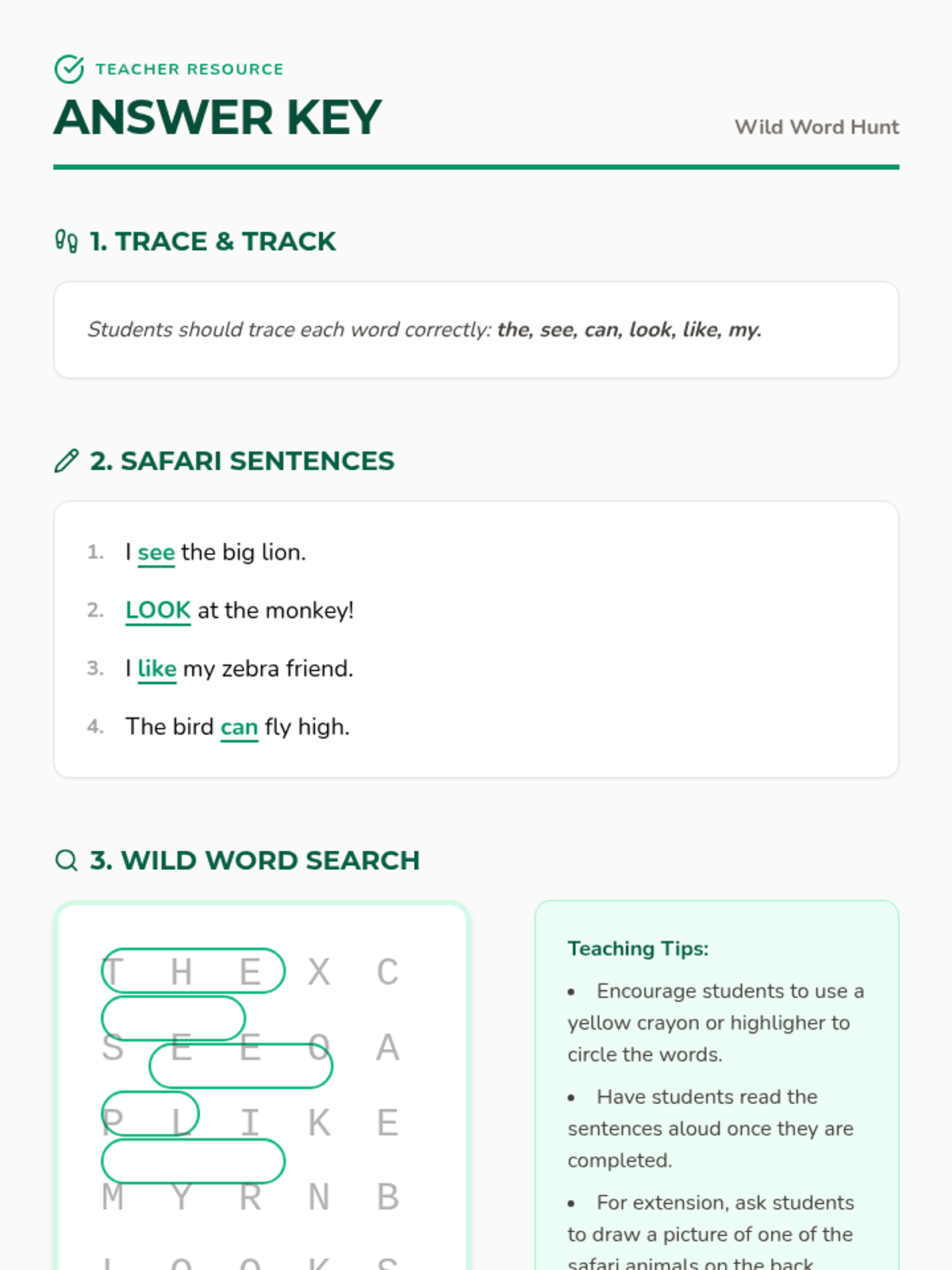
A fun, animal-themed sight word practice lesson for K-2 students focusing on recognition, tracing, and usage in simple sentences.
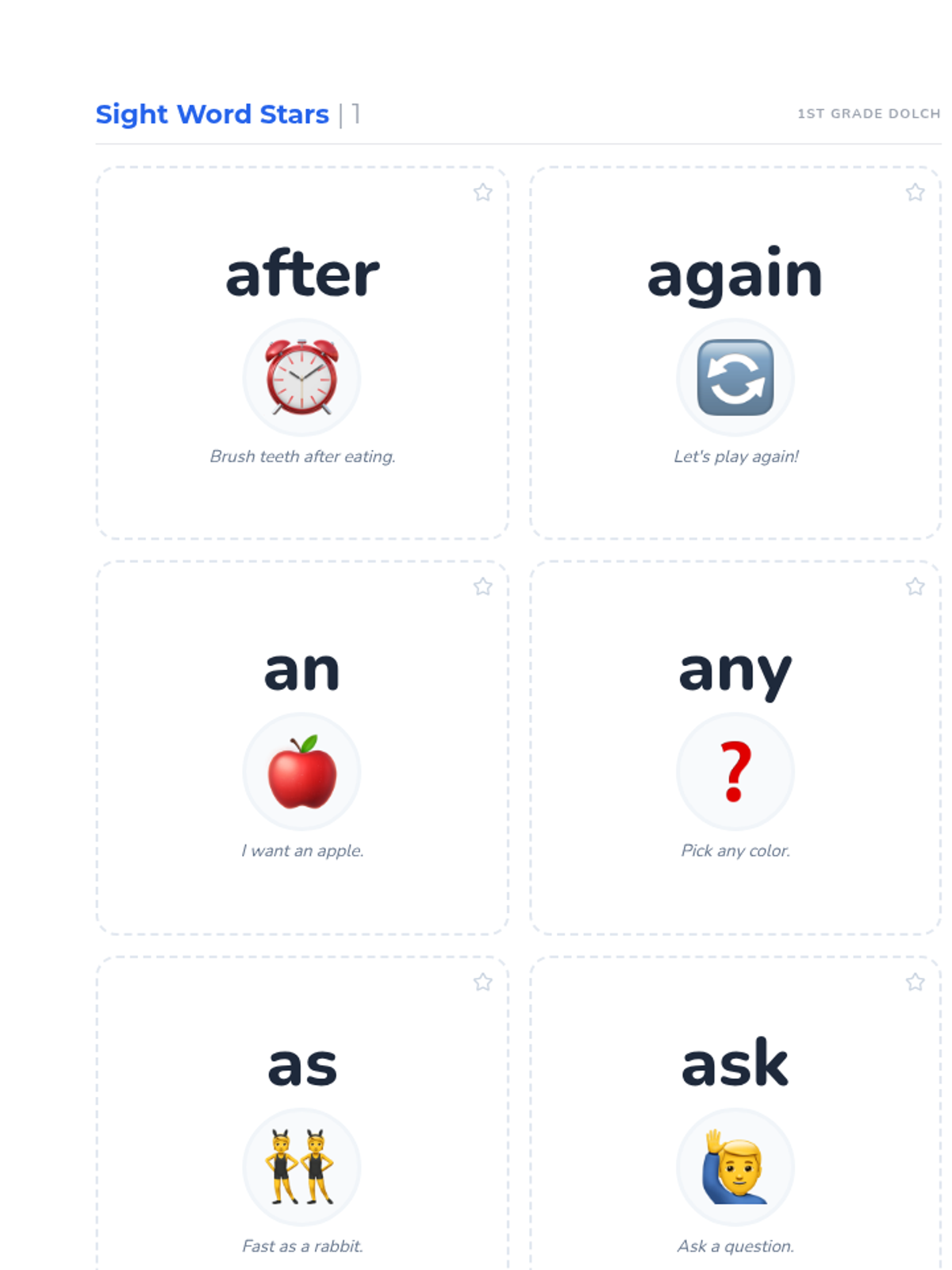
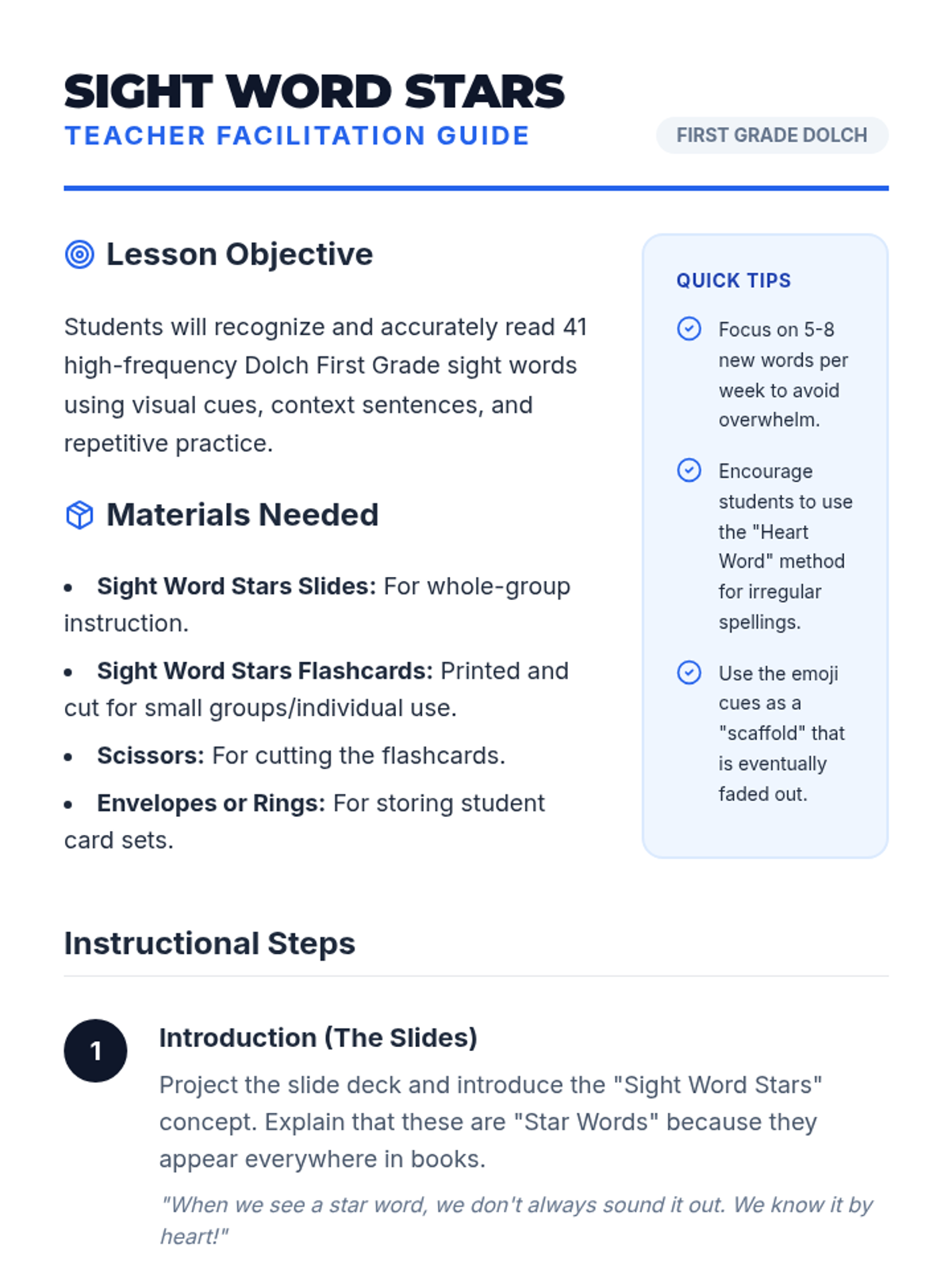
A foundational reading lesson focusing on the Dolch First Grade sight word list using visual cues and interactive flashcards.
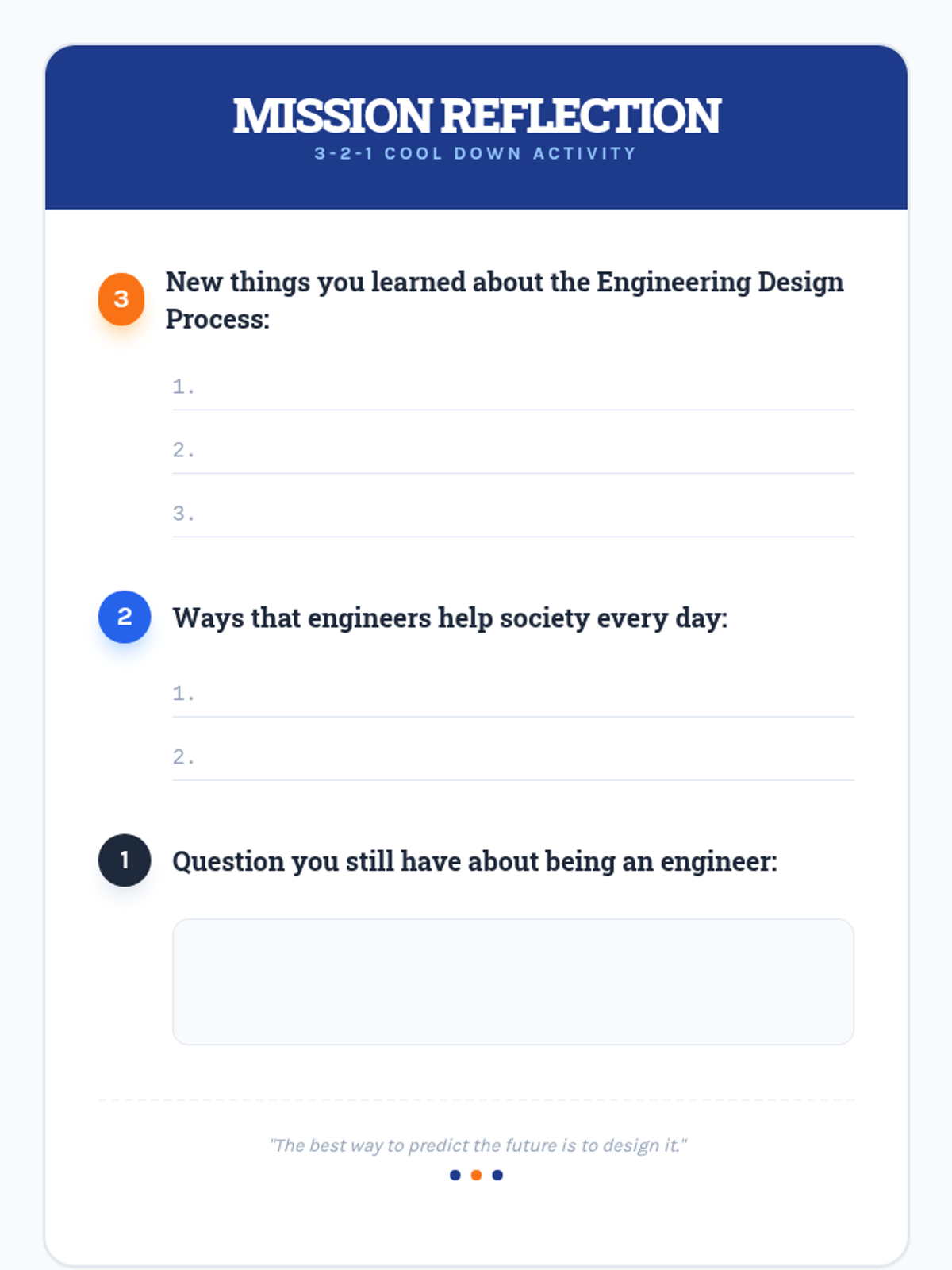
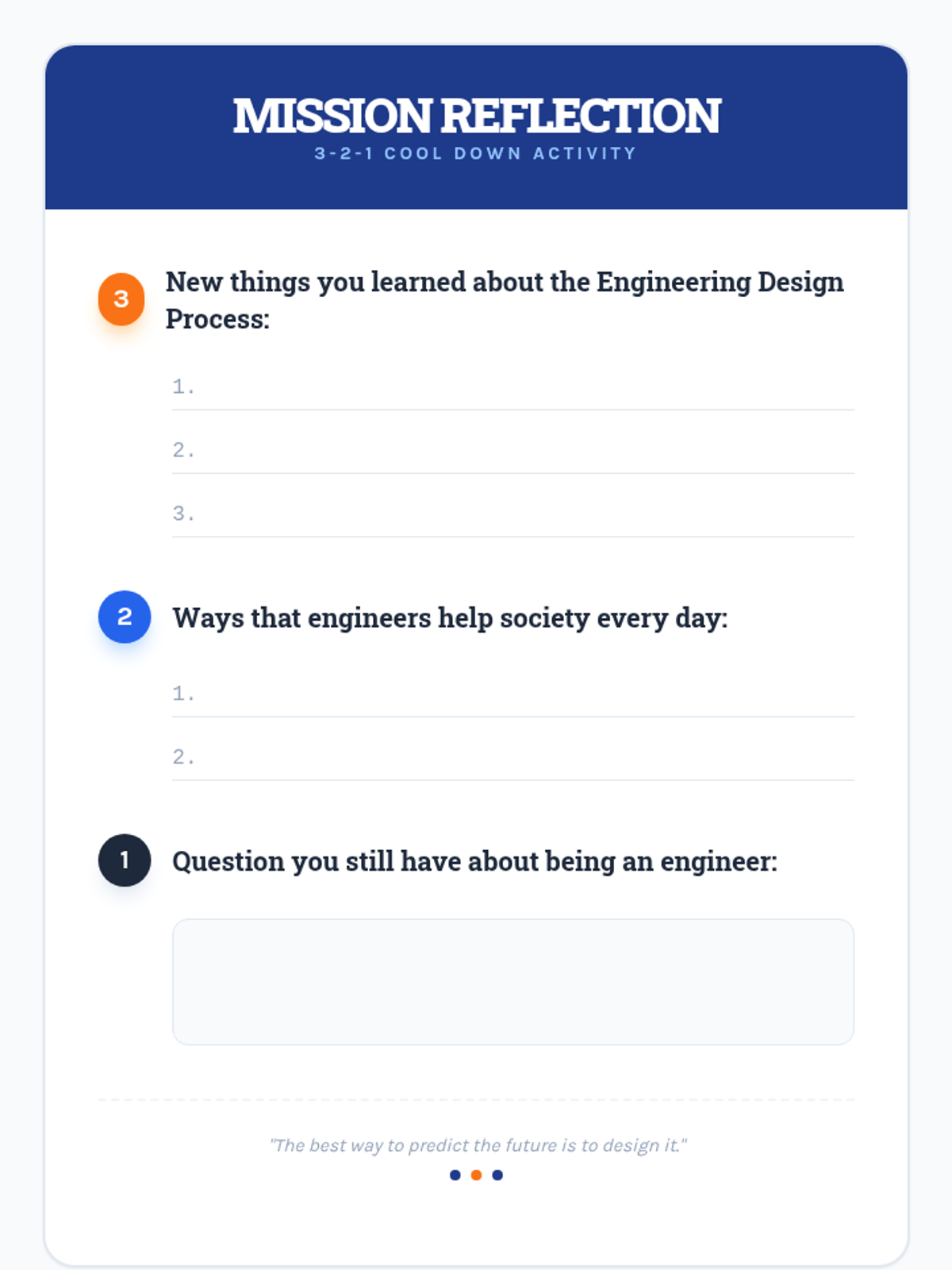
In this lesson, students will take on the role of 'Mission Engineers' to explore the Engineering Design Process (EDP). They will learn to identify problems, brainstorm solutions, build prototypes, and iterate on their designs through hands-on challenges.
A reading comprehension lesson where students explore the physical traits, behaviors, and high-altitude habitats of llamas while practicing key literacy skills.
In this lesson, students will take on the role of 'Chief Engineers' to explore the Engineering Design Process (EDP). Through hands-on challenges and collaborative problem-solving, they will learn to define problems, brainstorm solutions, create prototypes, and iterate on their designs.
A hands-on introduction to the Engineering Design Process (EDP), guiding students through the stages of Ask, Imagine, Plan, Create, and Improve through a mini-challenge.
A fun and informative lesson where students discover the unique characteristics of llamas and learn how to distinguish them from their alpaca cousins through reading, vocabulary building, and comparative analysis.
A fun and informative lesson on llamas, focusing on their physical characteristics, habitats, and roles in South American culture. Students will practice reading comprehension and identification skills.
A high-energy, hands-on introduction to the Engineering Design Process (EDP) where students take on the role of 'Mission Engineers' to solve a rapid-fire design challenge.
A reading comprehension lesson where students explore the world of llamas and learn to distinguish them from their South American cousins, specifically alpacas and camels.
Students are introduced to the Engineering Design Process (EDP) through a collaborative tower-building challenge, learning the importance of constraints and iteration.
An introductory lesson on the water cycle focusing on the core stages of evaporation, condensation, and precipitation using visual models and hands-on demonstrations.
Explore how water moves across the Earth and how human impact affects water quality and the cycle.
An introductory lesson exploring the continuous movement of water on Earth, focusing on the key stages of the water cycle.
The final stage of the EDP where students test their designs, gather data, and iterate for improvement.
Students learn about materials, constraints, and building techniques as they move into the 'Plan' and 'Create' stages.
Focuses on the 'Define' and 'Imagine' stages of the EDP through a real-world problem-solving scenario.
Students are introduced to the five stages of the Engineering Design Process and apply them to a simple 'Paper Tower' challenge.
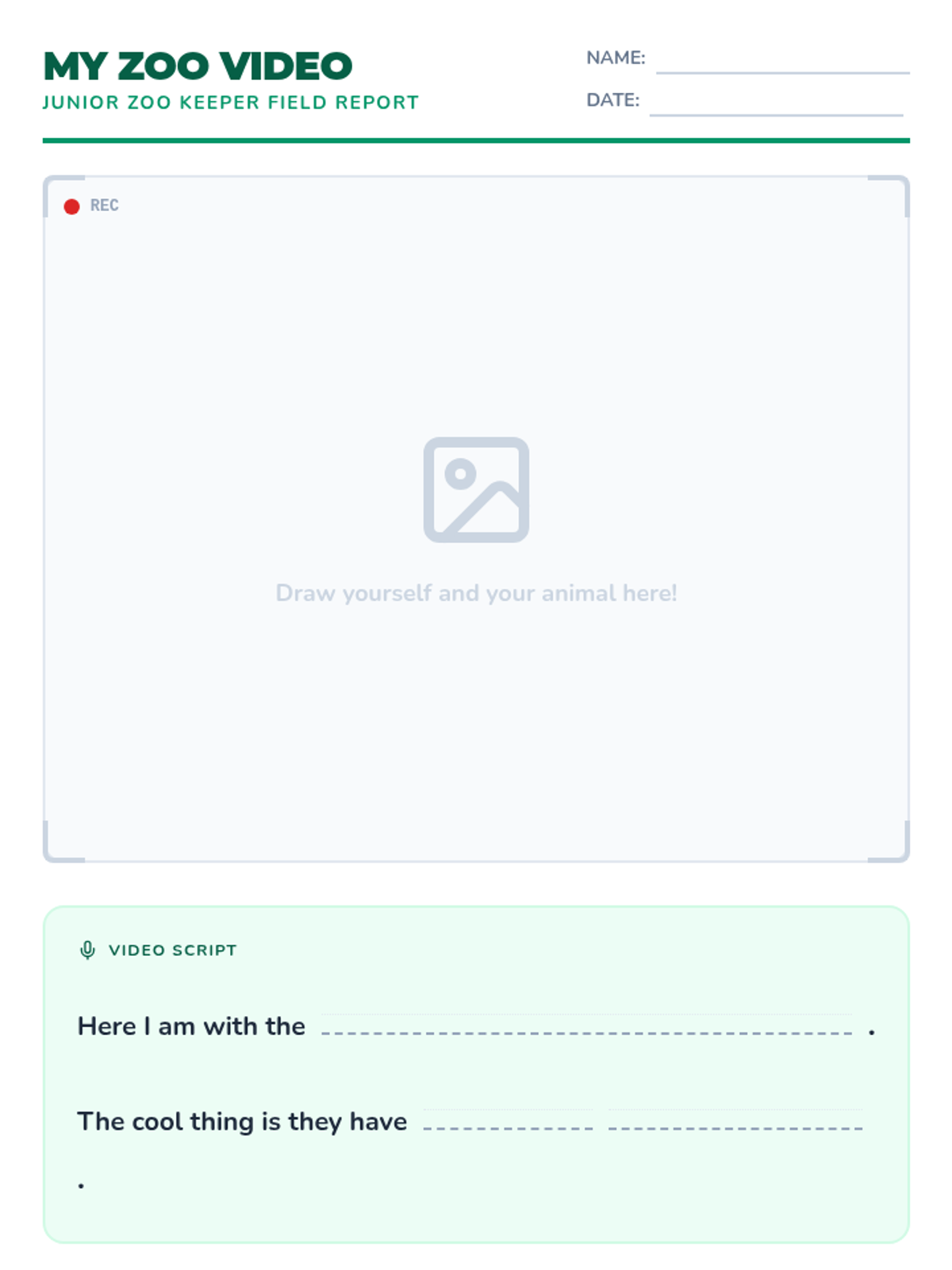
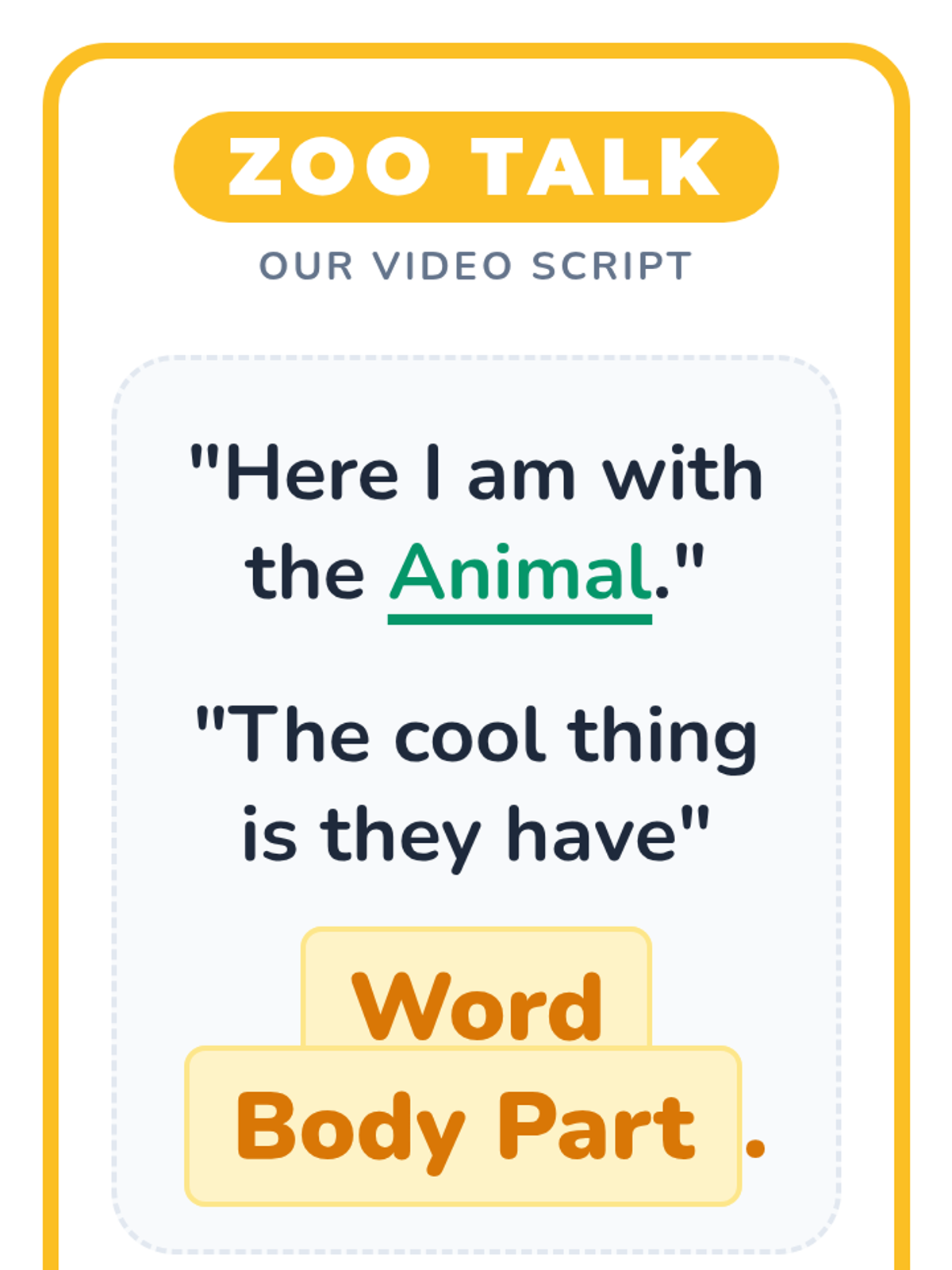
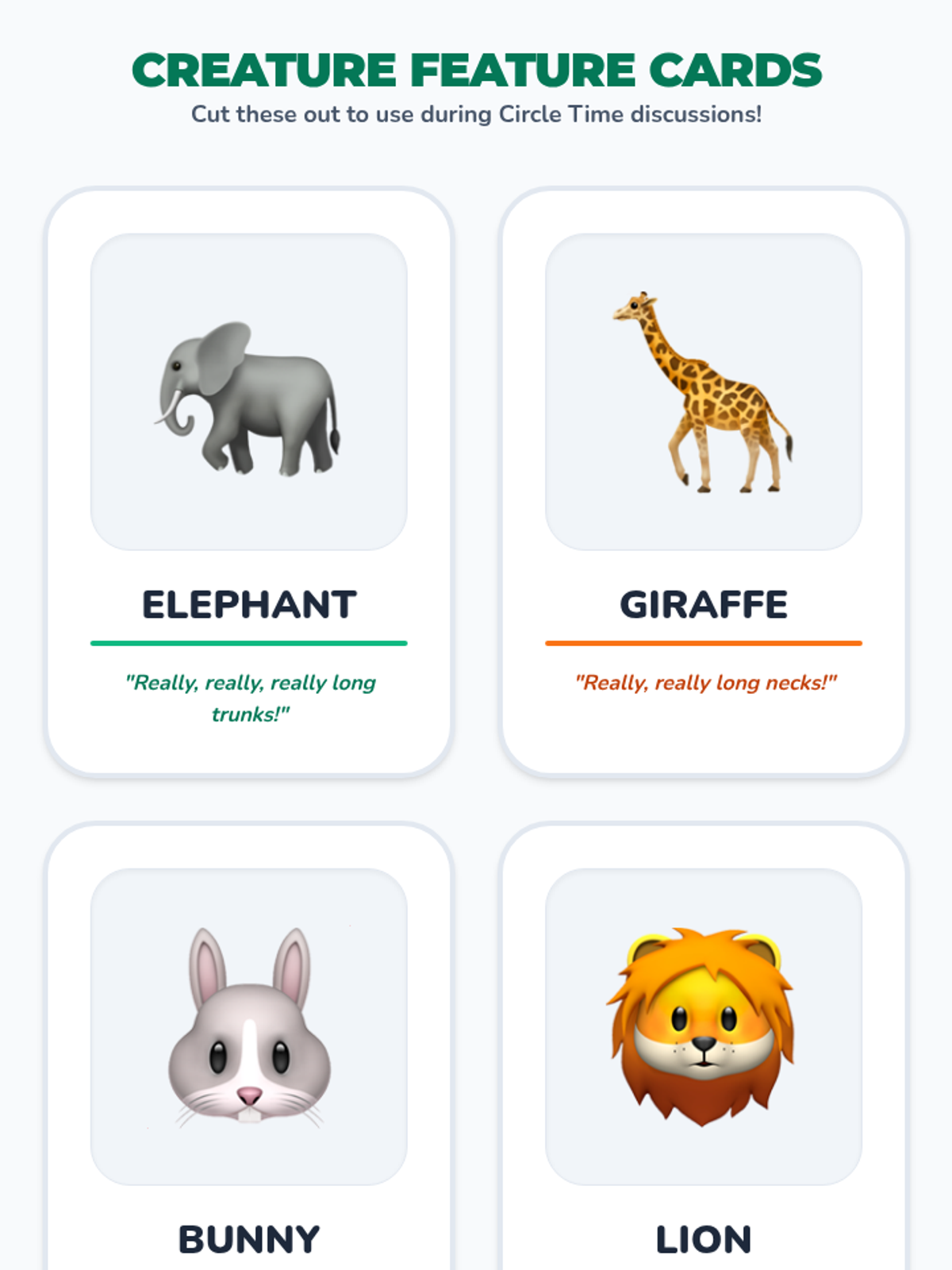
A fun, introductory lesson for early learners to practice descriptive language through the lens of animals, inspired by the first-ever YouTube video. Students identify animal features and use a simple sentence frame to share their observations.
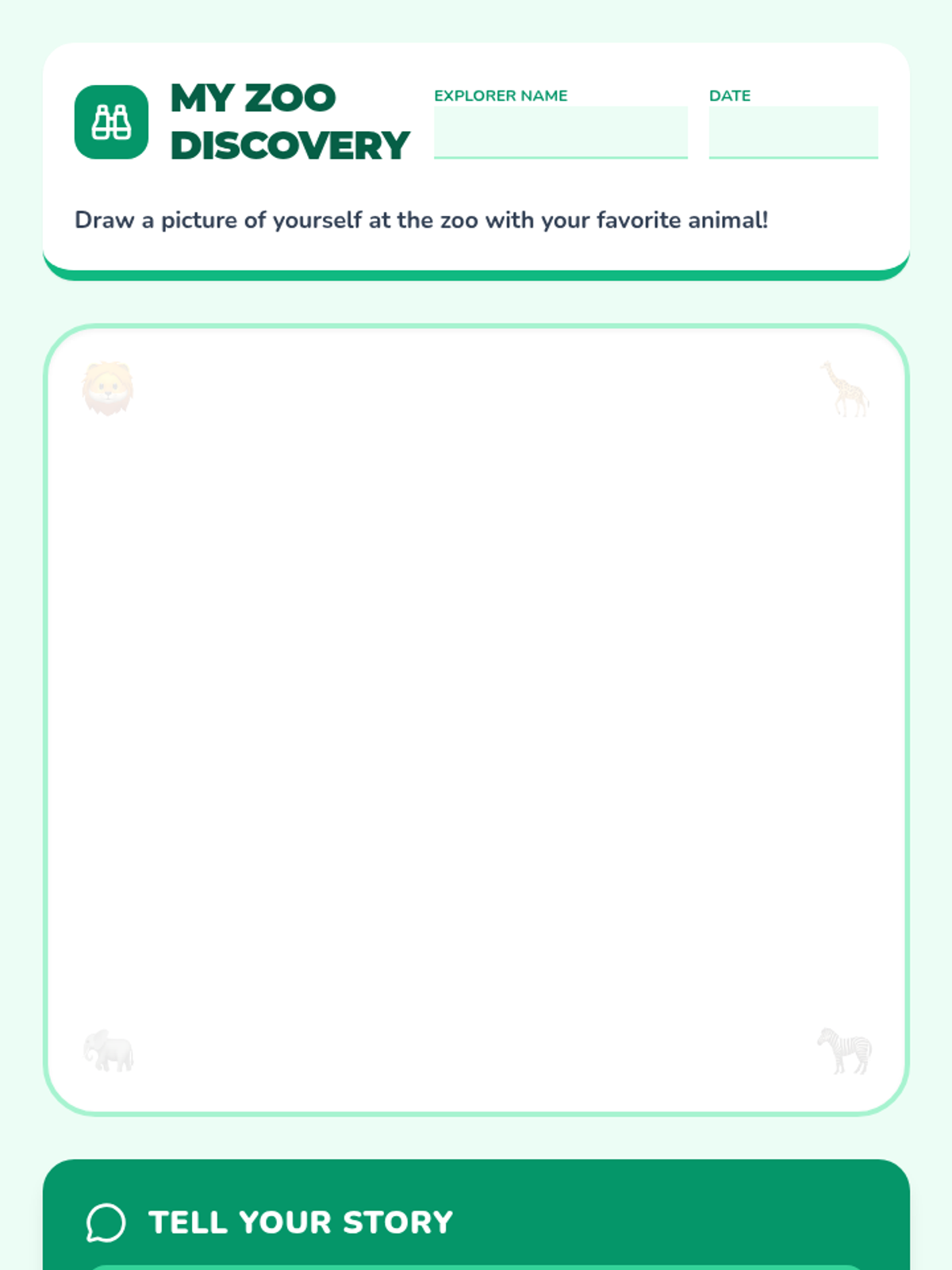
A fun, interactive lesson for Pre-K to 1st Grade focusing on identifying animals and using descriptive language to describe their unique physical features. Students will watch the first-ever YouTube video and practice their observation skills through 'I Spy' and drawing activities.
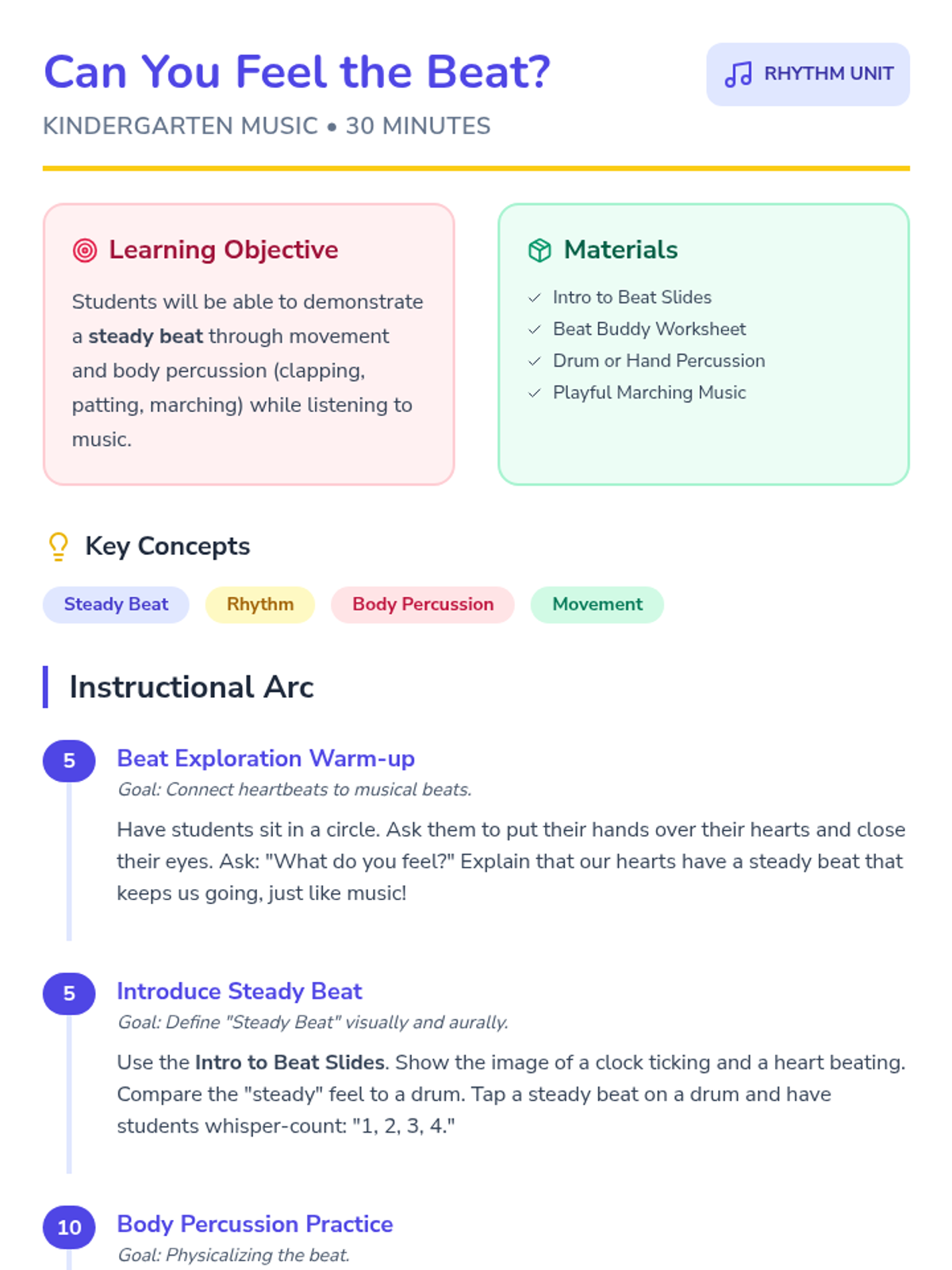
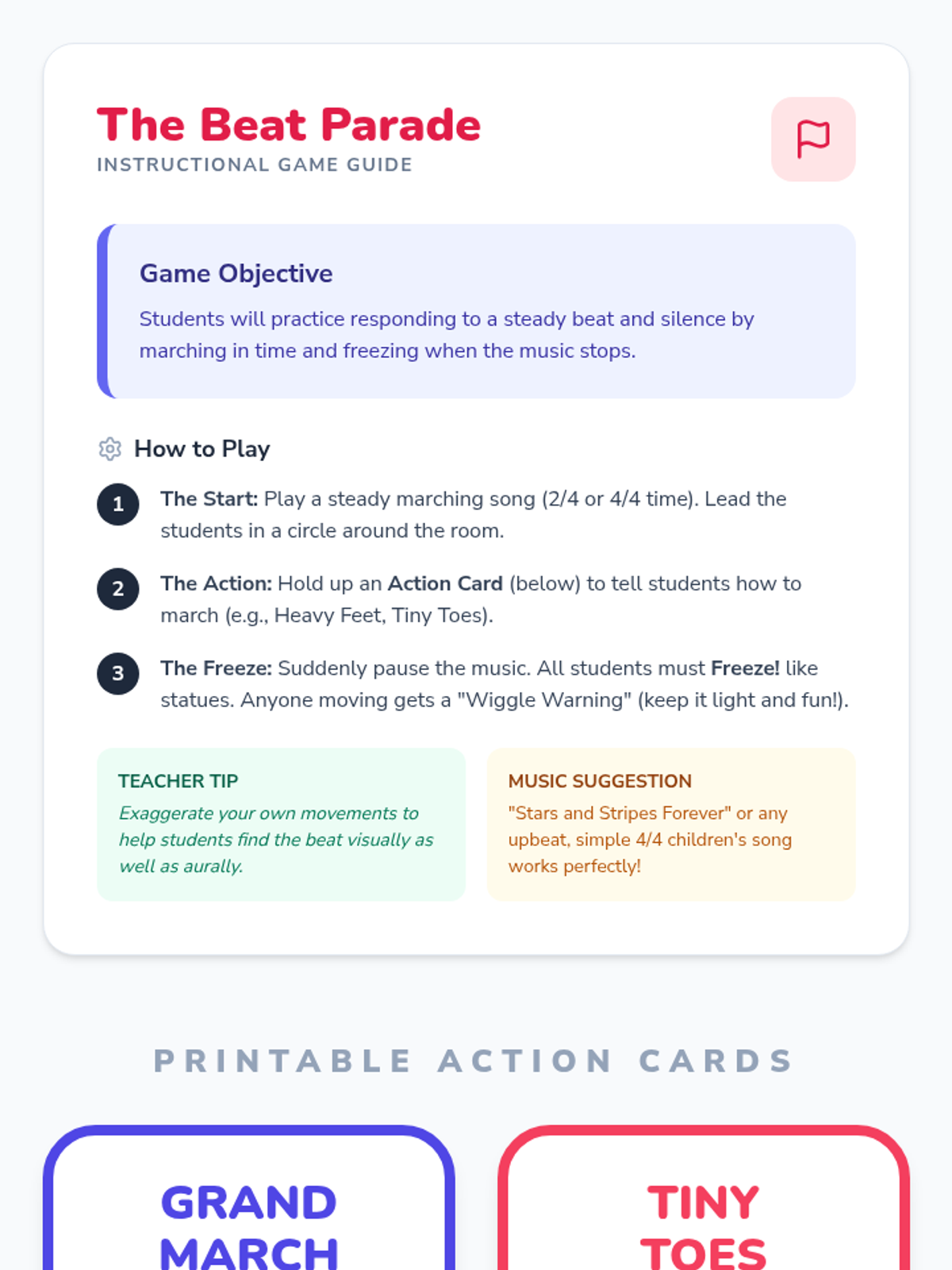
A 30-minute introductory music lesson for Kindergarteners to explore and demonstrate a steady beat using body percussion and movement.
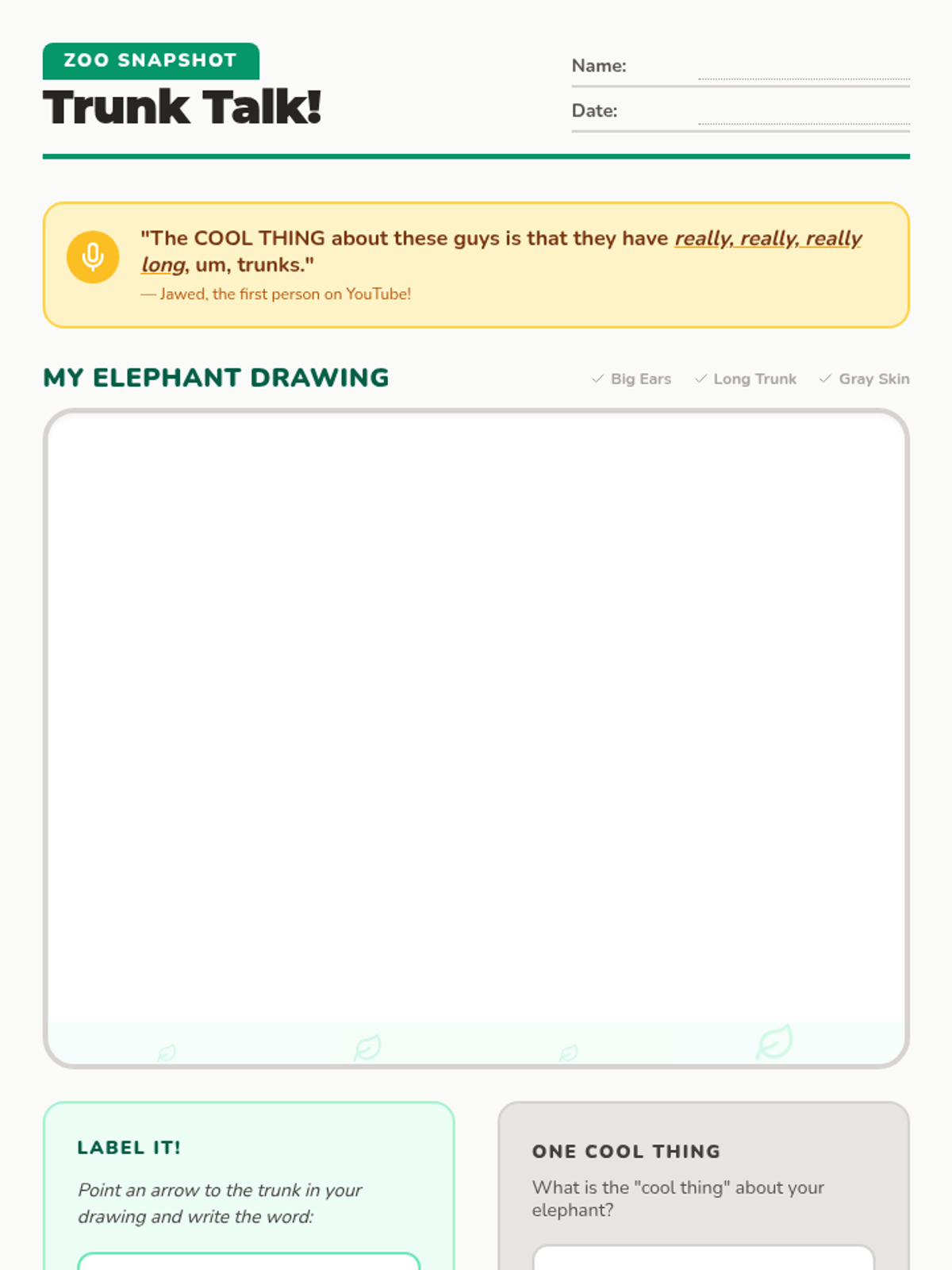
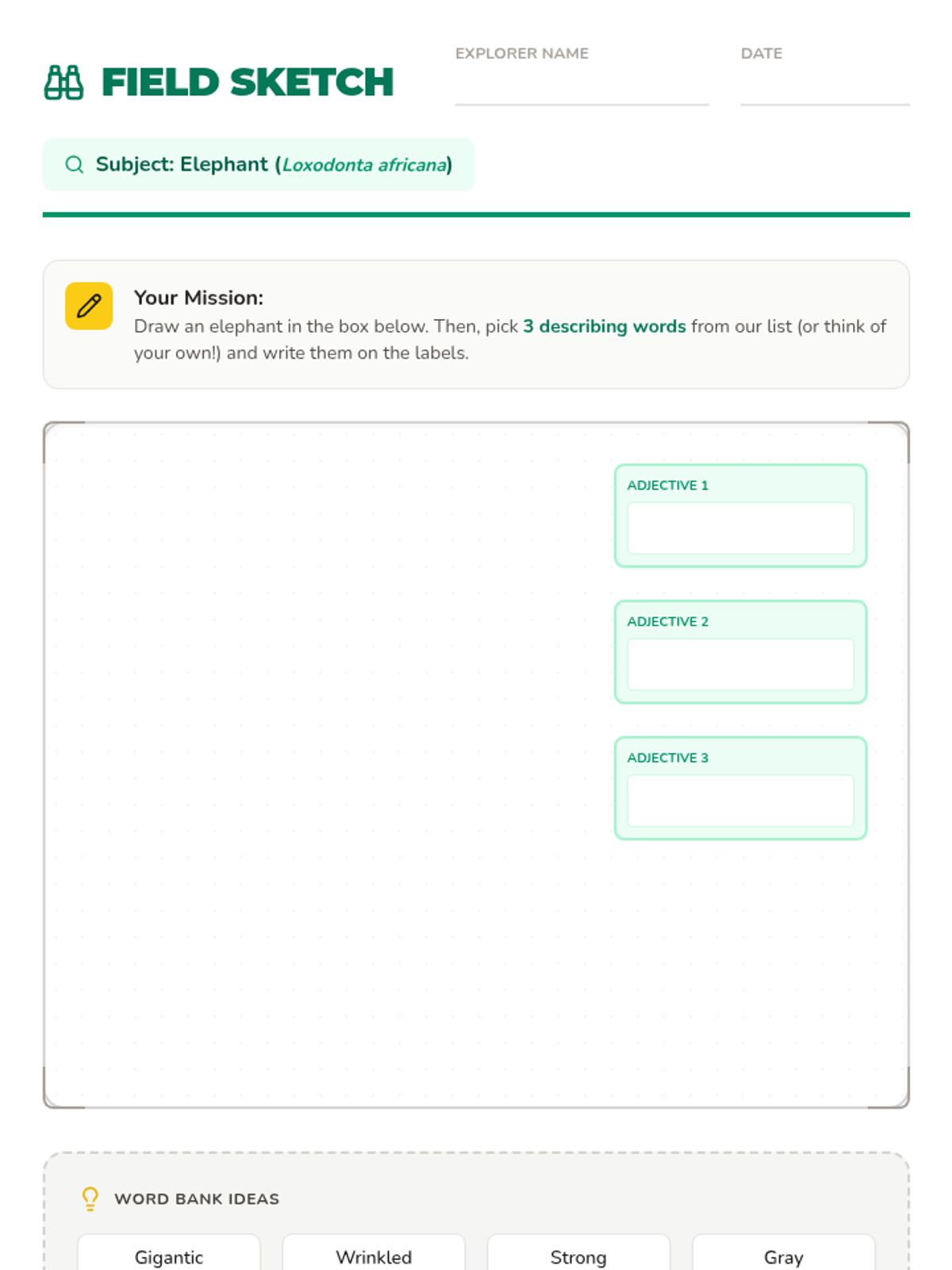
A Kindergarten to 2nd Grade lesson exploring the first YouTube video ever made, focusing on observation skills, animal characteristics, and the evolution of digital content. Students will identify key details about elephants and create their own drawings based on the video's descriptions.
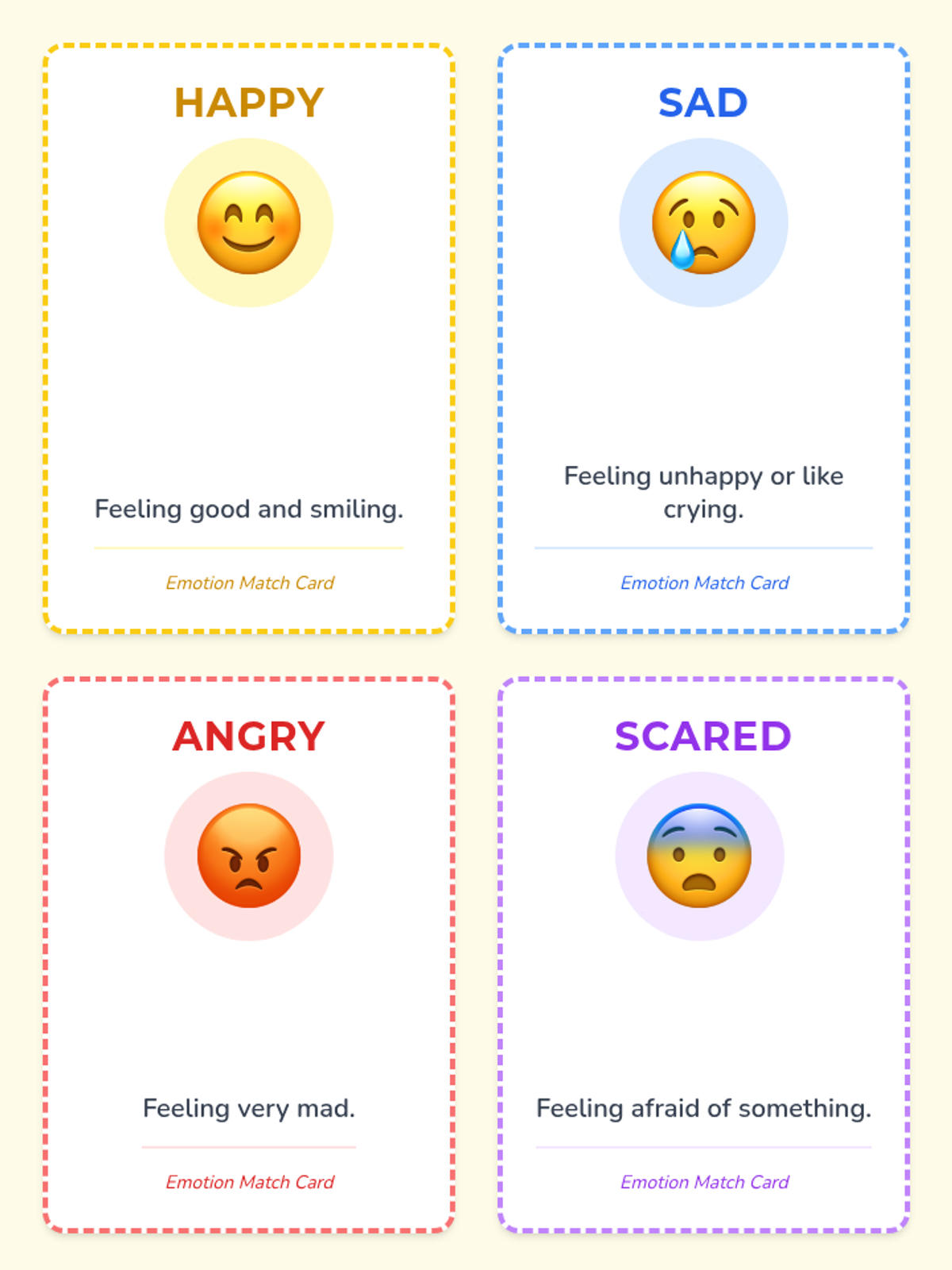
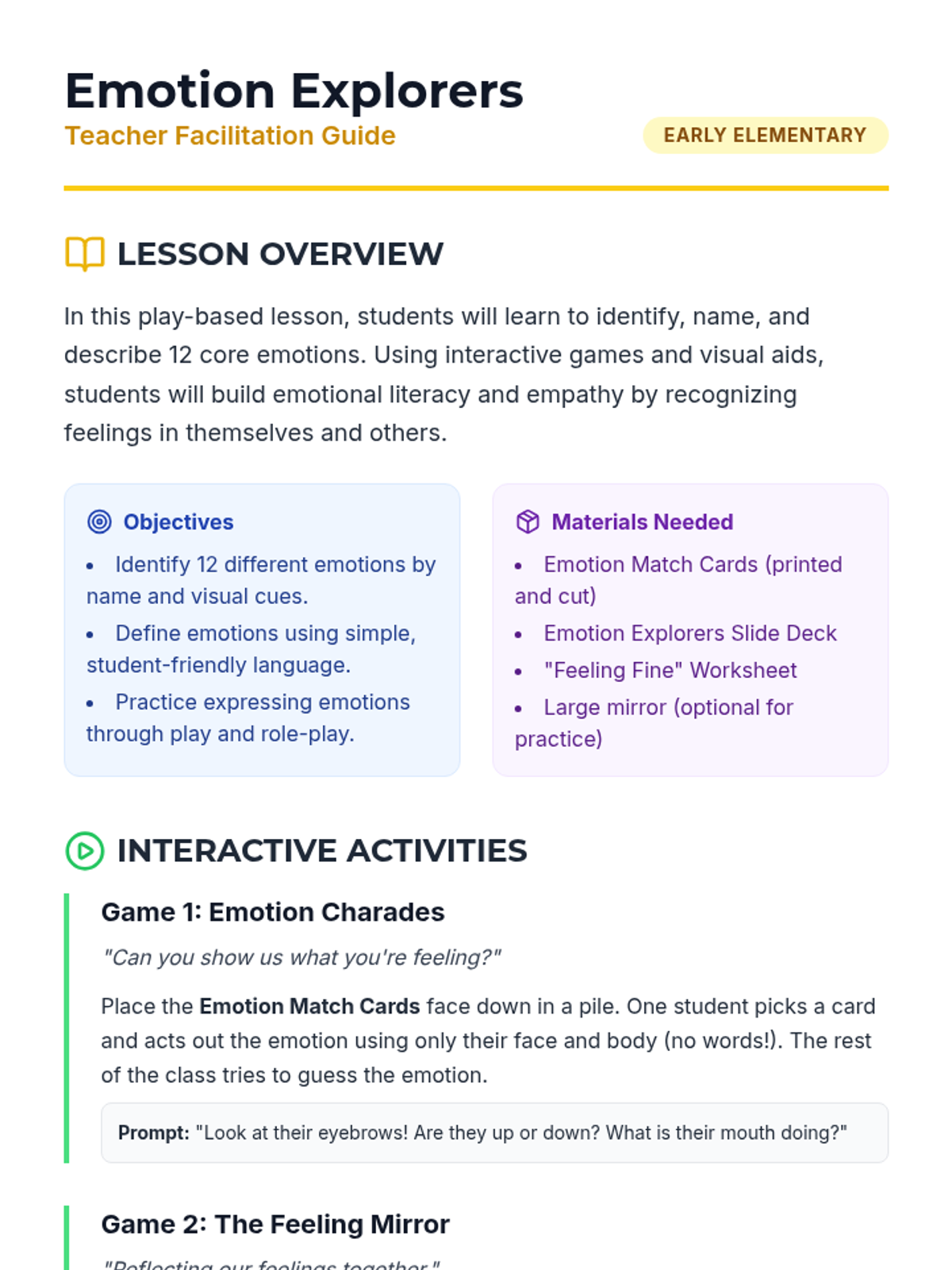
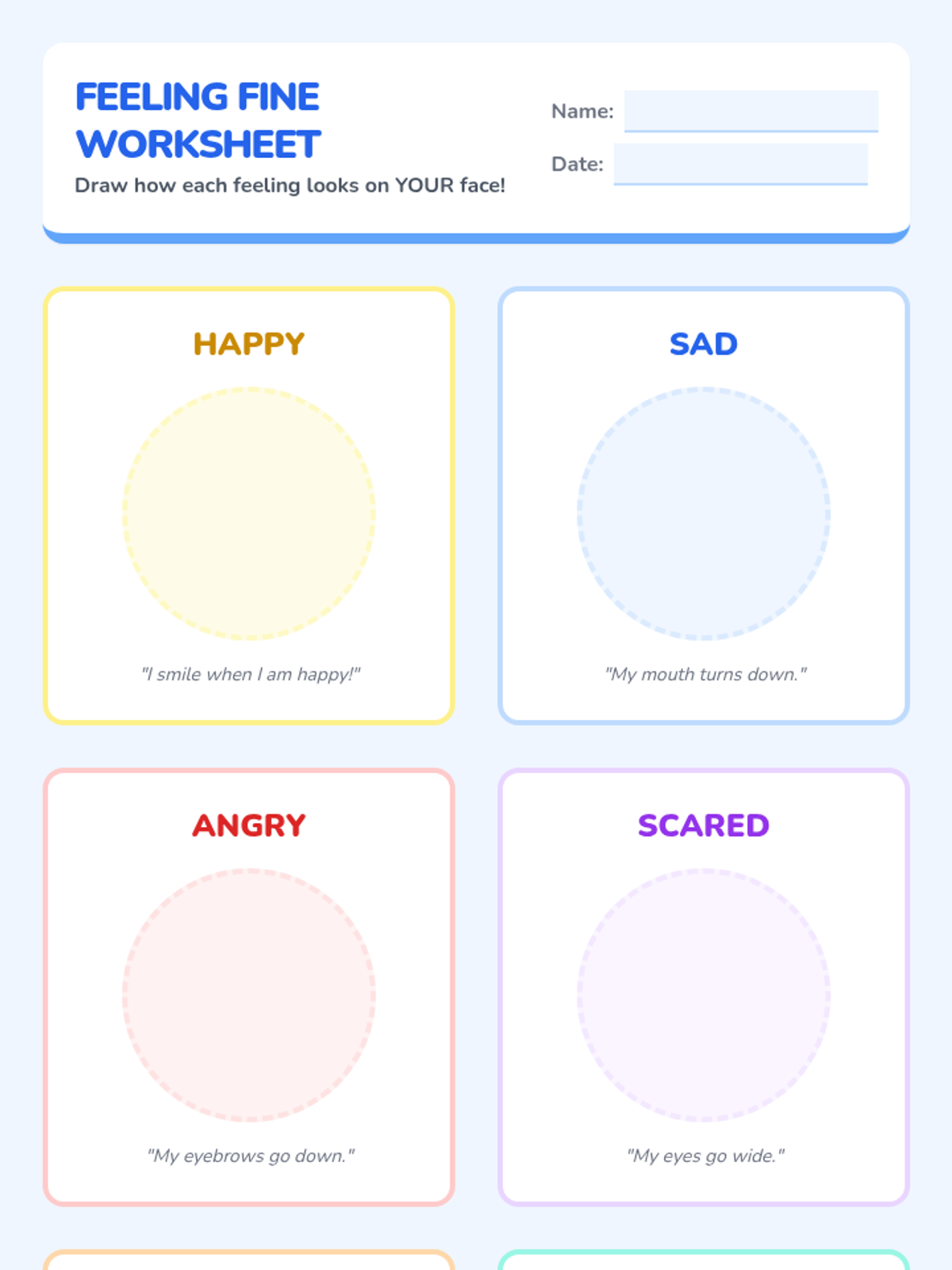
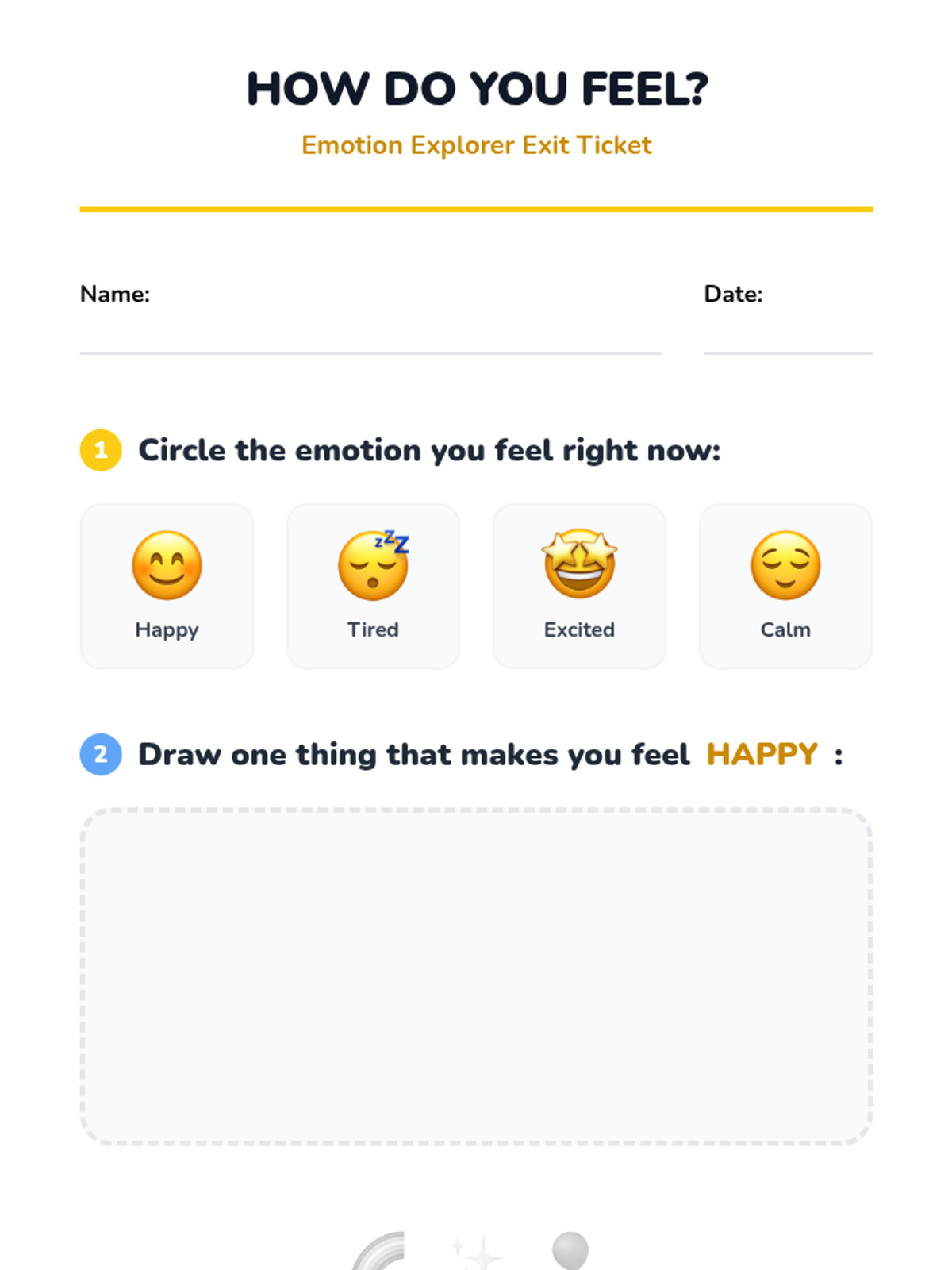
A play-based lesson designed to help young students identify and understand a wide range of emotions through interactive games and visual aids.
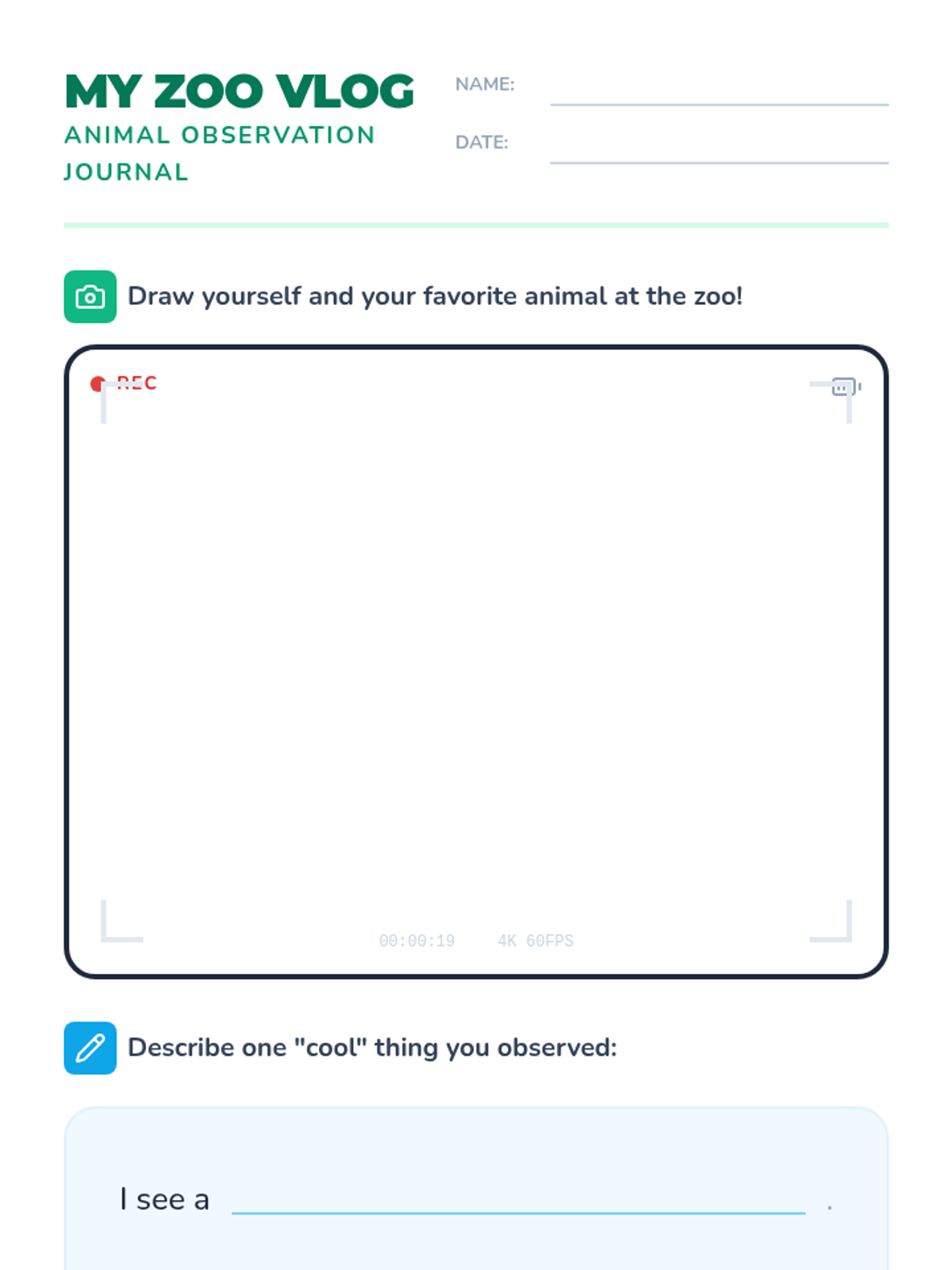
A Kindergarten-2nd Grade lesson where students learn to make simple animal observations by watching the first-ever YouTube video and creating their own 'Zoo Vlog' drawing and description.
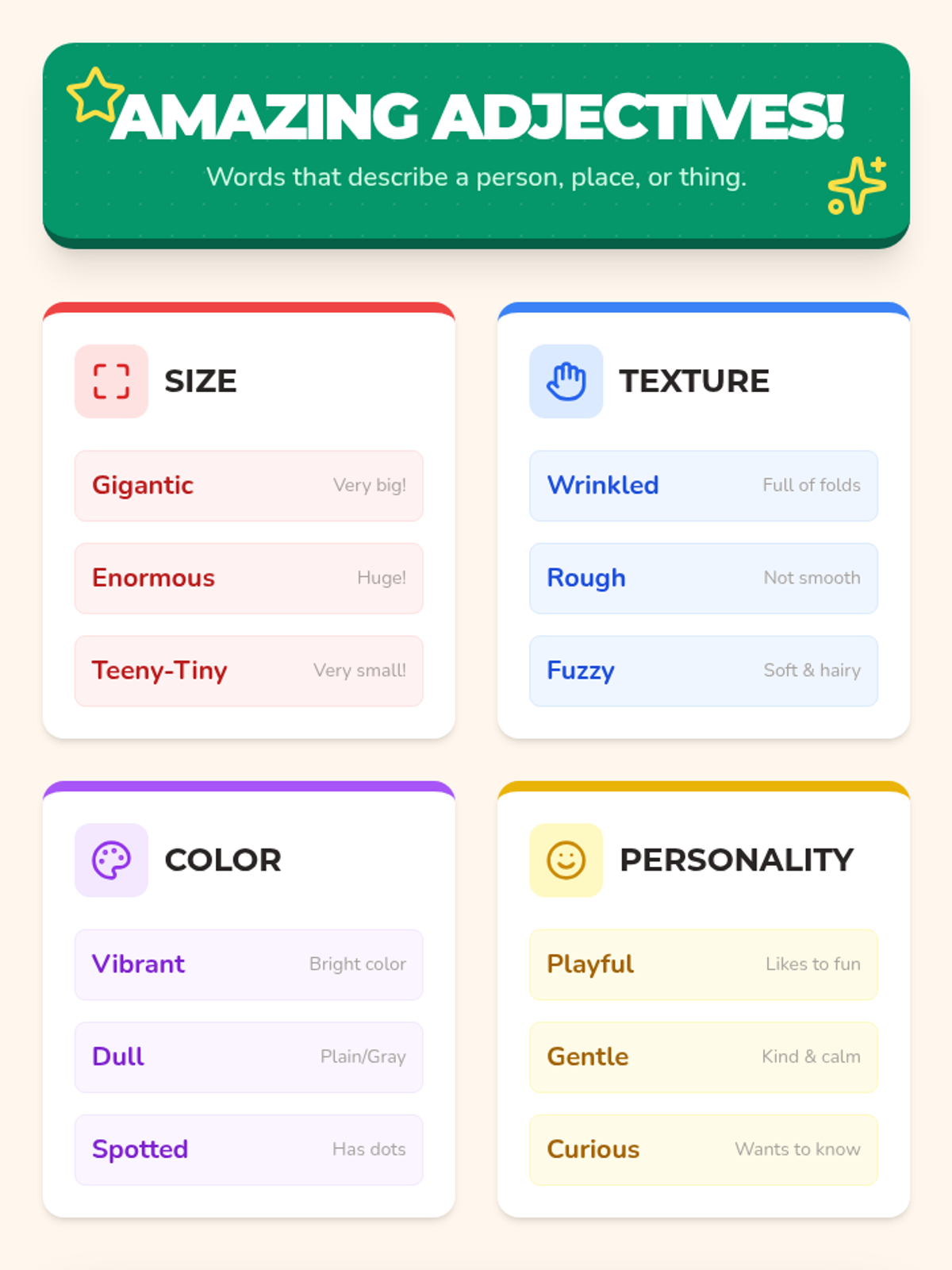
A Kindergarten-2nd grade lesson focused on using descriptive adjectives to observe animals, using the historic first YouTube video as a starting point for vocabulary expansion.