A reading comprehension lesson where students explore the physical traits, behaviors, and high-altitude habitats of llamas while practicing key literacy skills.
No materials in this lesson yet.
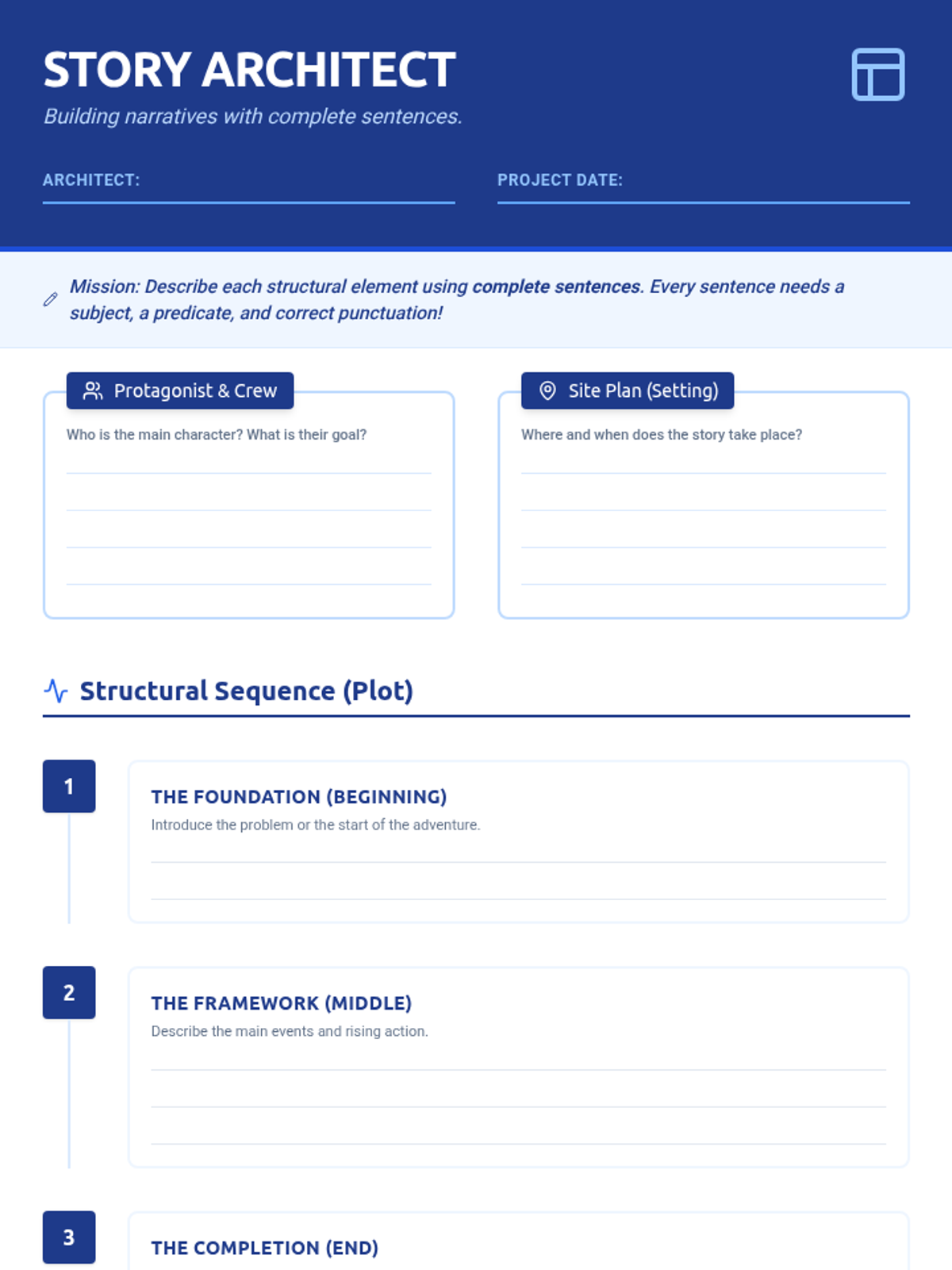
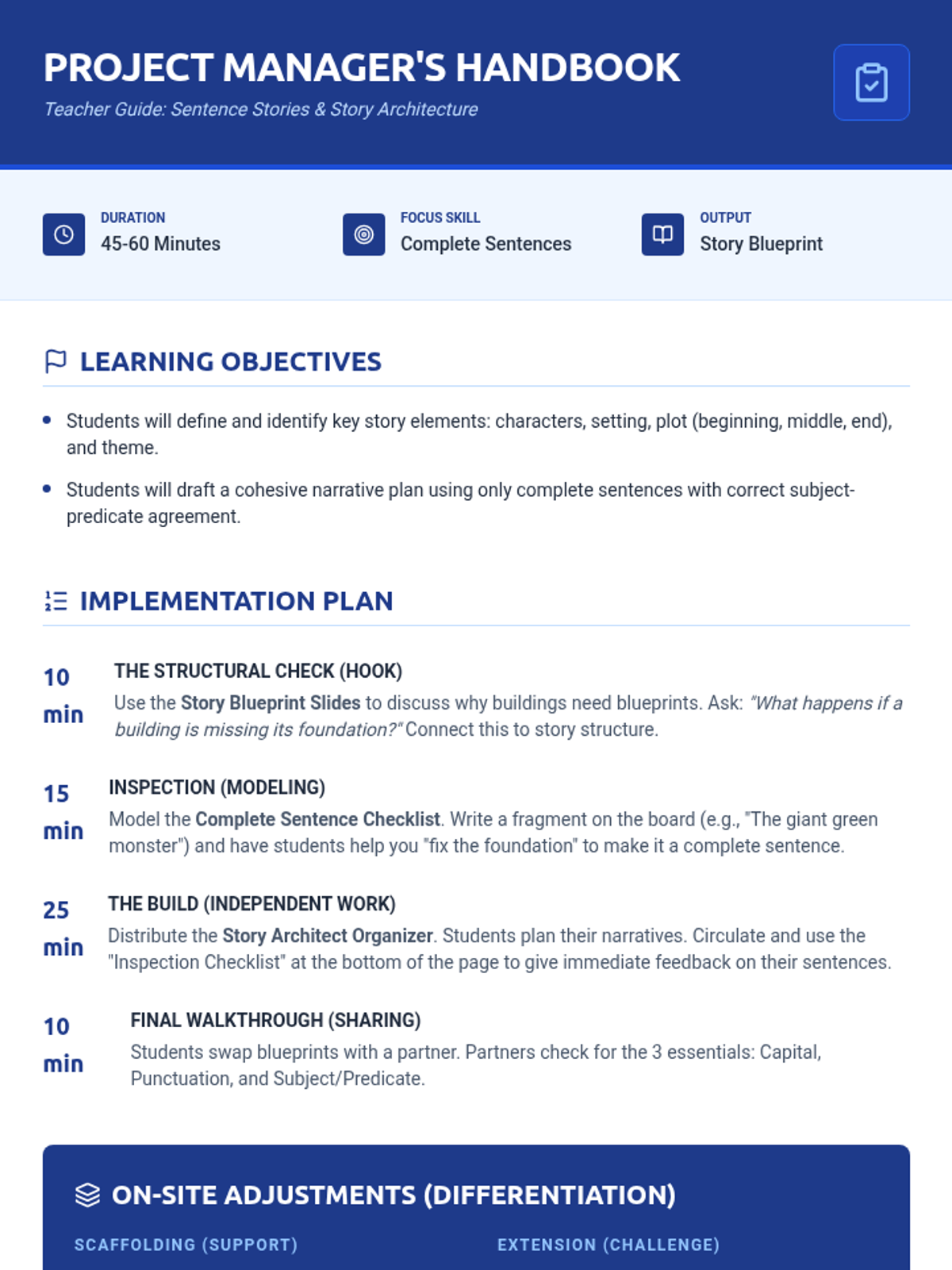
Students practice writing complete sentences while identifying and describing key story elements in their own narrative planning.
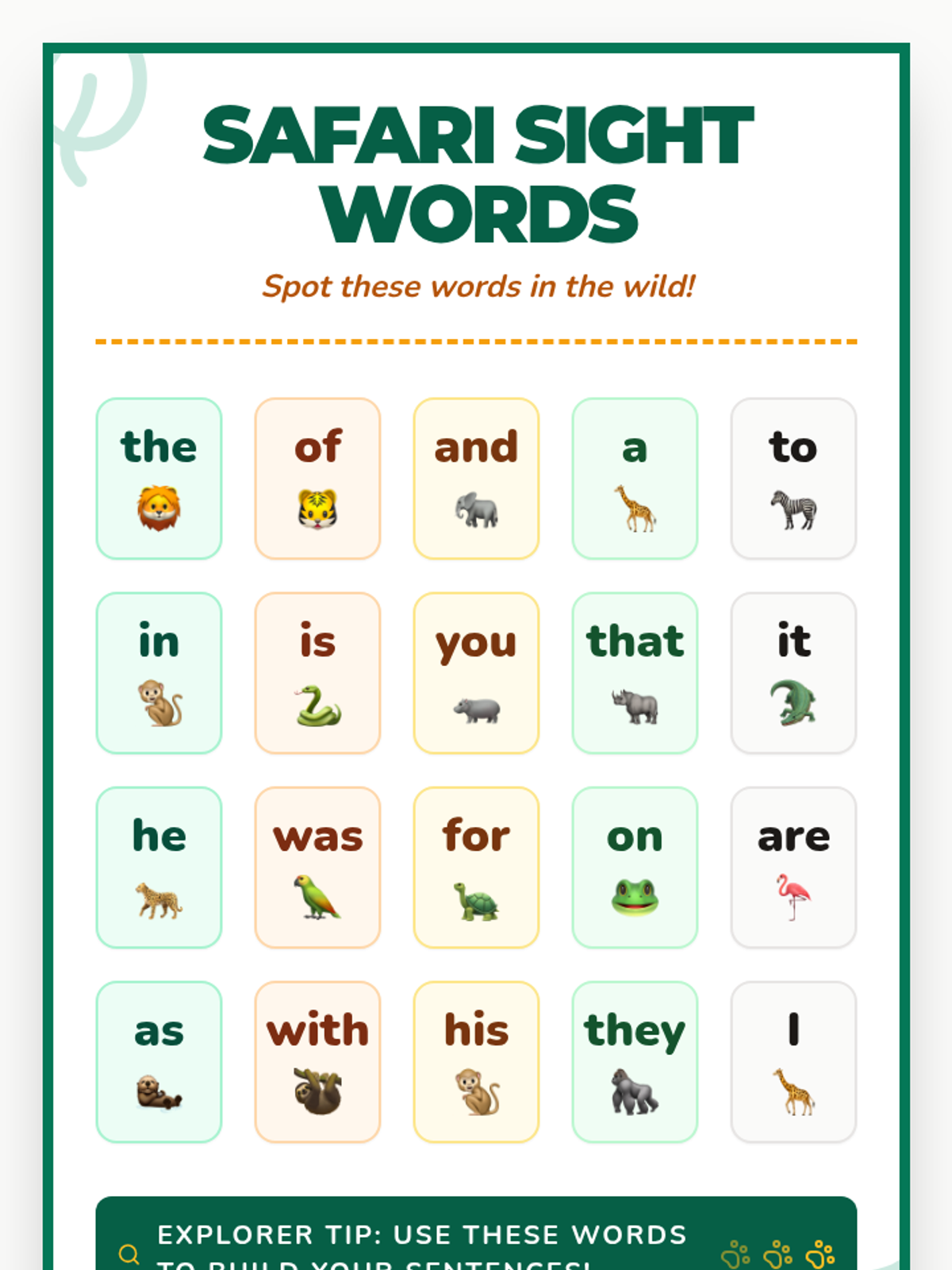
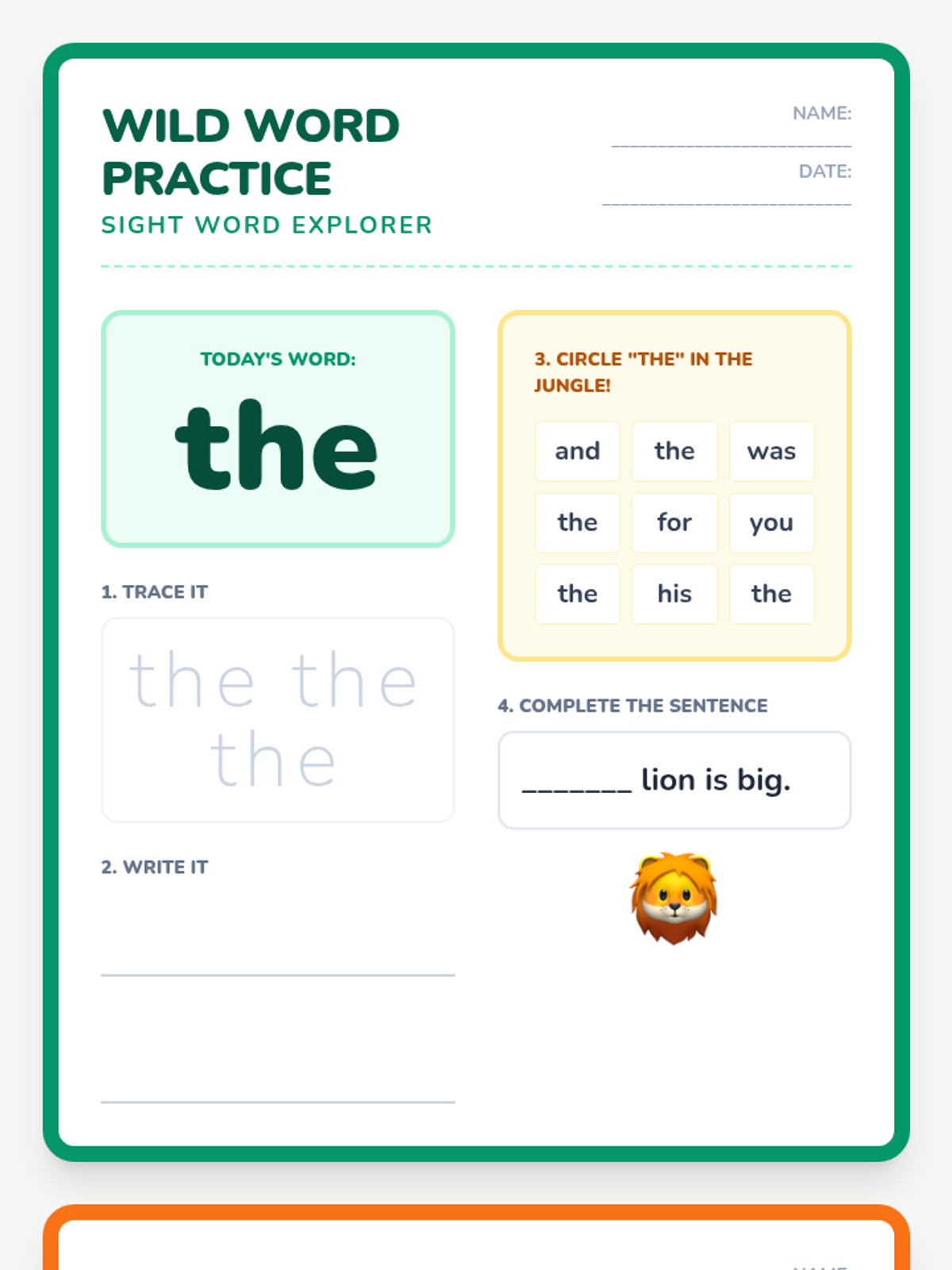
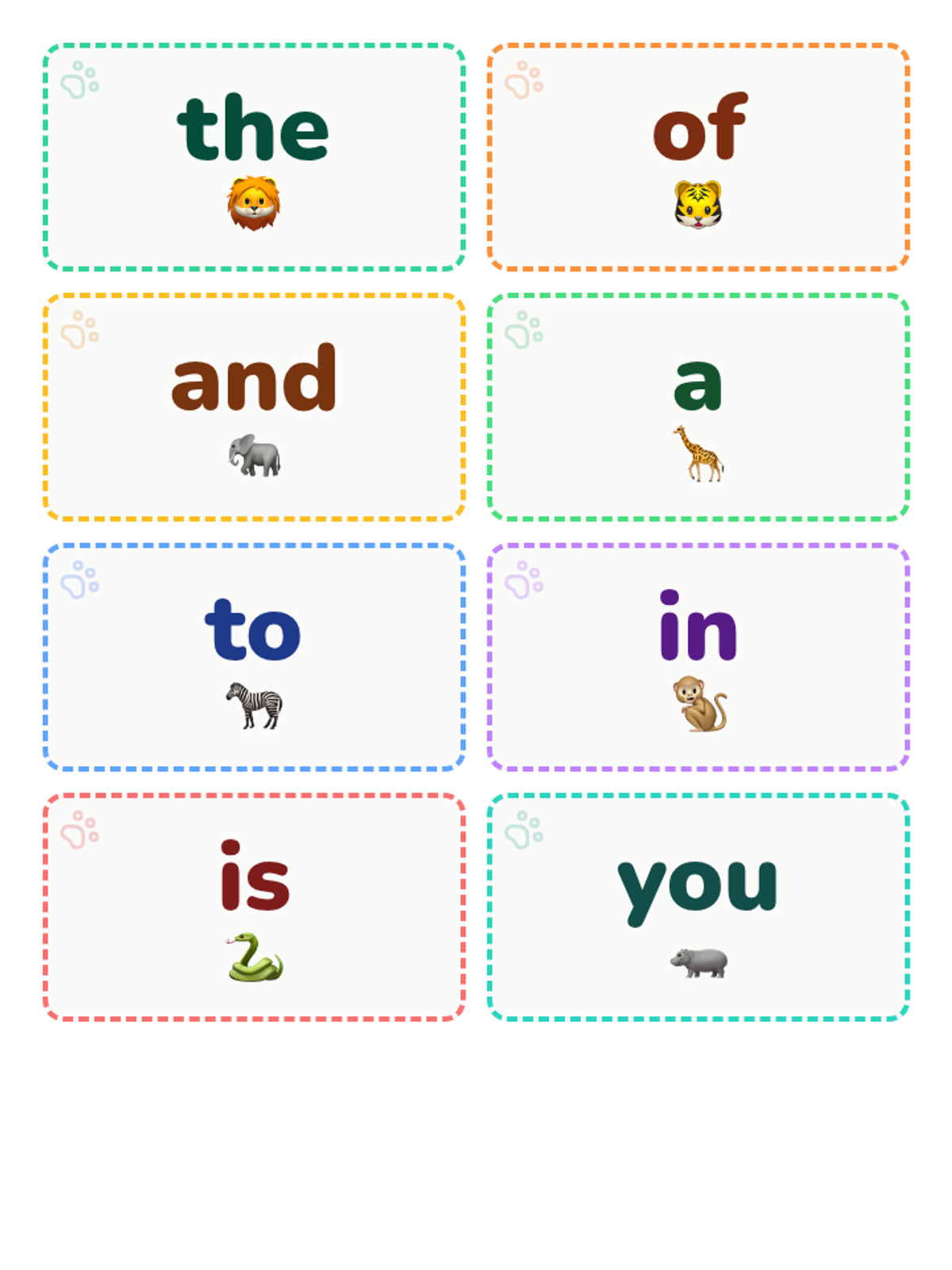
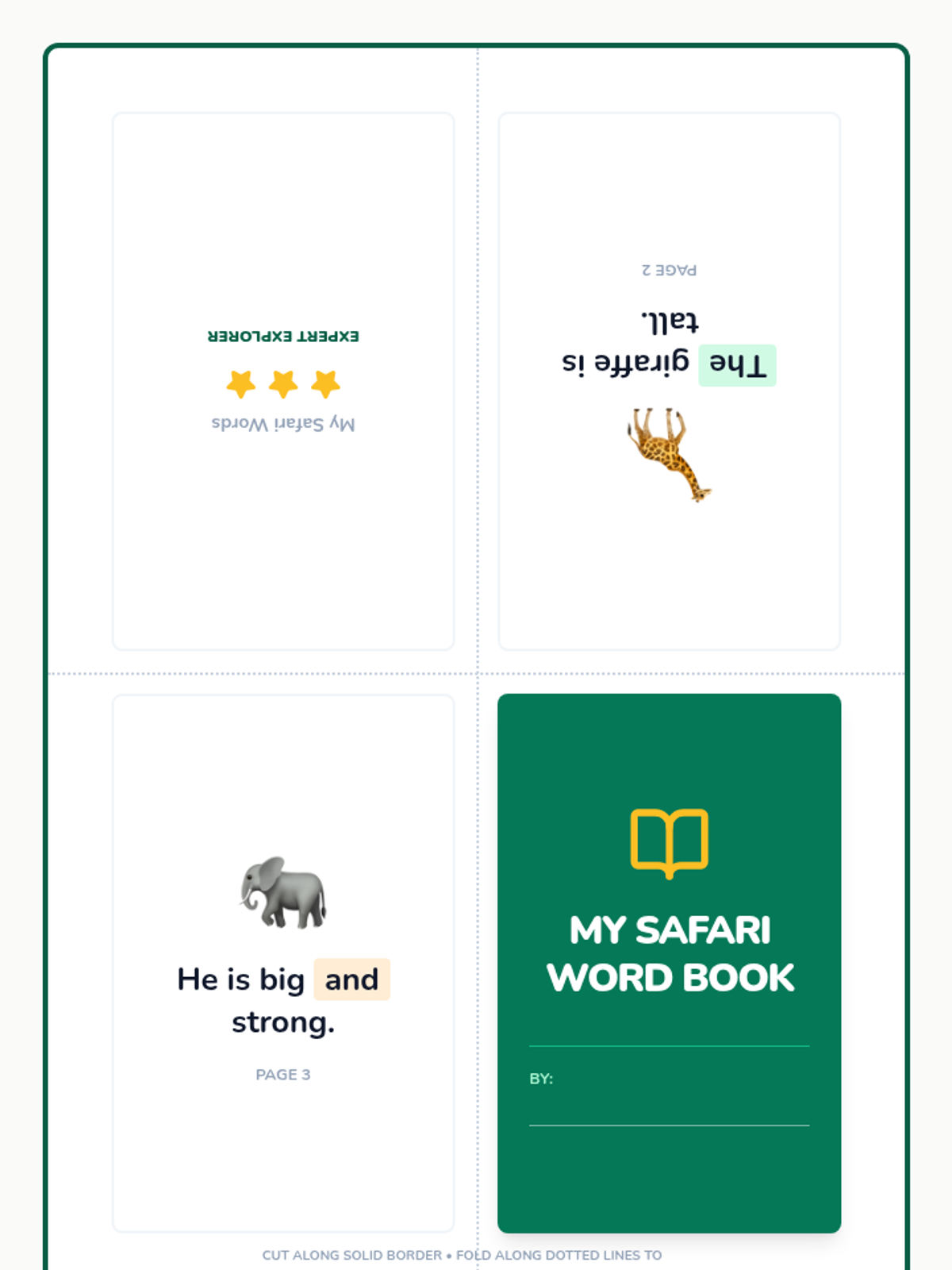
A jungle-themed sight word adventure focusing on the first 100 Fry words. This lesson includes visual aids, hands-on practice, and a mini-booklet for early readers.
A first-grade guided reading lesson focused on identifying and understanding character feelings using 'clues' from text and illustrations. Students become 'Emotion Detectives' to track how characters change throughout a story.
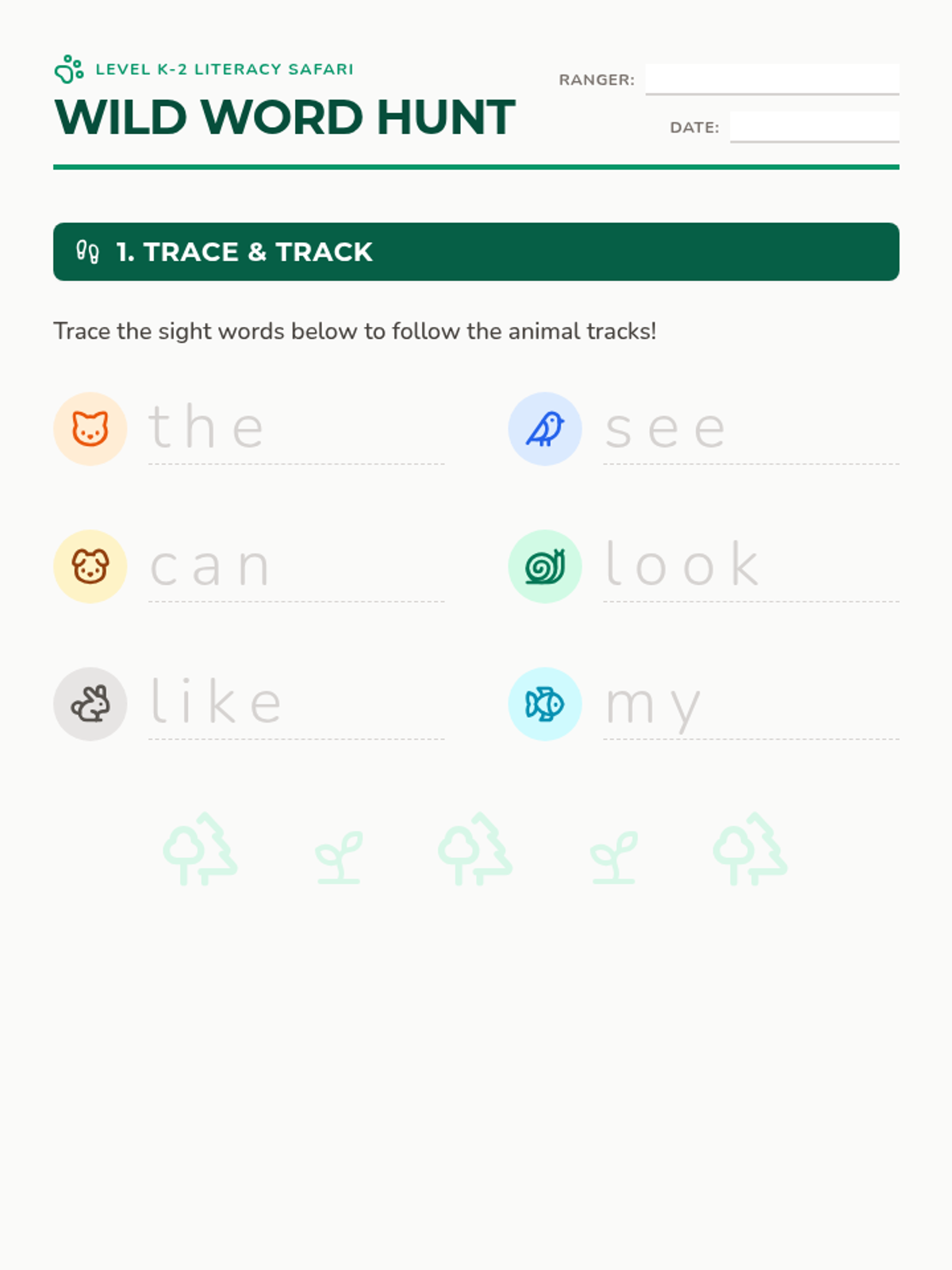
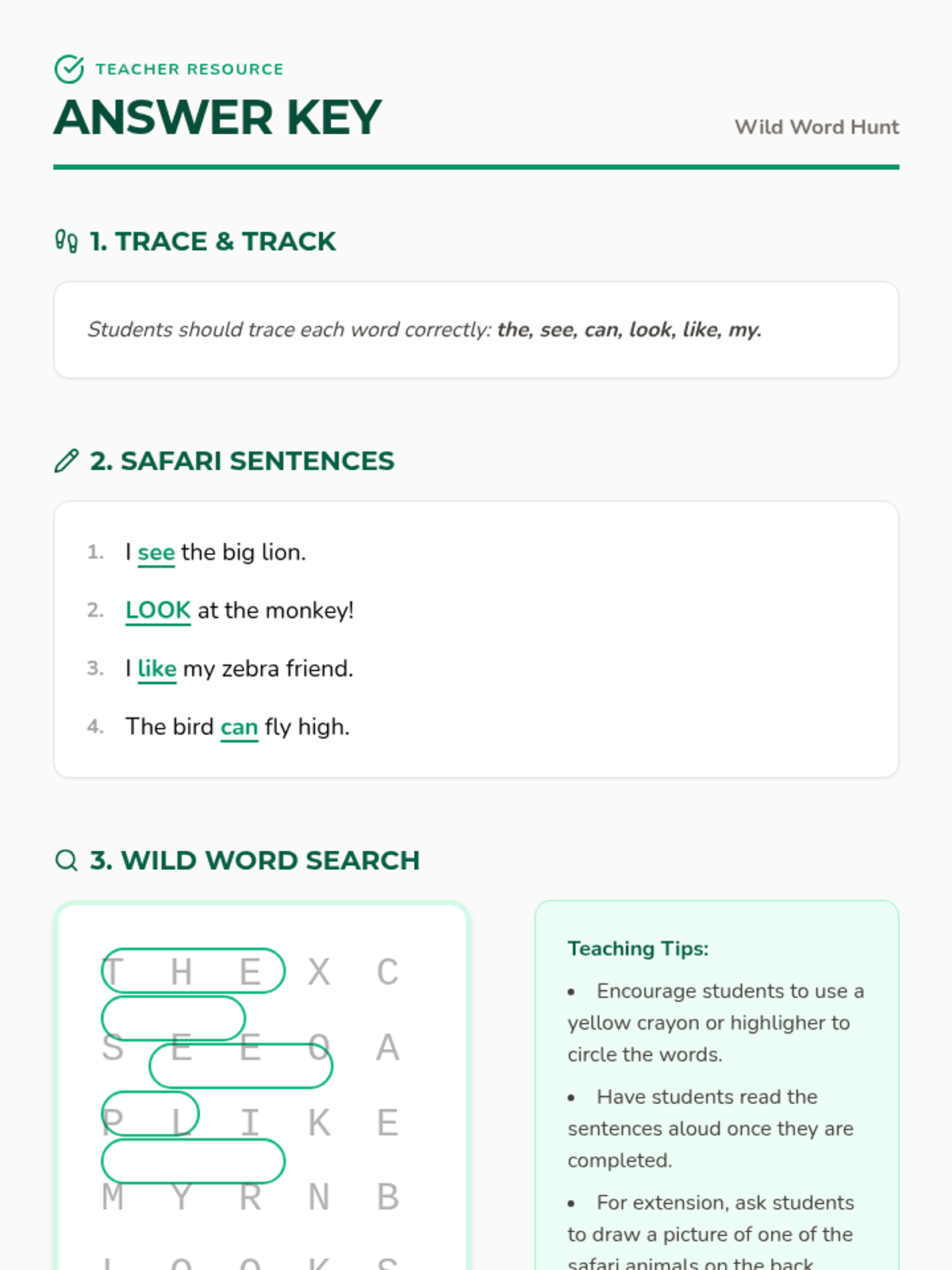
A fun, animal-themed sight word practice lesson for K-2 students focusing on recognition, tracing, and usage in simple sentences.
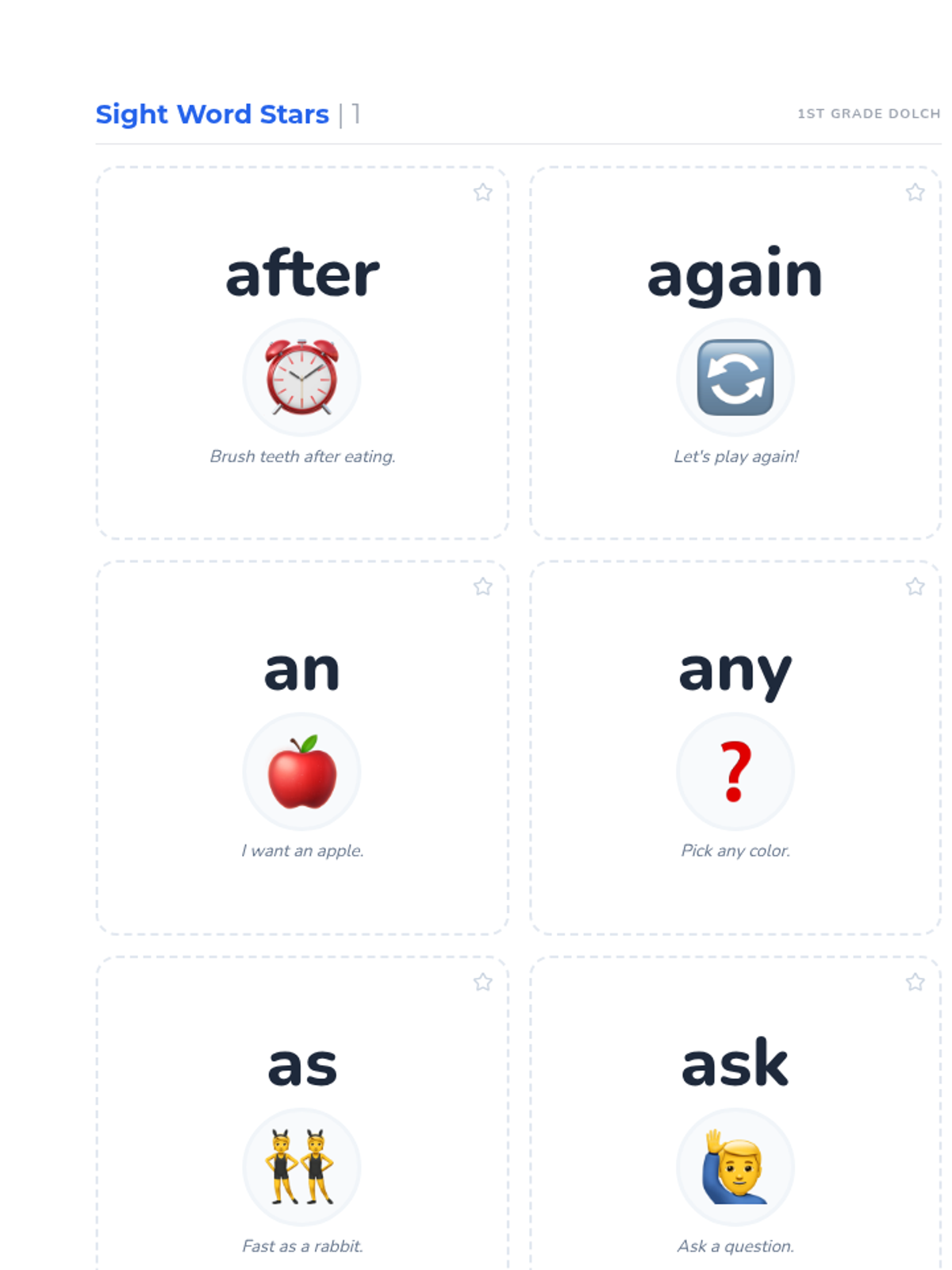
A foundational reading lesson focusing on the Dolch First Grade sight word list using visual cues and interactive flashcards.
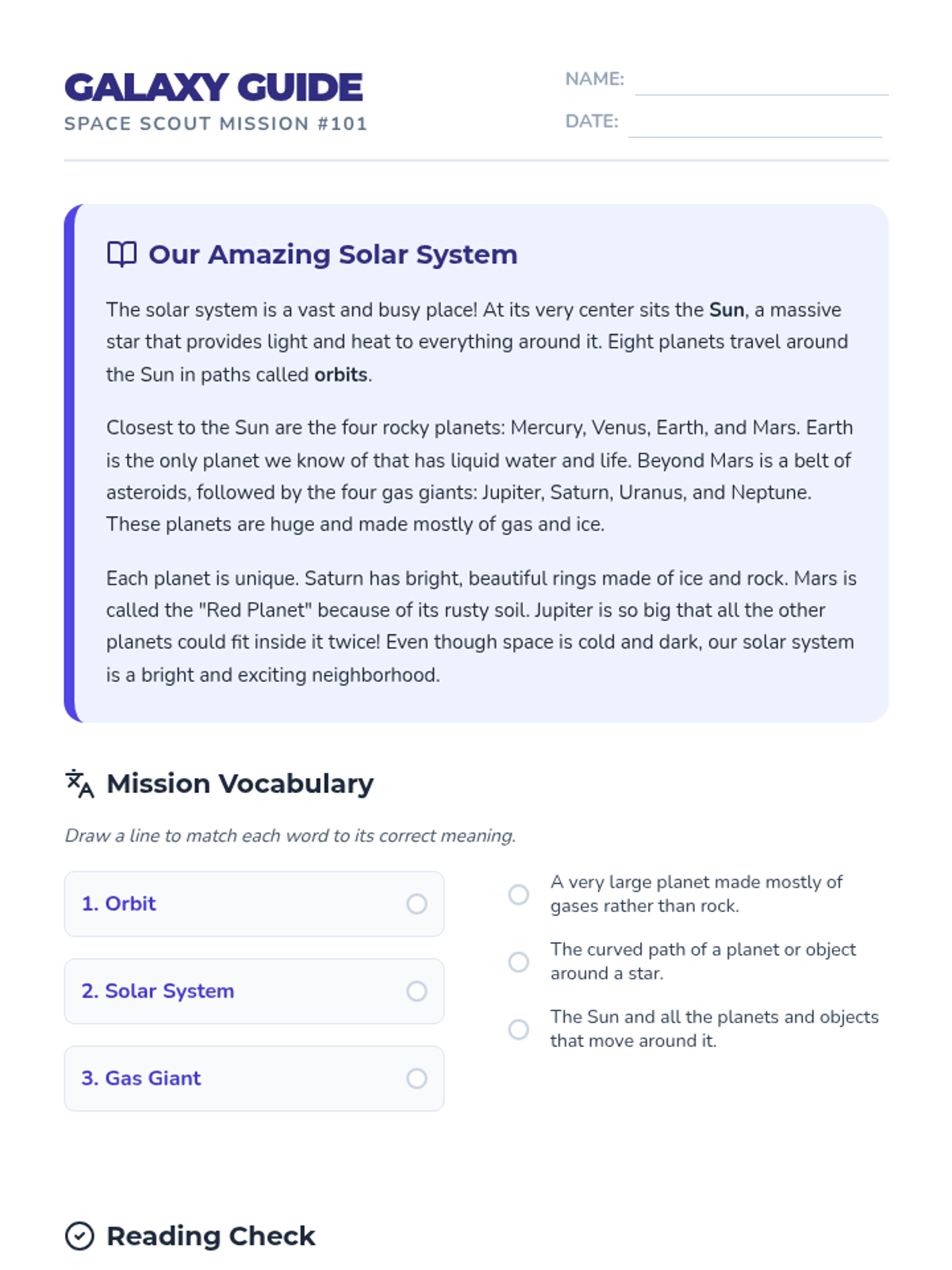
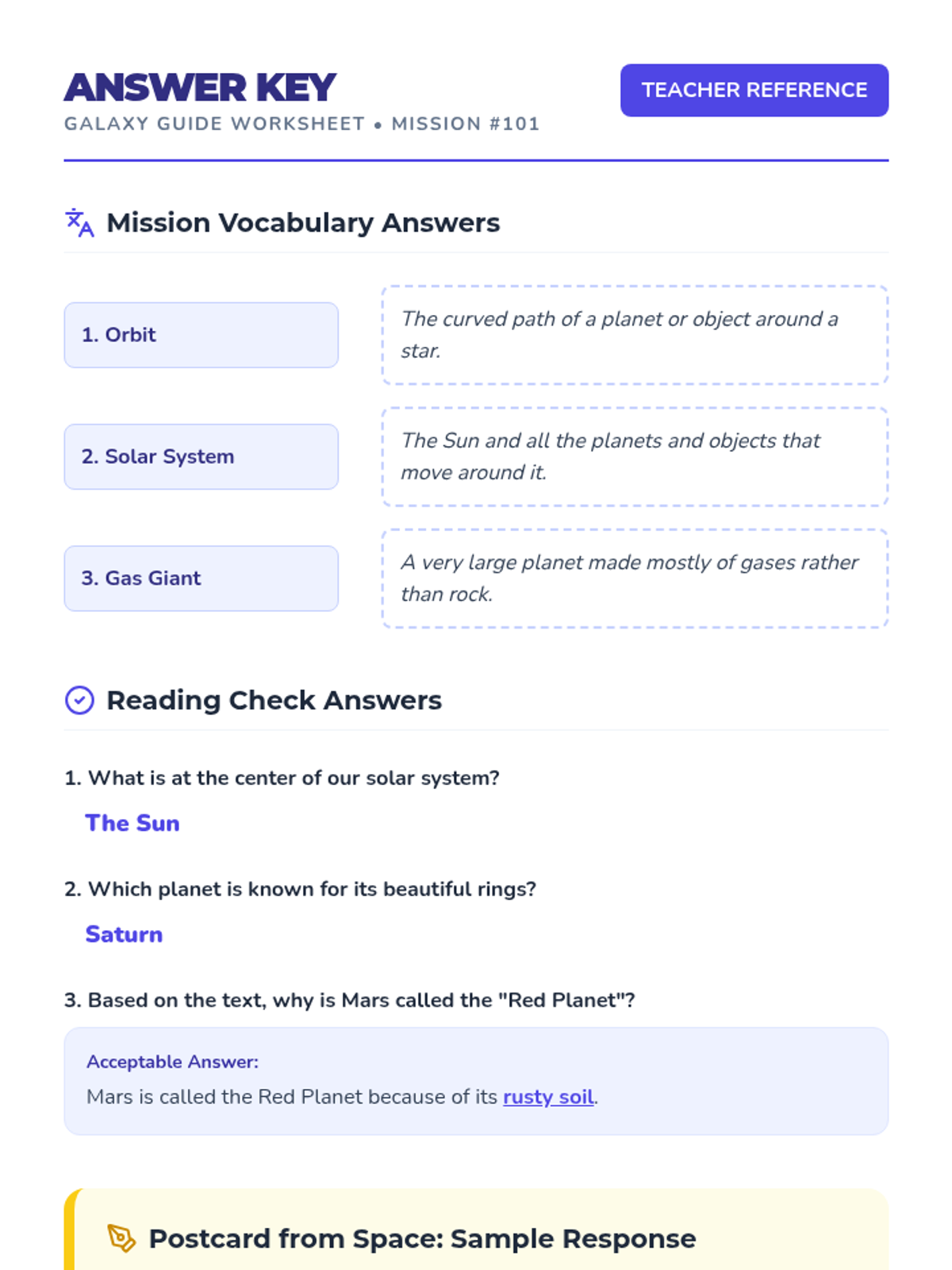
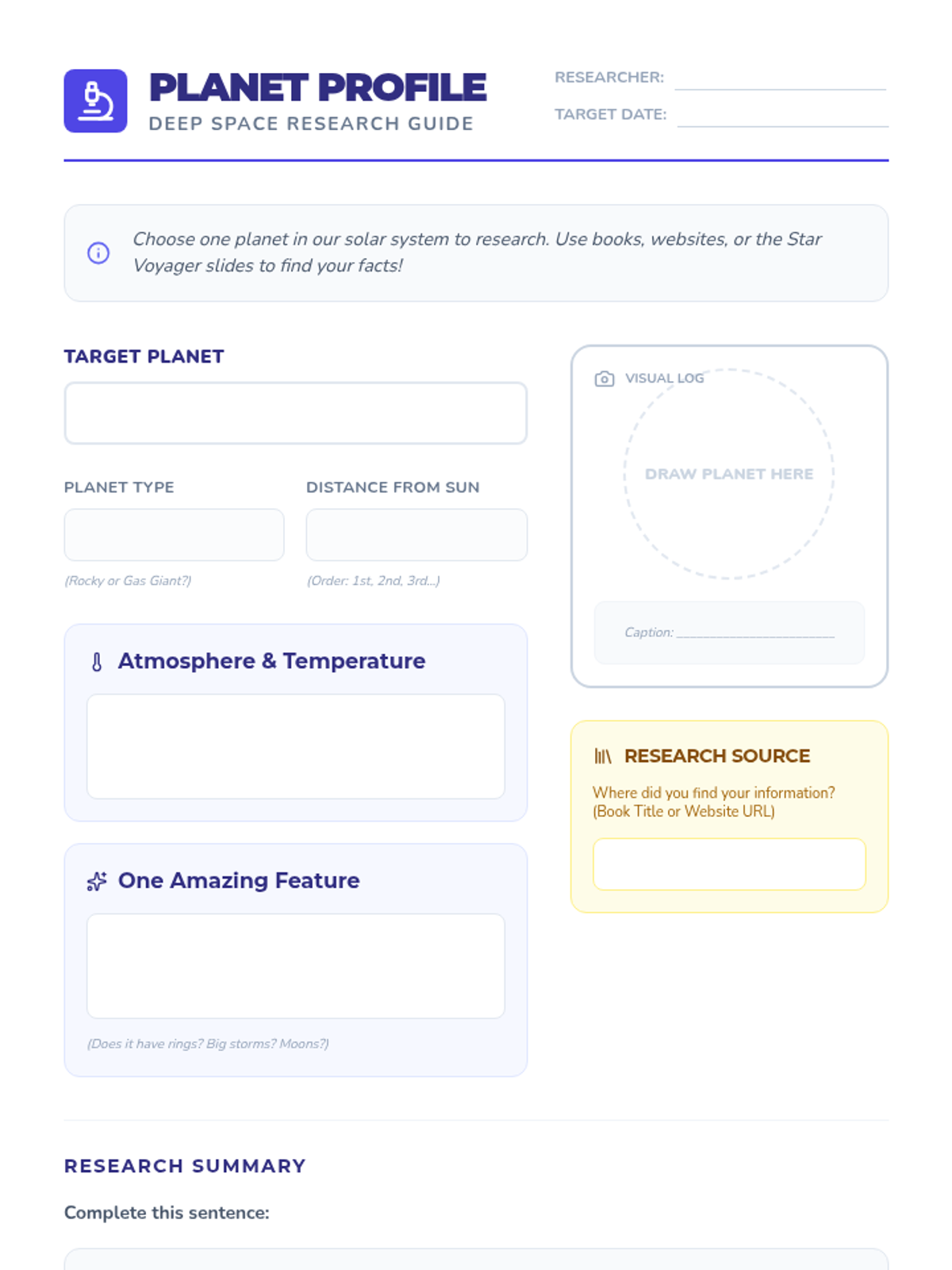
A lesson that blends science and ELA, focusing on reading comprehension, vocabulary development, and descriptive writing centered on the solar system.
Students will practice key research skills—extracting information, summarizing, and citing evidence—using a detailed passage about llamas.
Students will learn about llamas' unique physical and behavioral traits and compare them with their relatives, camels and alpacas, through a reading passage and structured activities.
A fun, llama-themed math lesson for 4th graders focusing on measurement, word problems, and data interpretation based on factual llama information.
An engaging exploration of llama habitats, diets, and physical adaptations, featuring informational text and vocabulary-building activities.
A fun and engaging lesson exploring the unique characteristics of llamas, their history in the Andes, and how they compare to their camelid cousins. Students will build vocabulary and practice comparison skills.
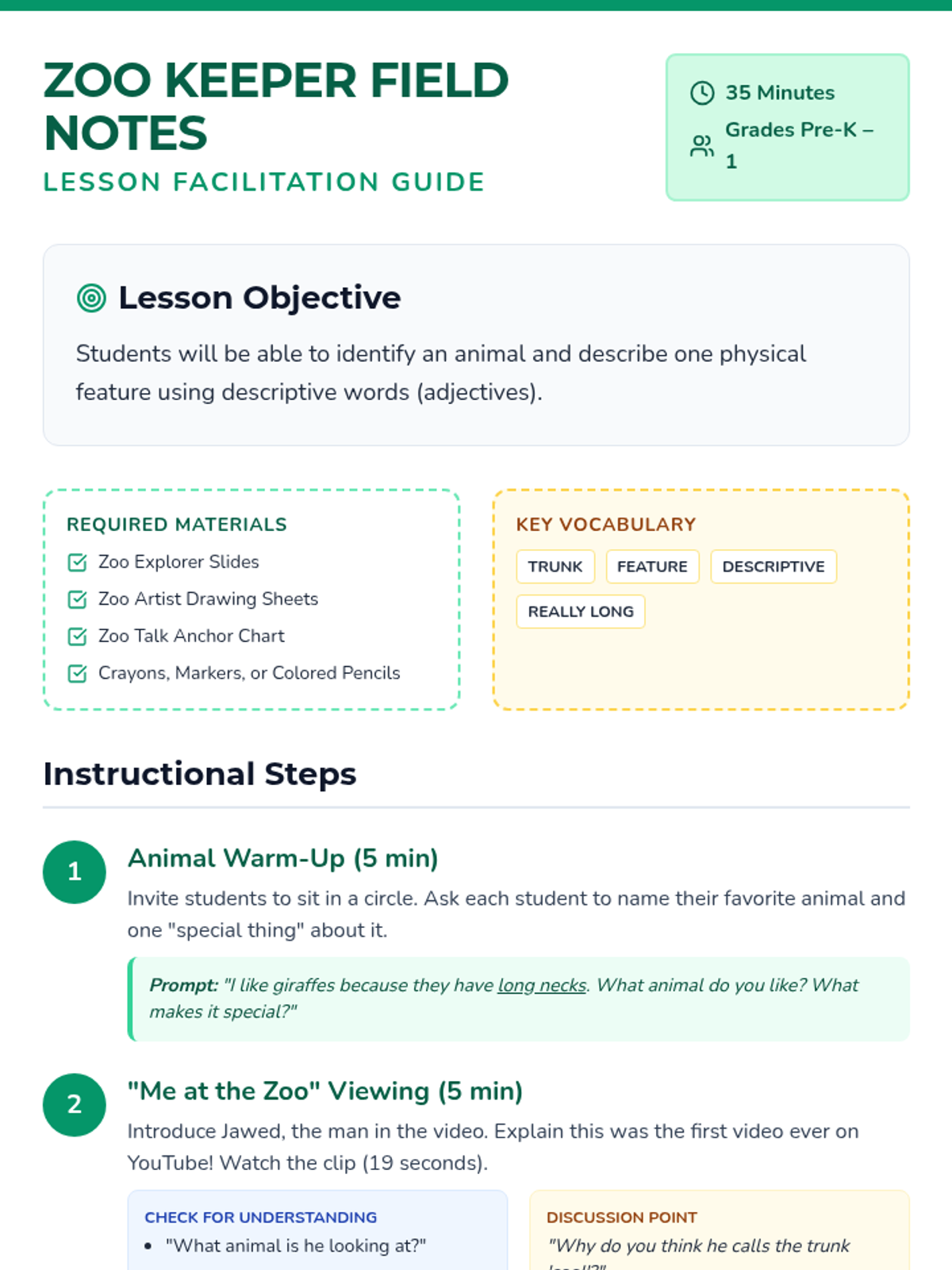
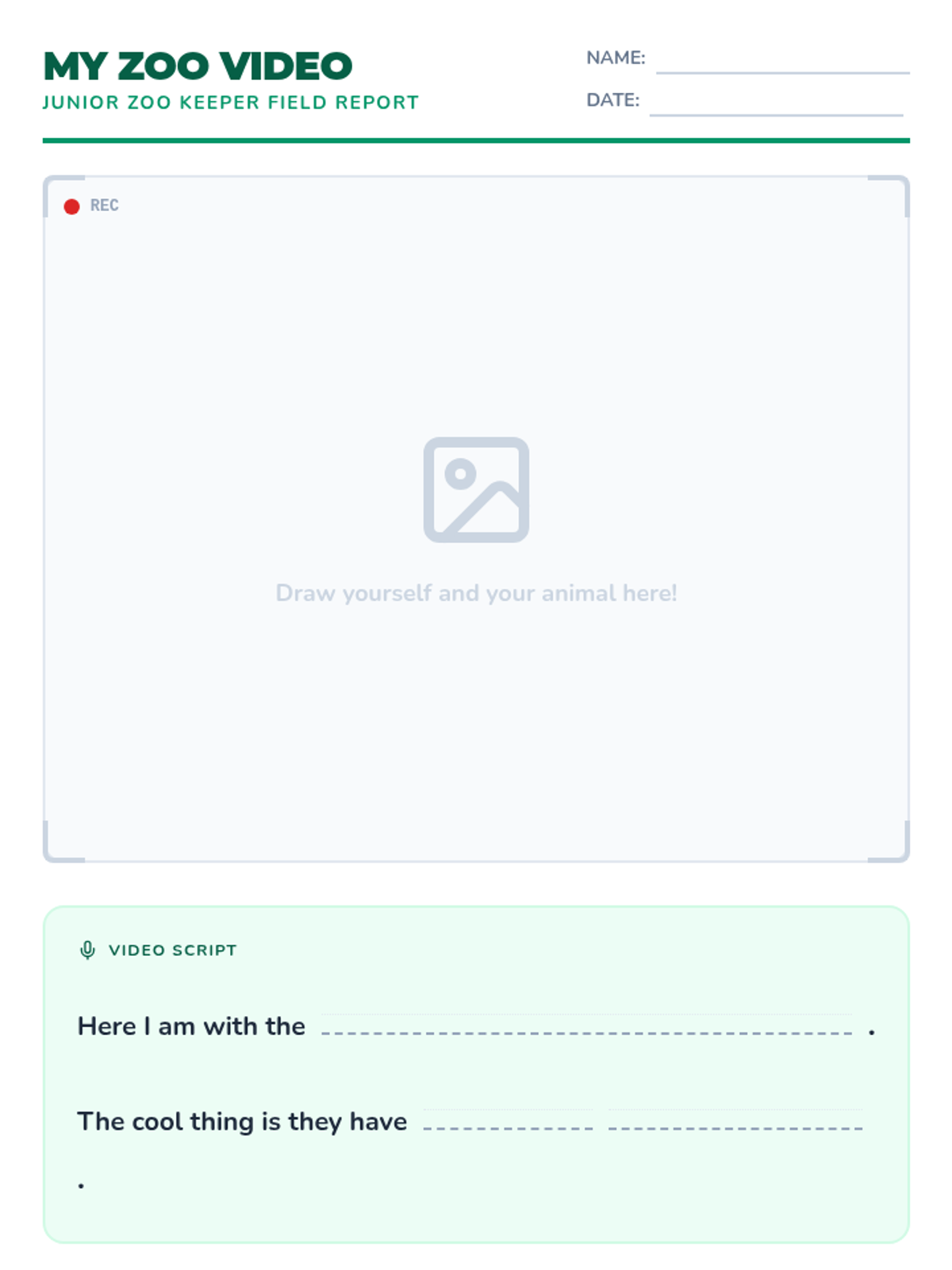
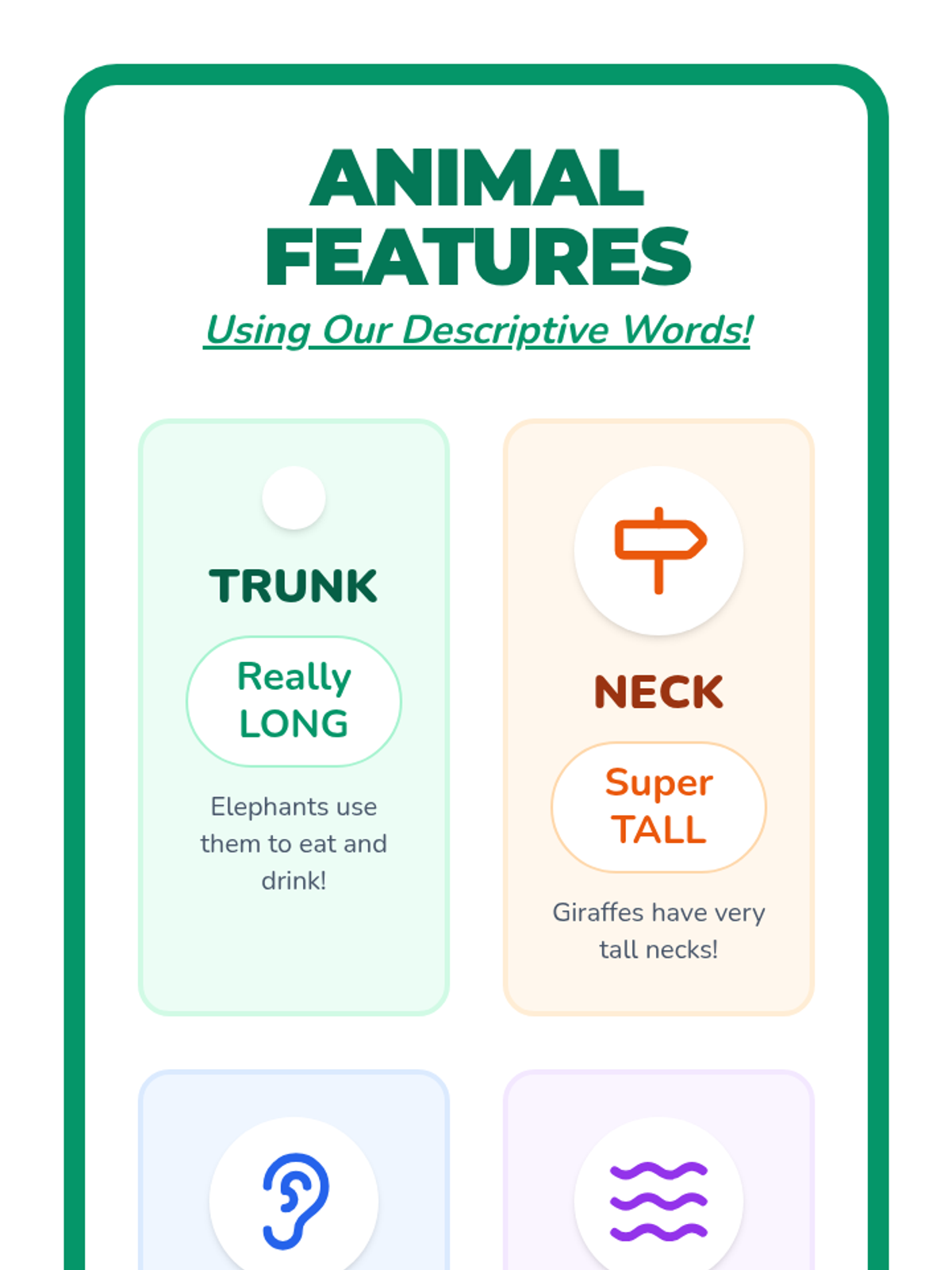
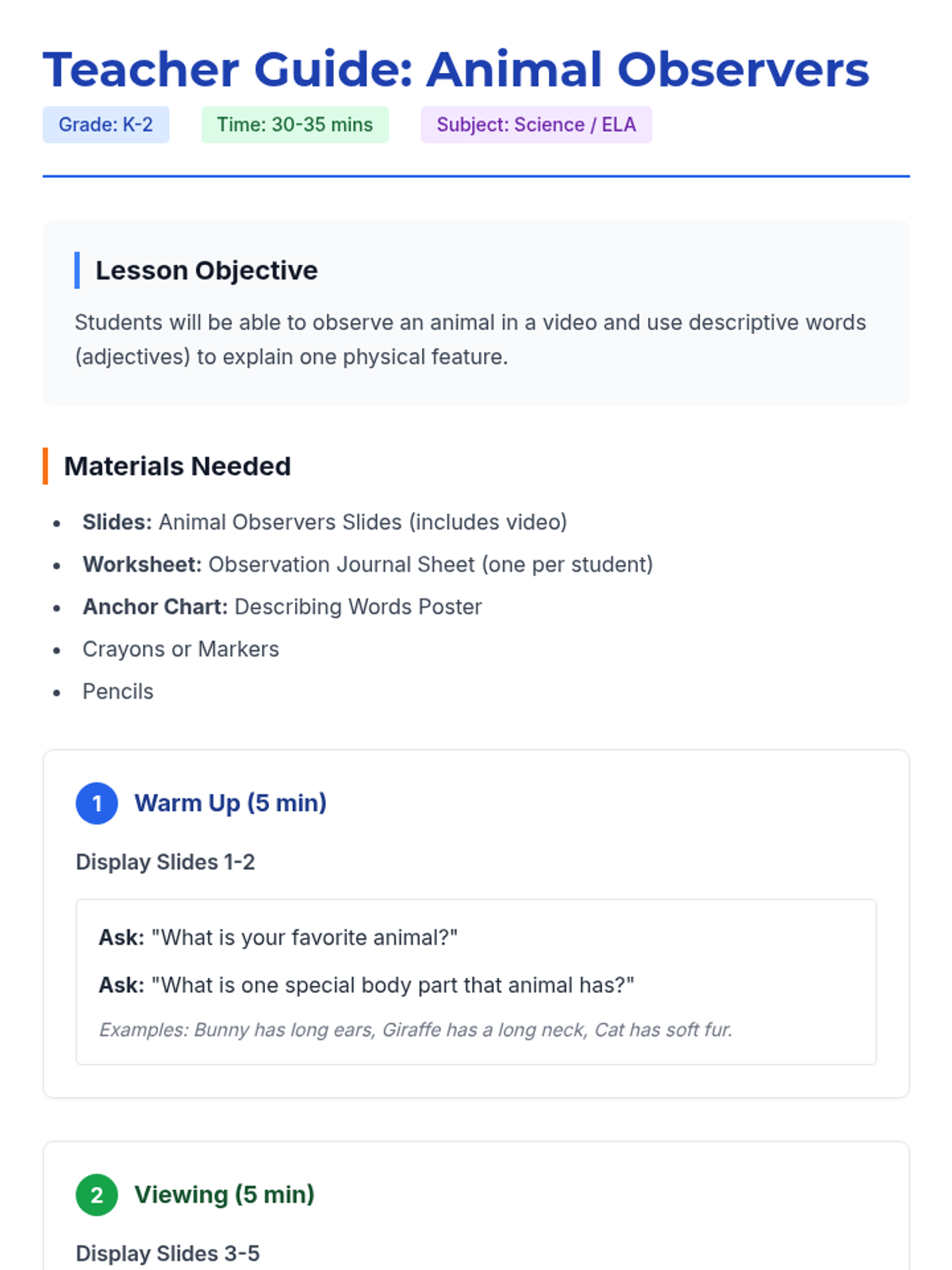
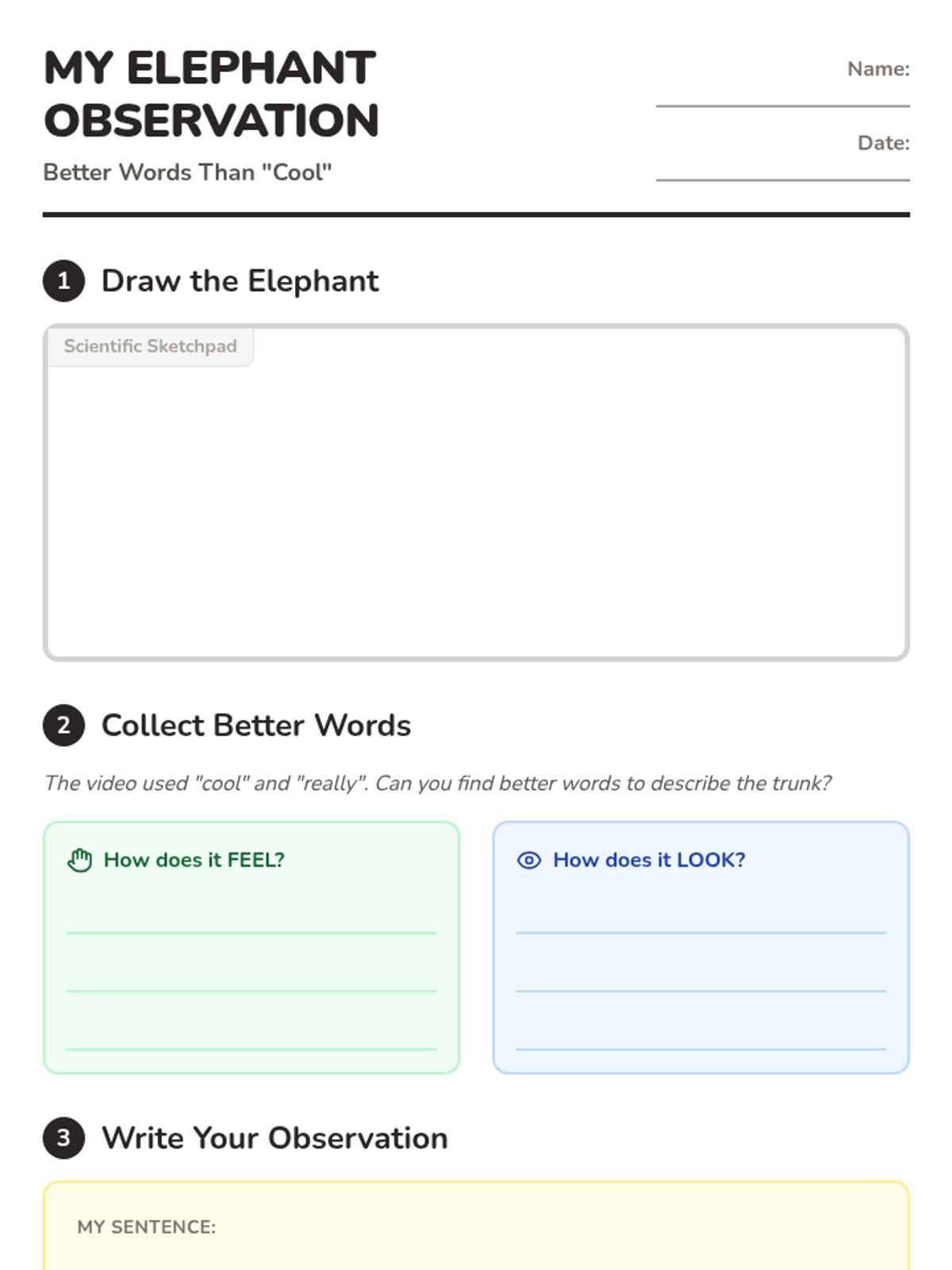
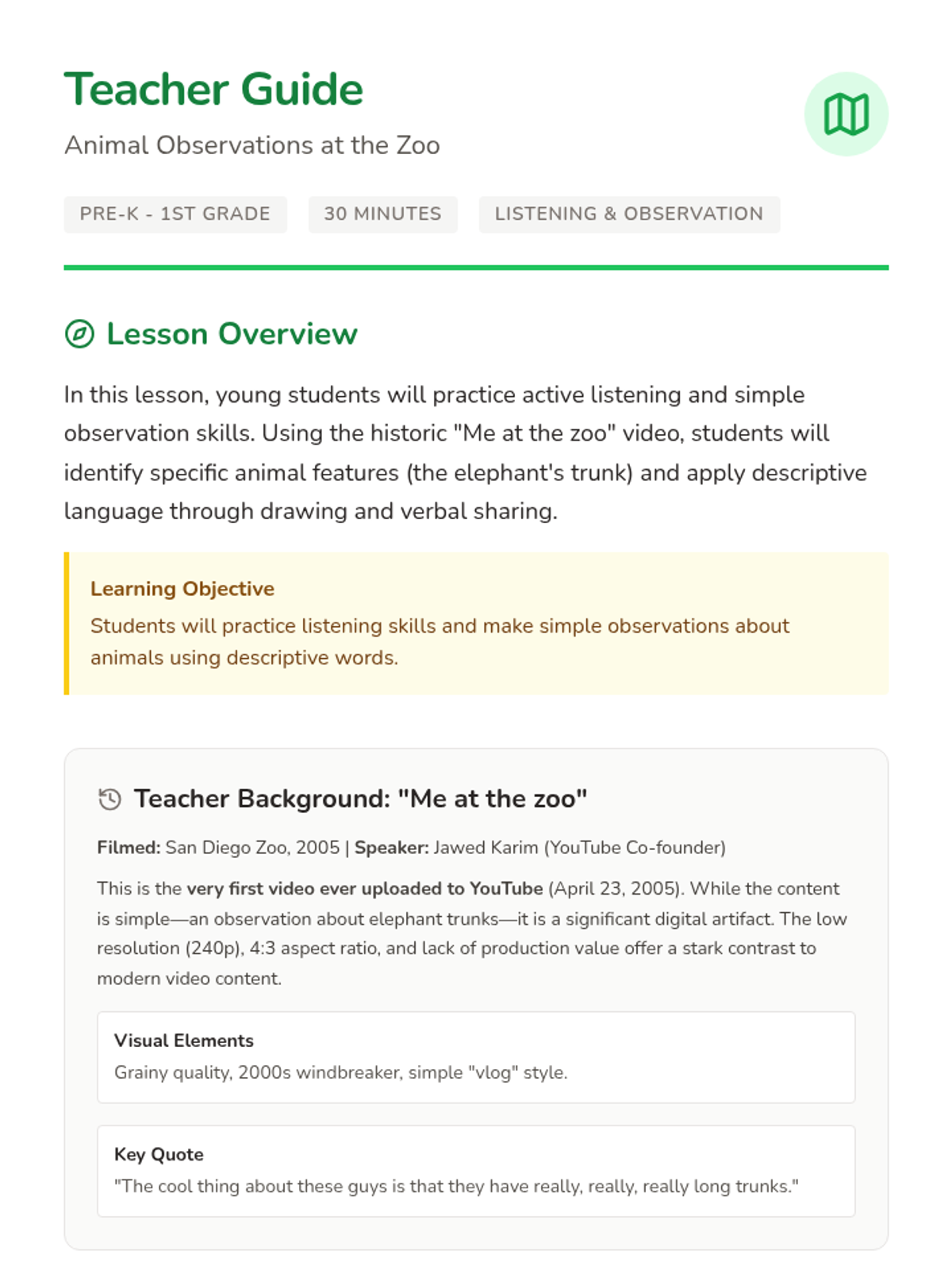
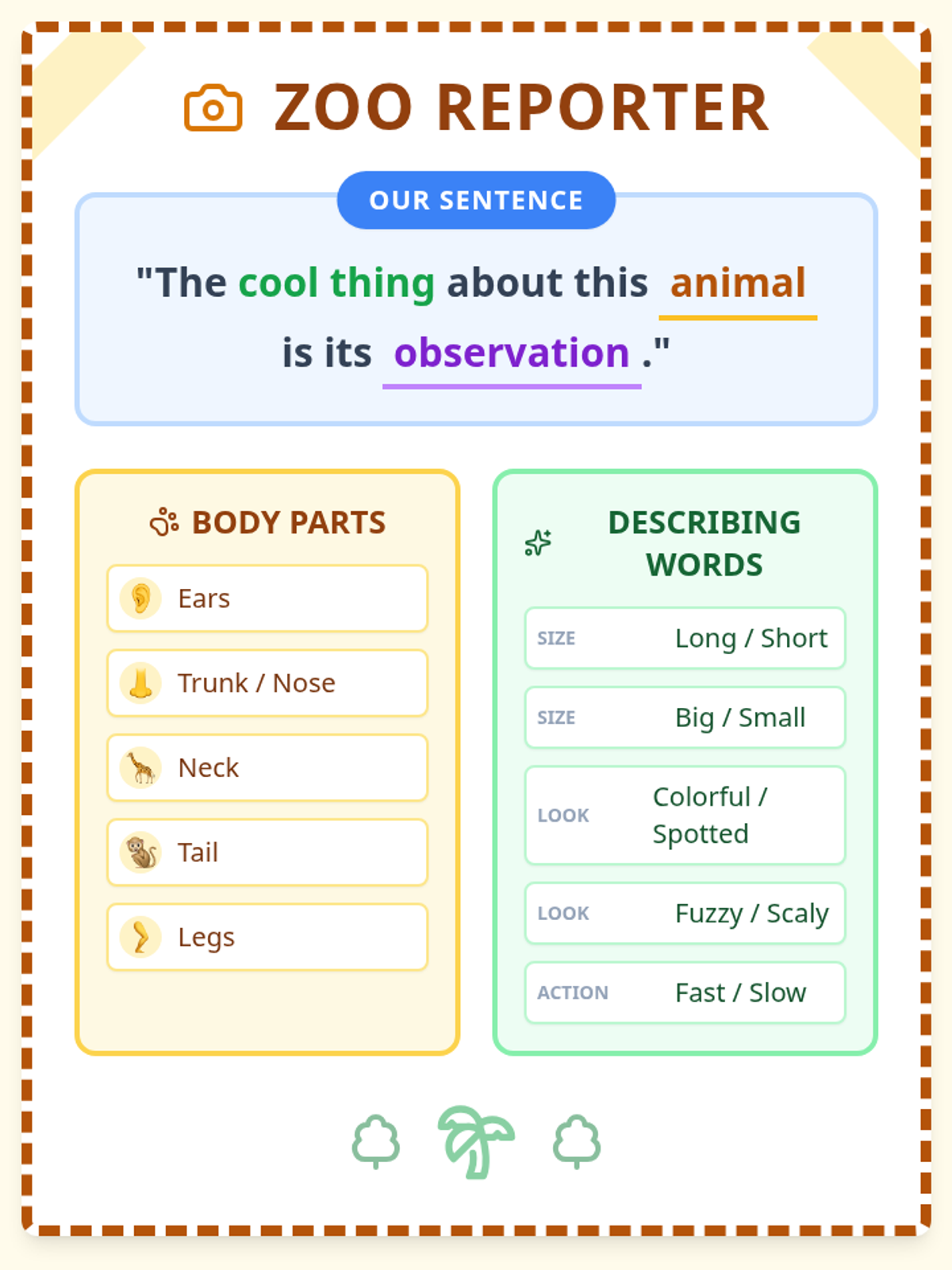
A fun, introductory lesson for early learners to practice descriptive language through the lens of animals, inspired by the first-ever YouTube video. Students identify animal features and use a simple sentence frame to share their observations.
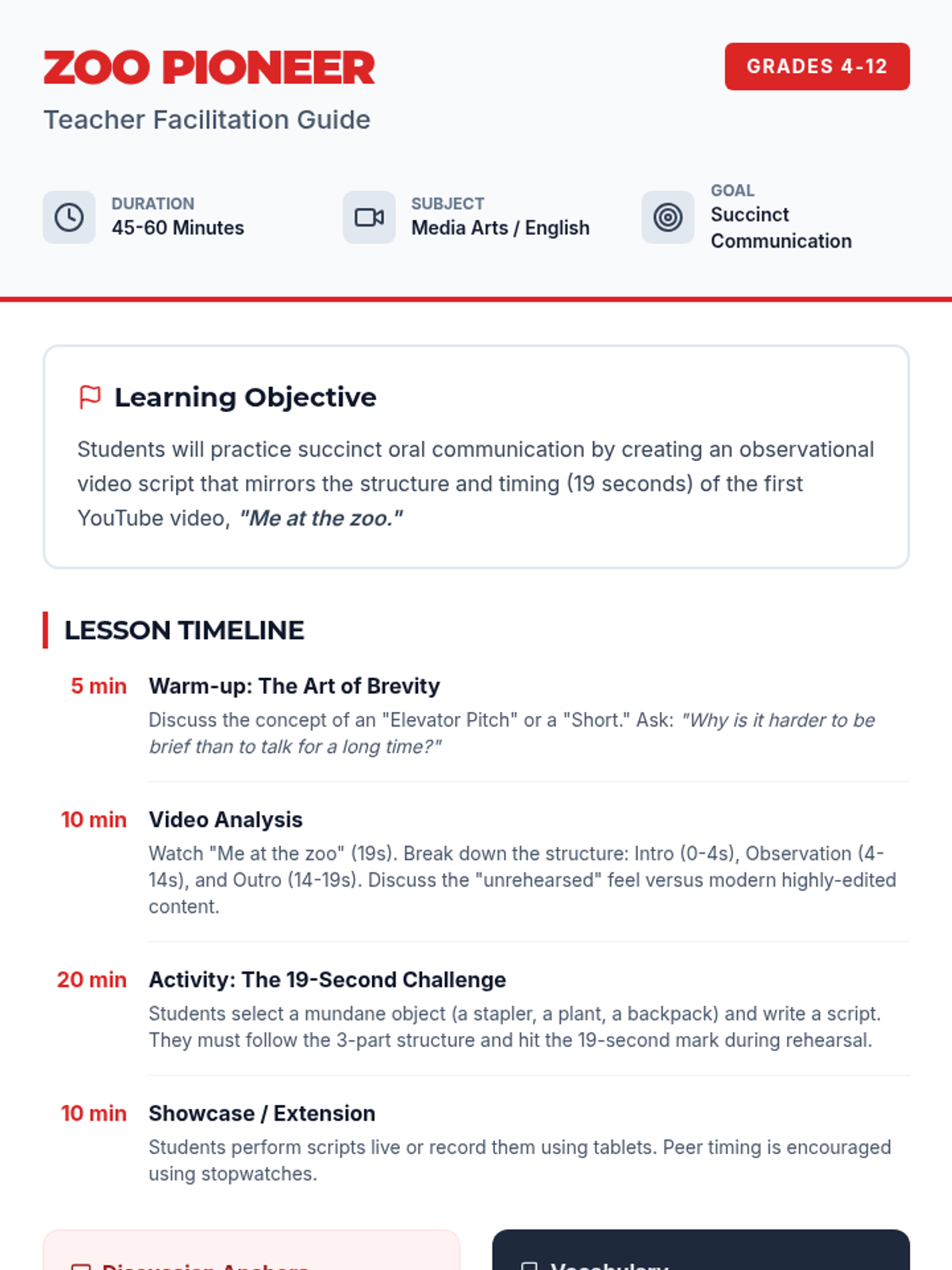
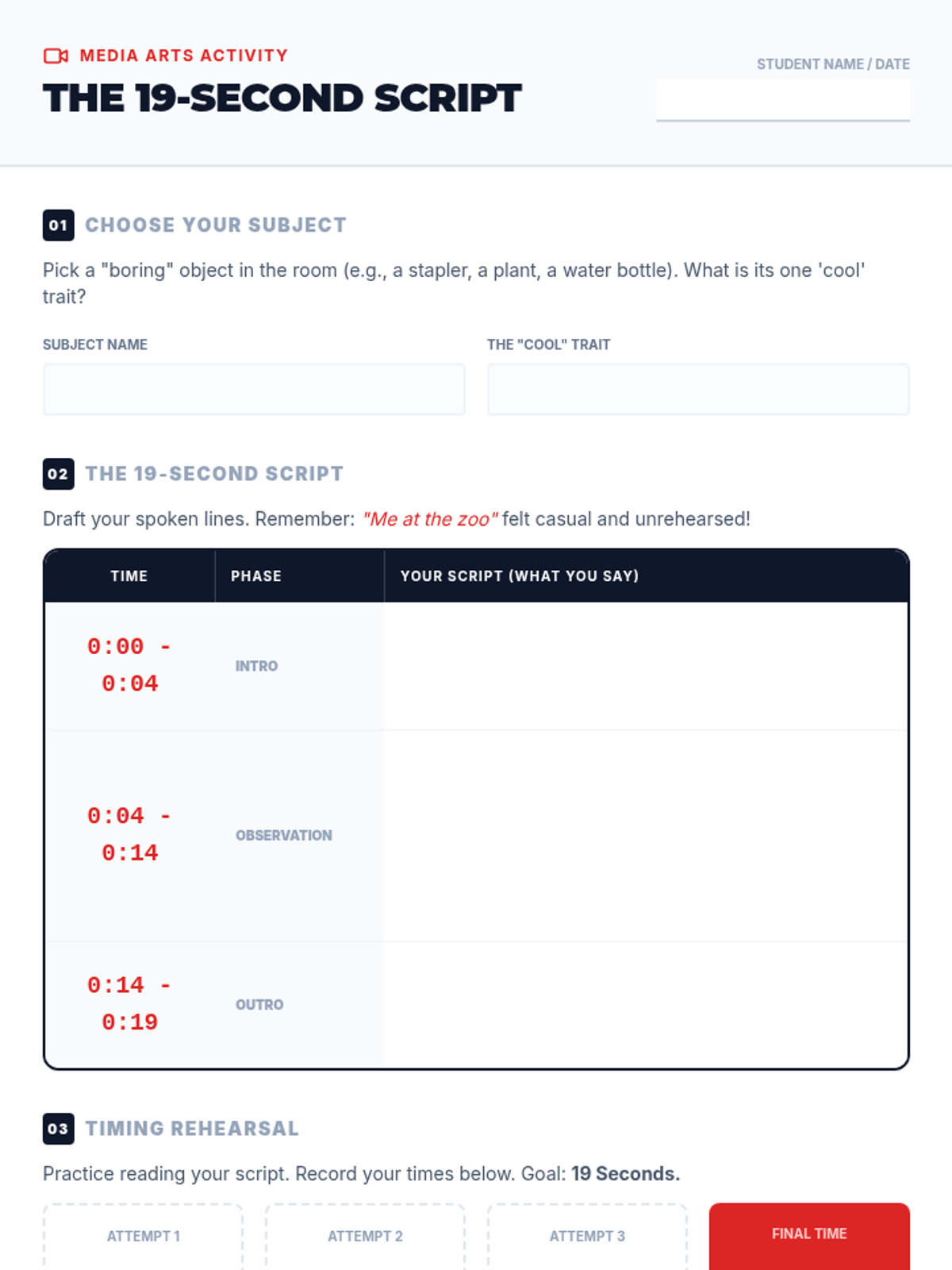
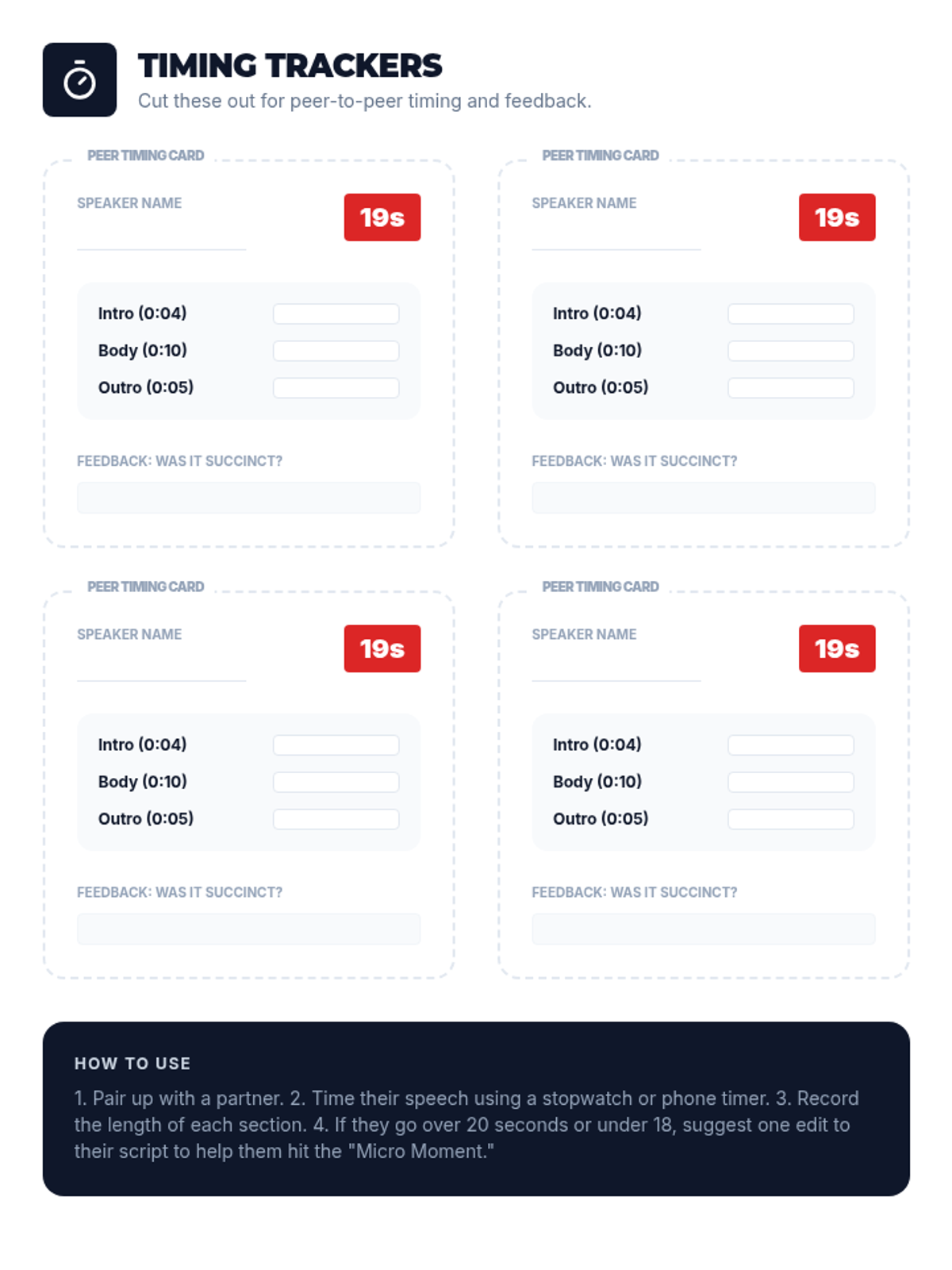
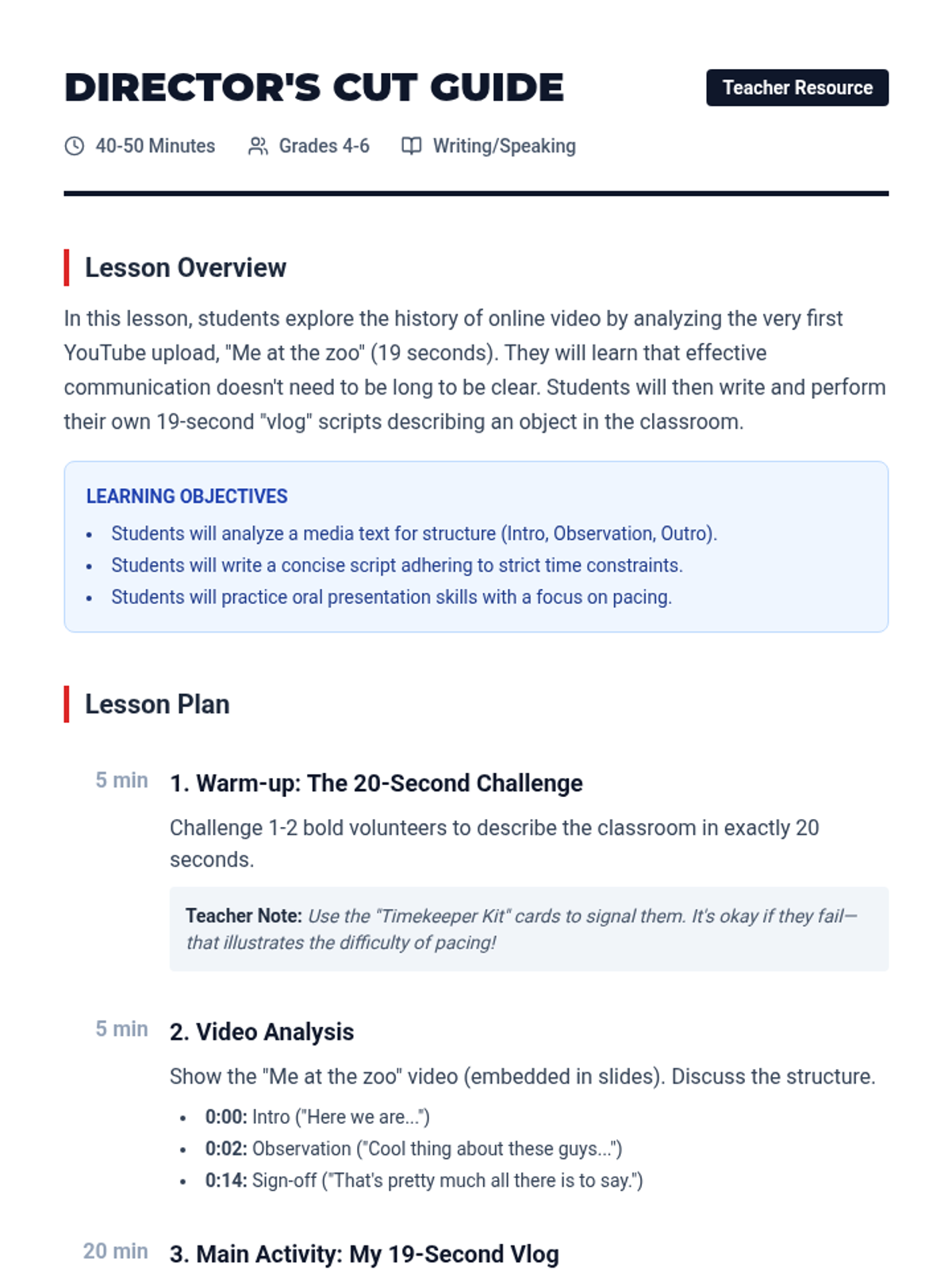
A media arts and oral communication lesson where students analyze the first YouTube video and create their own 19-second observational scripts.
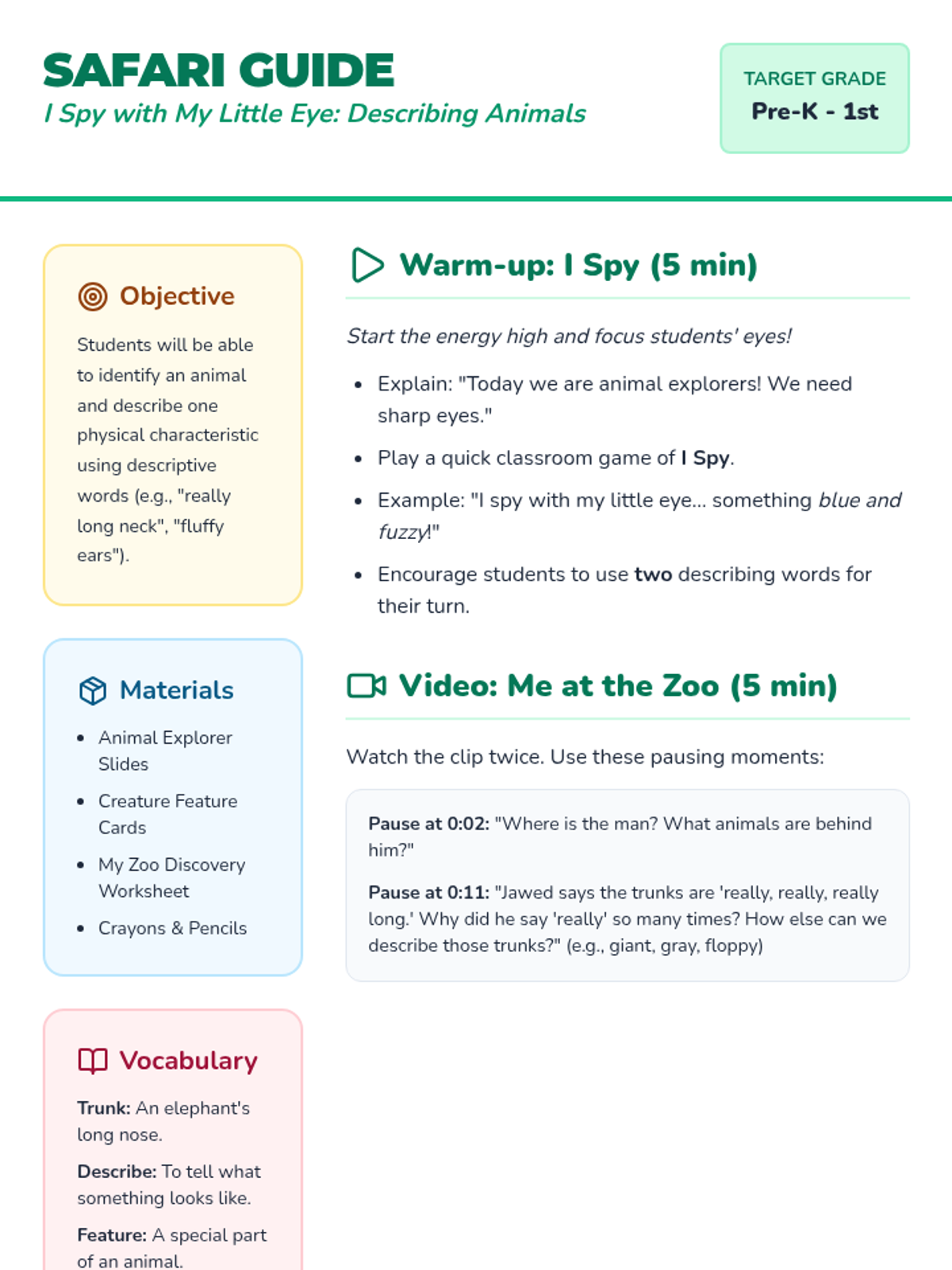
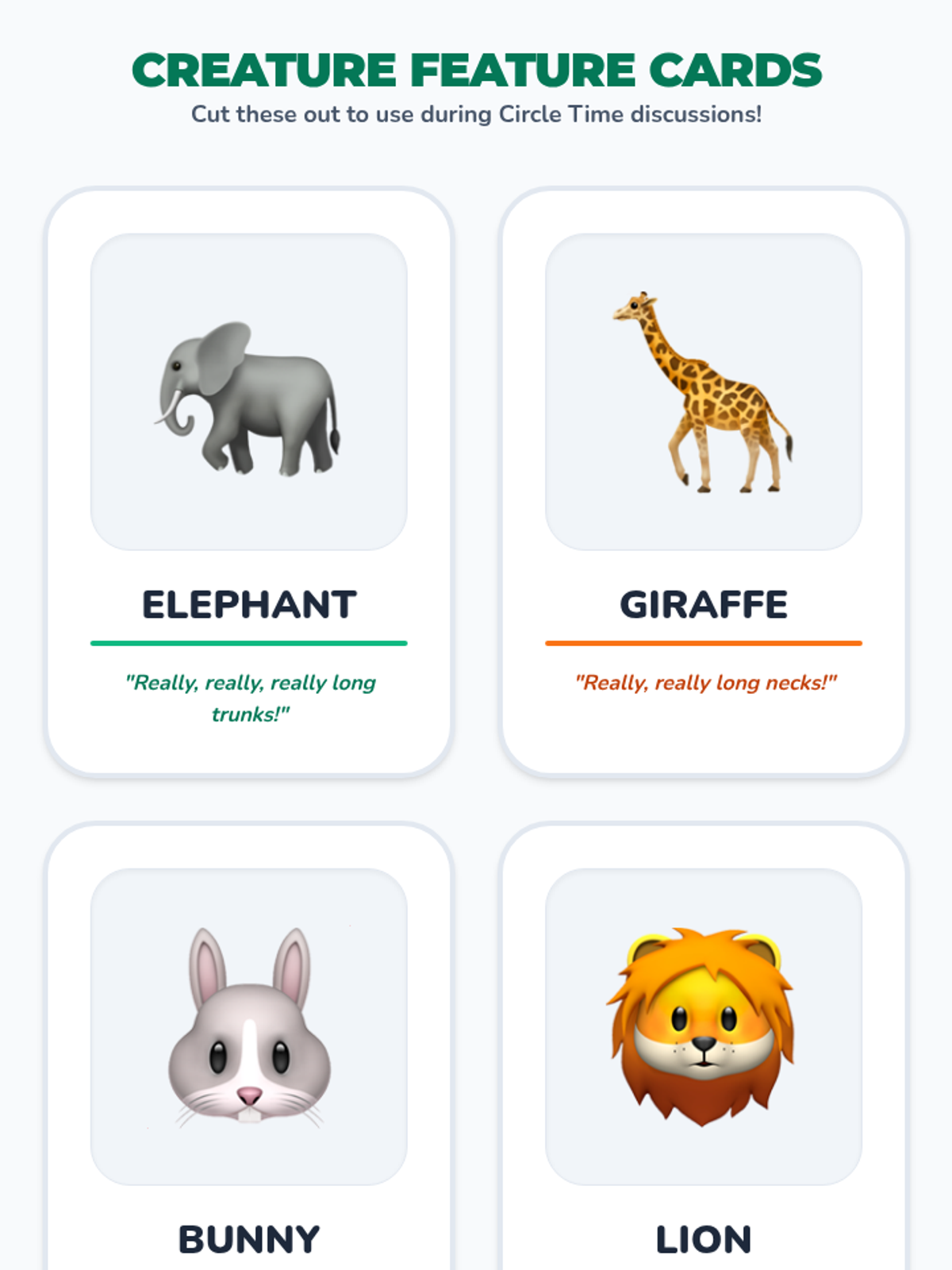
A fun, interactive lesson for Pre-K to 1st Grade focusing on identifying animals and using descriptive language to describe their unique physical features. Students will watch the first-ever YouTube video and practice their observation skills through 'I Spy' and drawing activities.
A reading comprehension lesson for 4th graders exploring the unique adaptations, habitat, and history of llamas in the Andes Mountains.
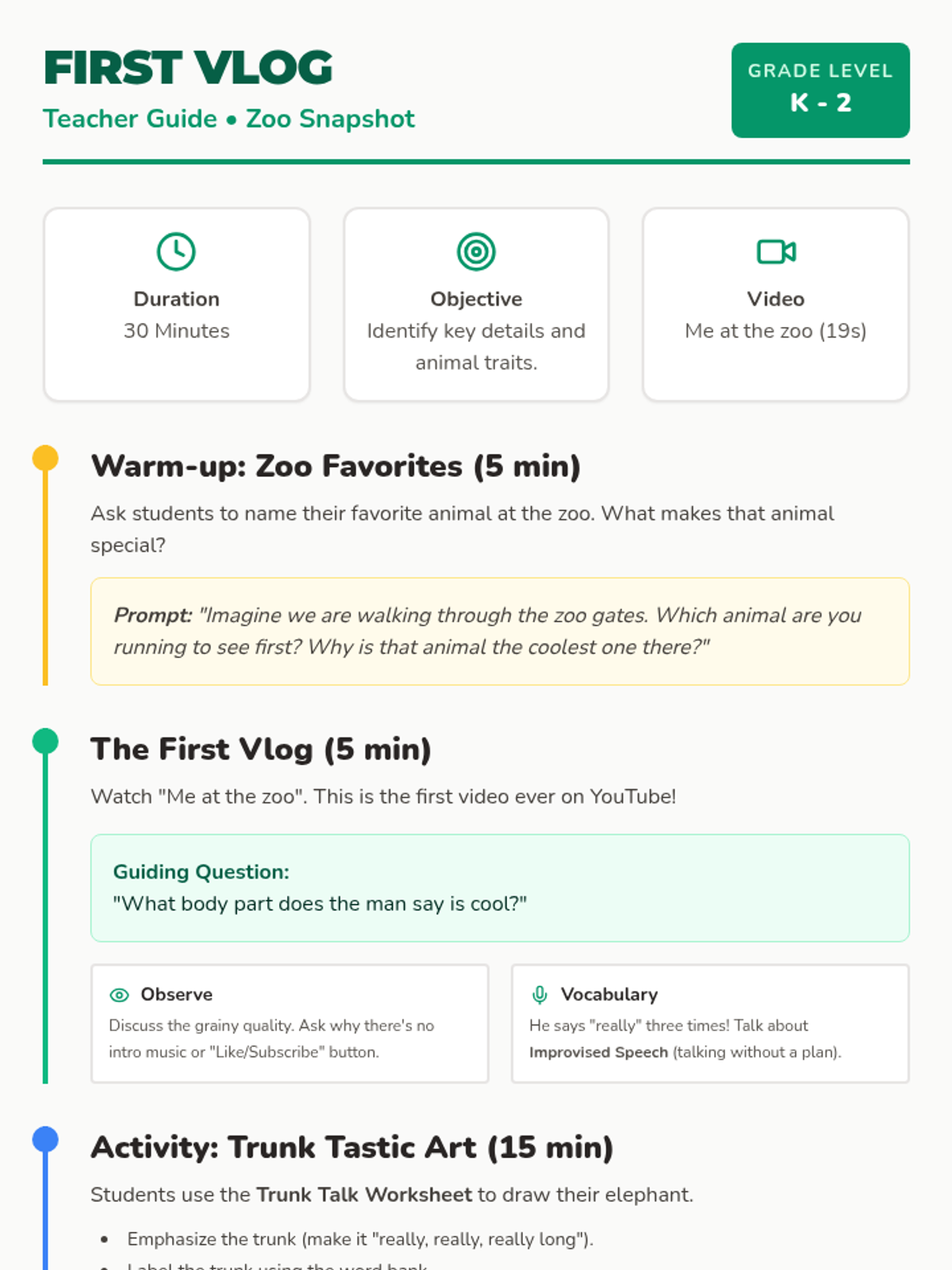
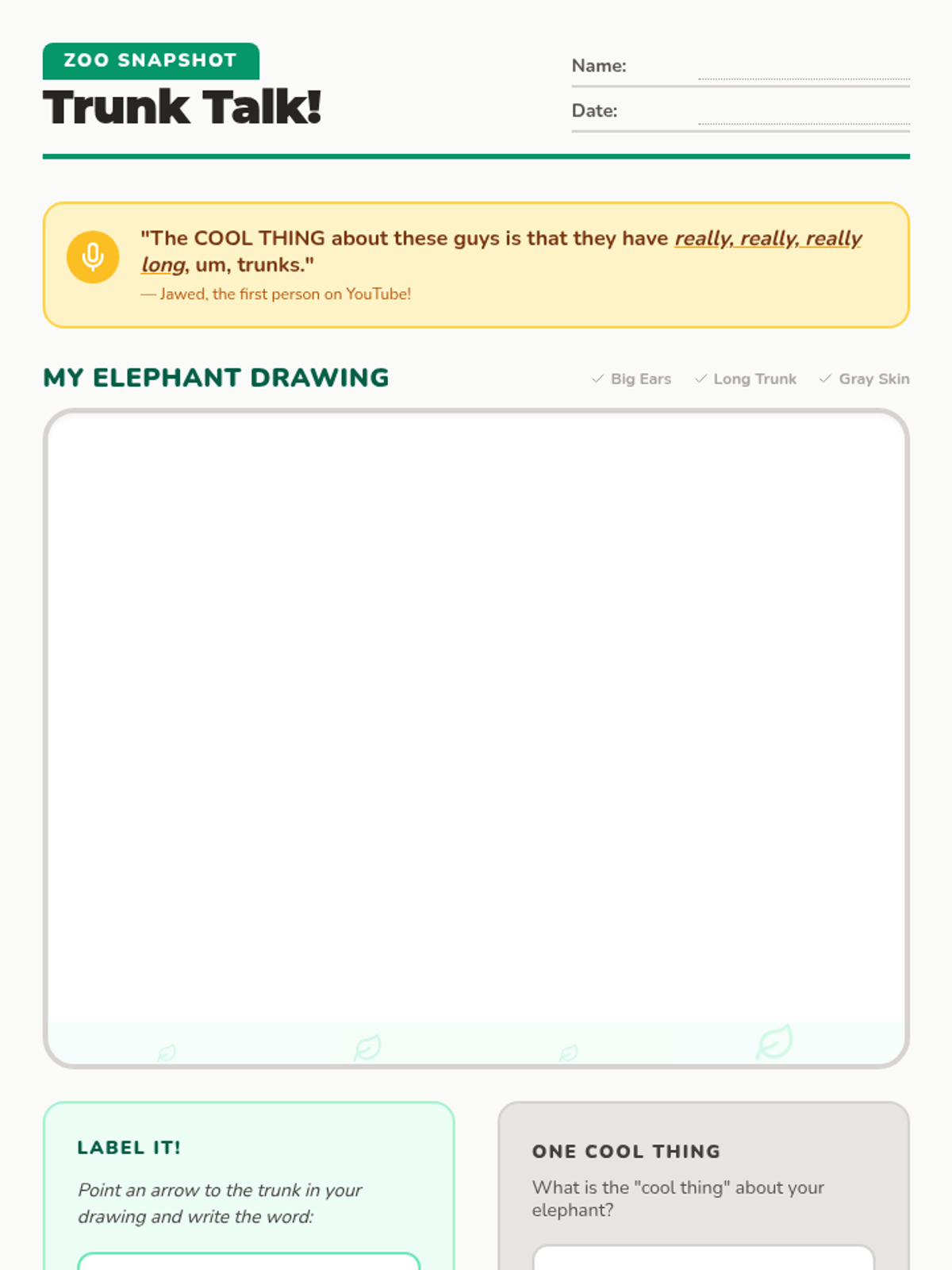
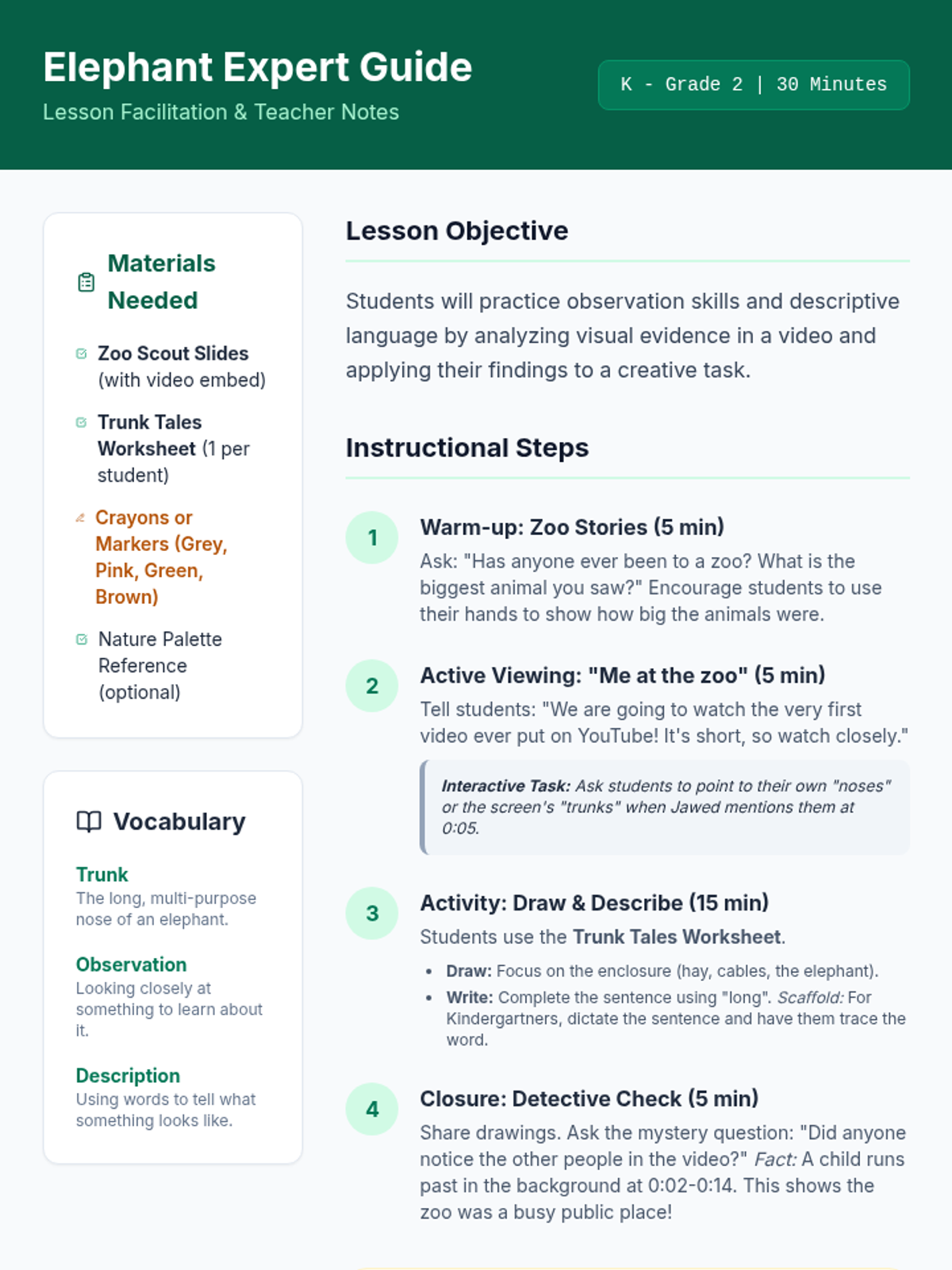
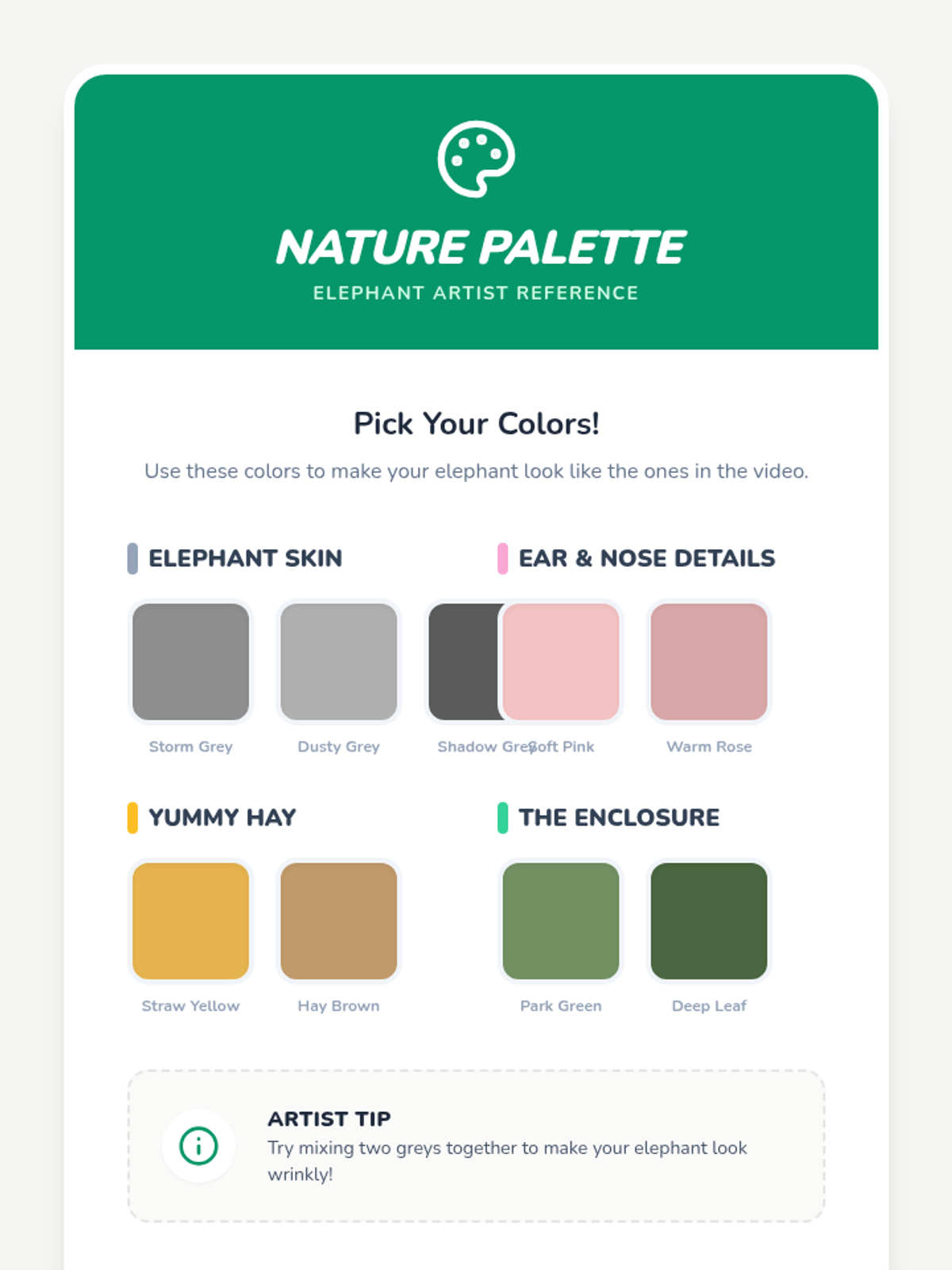
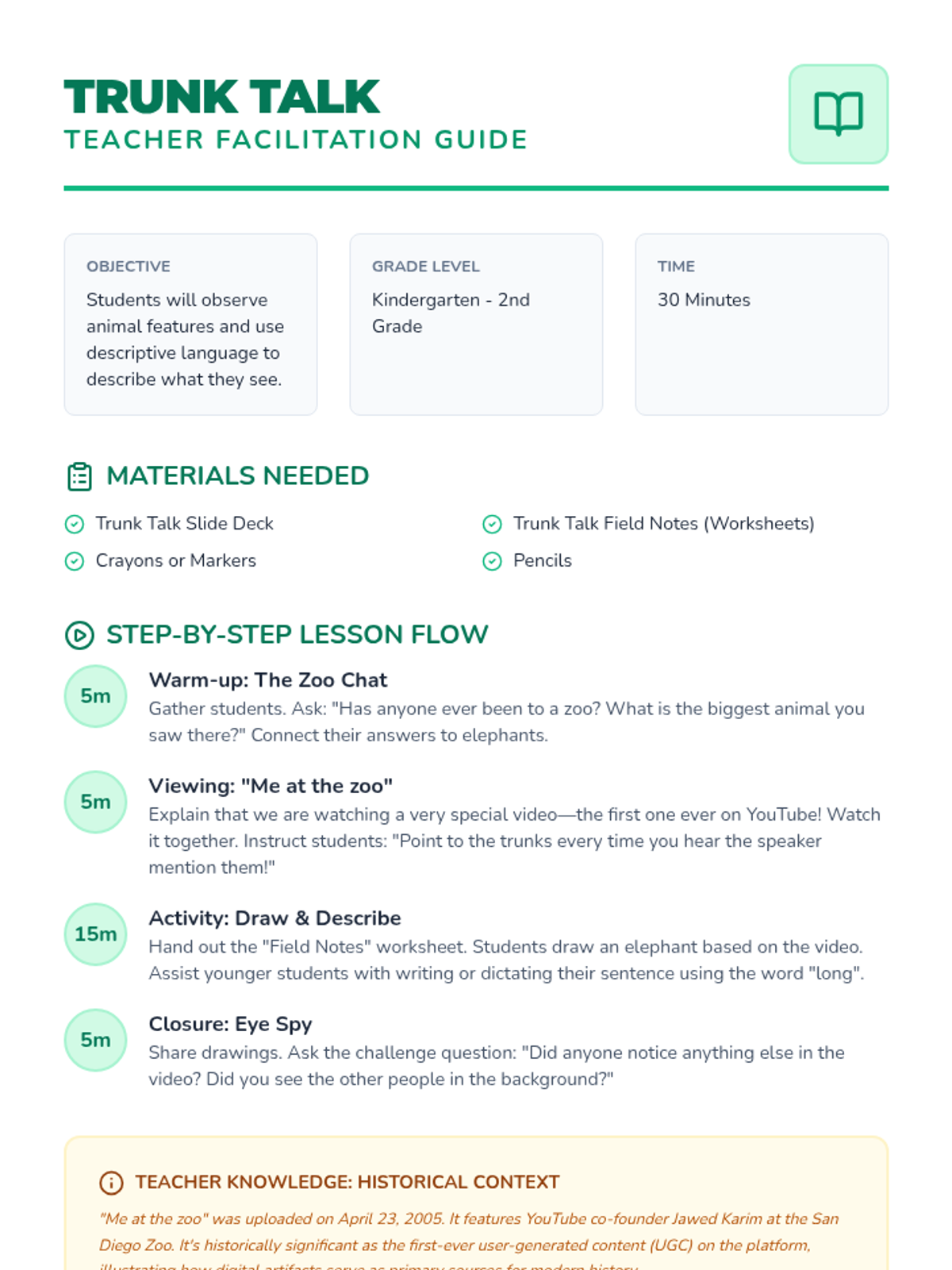
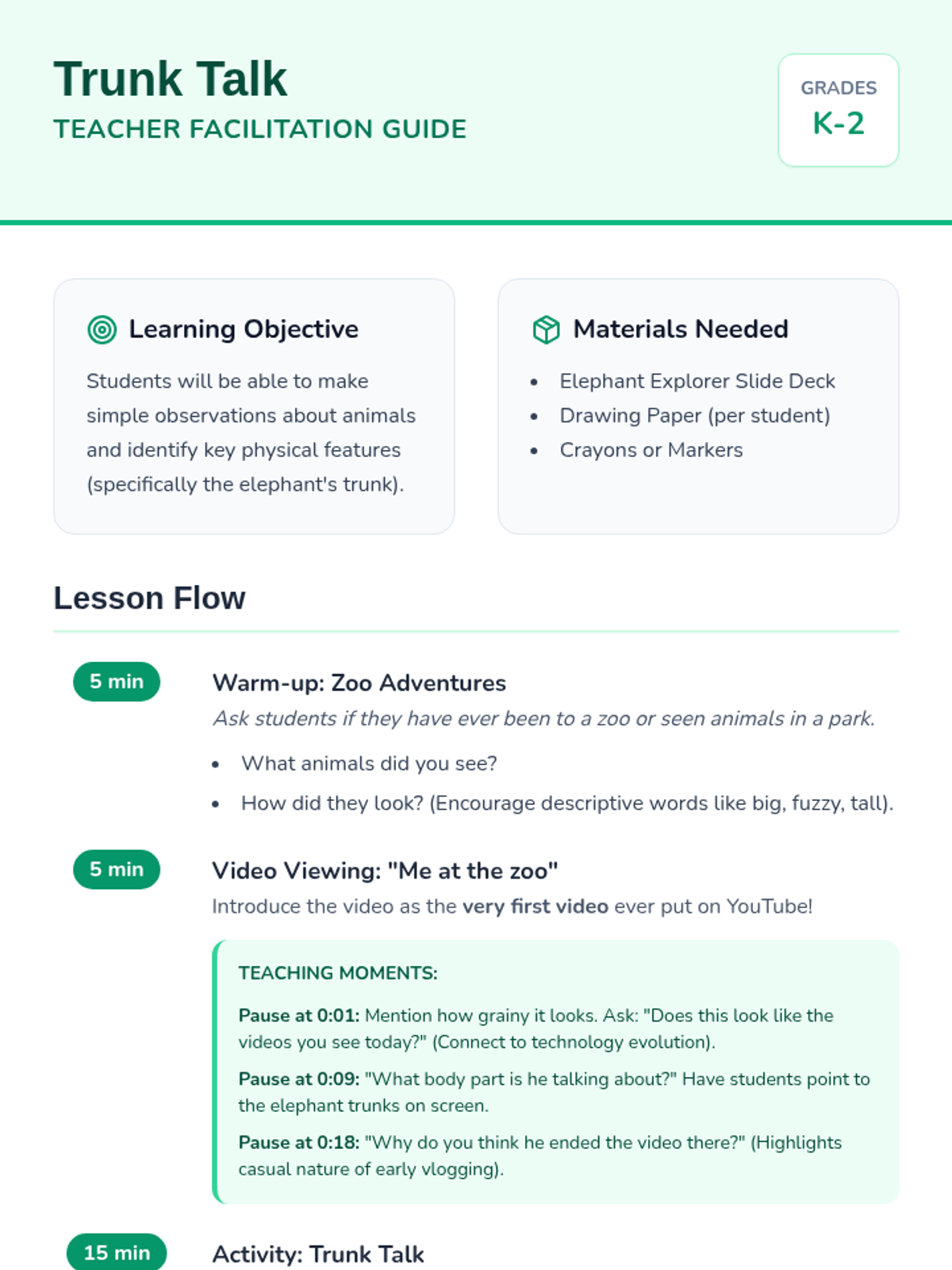
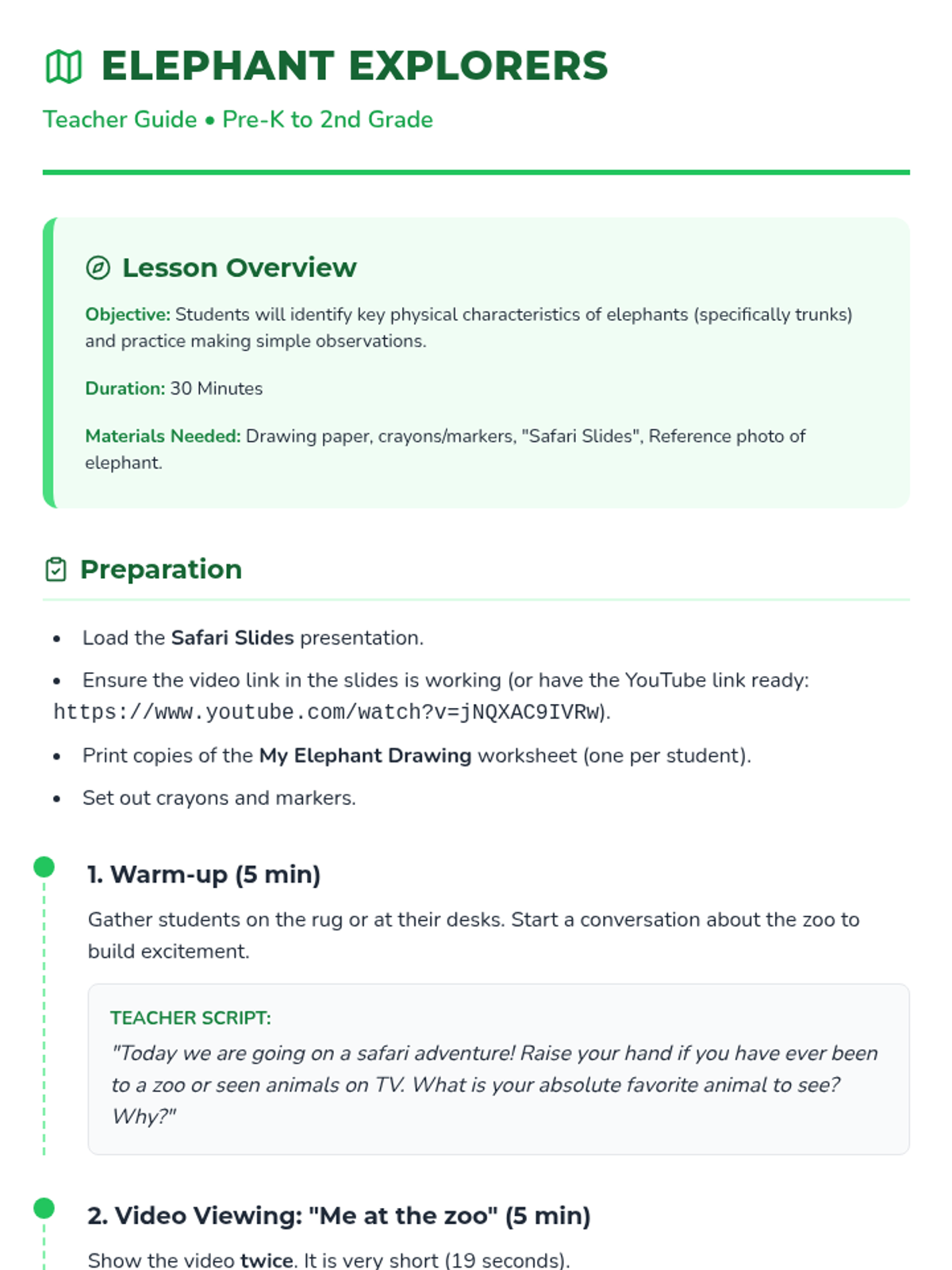
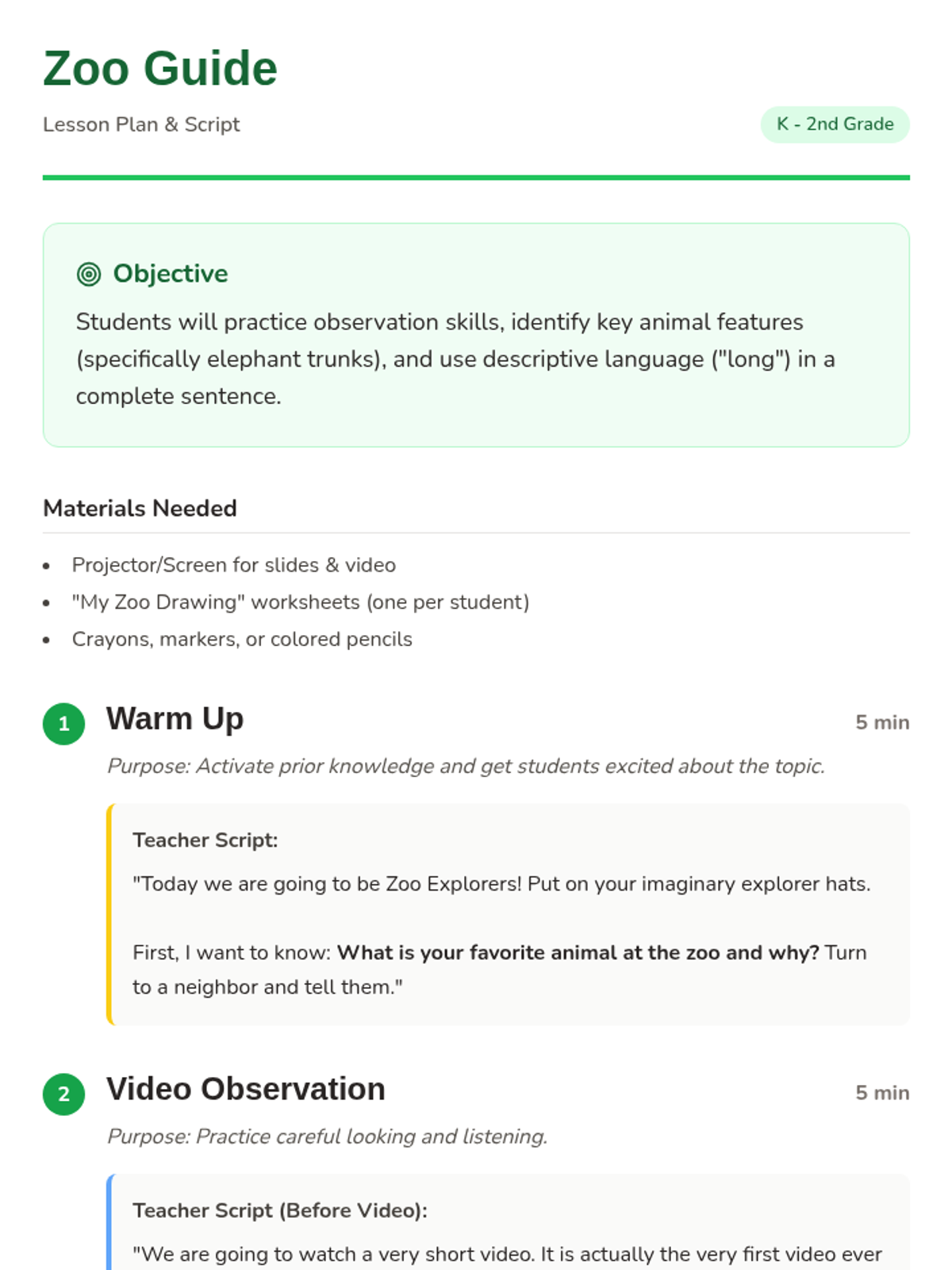
A Kindergarten to 2nd Grade lesson exploring the first YouTube video ever made, focusing on observation skills, animal characteristics, and the evolution of digital content. Students will identify key details about elephants and create their own drawings based on the video's descriptions.
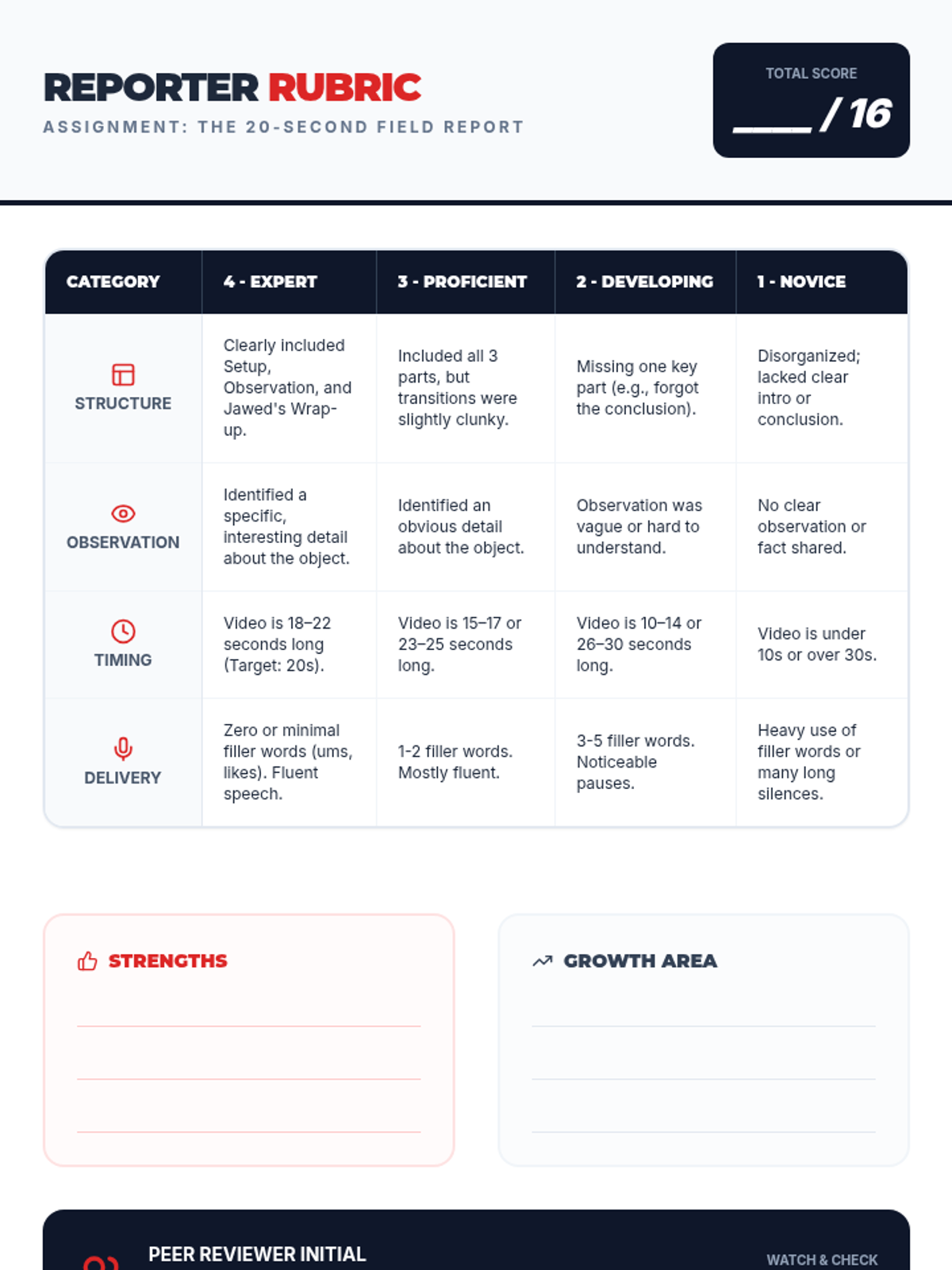
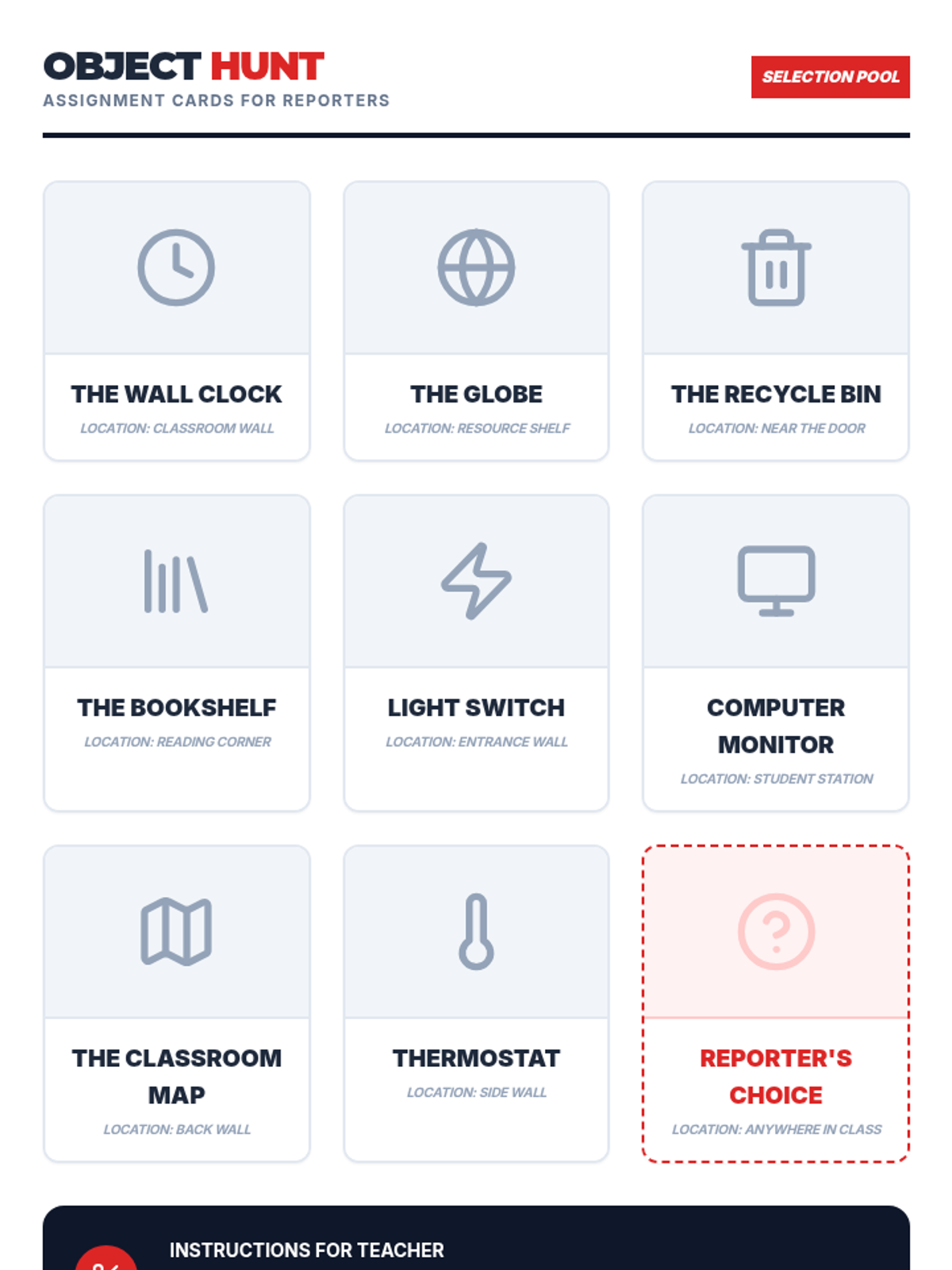
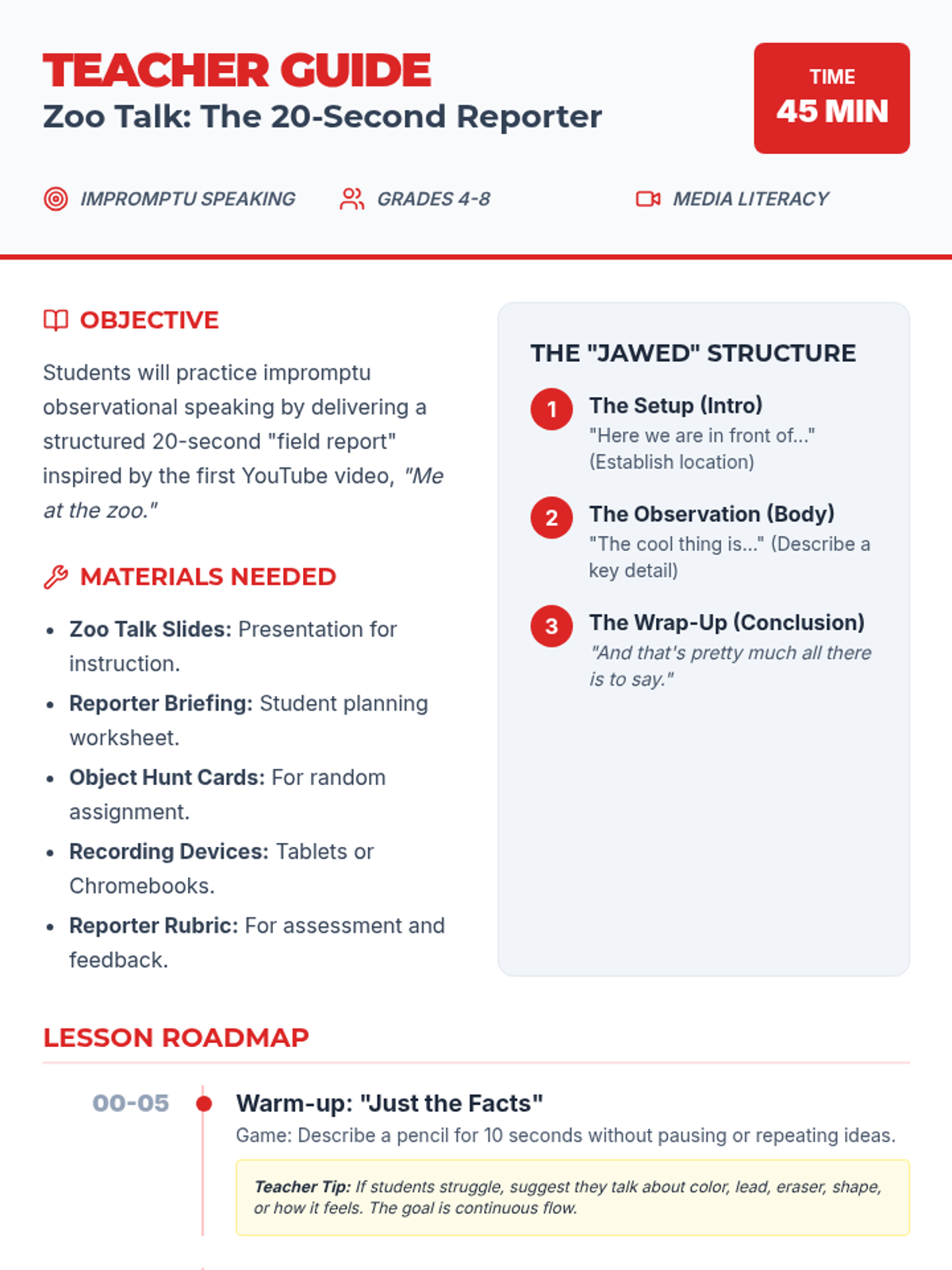
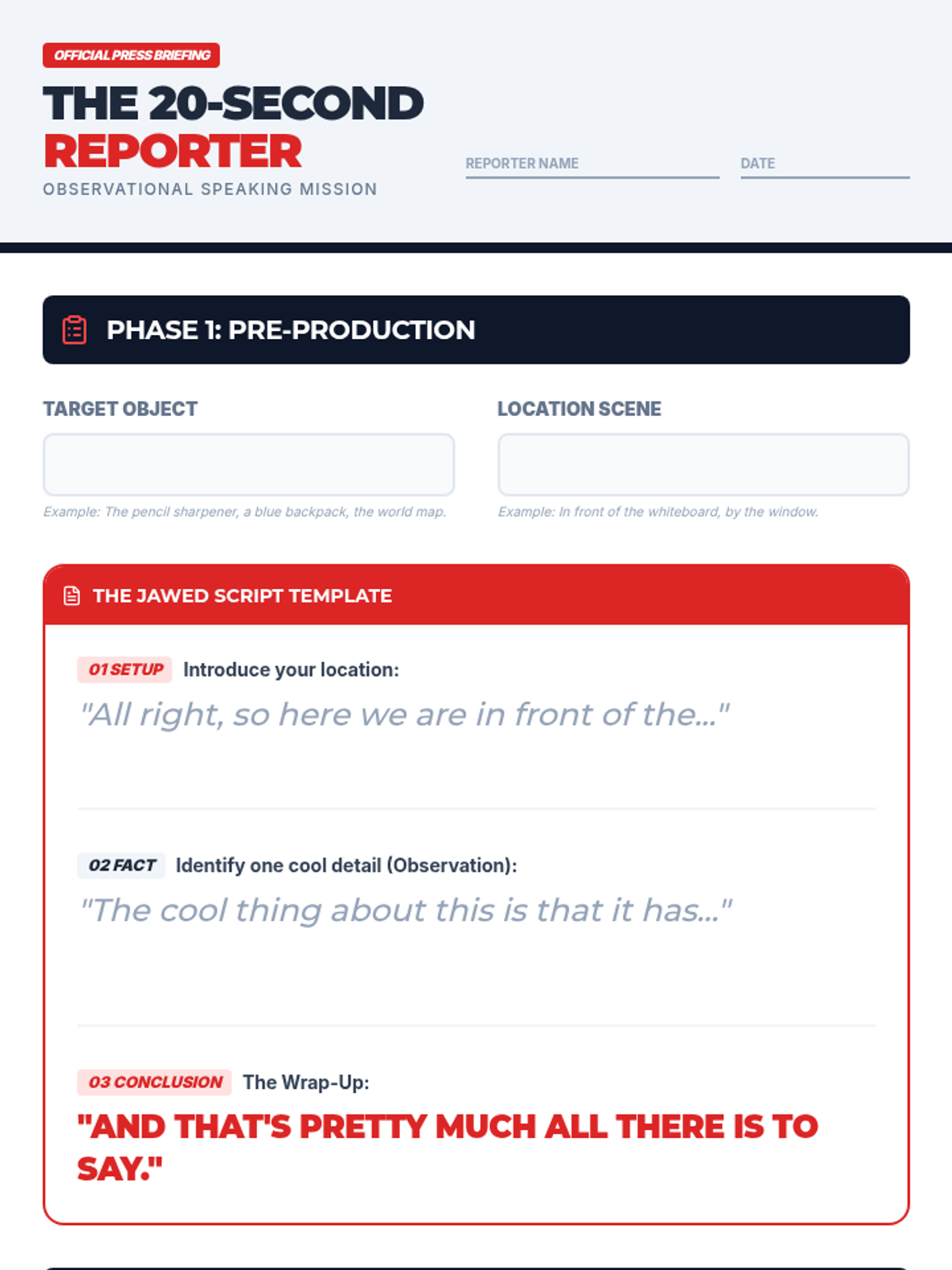
Students learn the foundations of impromptu speaking and user-generated content by analyzing the first-ever YouTube video and performing their own '20-Second Reporter' segment using a simple three-part structure.
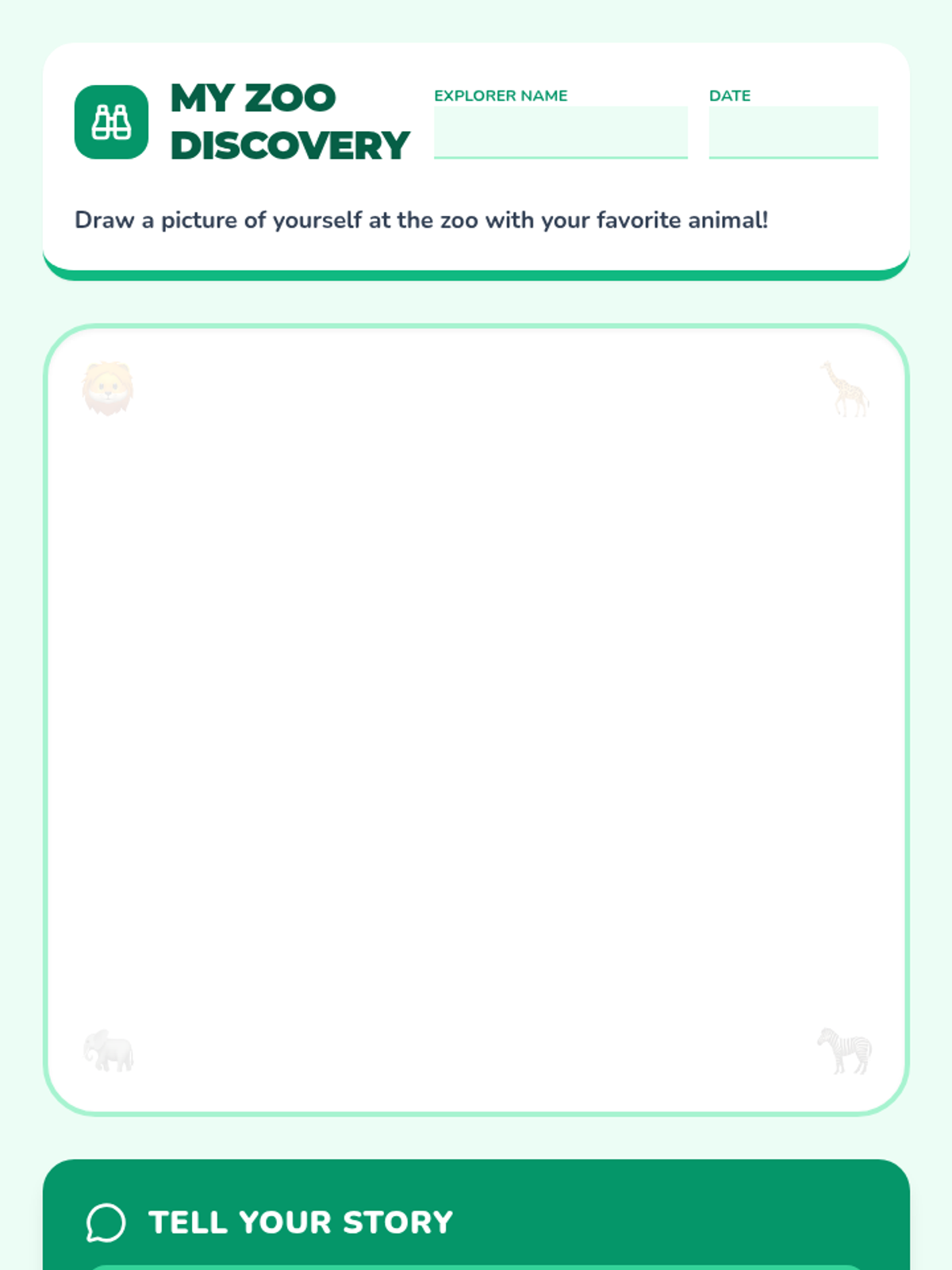
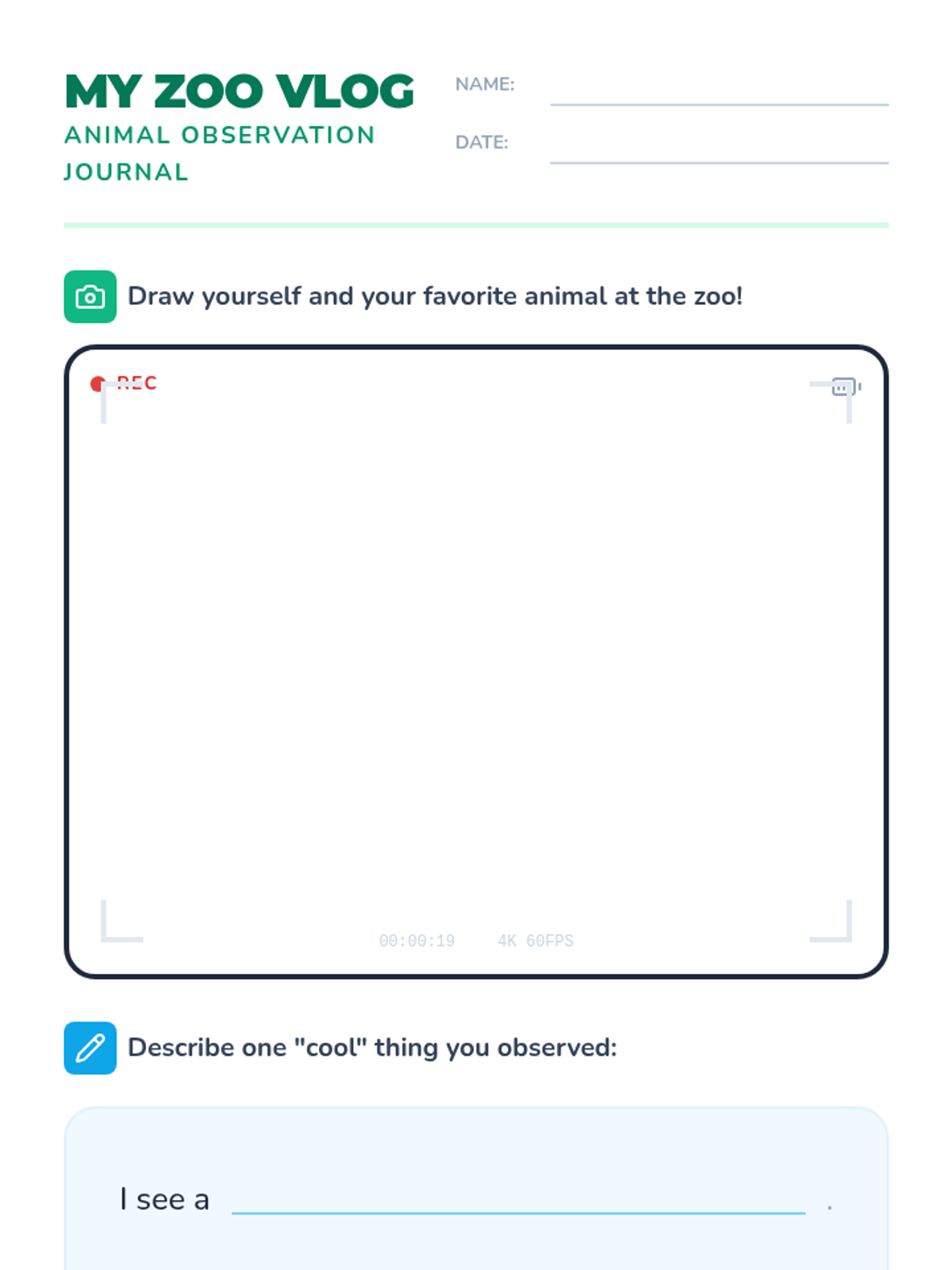
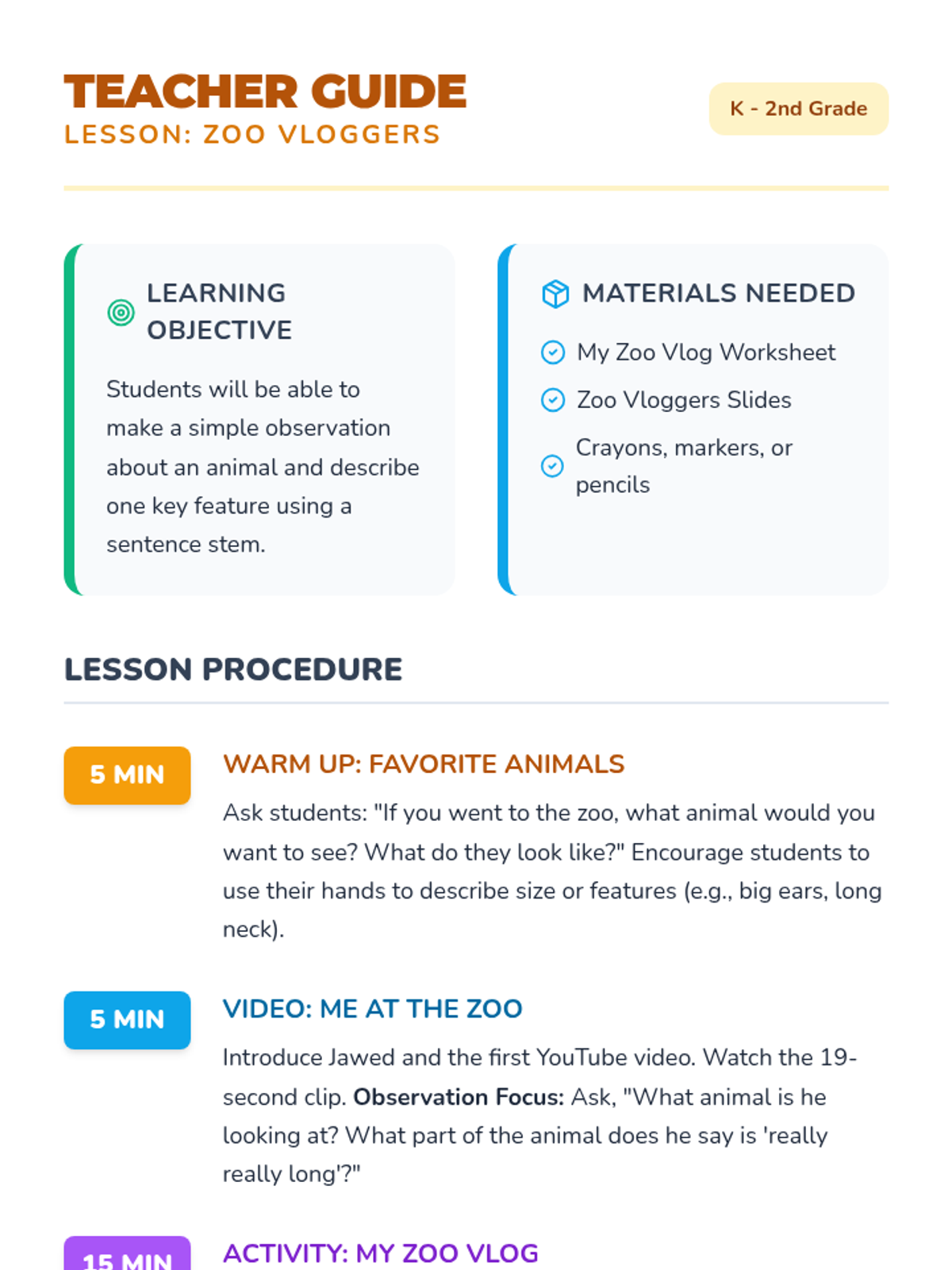
A Kindergarten-2nd Grade lesson where students learn to make simple animal observations by watching the first-ever YouTube video and creating their own 'Zoo Vlog' drawing and description.
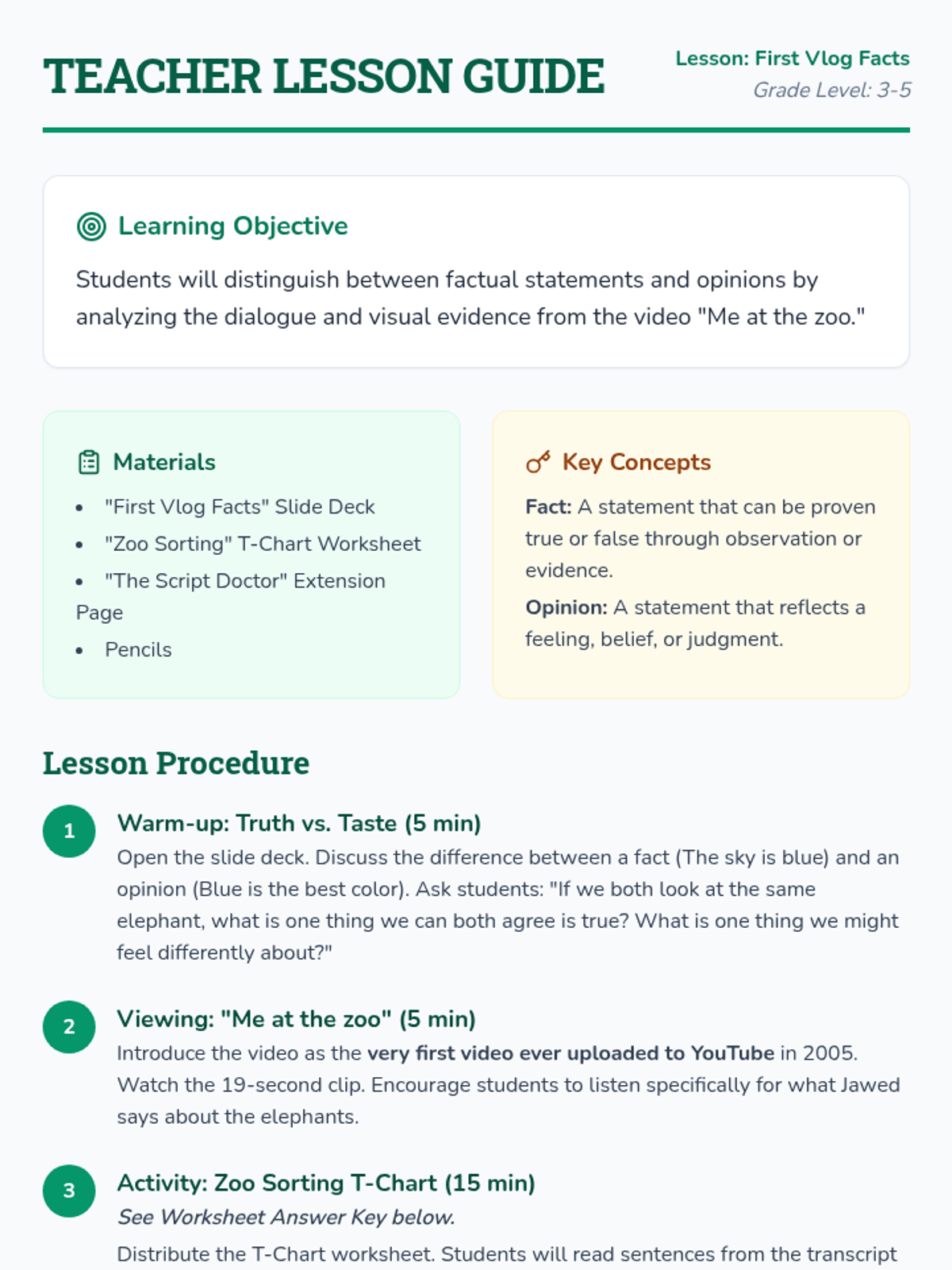
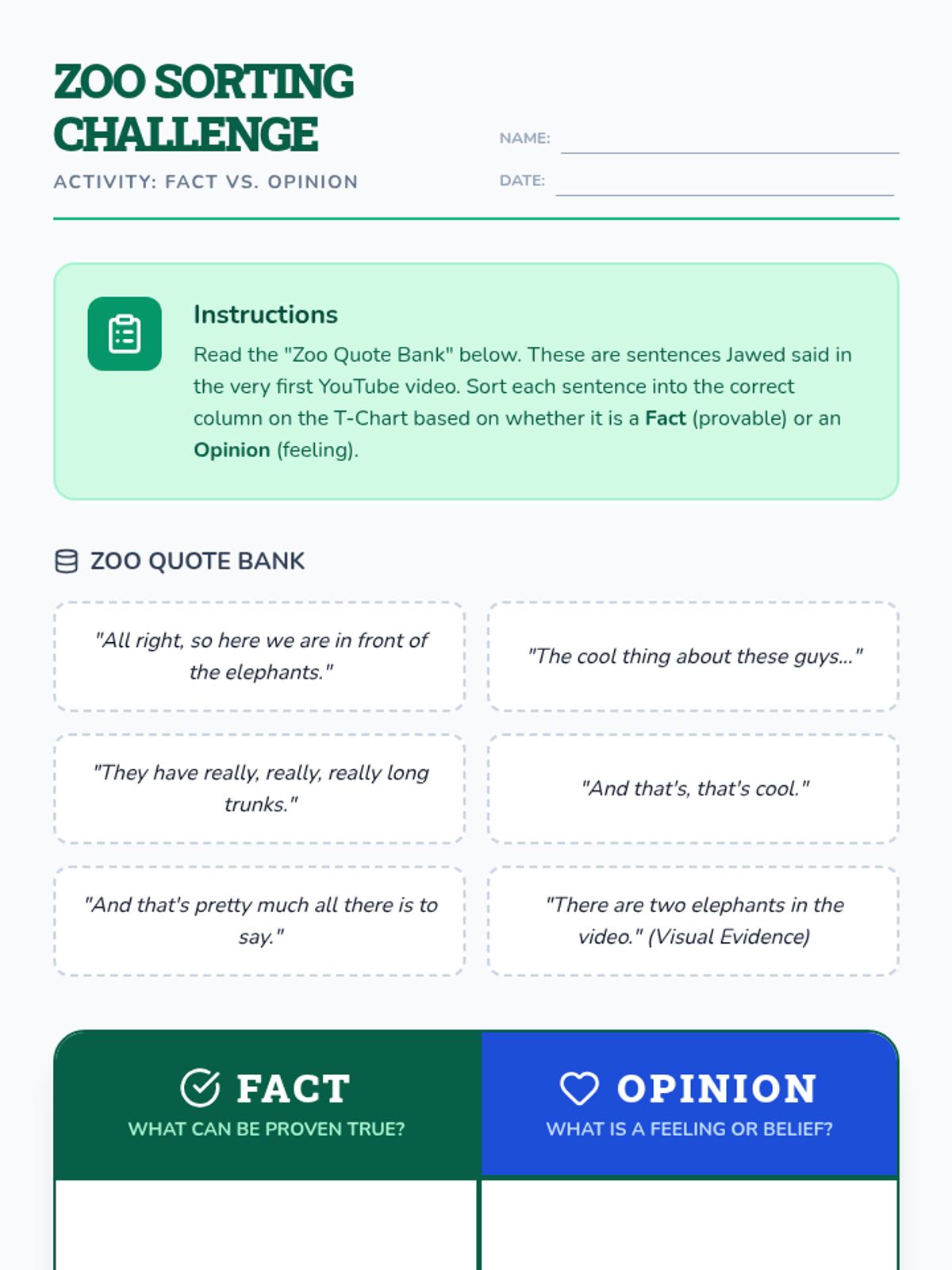
A lesson focusing on distinguishing between factual observations and opinions using the first YouTube video, 'Me at the zoo'. Students analyze dialogue and imagery to understand how word choice influences information.
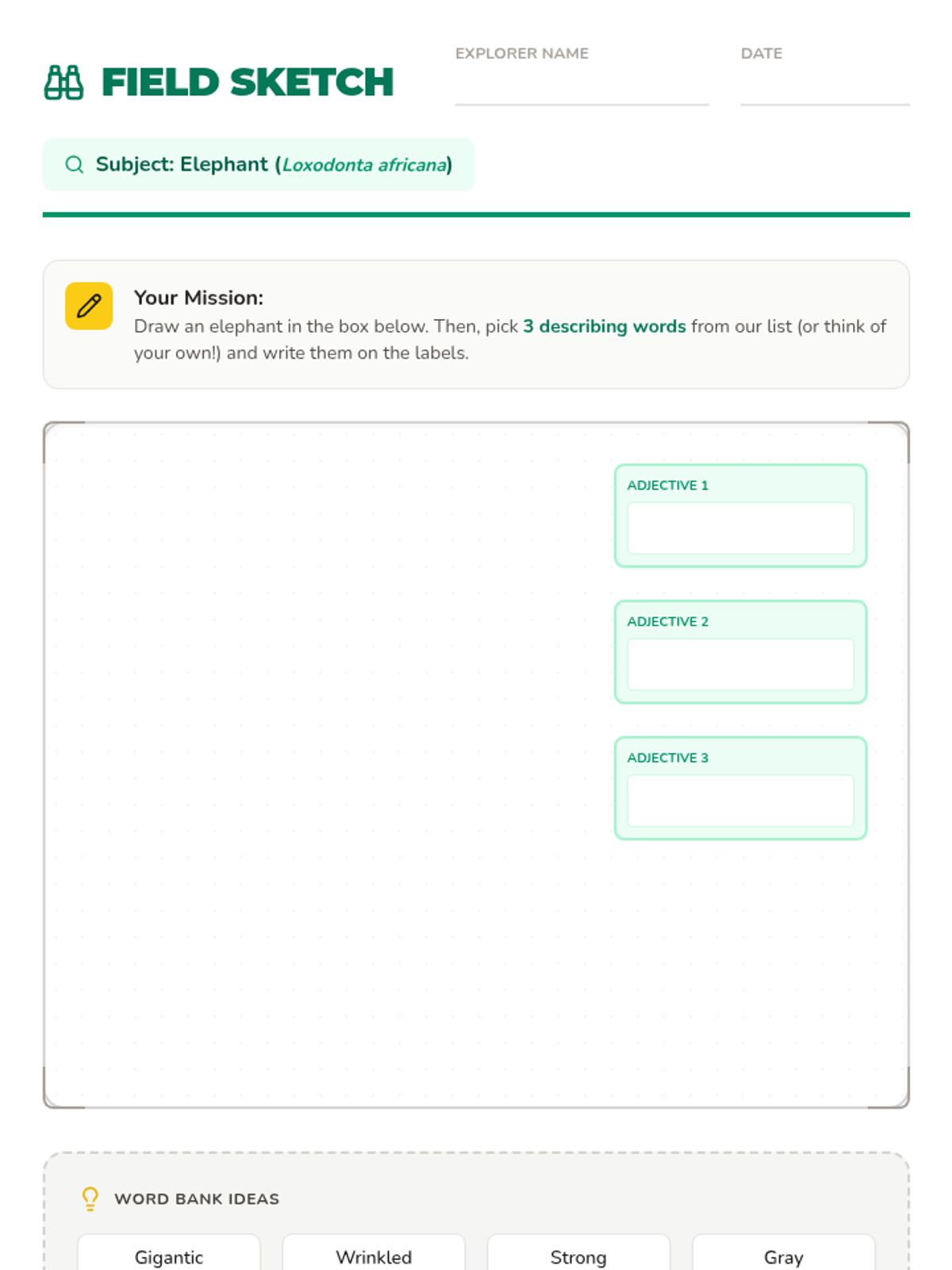
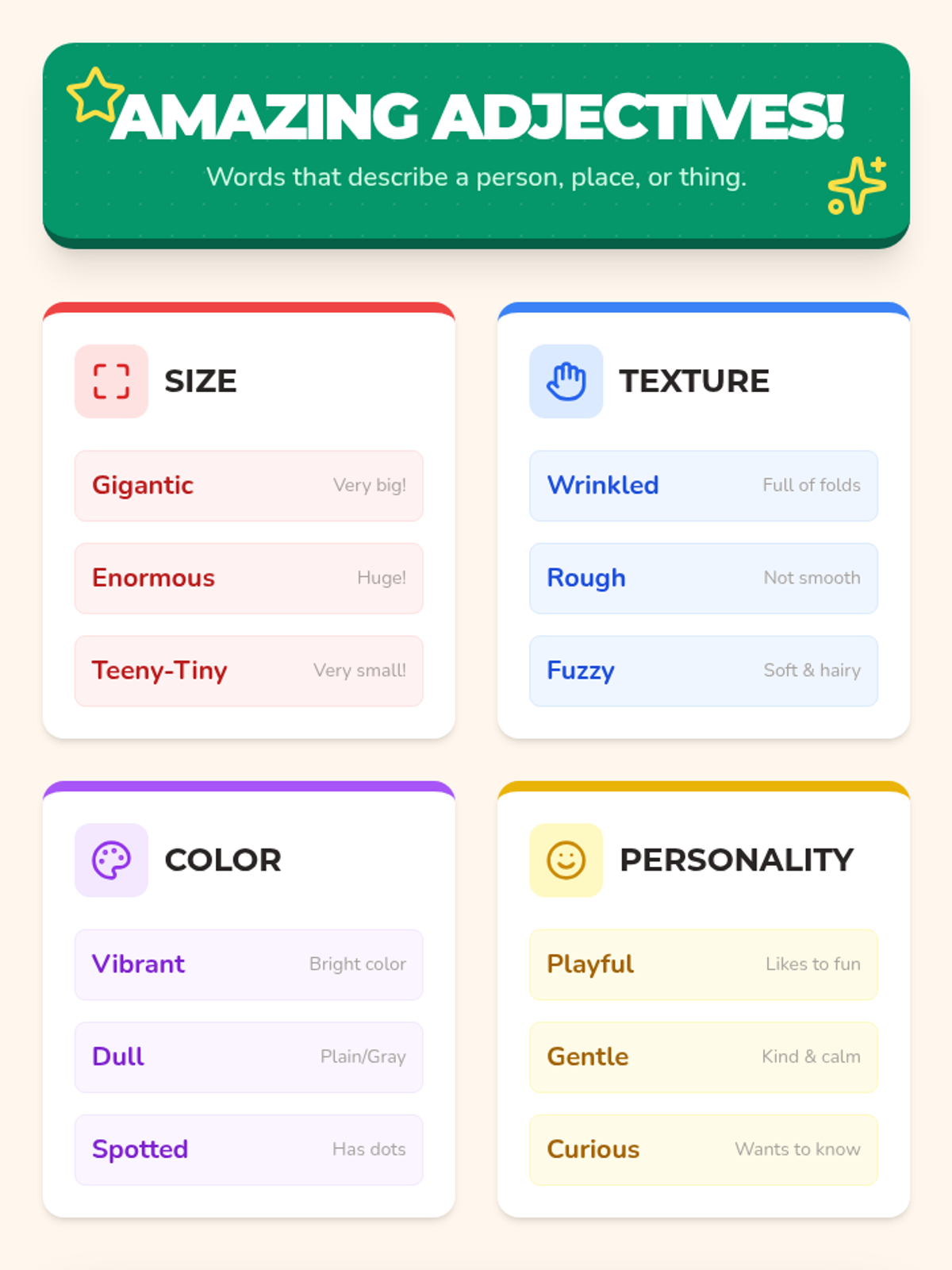
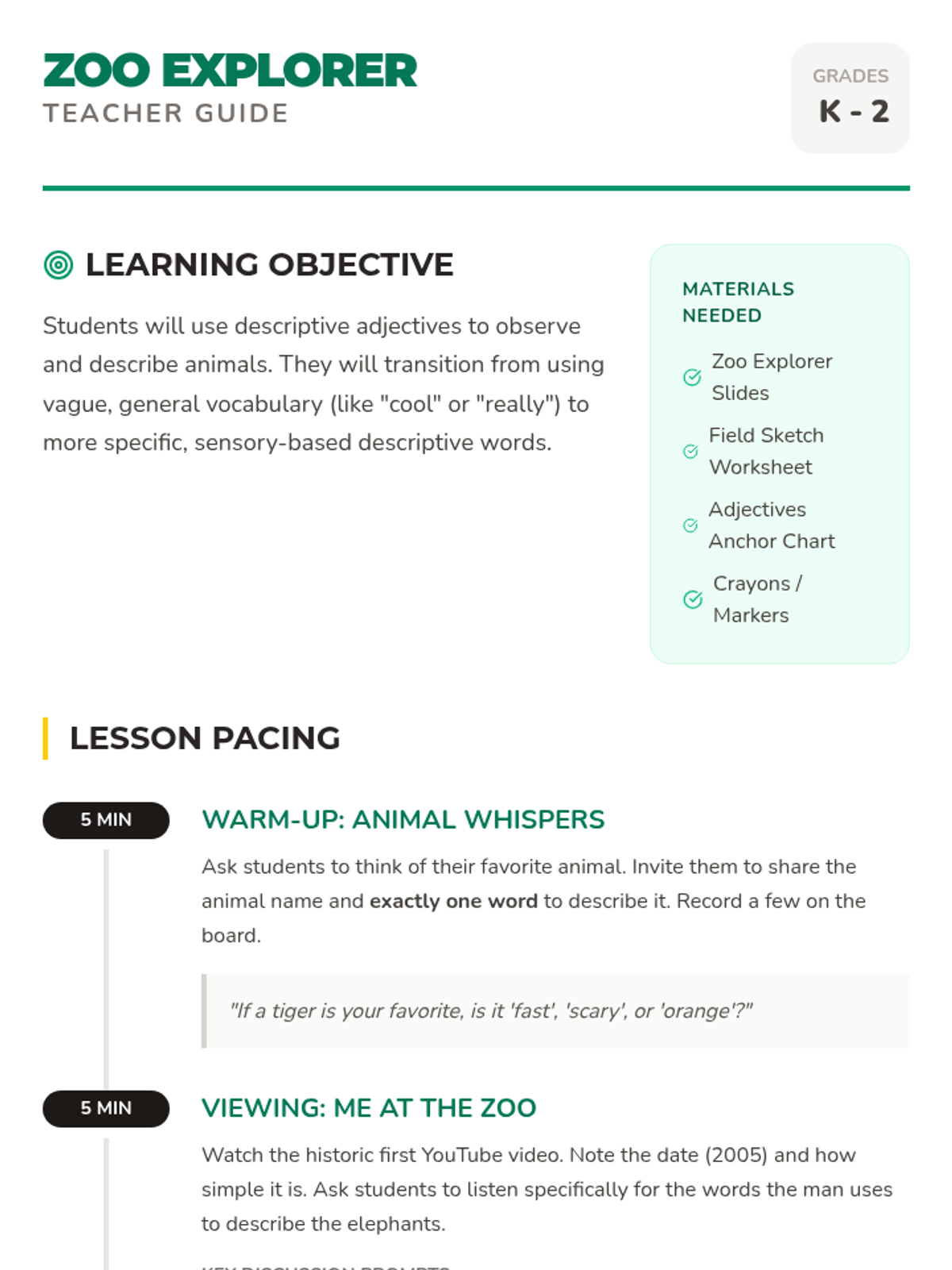
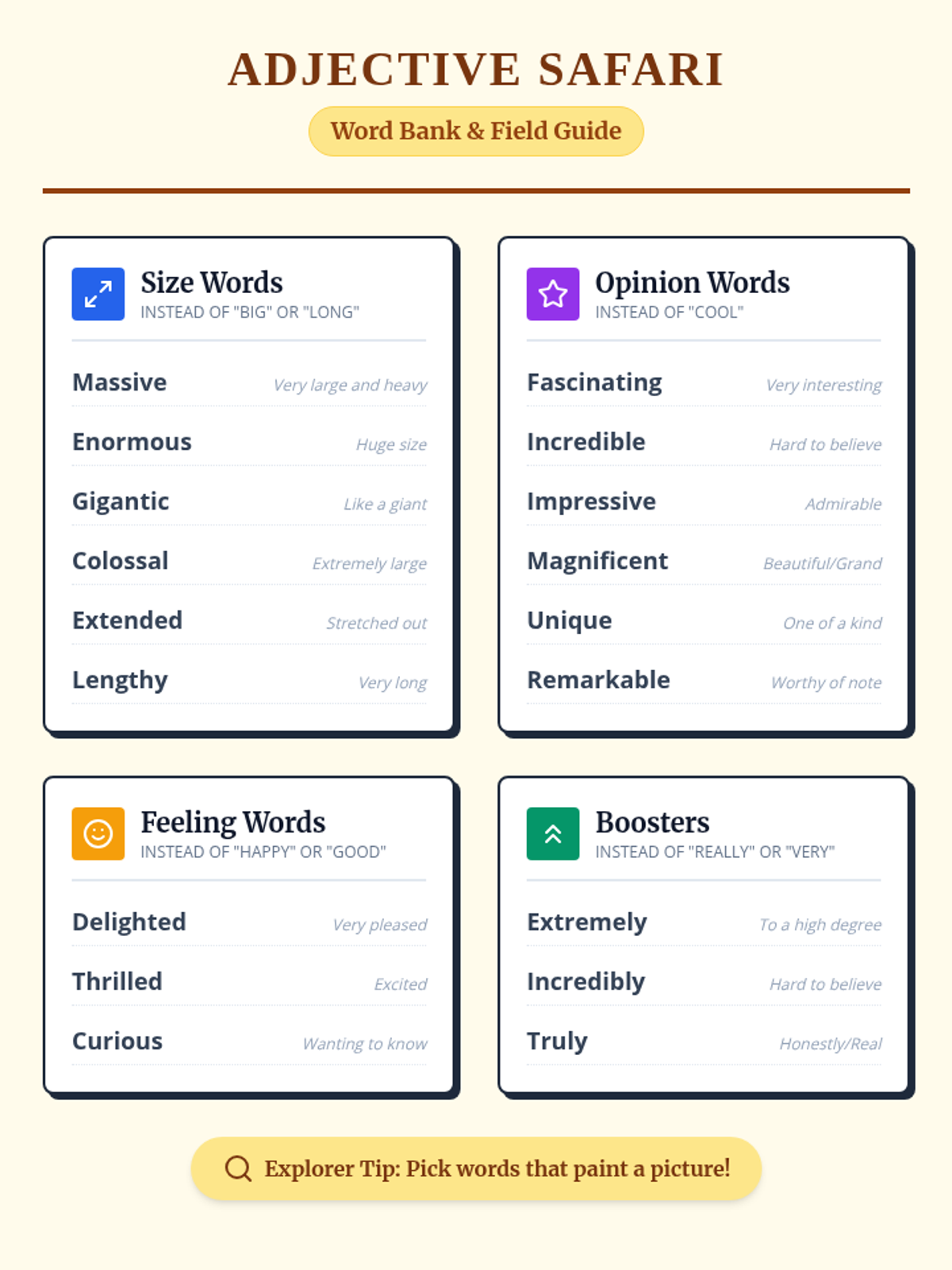
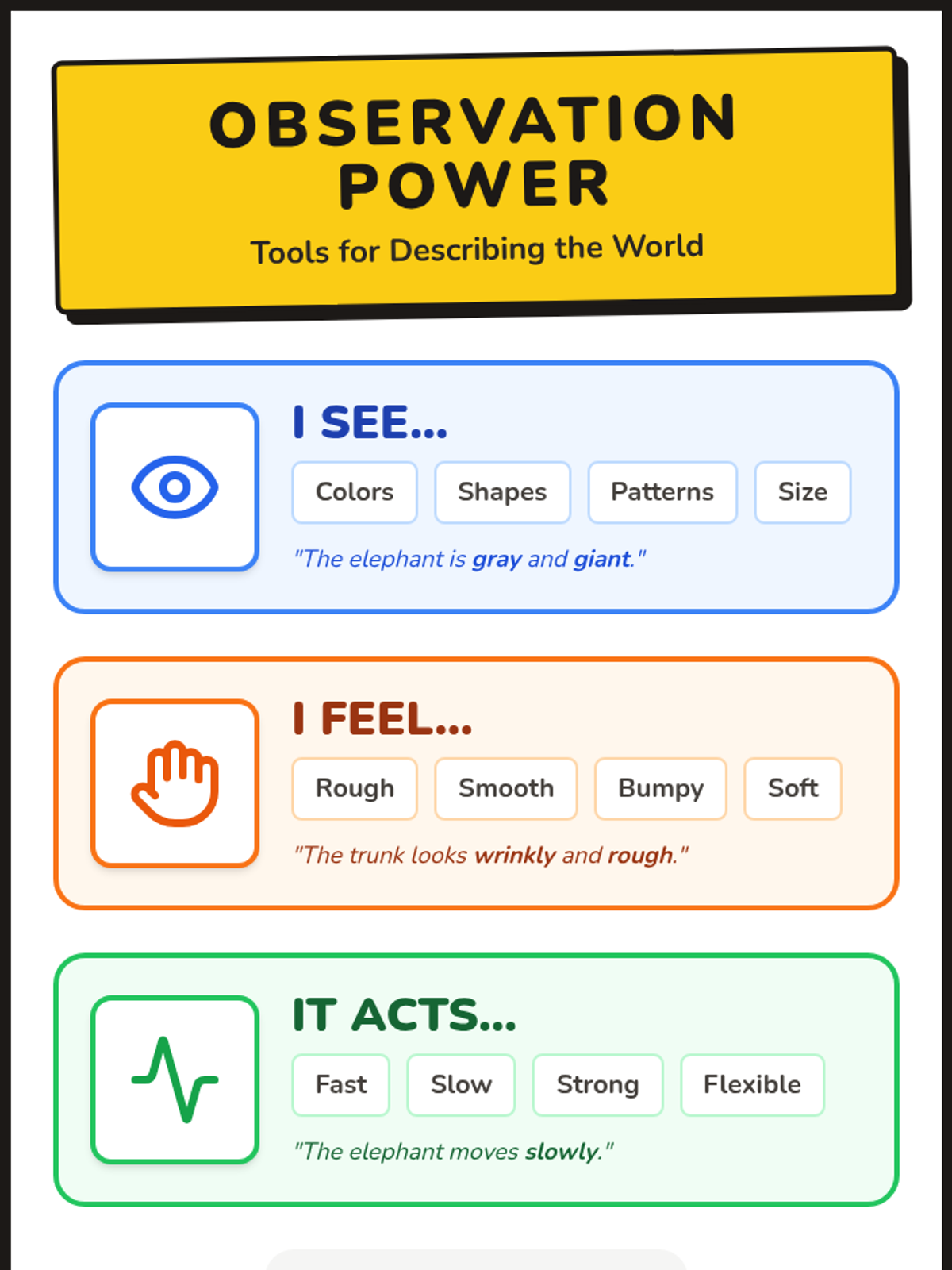
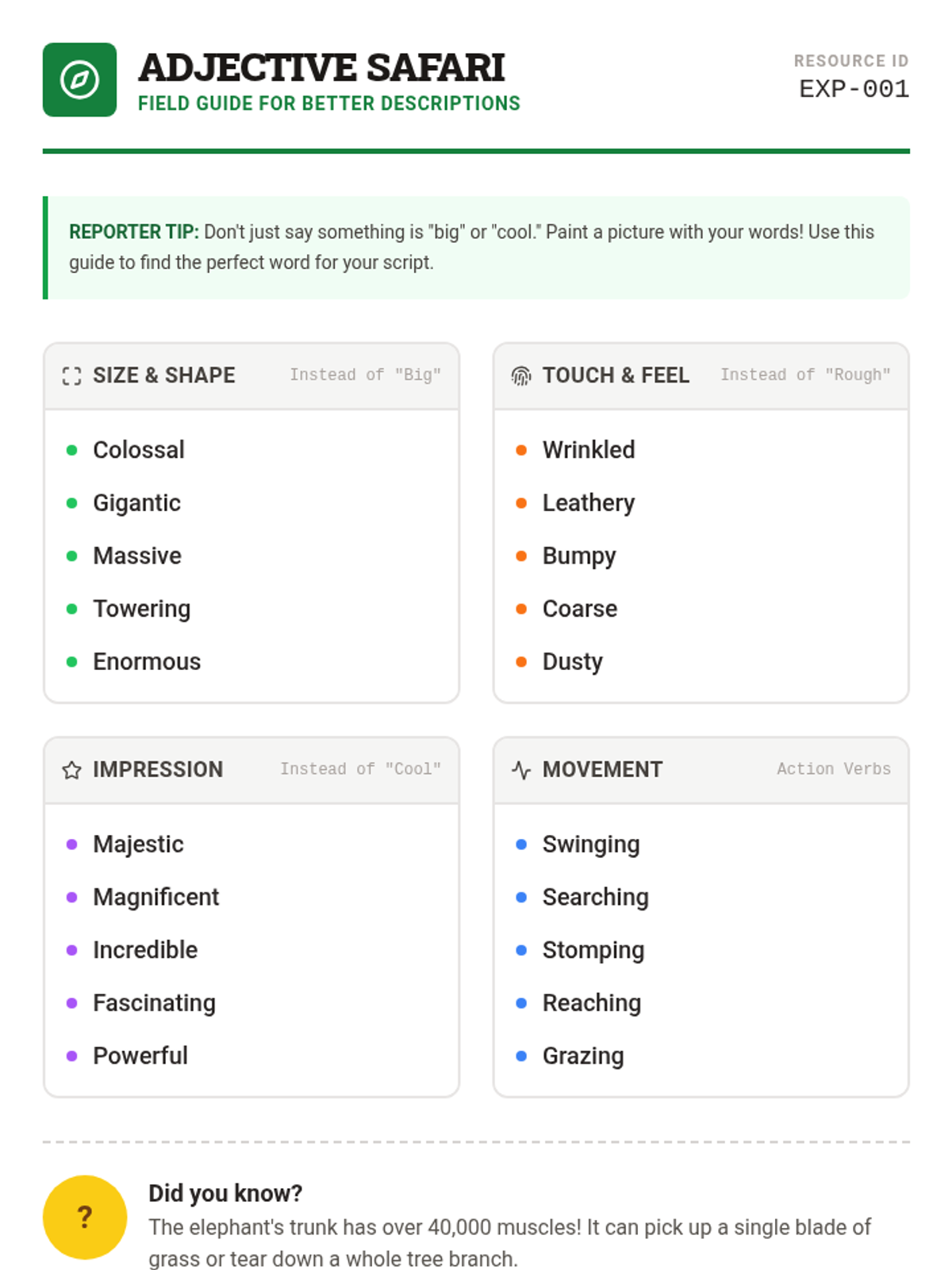
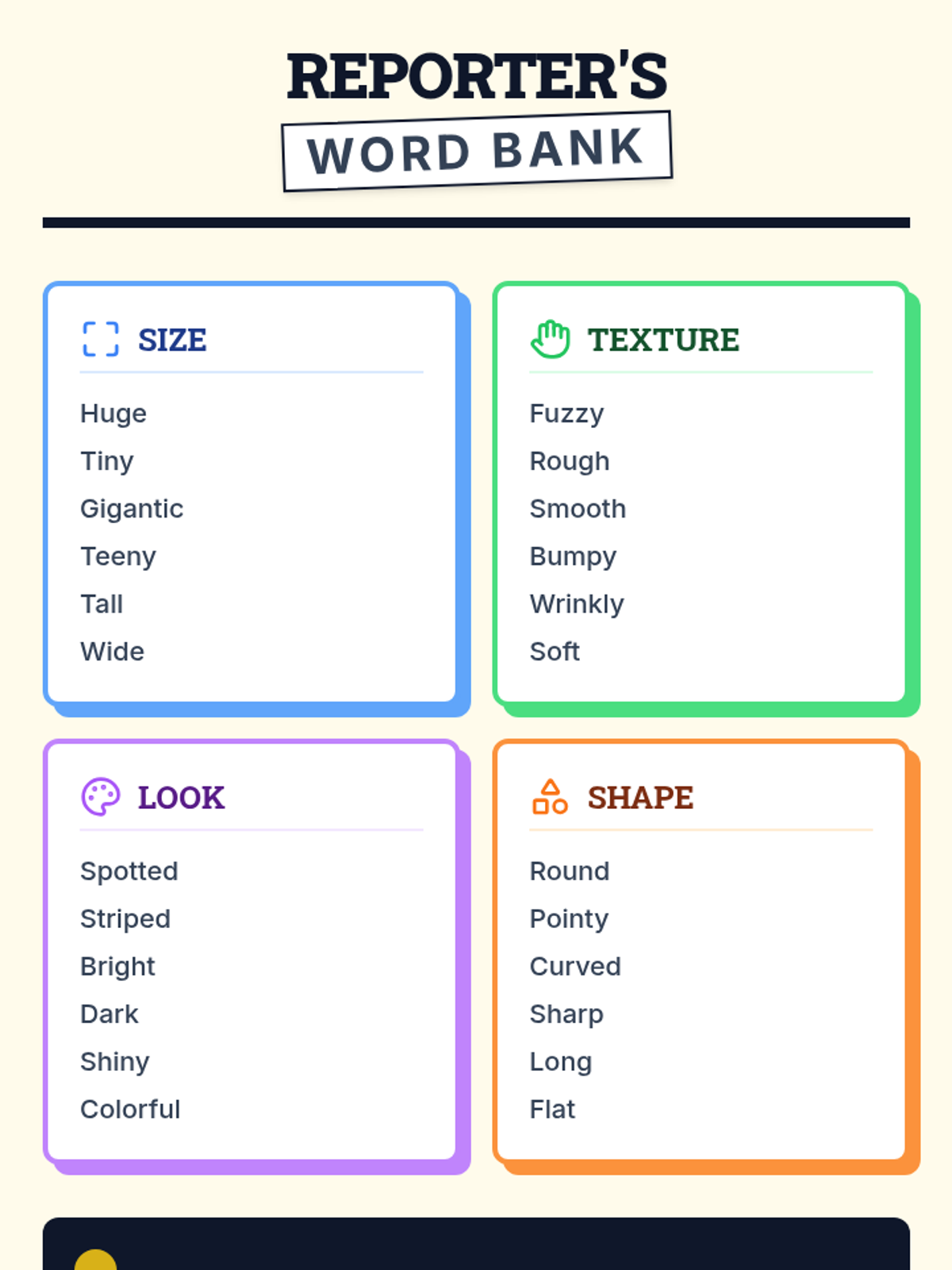
A Kindergarten-2nd grade lesson focused on using descriptive adjectives to observe animals, using the historic first YouTube video as a starting point for vocabulary expansion.
An engaging exploration of llama biology, behavior, and social structures, integrating 4th-grade reading comprehension and fractional math concepts.
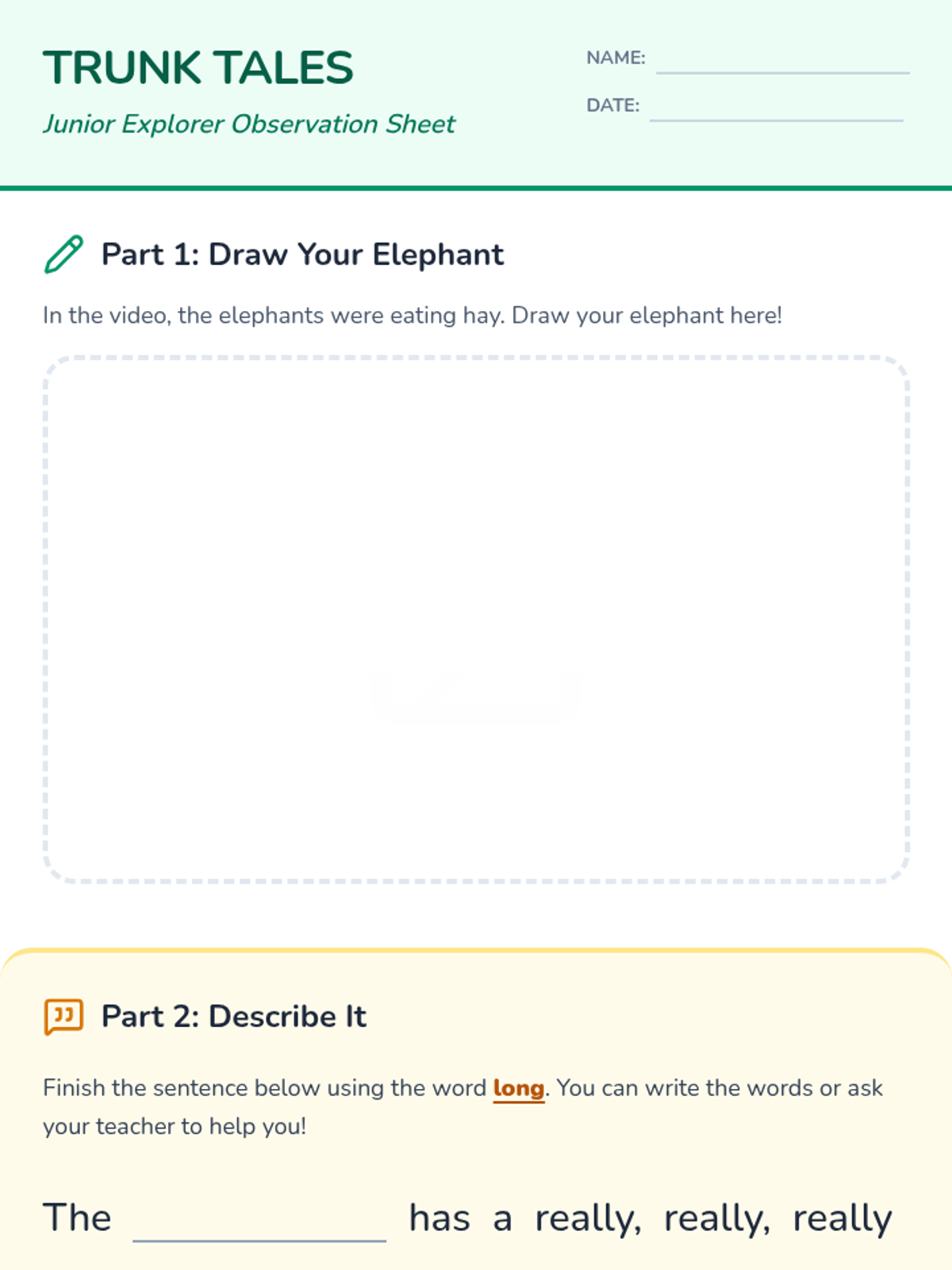
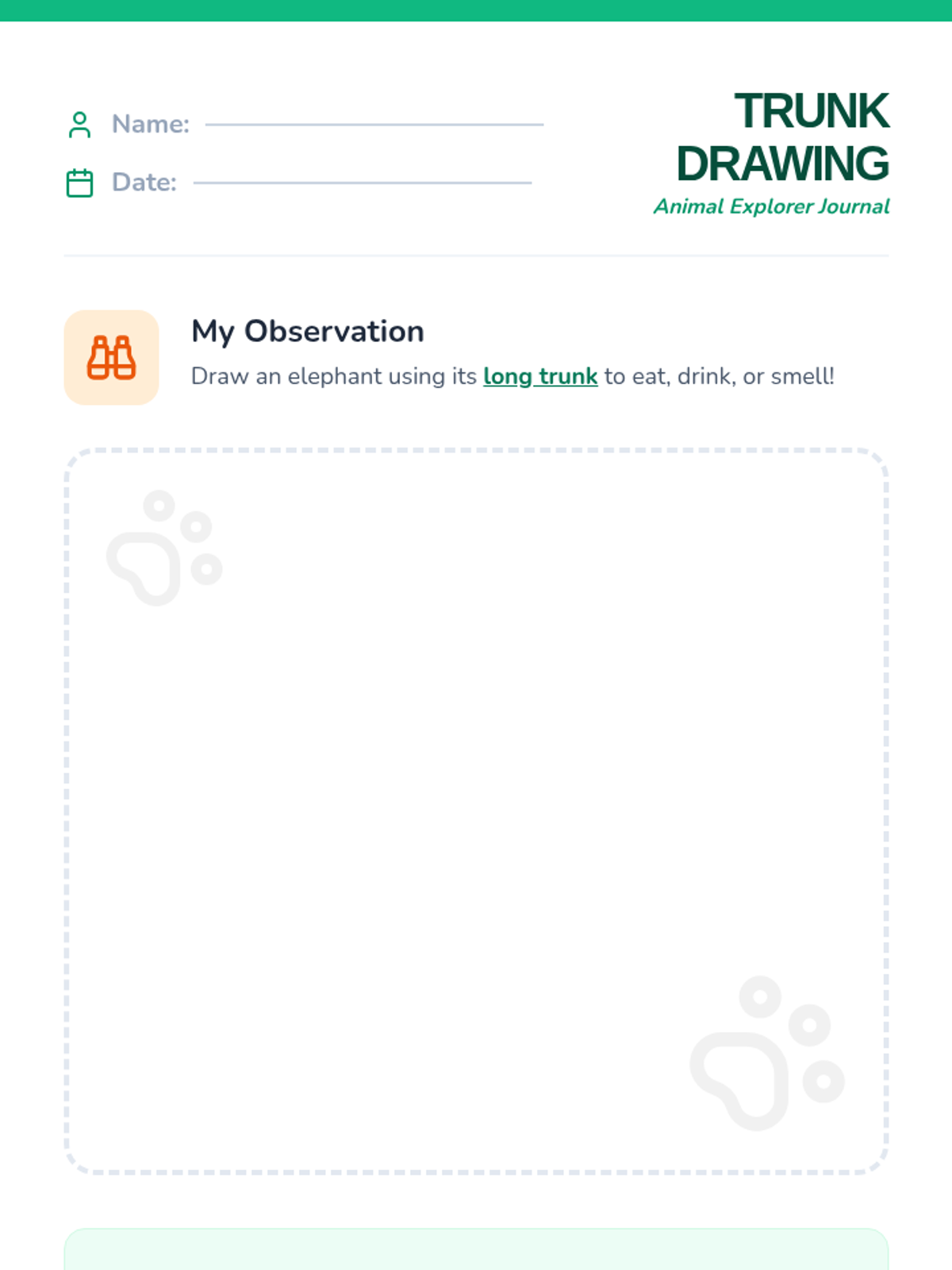
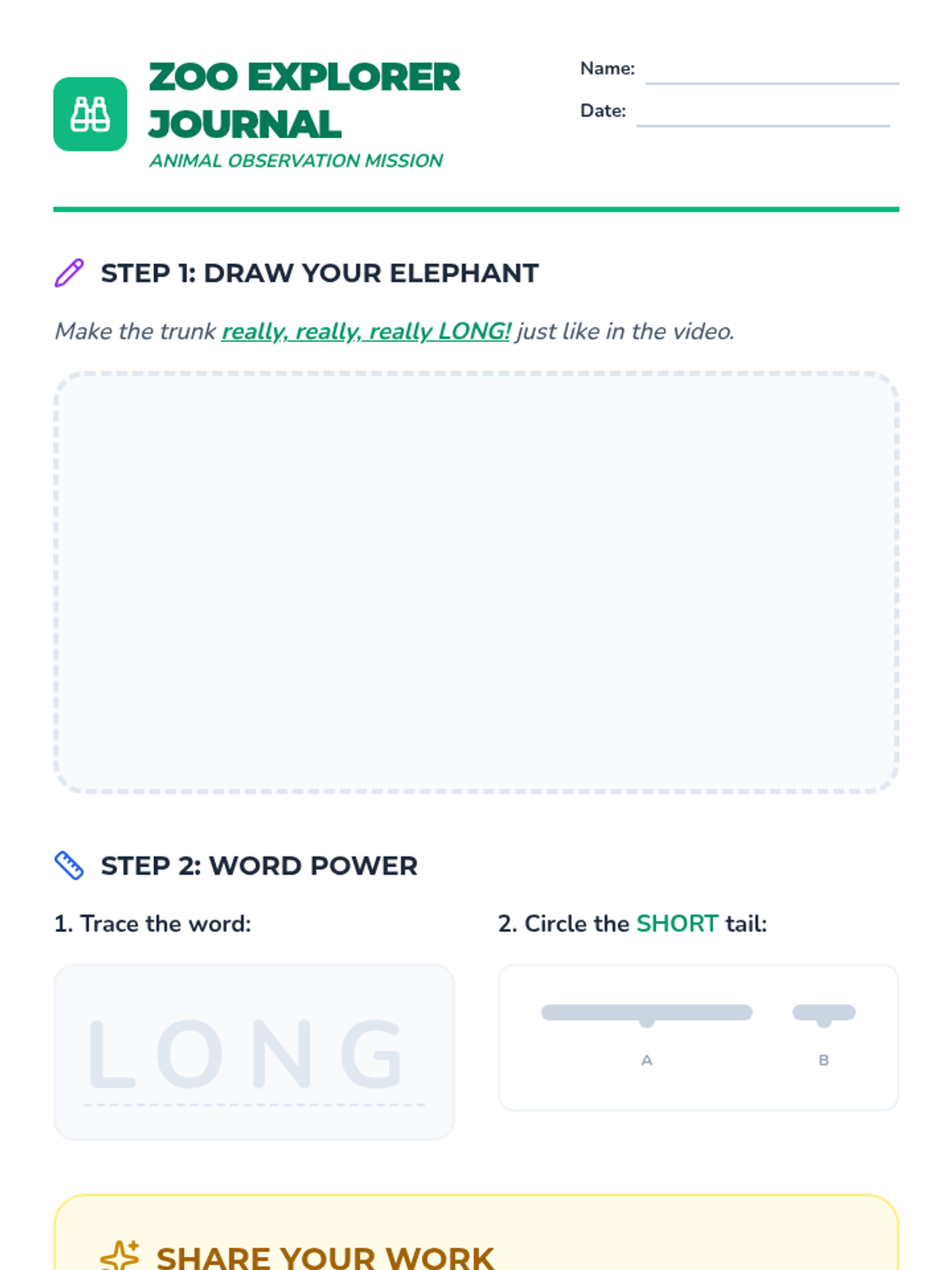
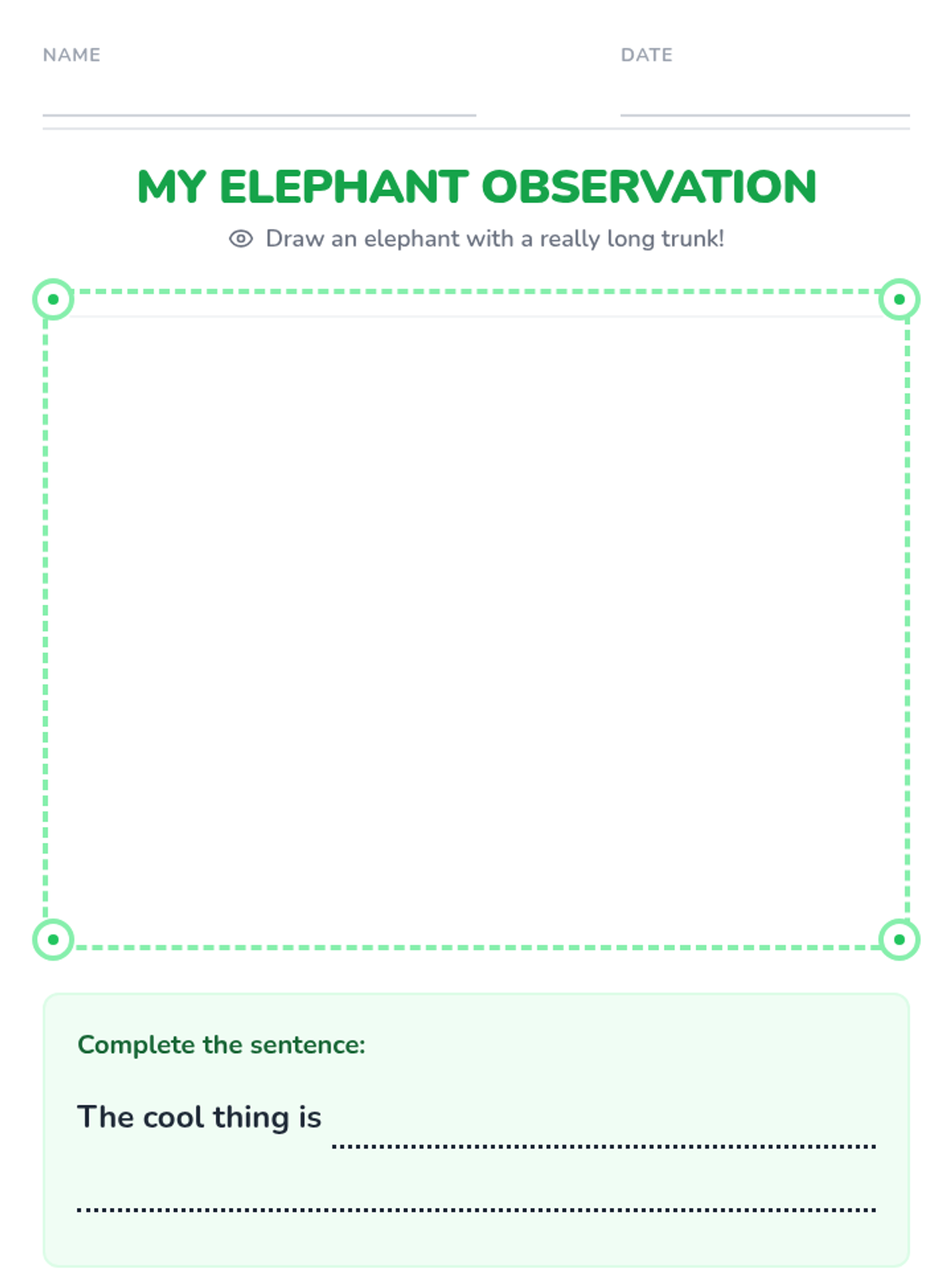
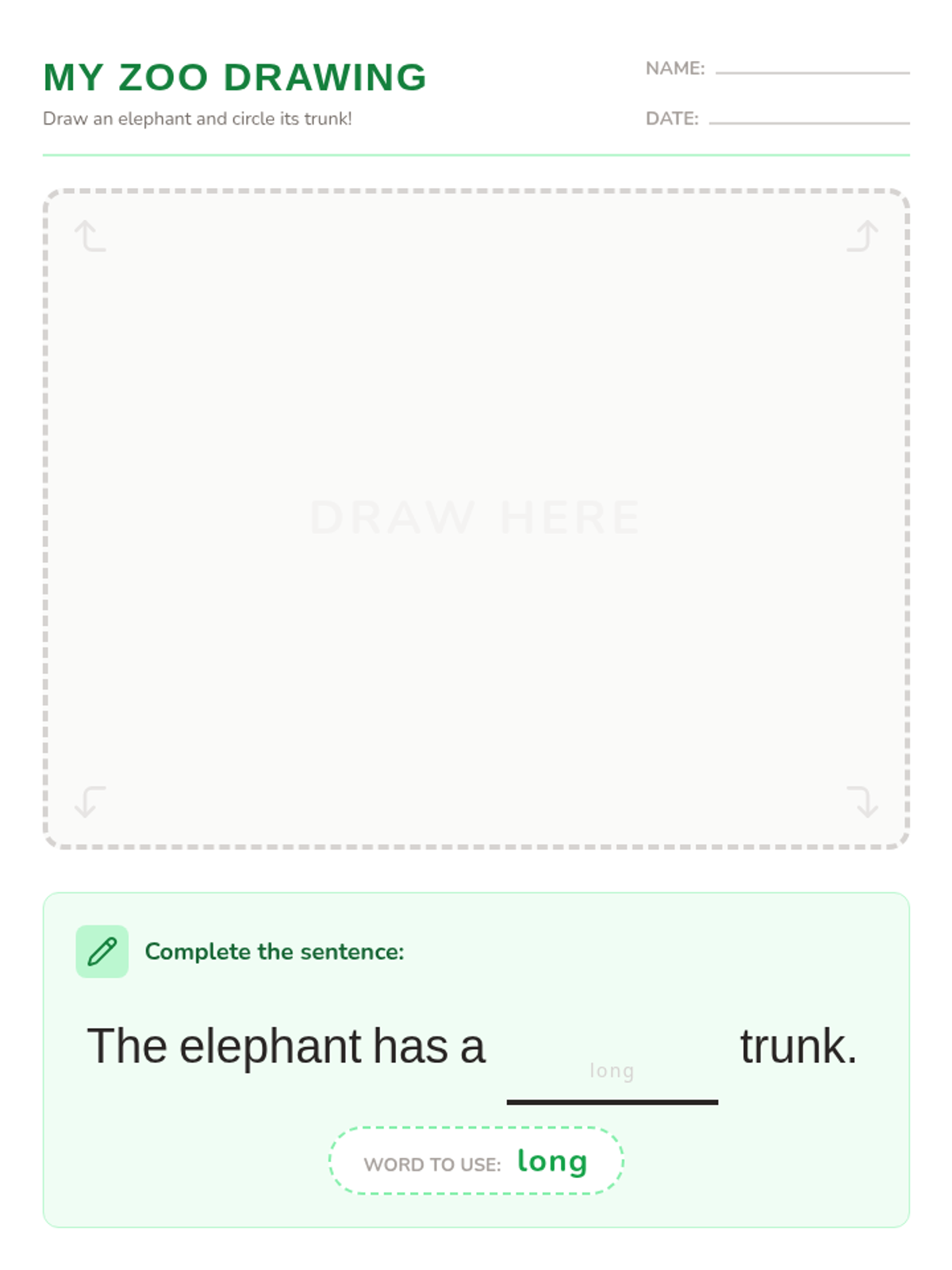
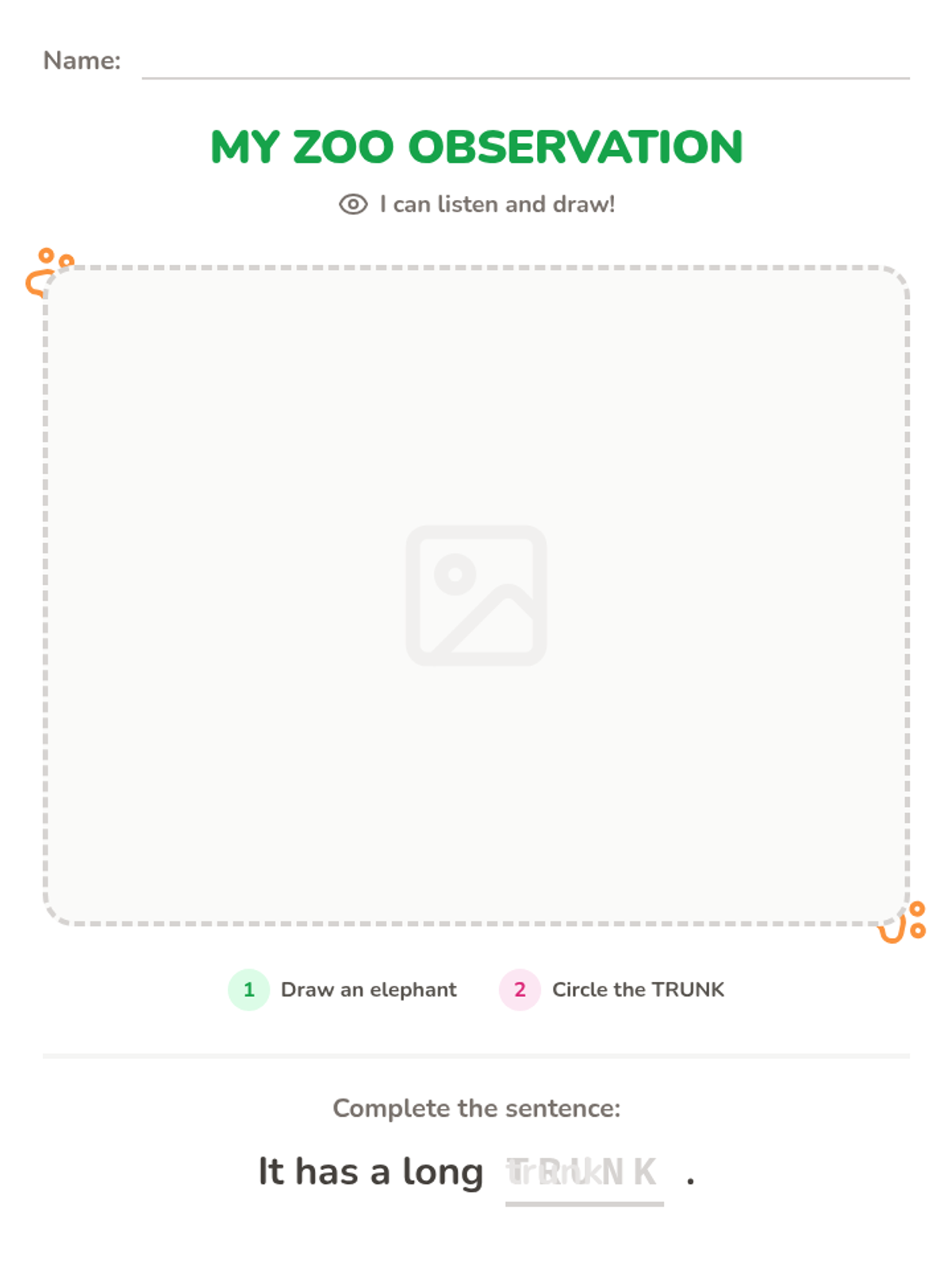
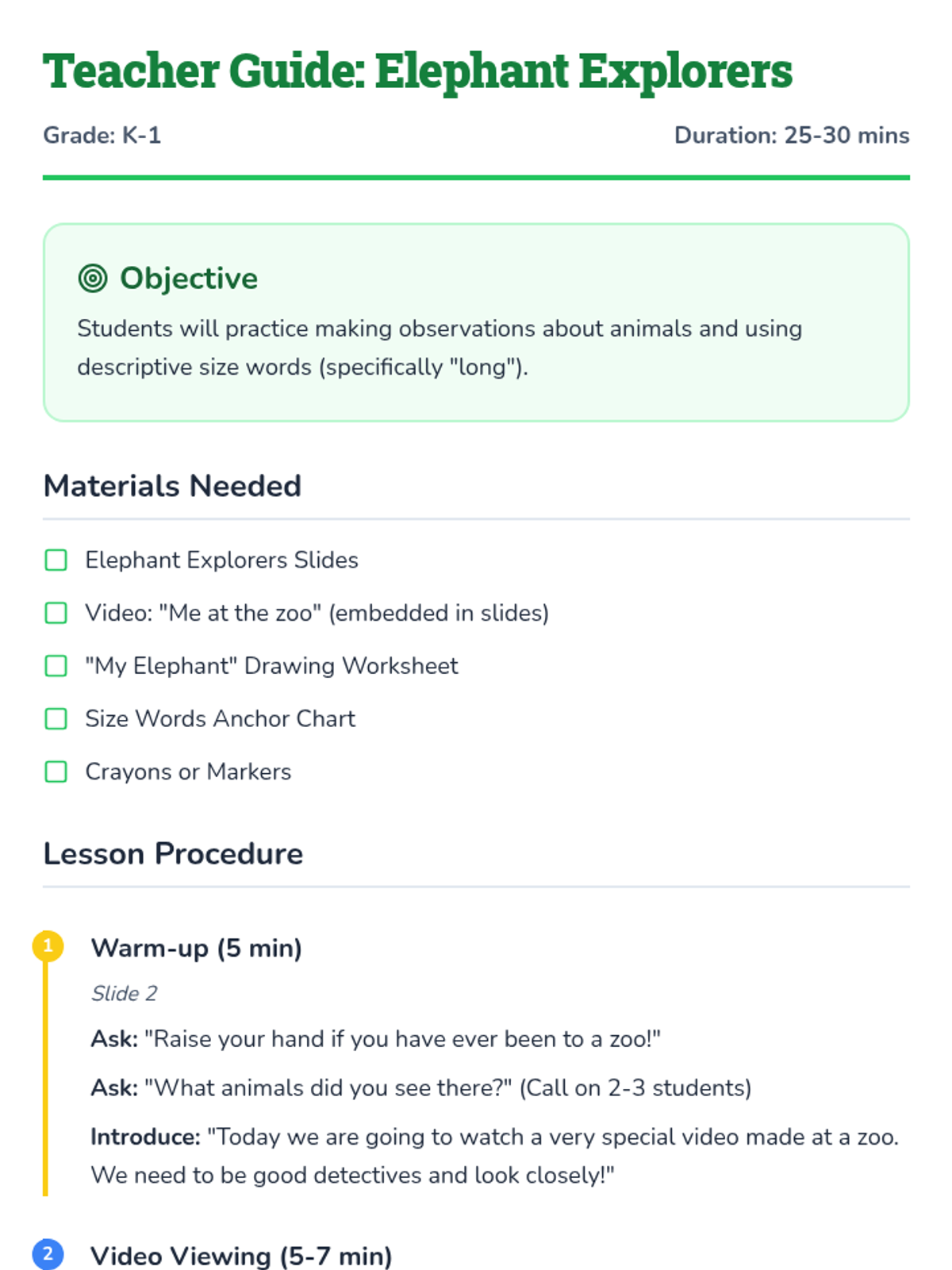
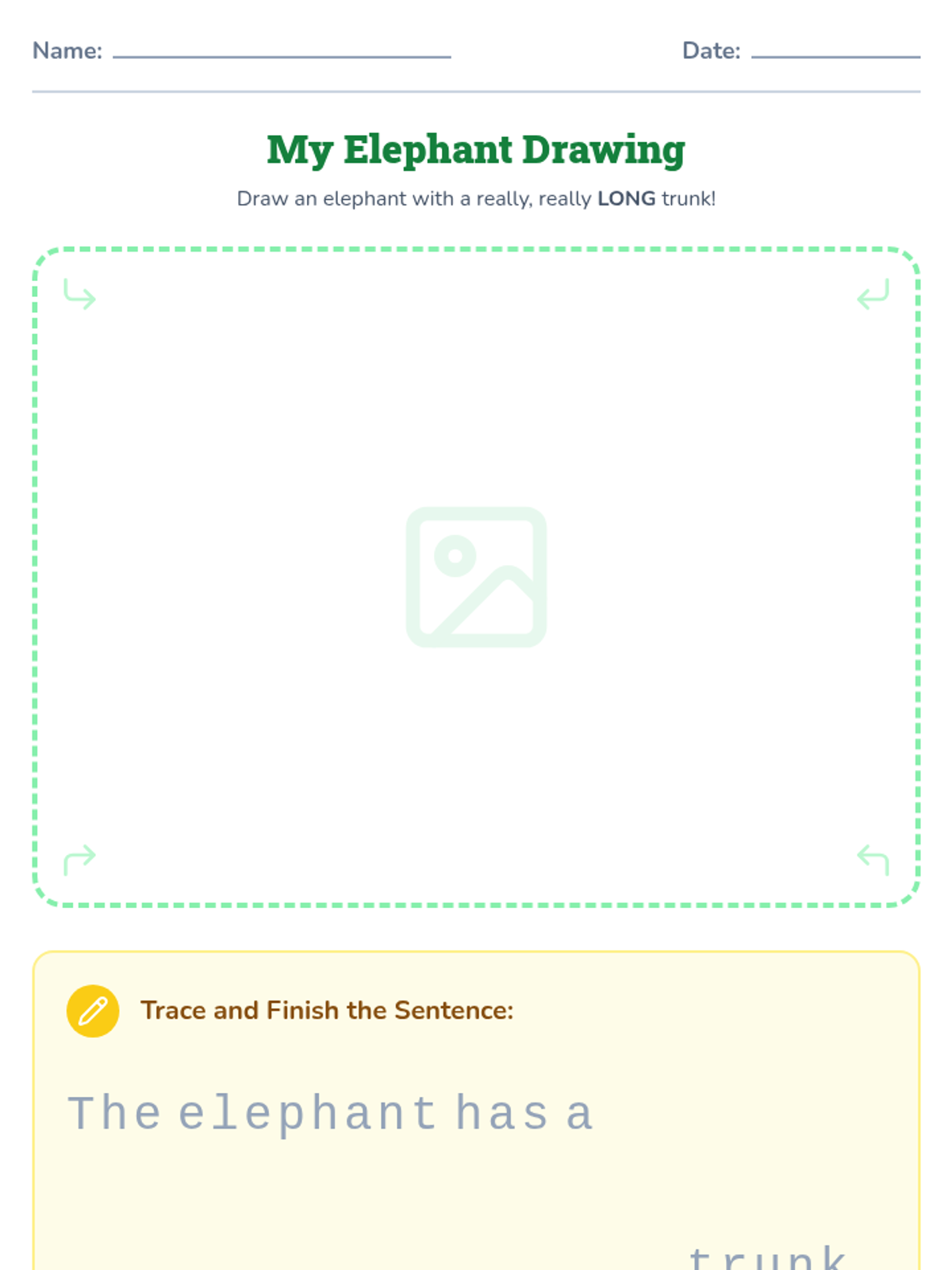
A Kindergarten to 2nd-grade lesson on observation and descriptive language using the historic 'Me at the zoo' video. Students will practice using the word 'long' to describe elephant trunks through drawing and writing activities.
A comprehensive reading comprehension lesson for 4th graders exploring the unique adaptations, habitat, and history of llamas. Students will practice identifying main ideas and supporting details while engaging with informational text.
A Kindergarten to 2nd Grade lesson where students practice observation and descriptive language by watching the first-ever YouTube video and drawing an elephant.
A Kindergarten to 2nd-grade lesson where students observe elephants, learn about their trunks, and practice observation skills using the historic 'Me at the zoo' video.
A comprehensive science lesson for 4th graders exploring llama adaptations, habitat in the Andes Mountains, and their role in the ecosystem.
A fun, interactive lesson for Pre-K to 1st grade focusing on identifying animal features and using descriptive language, inspired by the first-ever YouTube video.
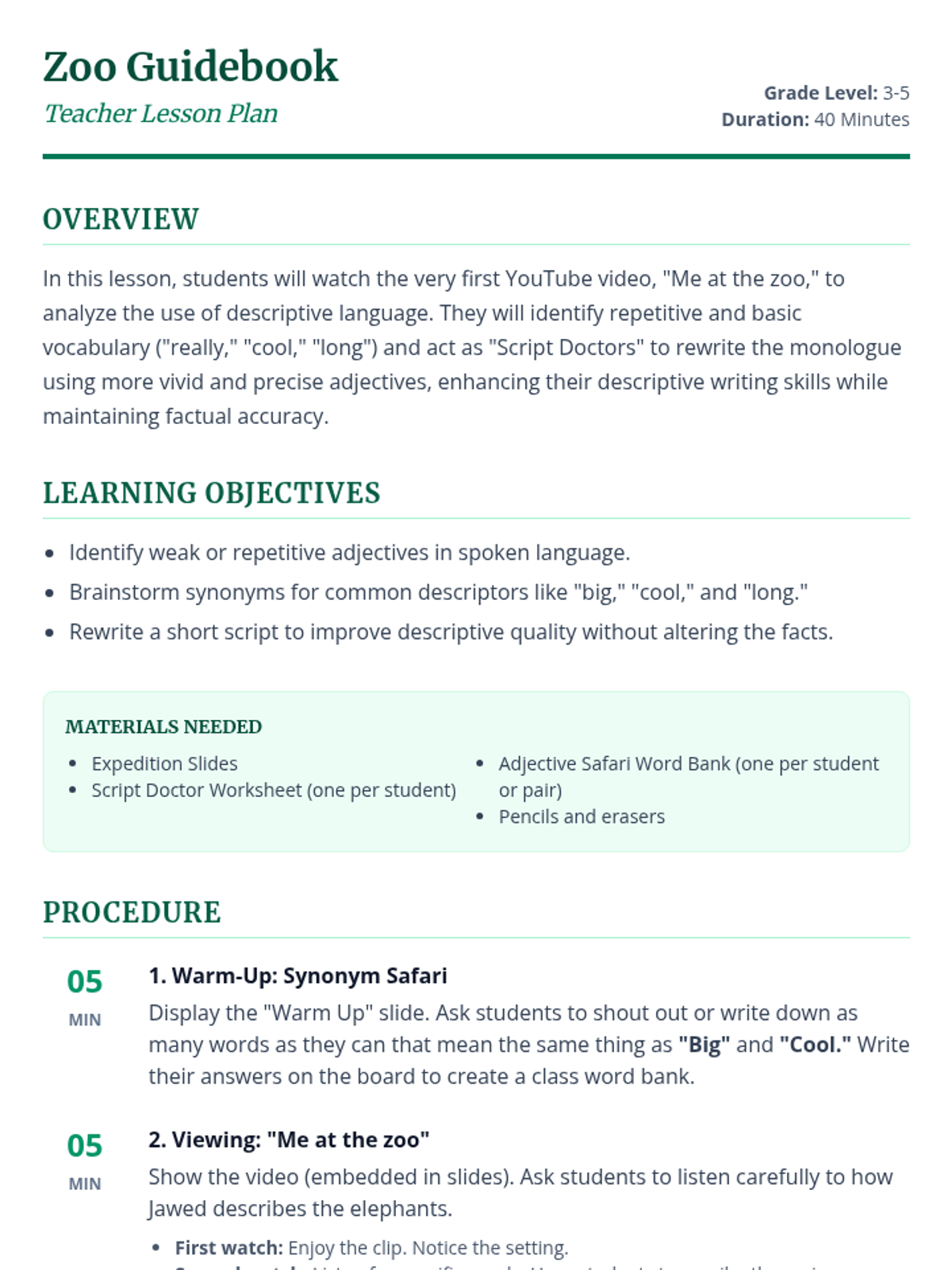
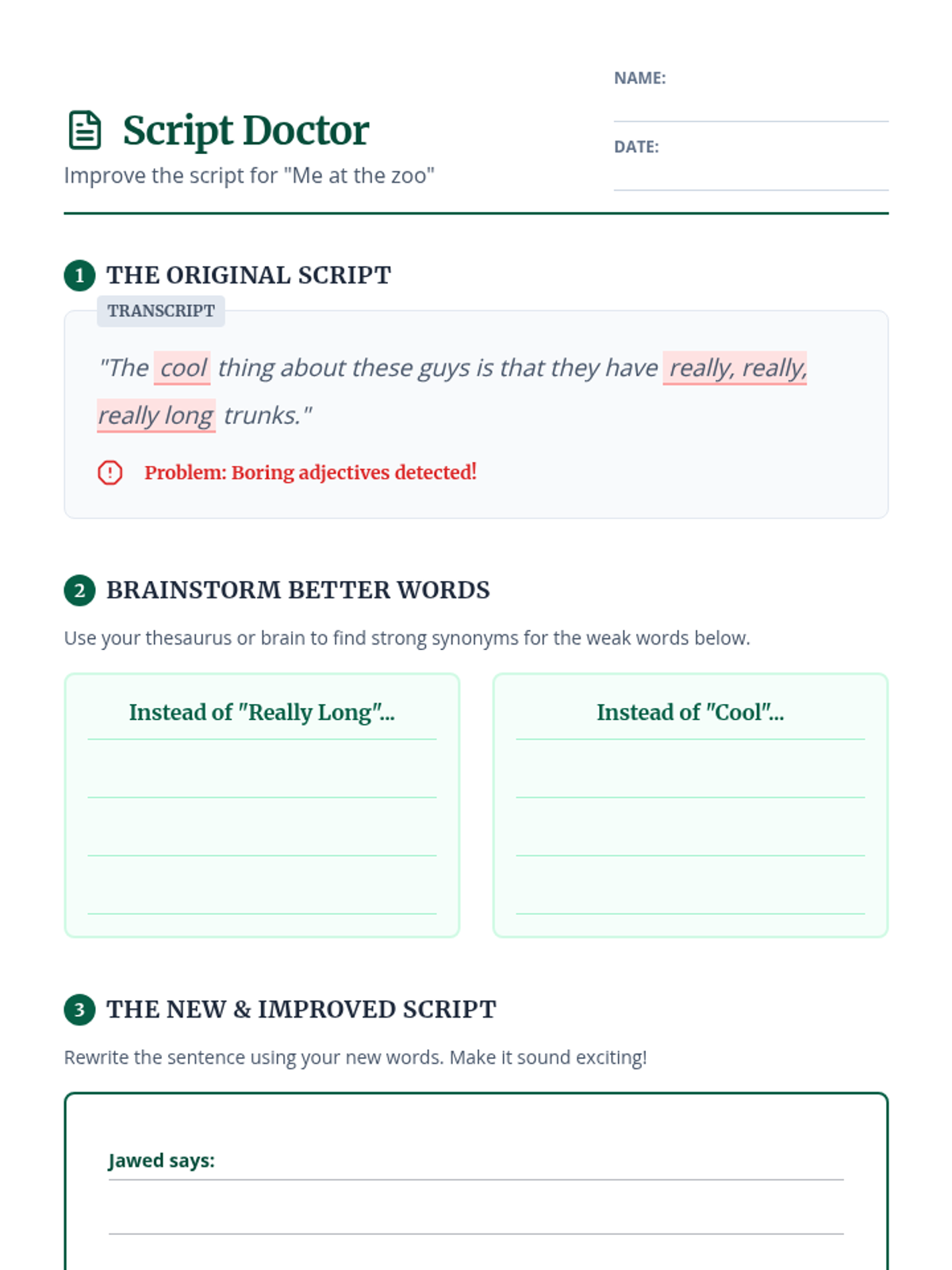
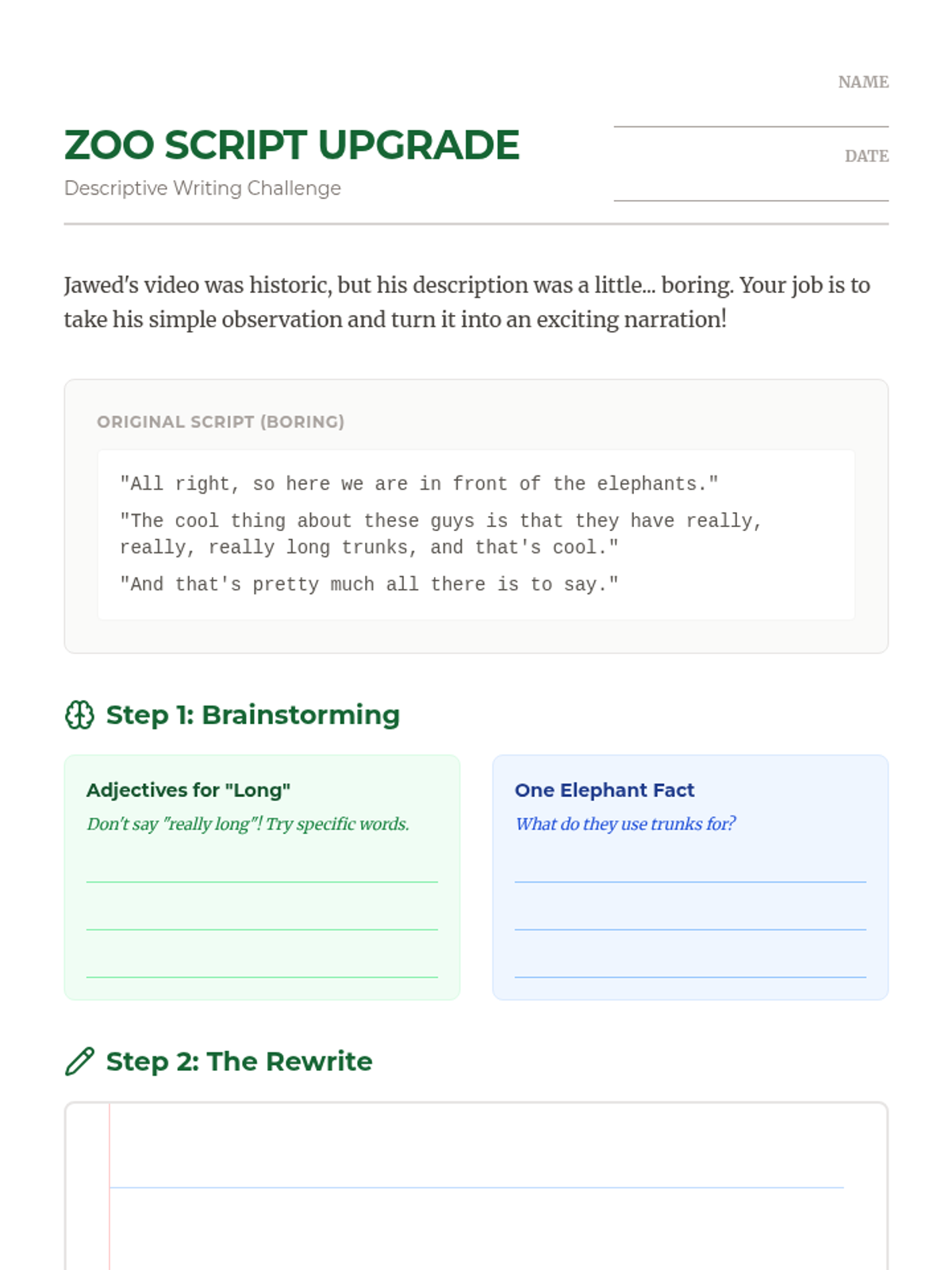
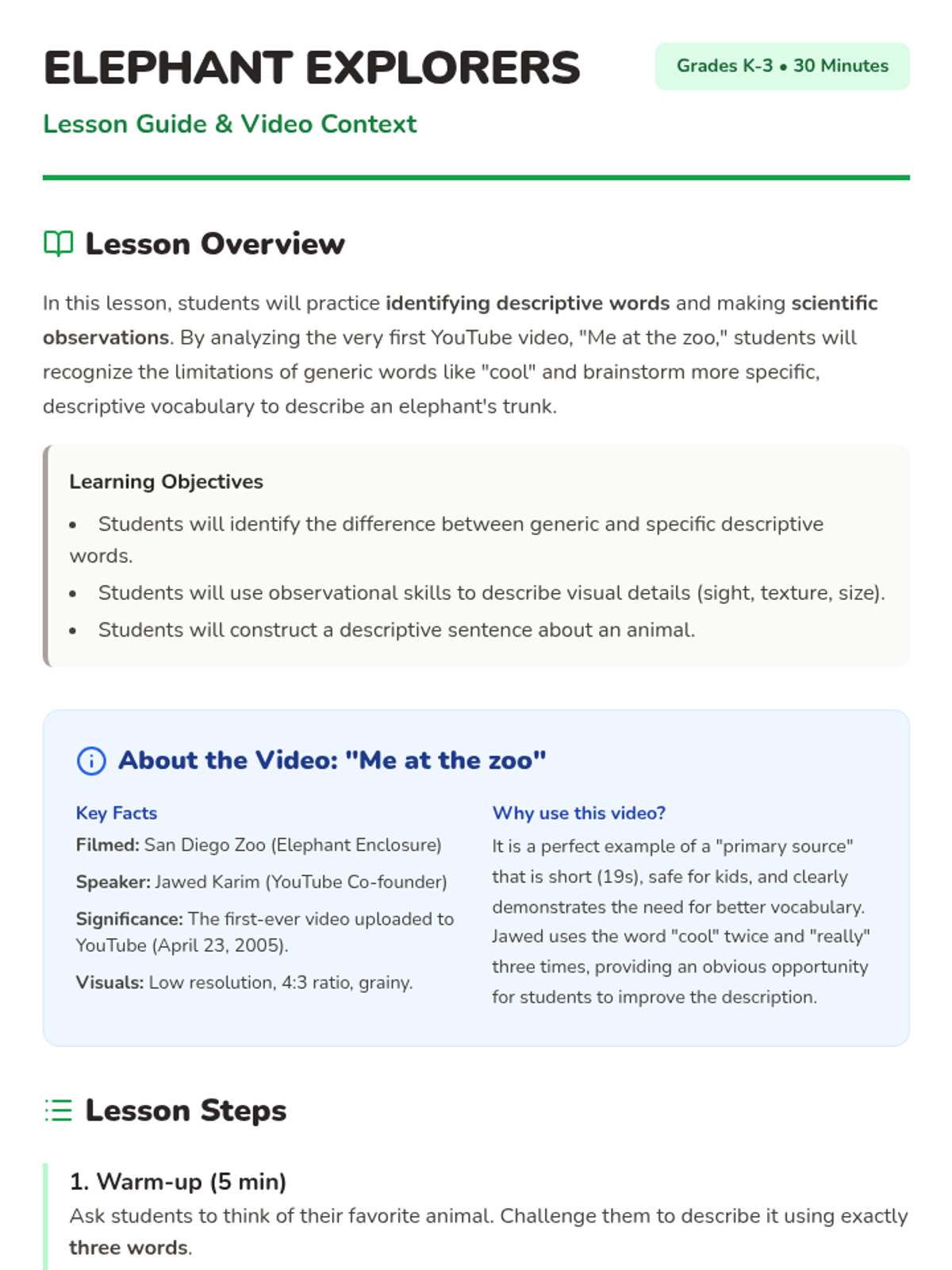
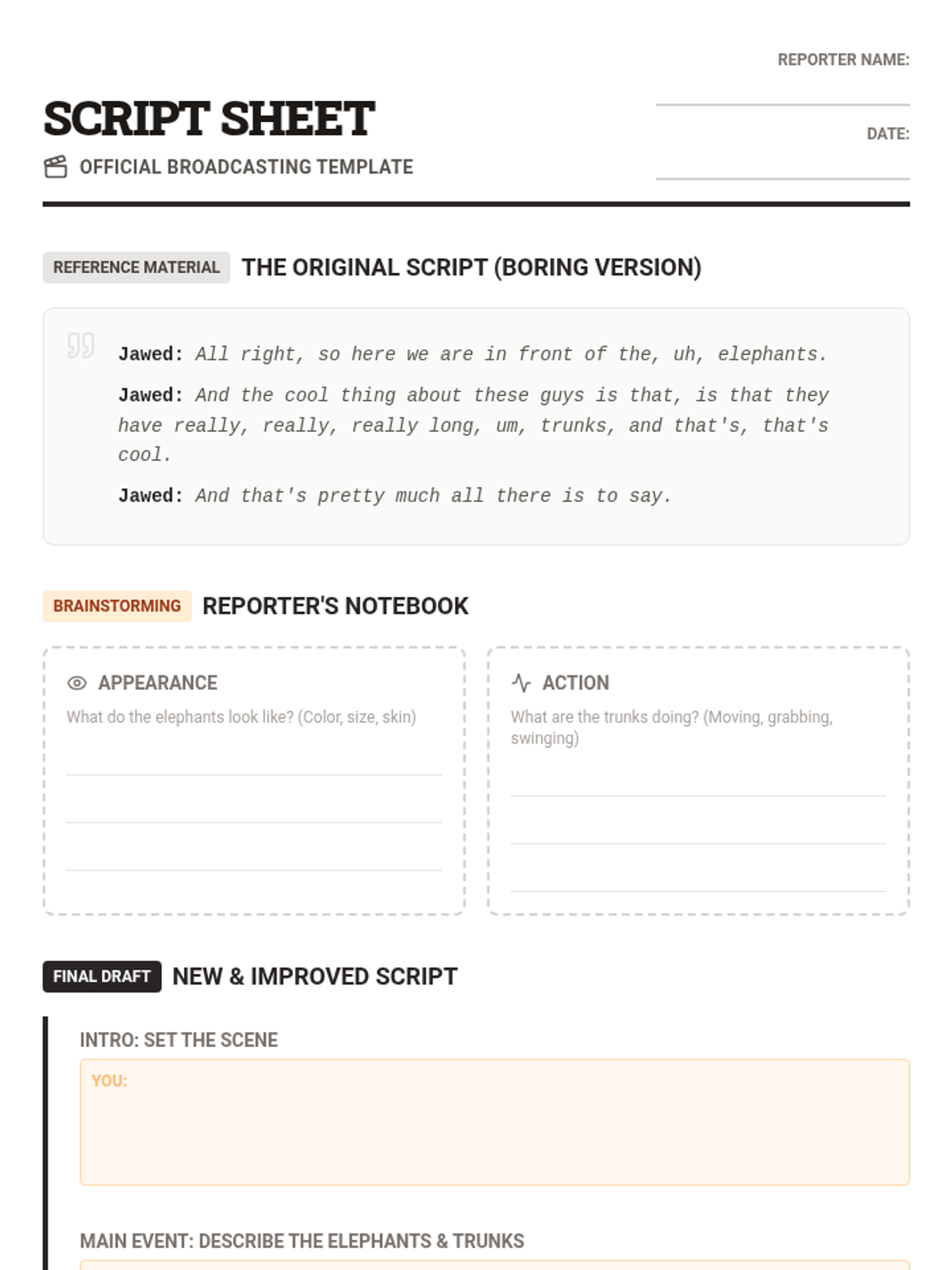
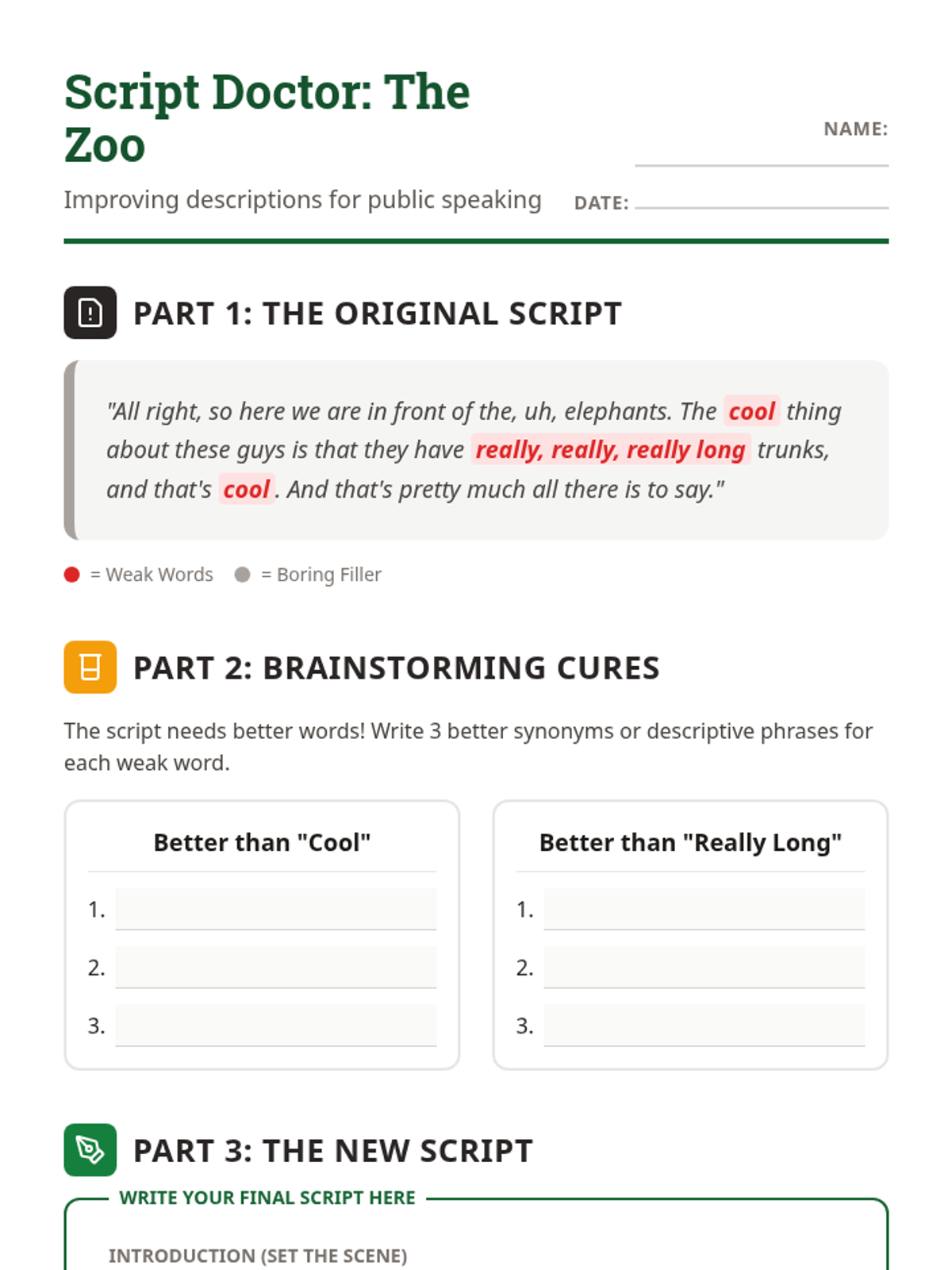
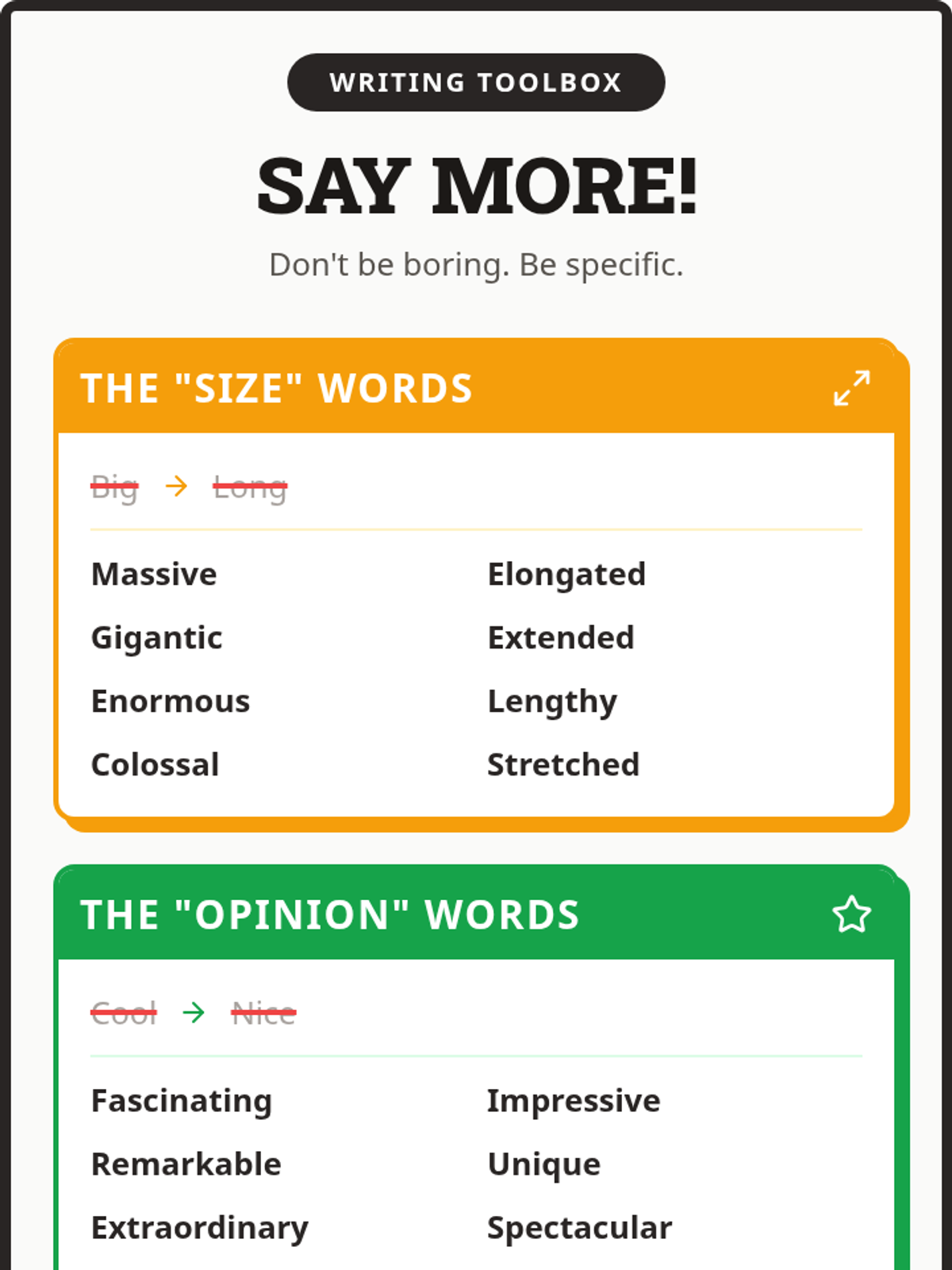
A lesson focused on enhancing descriptive writing skills for elementary students using the 'Me at the zoo' video. Students will identify weak vocabulary in the video script and replace it with vivid adjectives without changing the factual content.
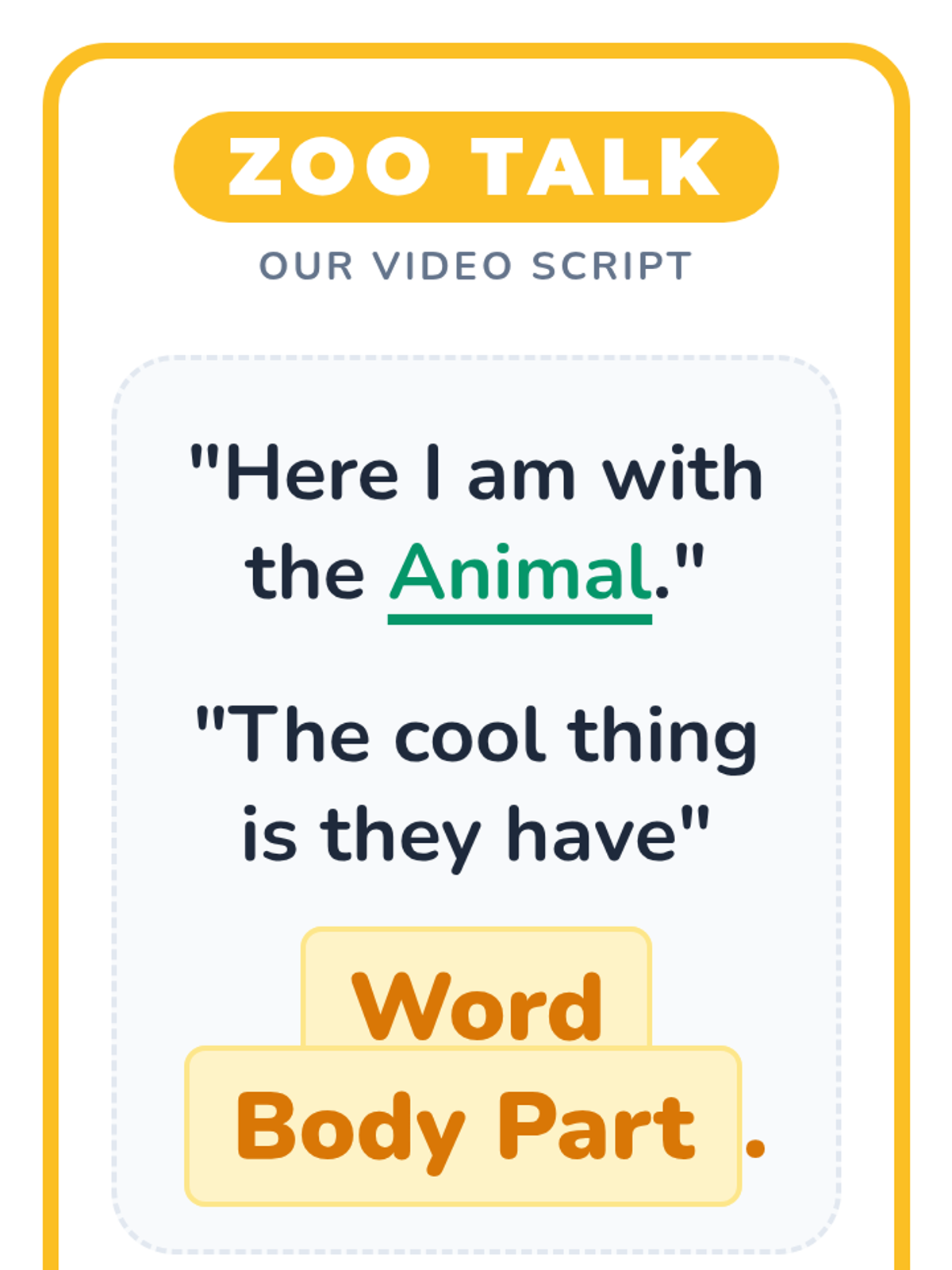
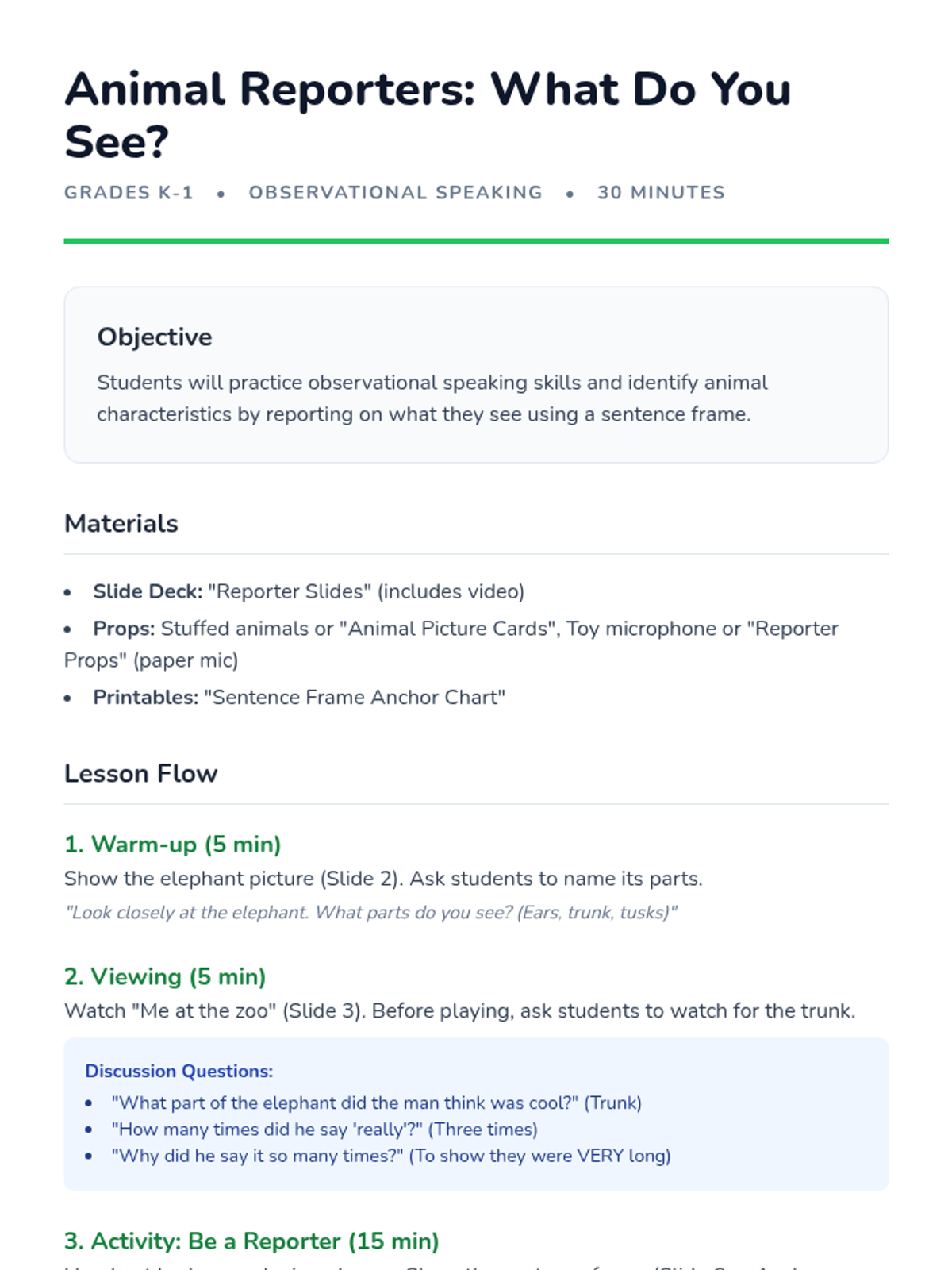
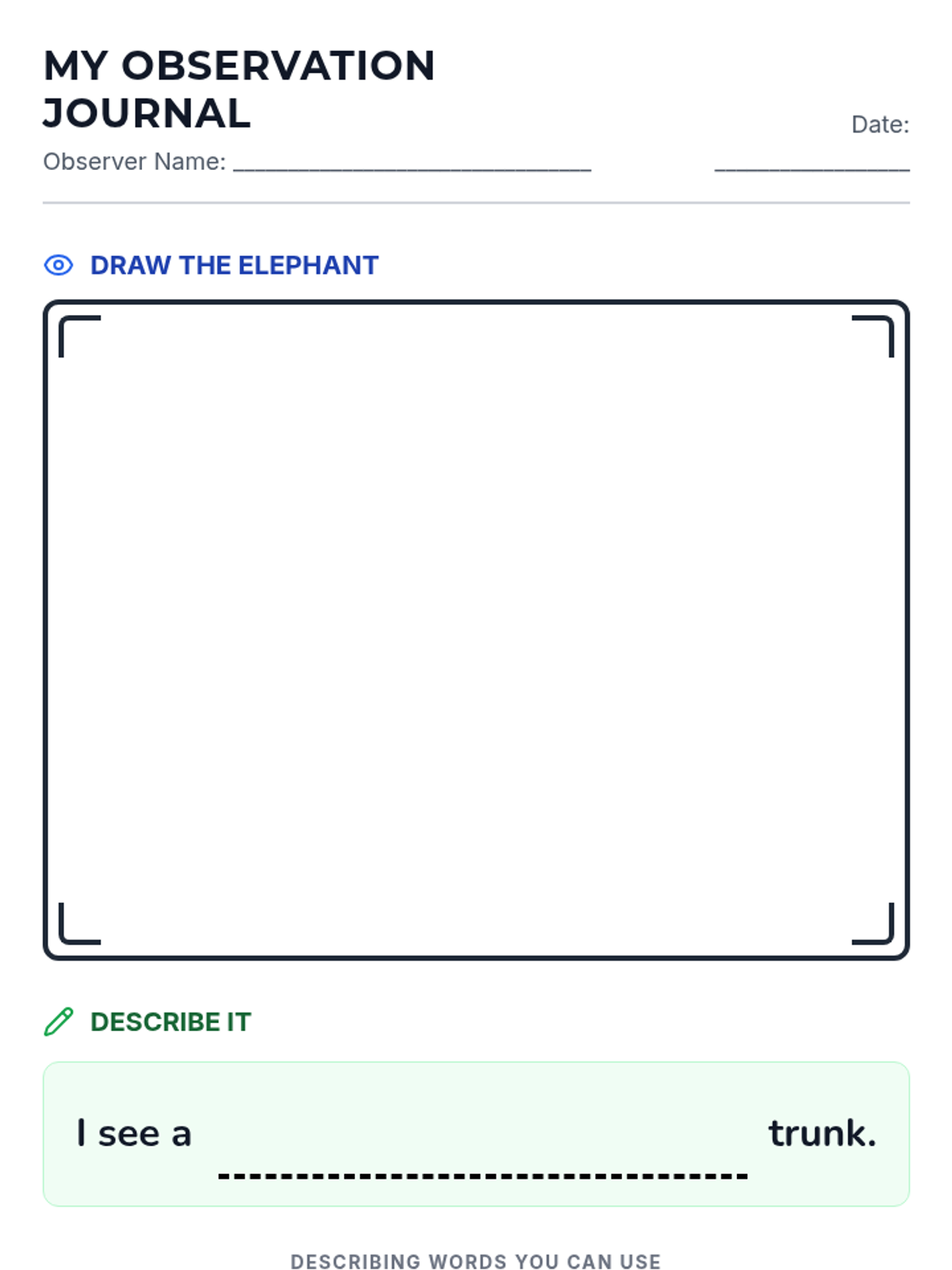
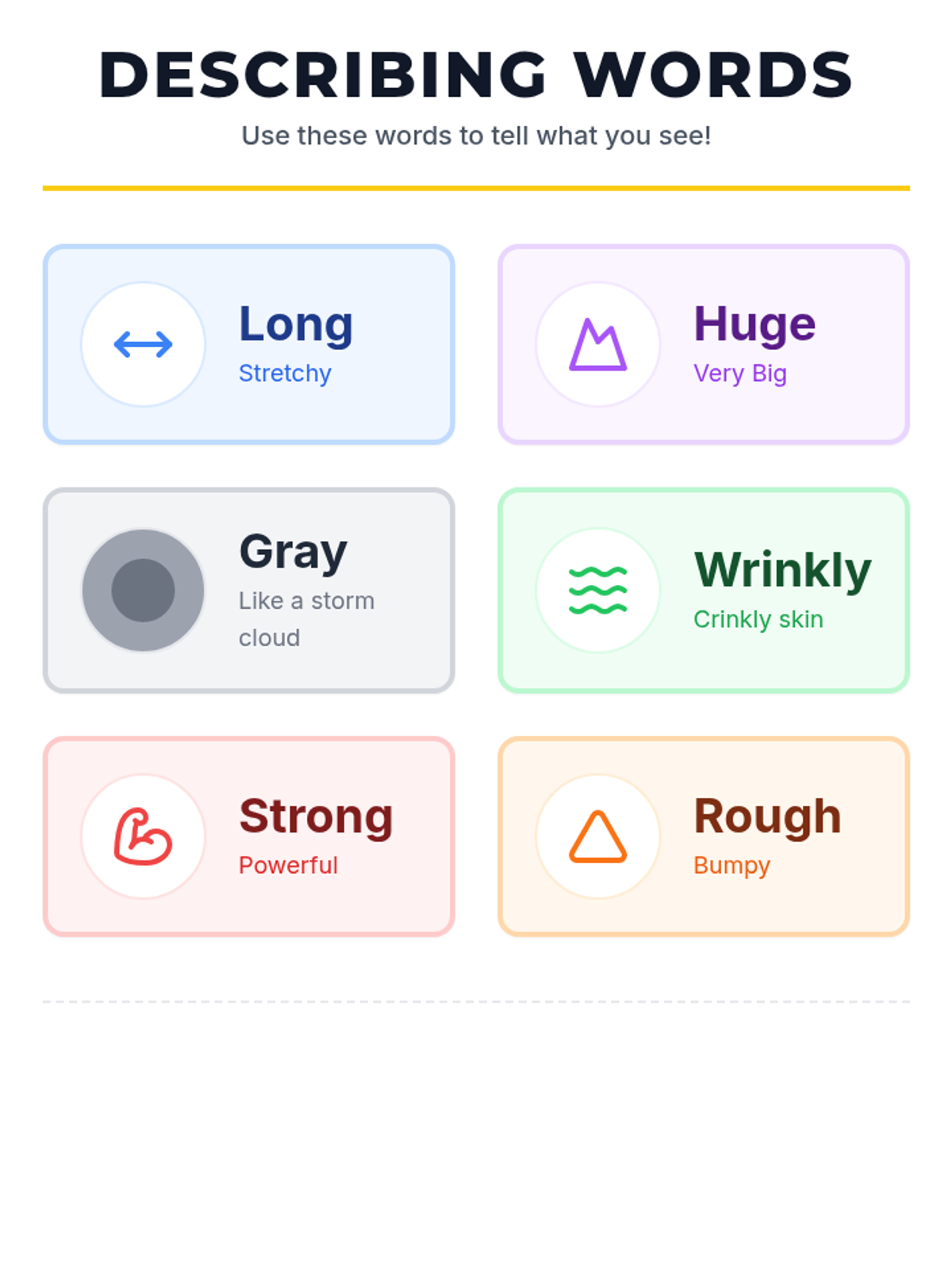
A Kindergarten - 1st Grade lesson focused on observational speaking skills using the 'Me at the zoo' video. Students practice identifying animal characteristics and using sentence frames to report on what they see.
A comprehensive lesson for 4th graders on llamas, covering their habitat in the Andes and their unique diet. Includes a reading passage, comprehension worksheet, and an answer key.
A K-2 lesson focused on observing animals and using descriptive vocabulary, featuring the video 'Me at the zoo'.
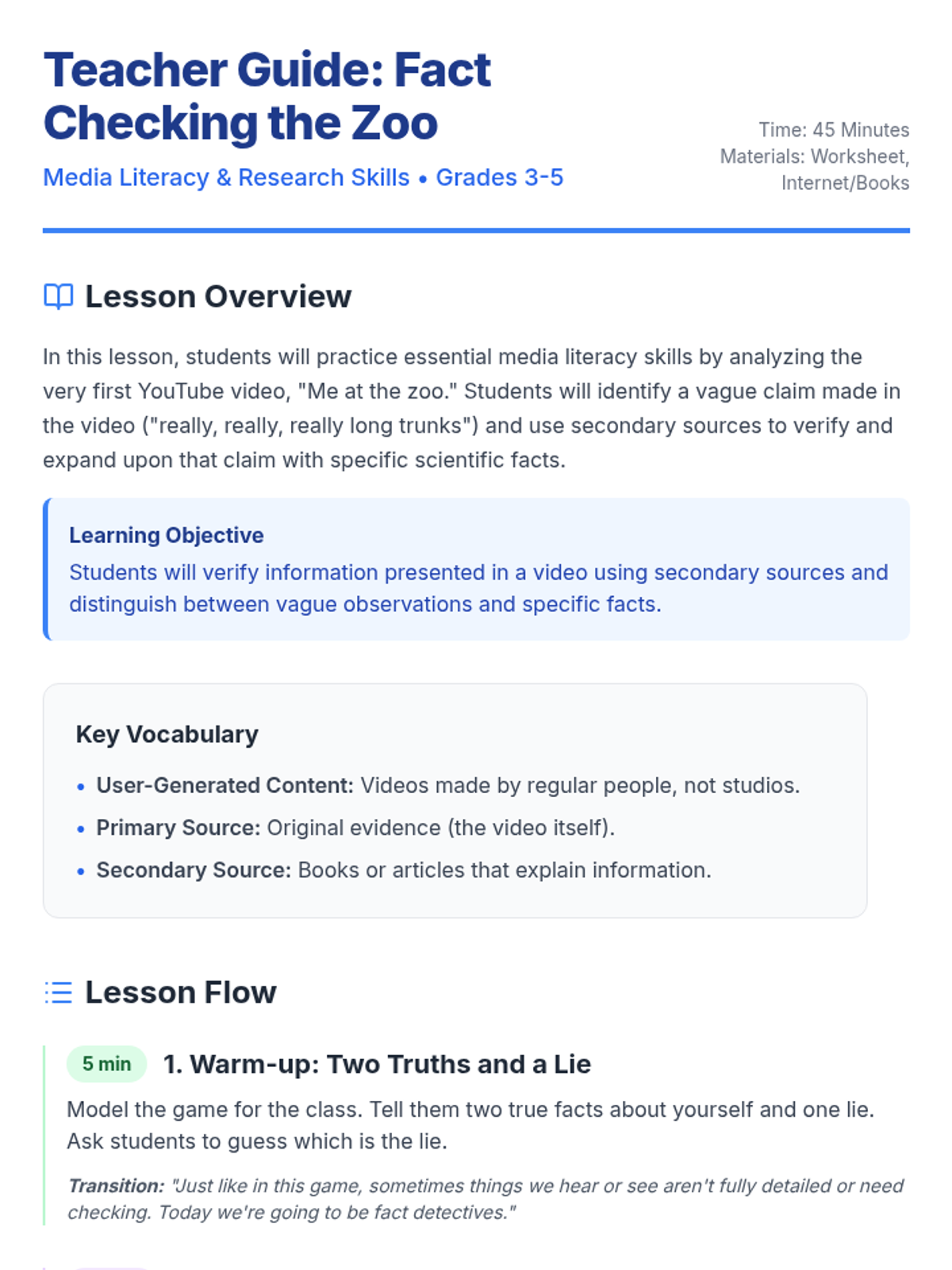
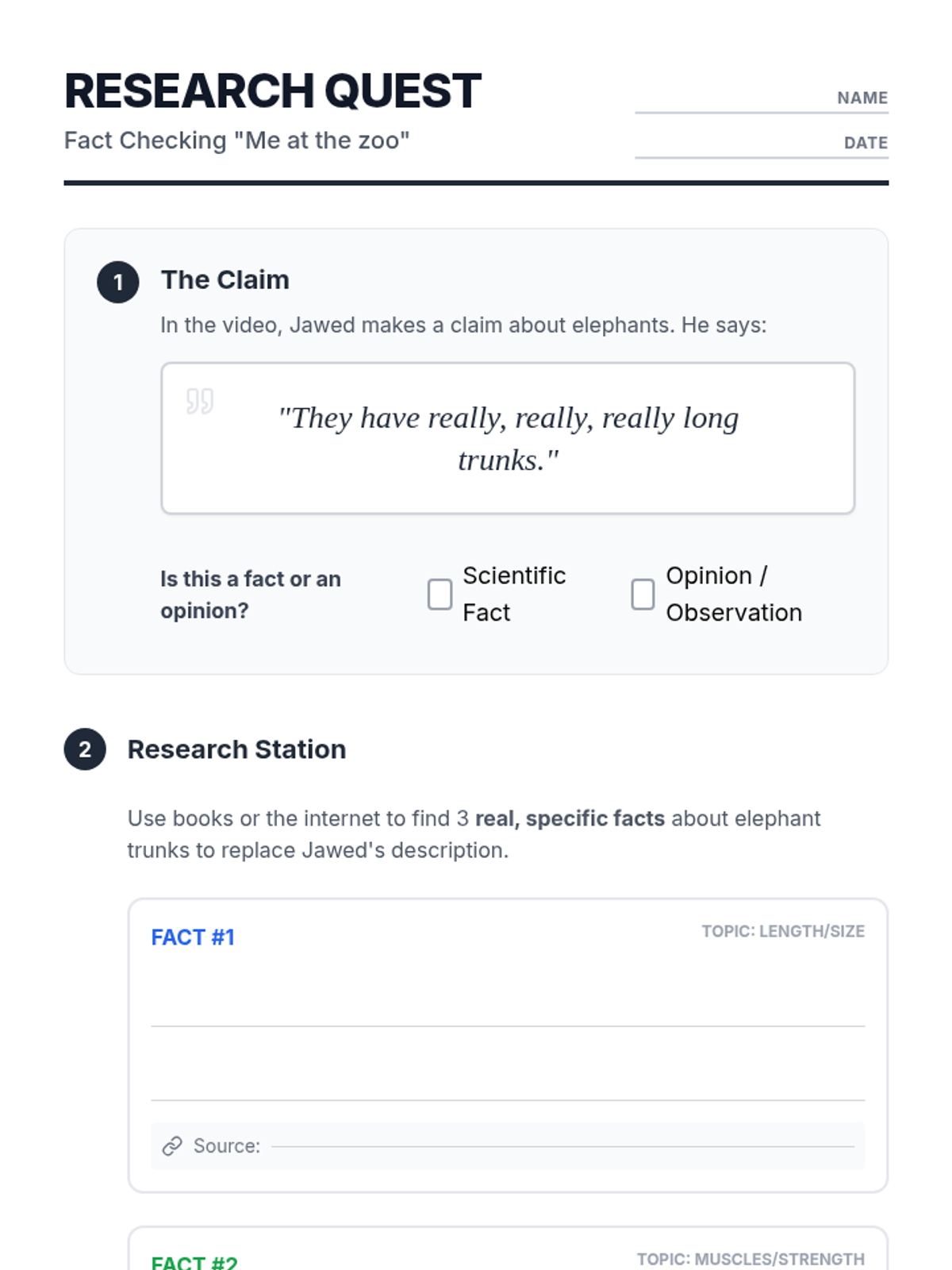
A media literacy and research skills lesson for grades 3-5 where students verify claims from the first YouTube video, "Me at the zoo," using secondary sources.
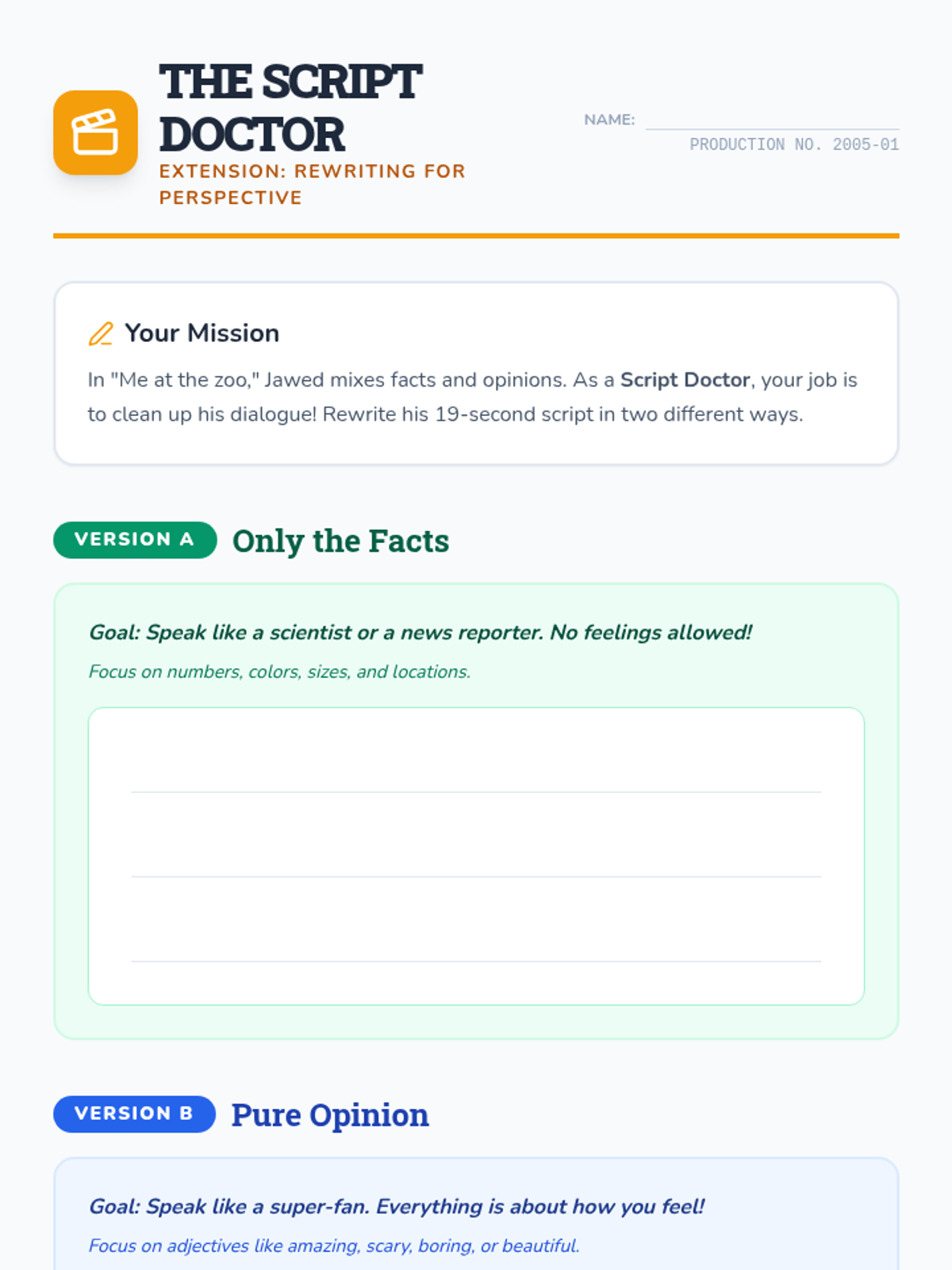
A lesson where students analyze the first YouTube video, 'Me at the zoo', and rewrite its weak script using precise vocabulary and sensory details.
A Pre-K to 2nd-grade lesson on elephant characteristics using the first YouTube video "Me at the zoo". Students observe, draw, and describe elephants.
A K-2 lesson focused on developing observation skills by watching a short video about elephants, drawing key features, and practicing descriptive vocabulary.
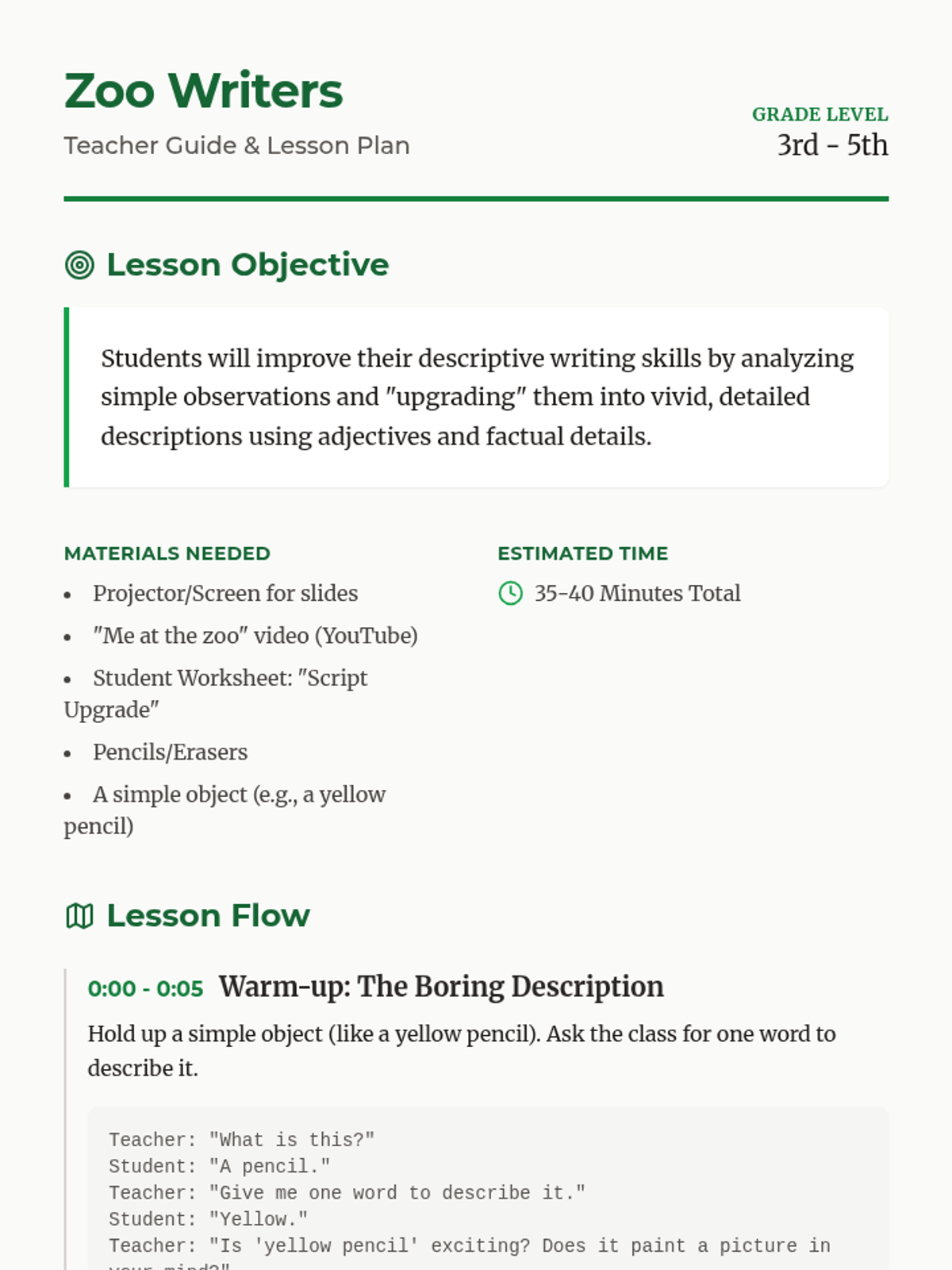
A lesson for 3rd-5th graders on descriptive writing using the first YouTube video 'Me at the zoo' as a prompt. Students upgrade simple observations into exciting descriptions.
A K-3 lesson on using descriptive vocabulary and making scientific observations, centered around the first-ever YouTube video 'Me at the zoo'.
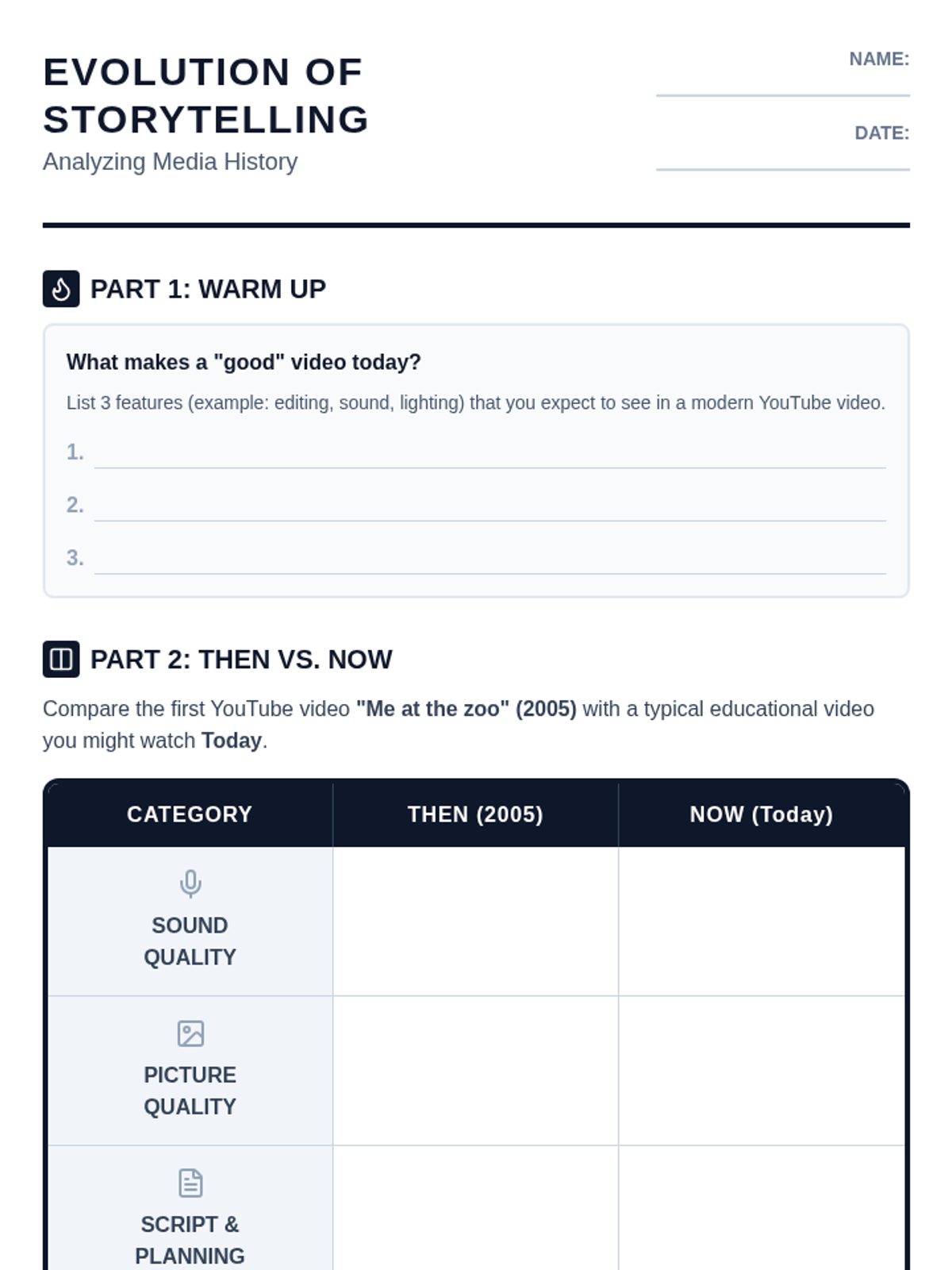
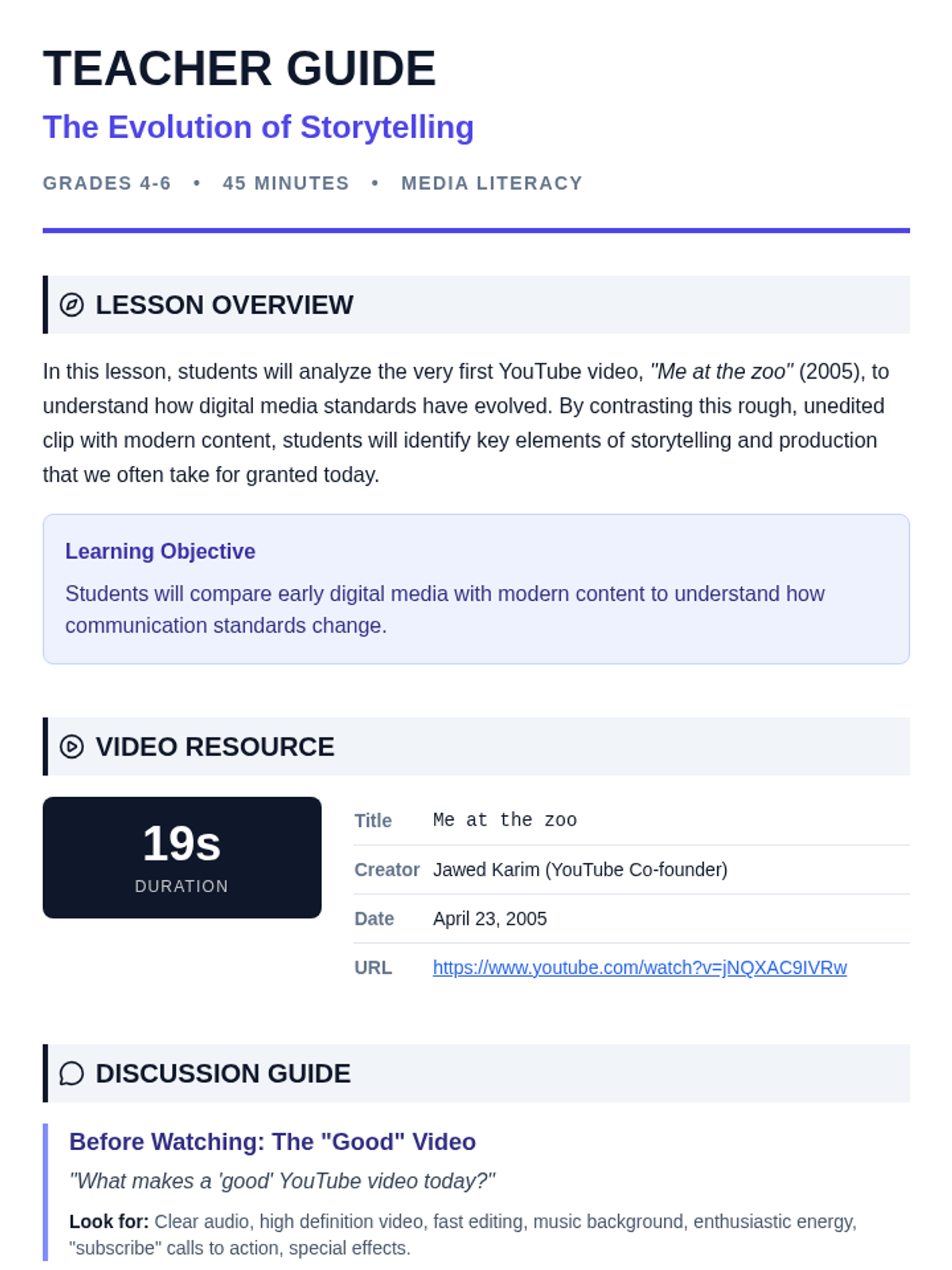
A lesson where students compare early digital media with modern content to understand how communication standards change, centering on the first YouTube video 'Me at the zoo'.
A Pre-K to 1st Grade lesson on listening and observing, featuring the 'Me at the zoo' video to teach about elephants and descriptive language.
A reading comprehension lesson where 4th-grade students learn about llama characteristics, habitats, and behaviors while practicing comparison skills with their camelid cousins.
A cross-curricular lesson for 4th graders that combines reading comprehension about llamas with estimation and rounding math problems based on llama population data.
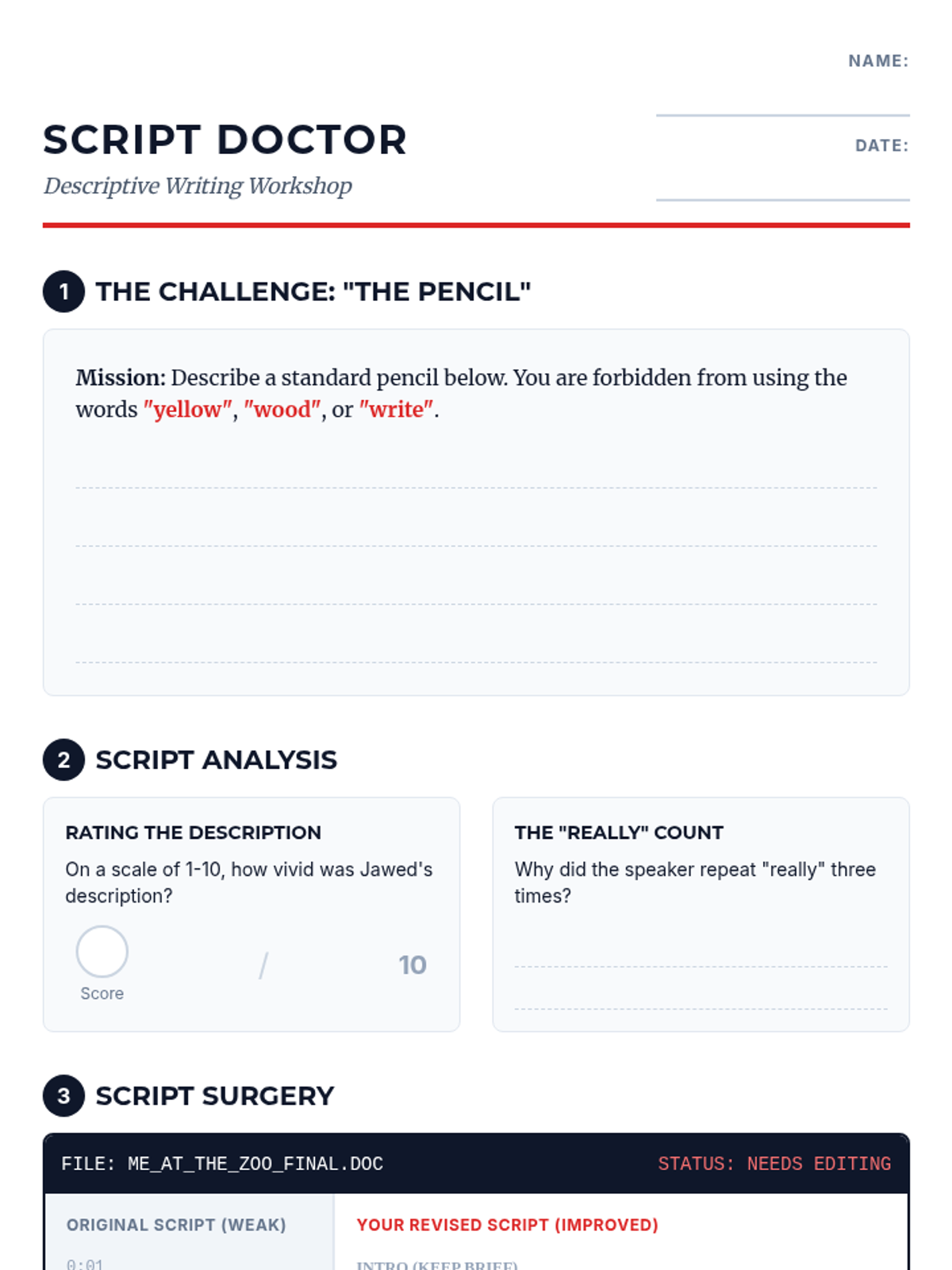
A descriptive writing workshop where students rewrite the script of the first YouTube video to include sensory details and precise adjectives.
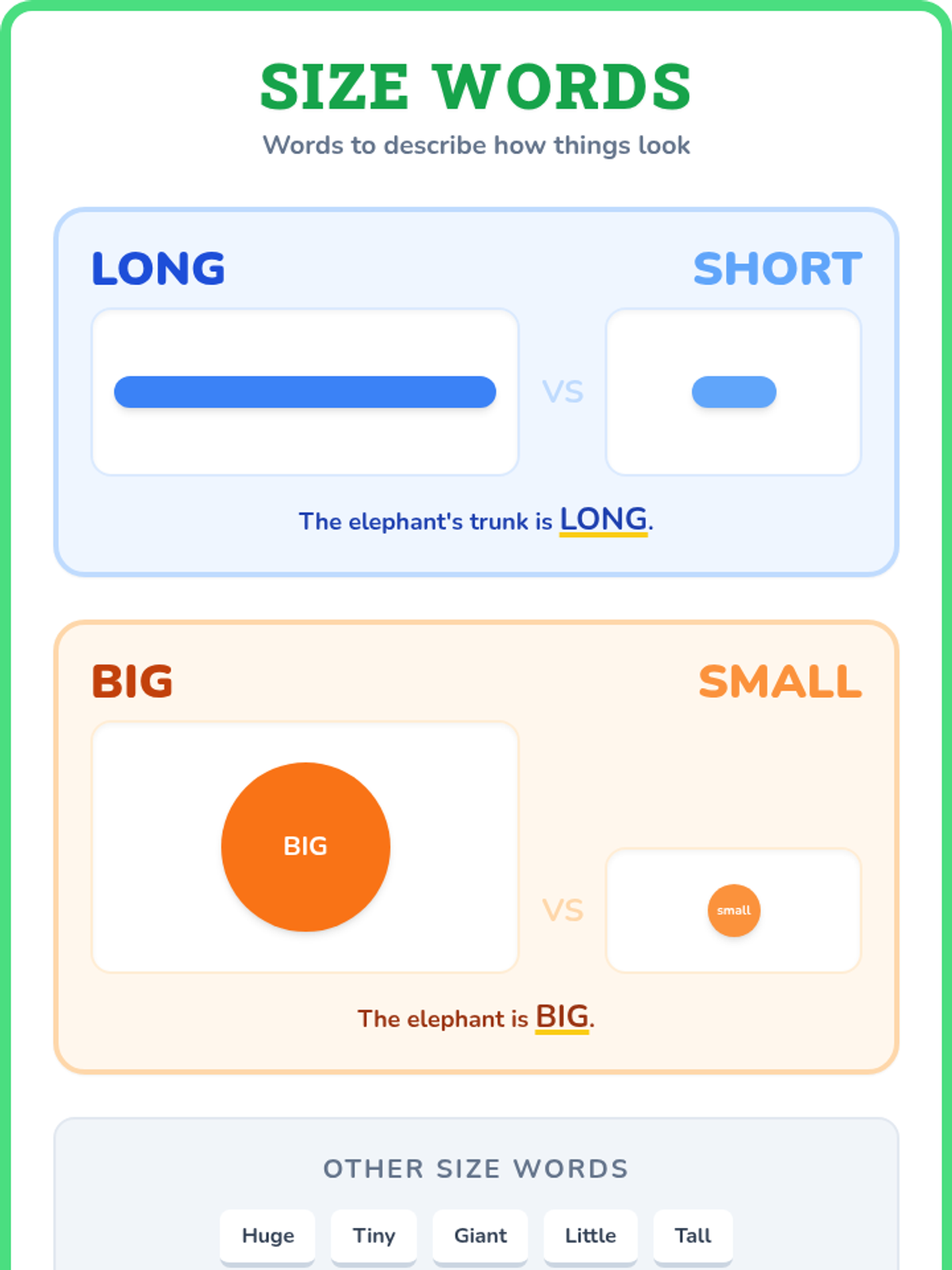
A K-1 lesson on making observations and using descriptive size words, featuring the first-ever YouTube video 'Me at the zoo'.
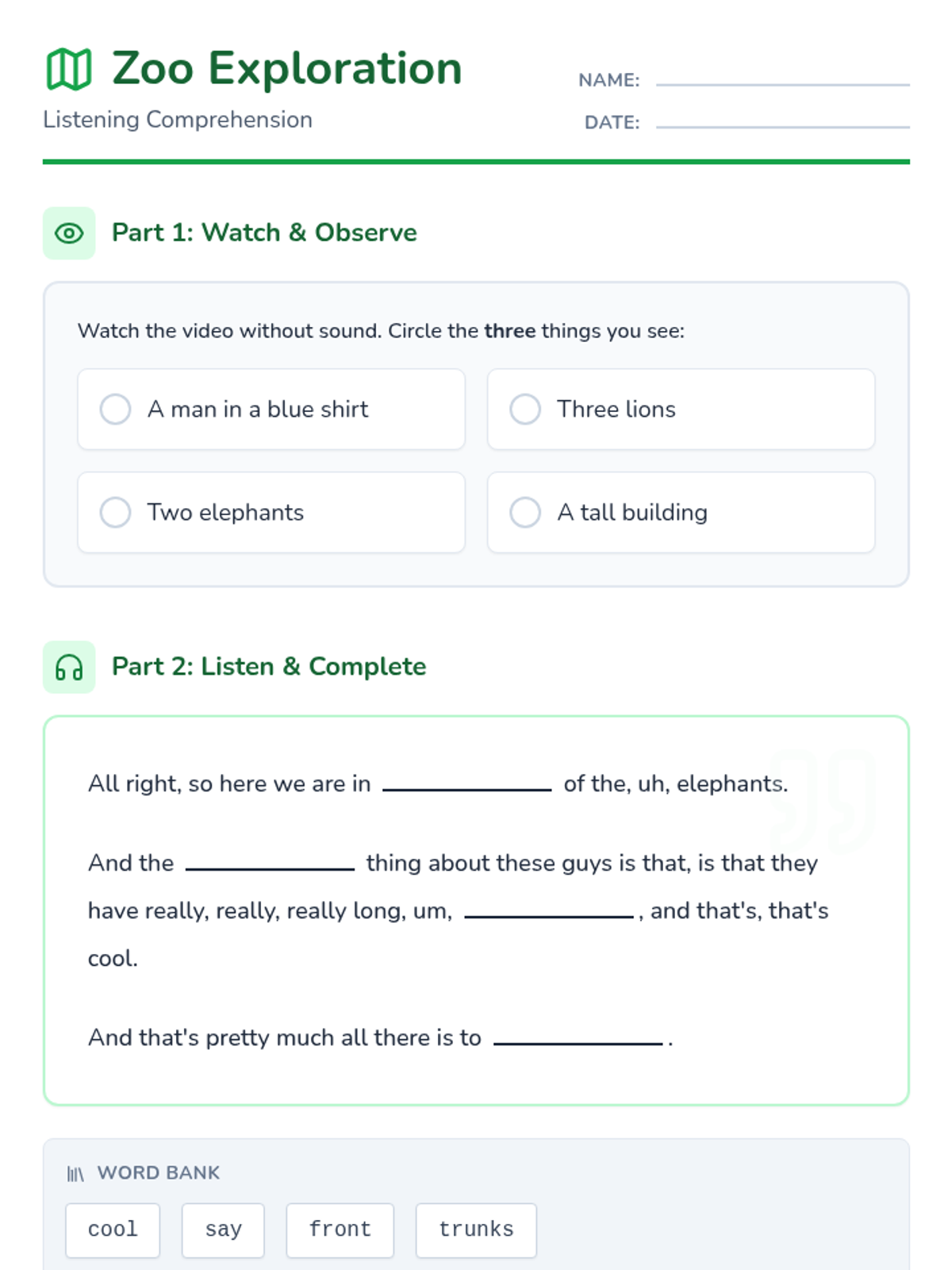
A listening comprehension and preposition focus lesson for ESL/ELL students using the 'Me at the zoo' video.
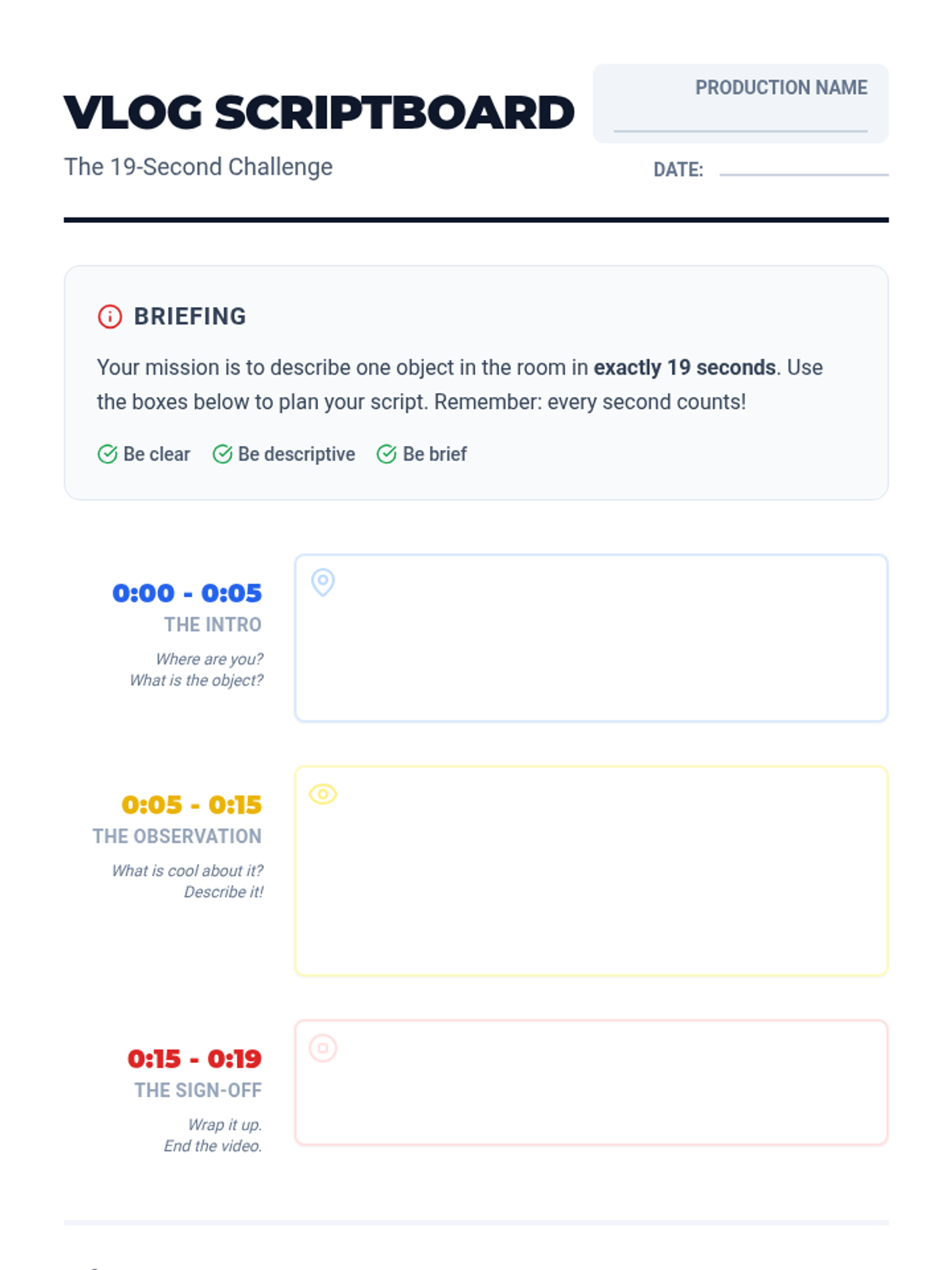
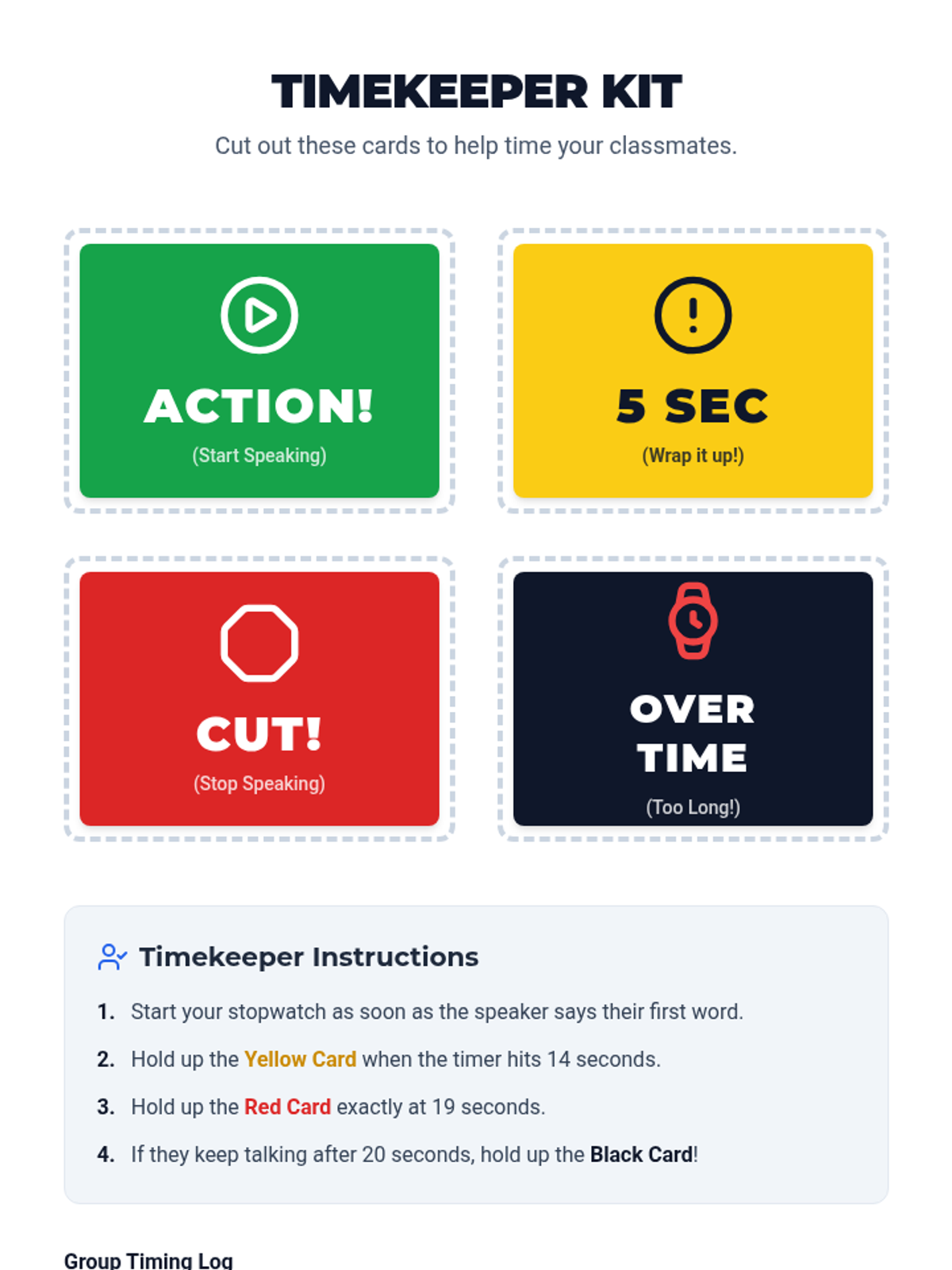
A writing and speaking lesson for 4th-6th graders focused on concise communication, using the 'Me at the zoo' video as a model for creating 19-second vlogs.
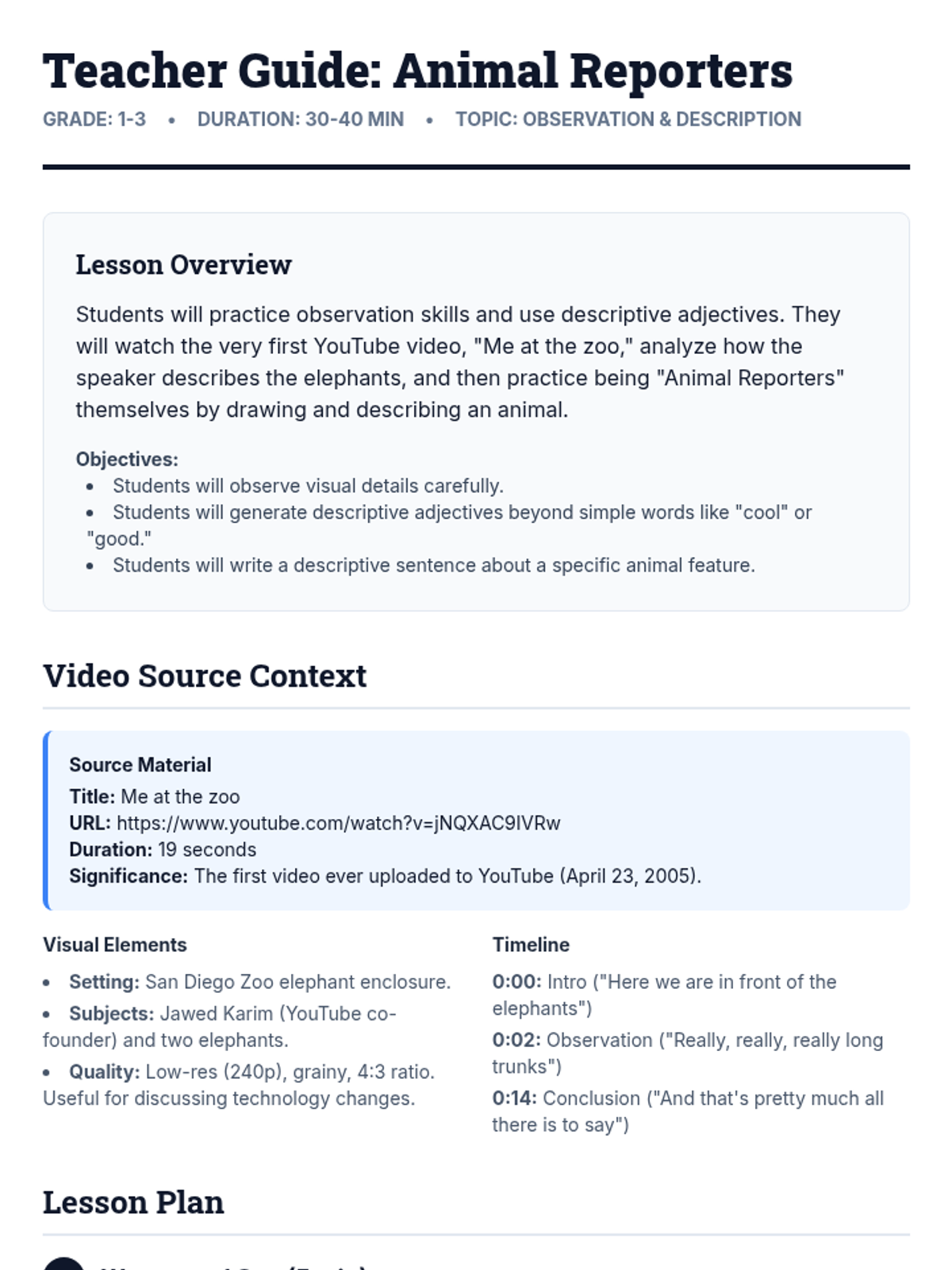
A lesson for 1st-3rd graders focusing on observation skills and descriptive adjectives, using the 'Me at the zoo' video as a primary source for analysis and imitation.
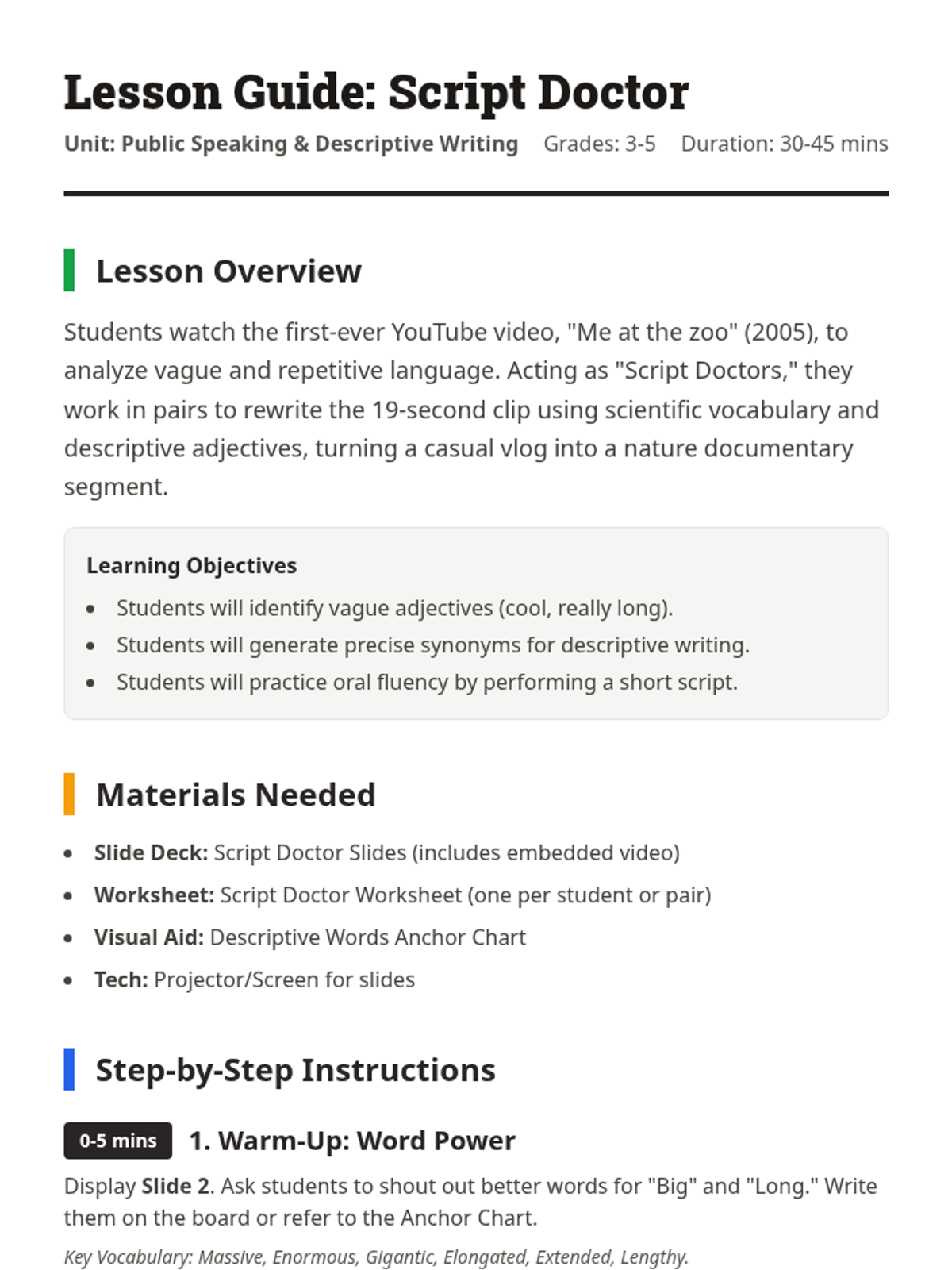
A lesson for grades 3-5 focused on public speaking and descriptive language, using the first YouTube video 'Me at the zoo' as a prompt for students to rewrite and improve a script.
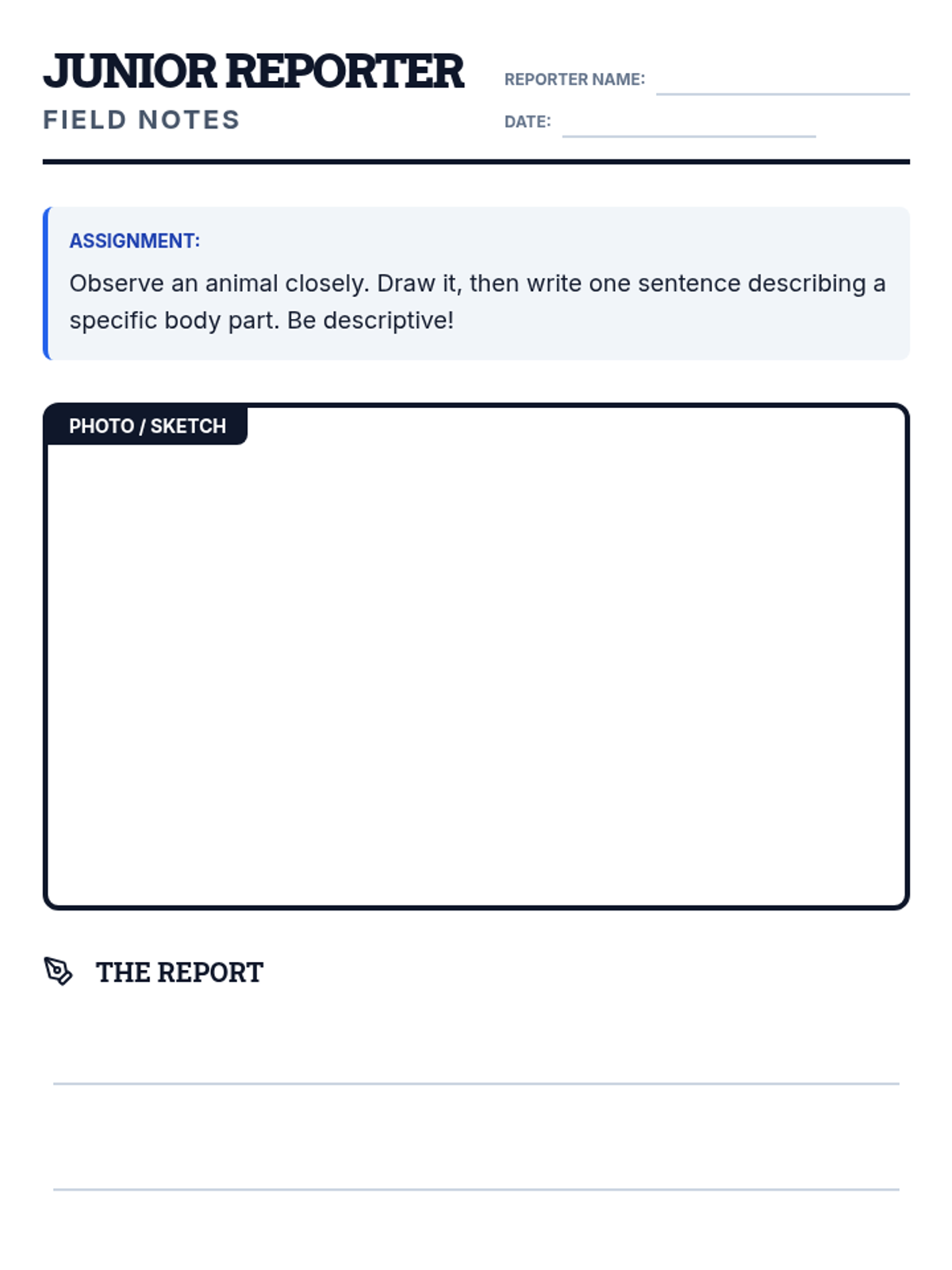
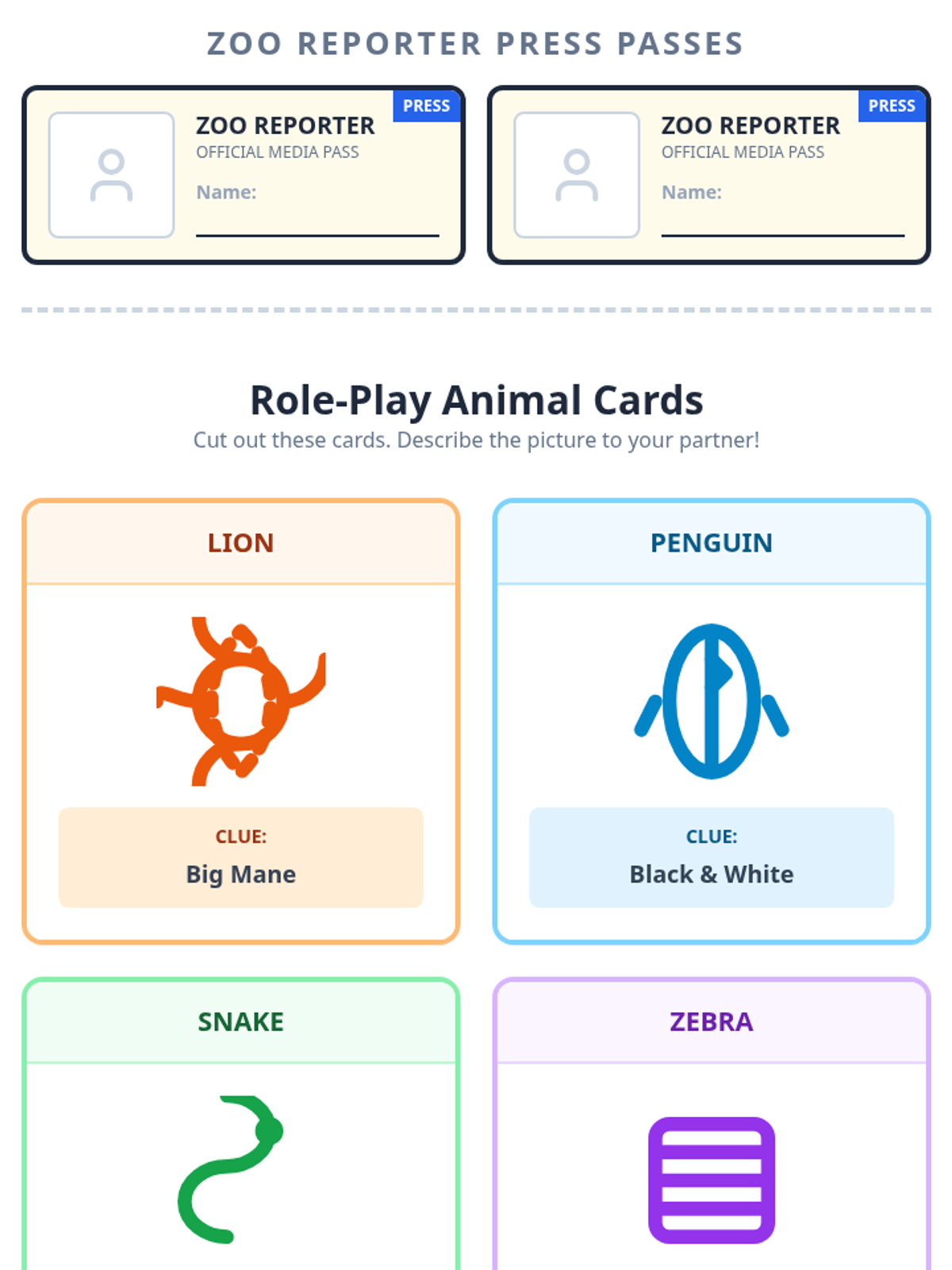
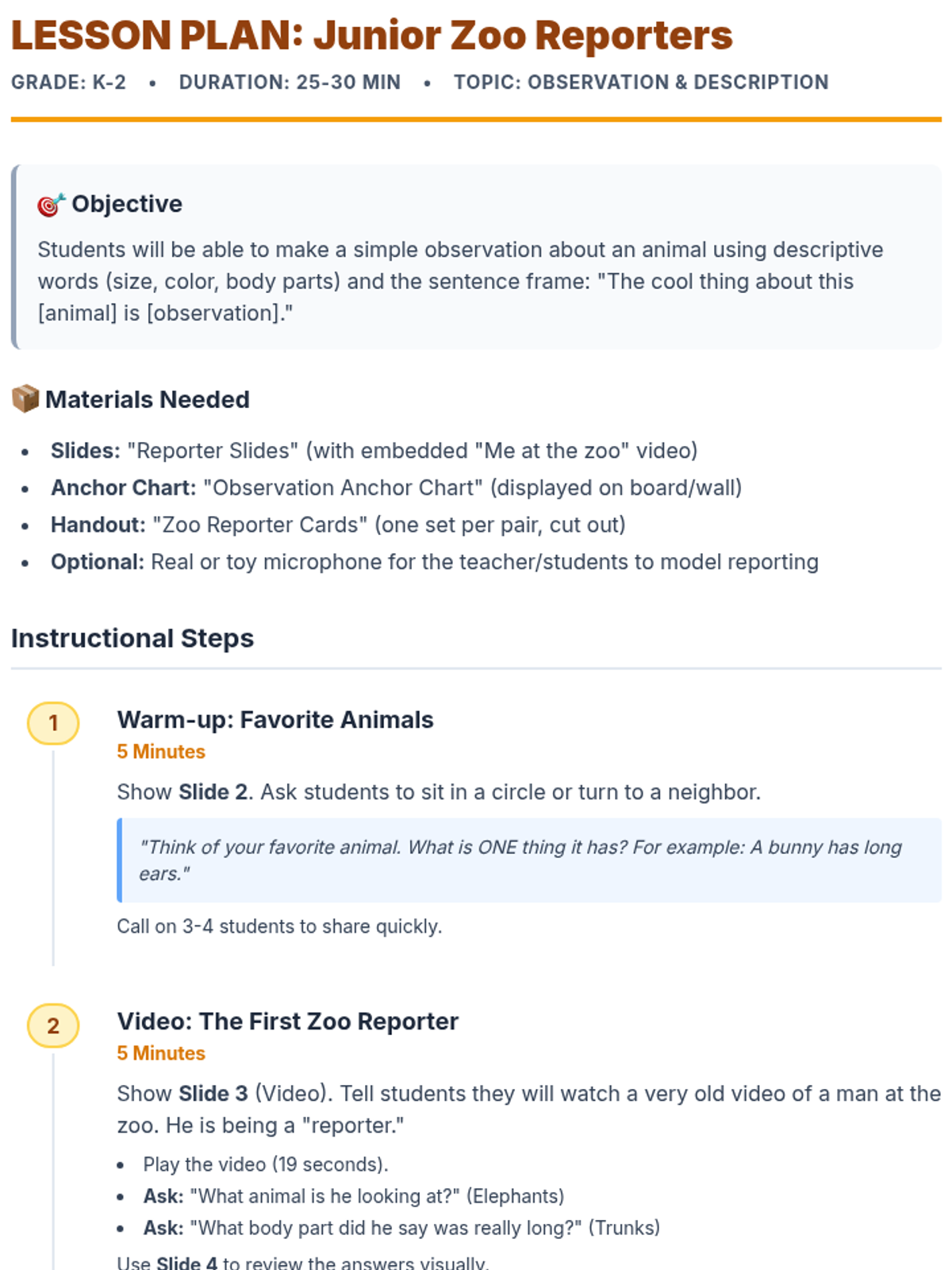
A K-2 lesson on making simple animal observations using descriptive words, featuring the 'Me at the zoo' video. Students act as zoo reporters to practice using sentence frames.
A rhythmic introduction to Spanish zoo animal names (lion, monkey, giraffe) through a repetitive action song and visual aids.
A comprehensive lesson designed for 2nd-grade ELL students to master vocabulary and sentence structures related to the four seasons and various weather conditions.