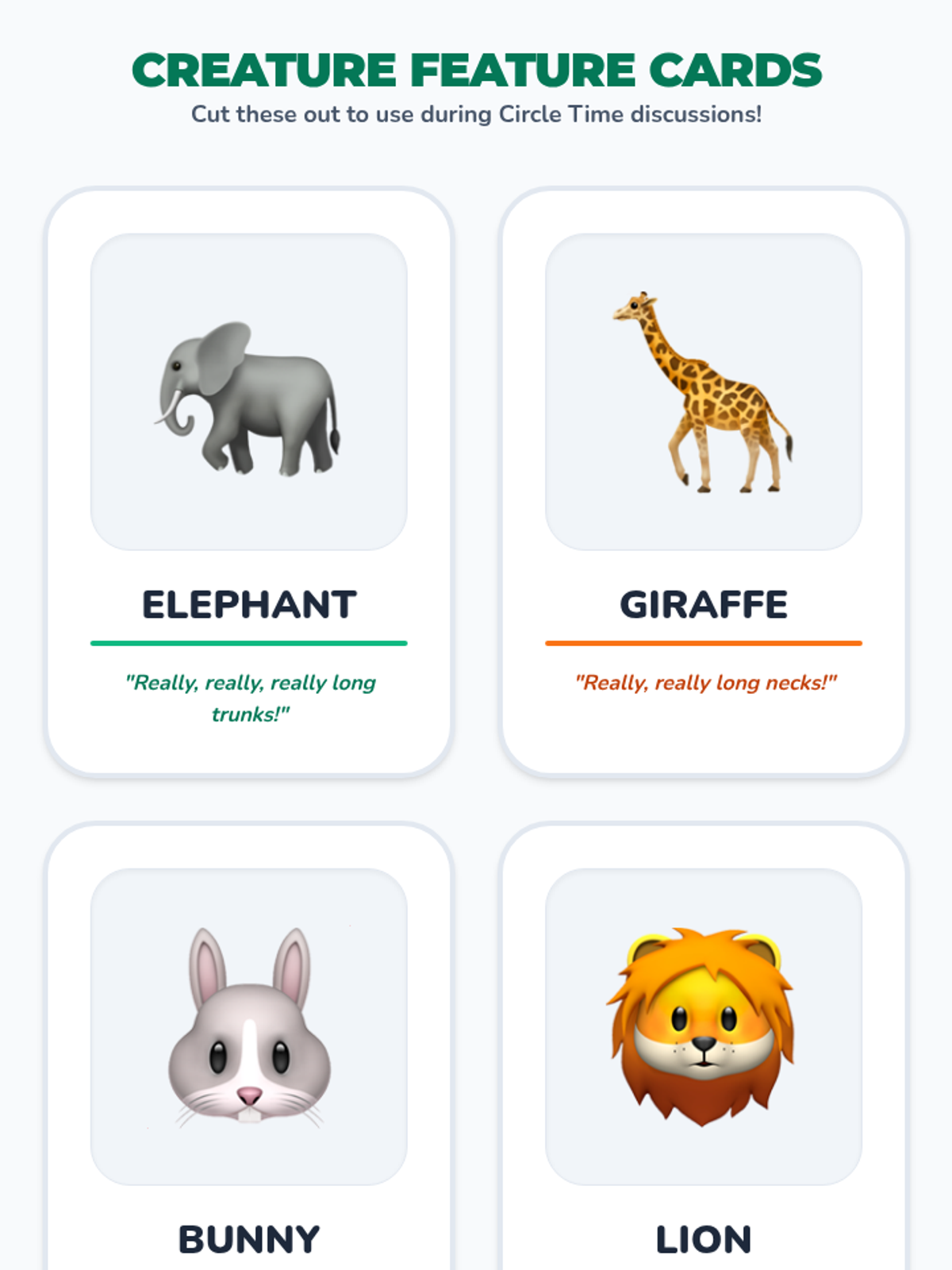
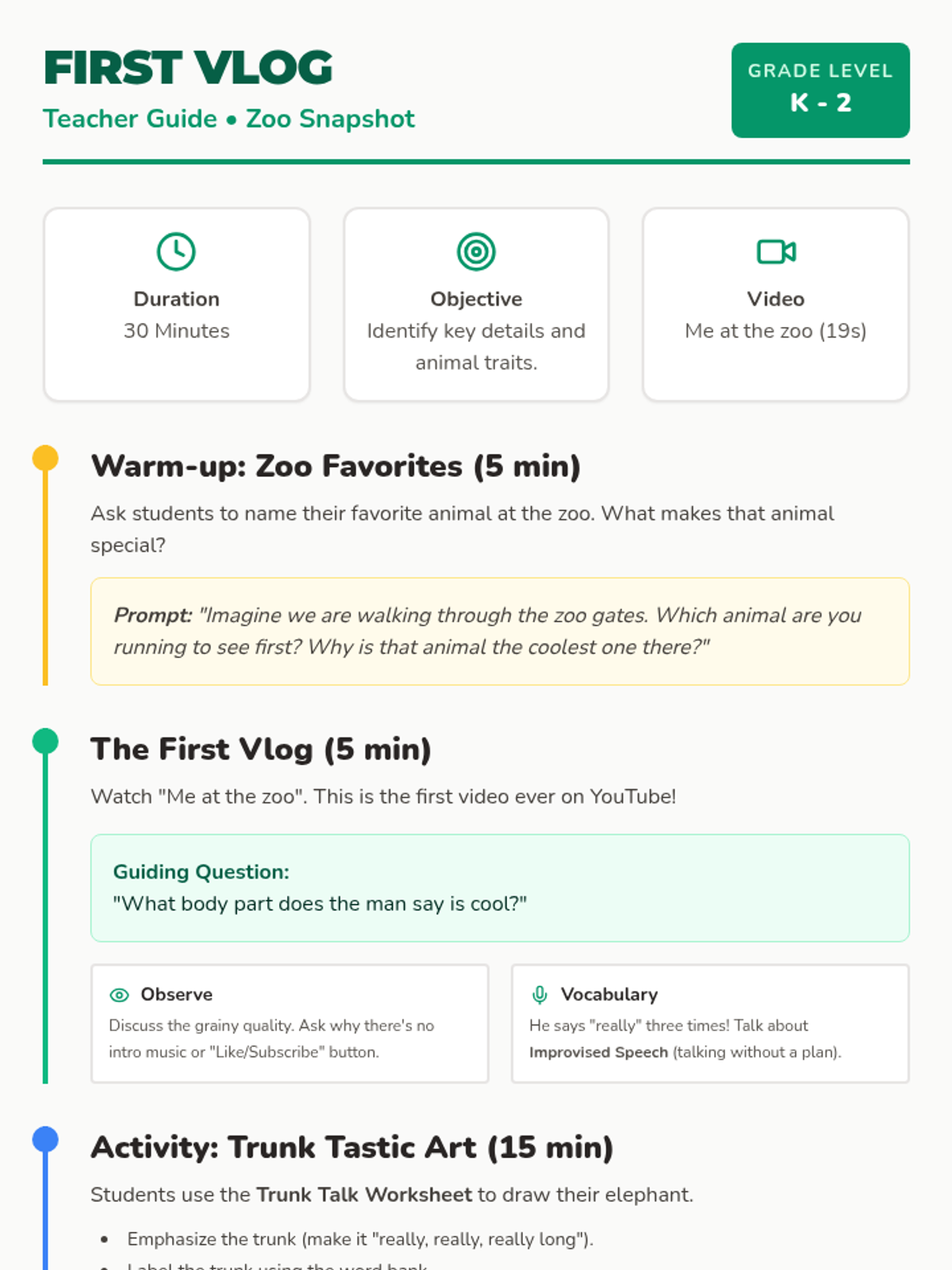
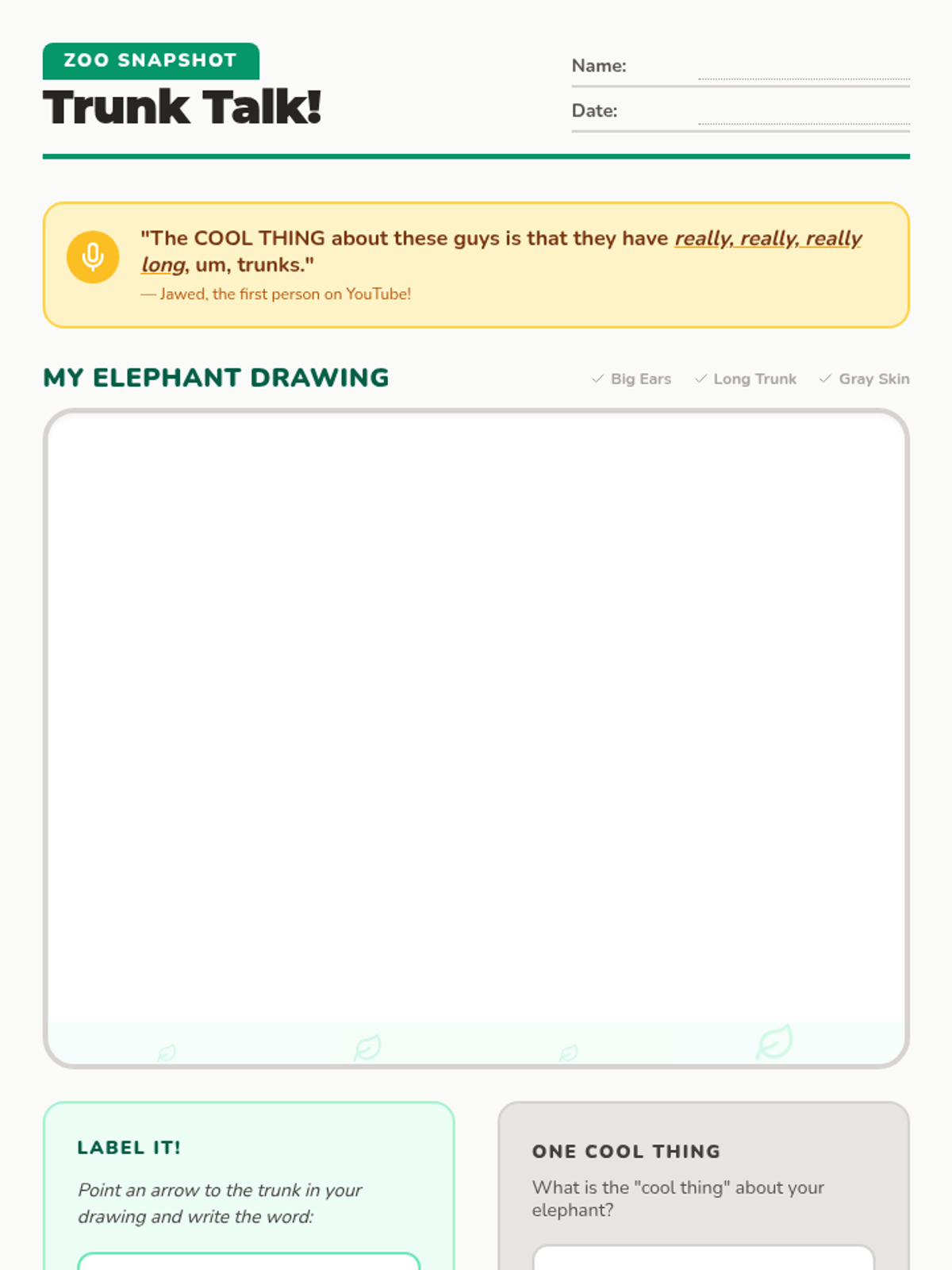
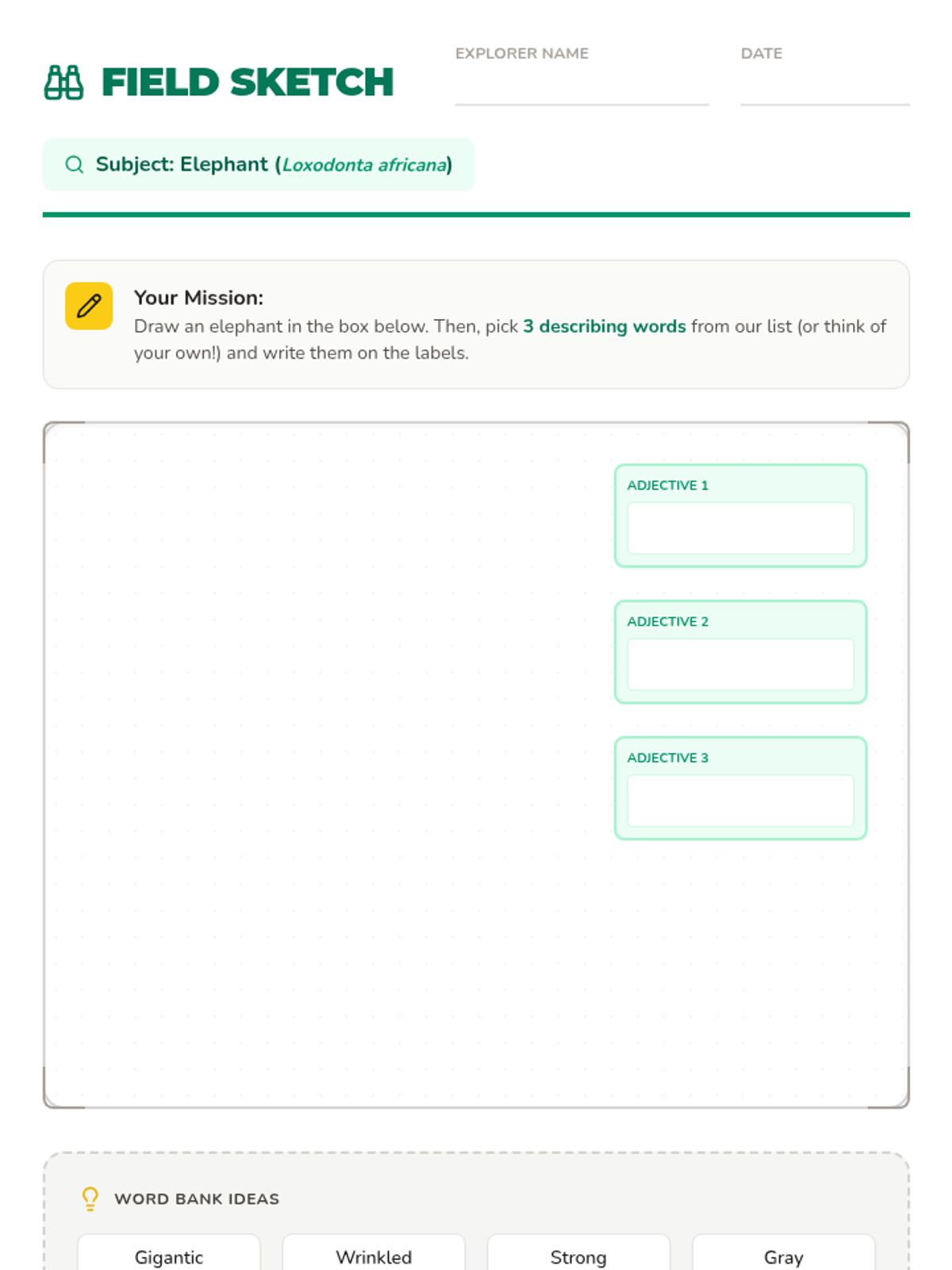
A Pre-K to 2nd-grade lesson on elephant characteristics using the first YouTube video "Me at the zoo". Students observe, draw, and describe elephants.
A lesson where students compare early digital media with modern content to understand how communication standards change, centering on the first YouTube video 'Me at the zoo'.
1/16
A rhythmic introduction to Spanish zoo animal names (lion, monkey, giraffe) through a repetitive action song and visual aids.
1/14
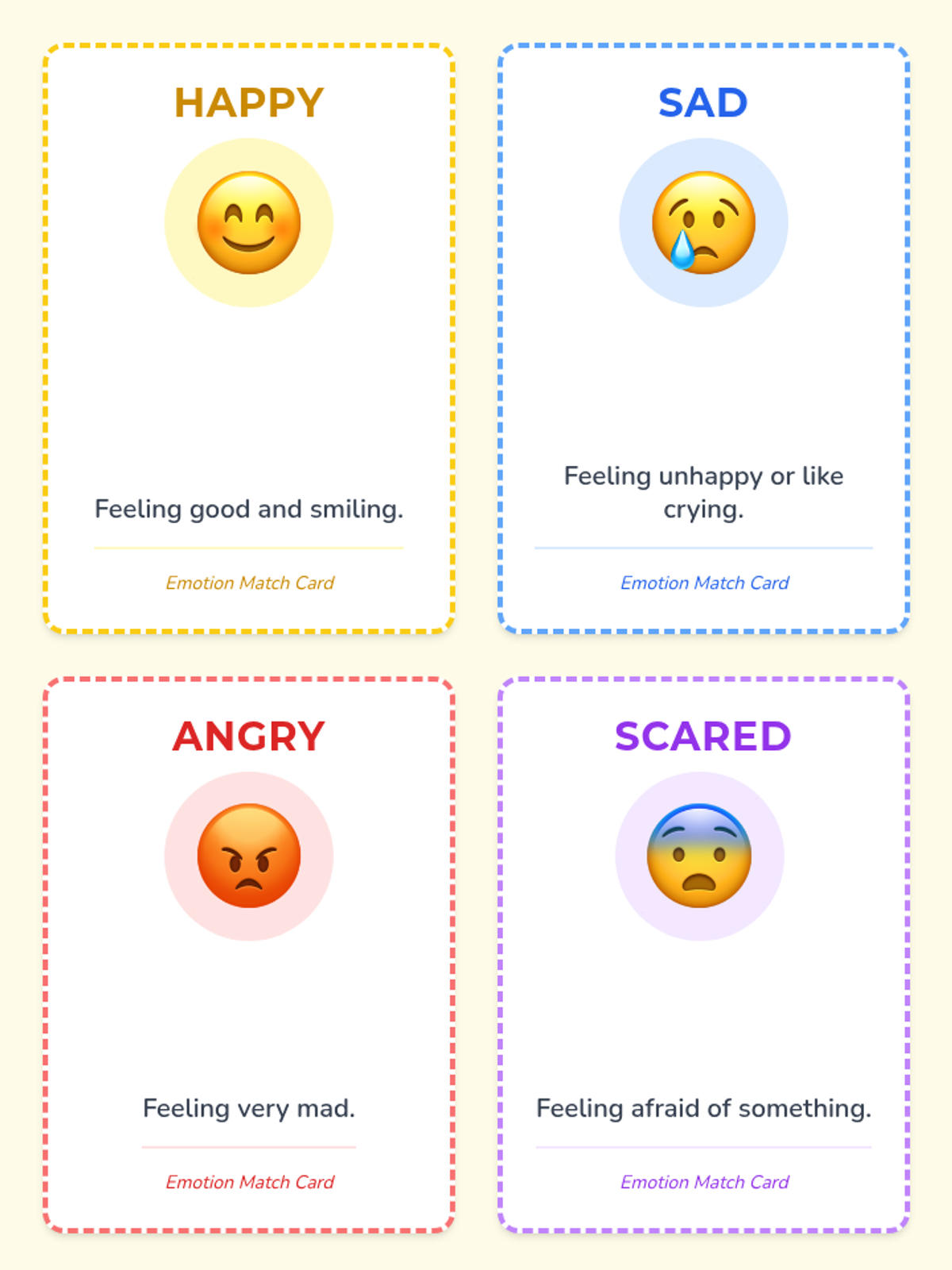
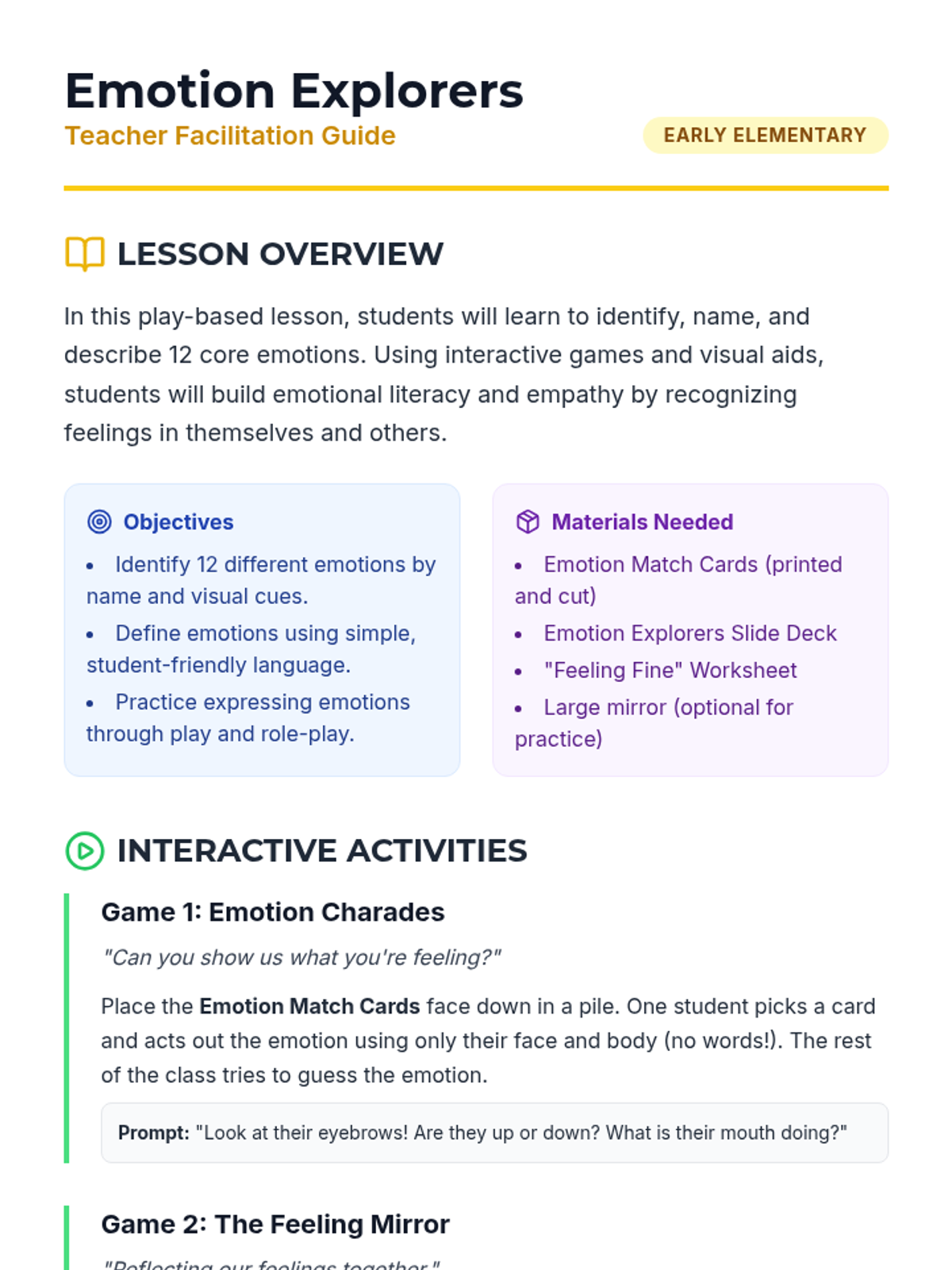
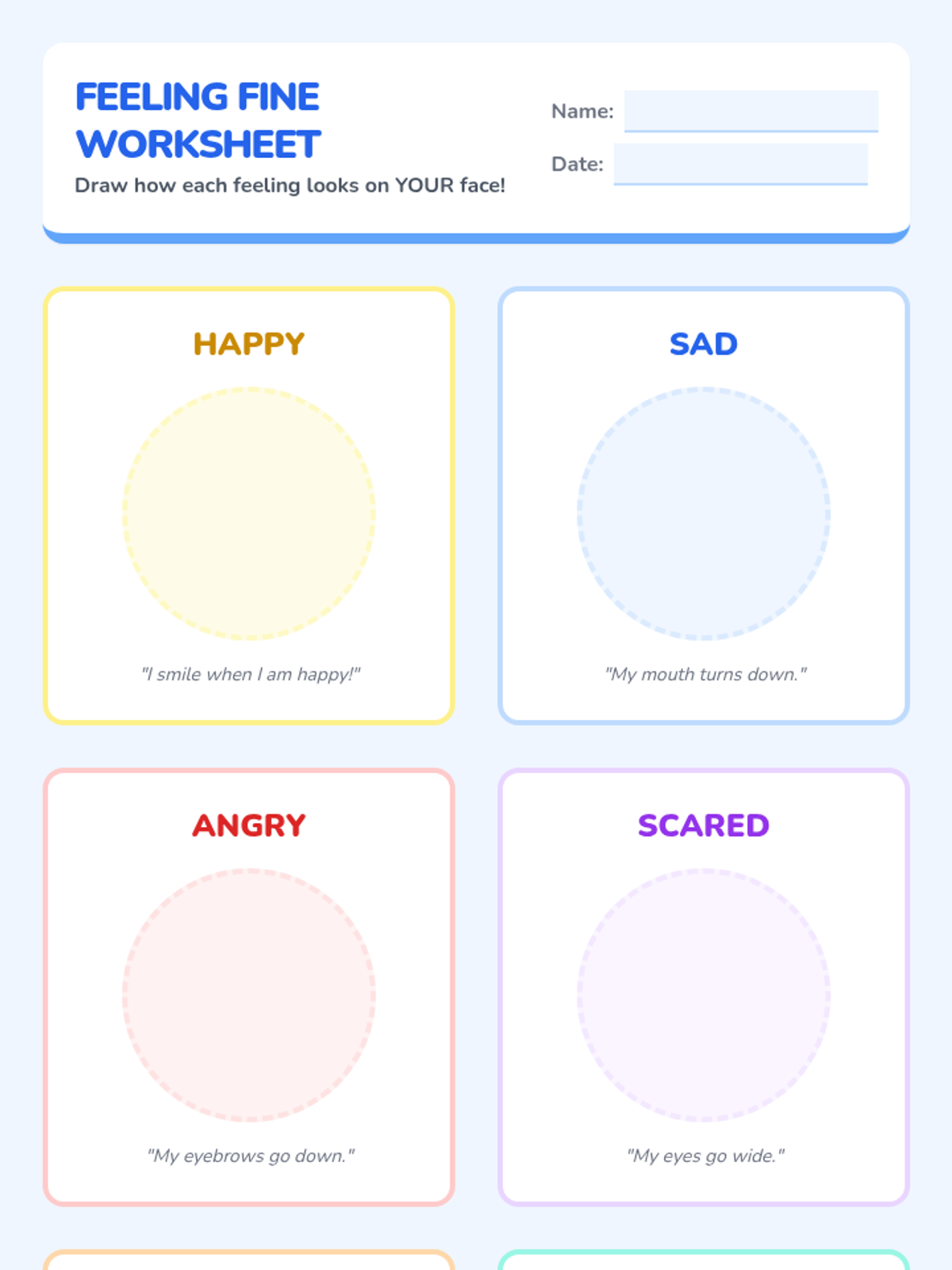
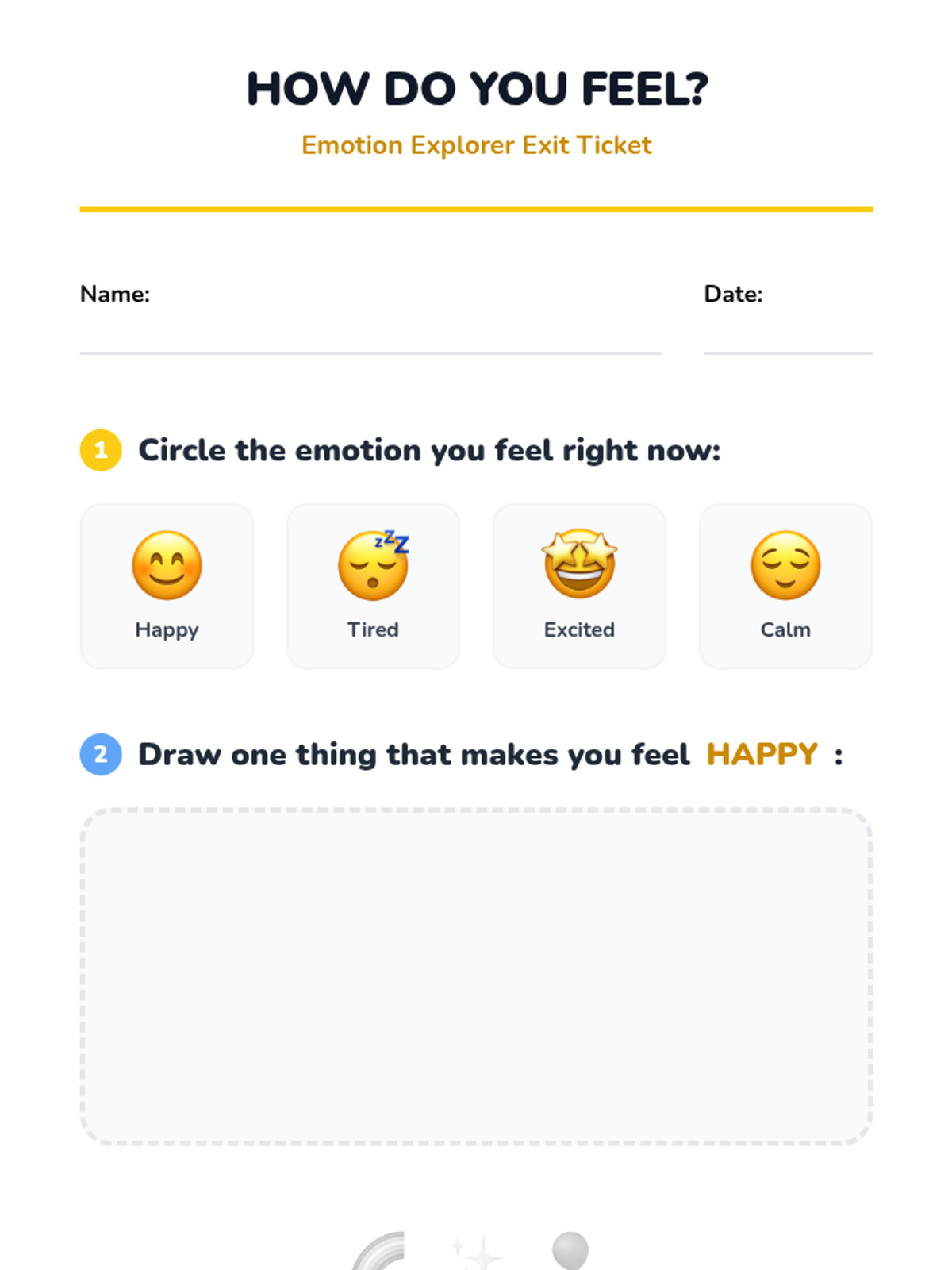
A play-based lesson designed to help young students identify and understand a wide range of emotions through interactive games and visual aids.
A lesson for high school Media Studies/History students analyzing the shift from broadcast to social media through the lens of the first YouTube video, 'Me at the zoo'. Students evaluate the impact of User-Generated Content (UGC) and compare early digital media to modern trends.
A Kindergarten to 2nd Grade lesson where students practice observation and descriptive language by watching the first-ever YouTube video and drawing an elephant.
Students will explore the origins of vlogging through the first YouTube video, analyzing its structure and authentic style to create their own 20-second 'unscripted' school report.
A lesson exploring the transformation of digital media production through the lens of YouTube's first video, 'Me at the zoo', contrasting early raw footage with modern high-production content.
A writing and speaking lesson for 4th-6th graders focused on concise communication, using the 'Me at the zoo' video as a model for creating 19-second vlogs.
A fun, active introduction to counting from 1 to 10 in Japanese through a rhythmic ninja-themed chant and visual aids. Students learn kanji, hiragana, and romaji while practicing pronunciation and counting skills.
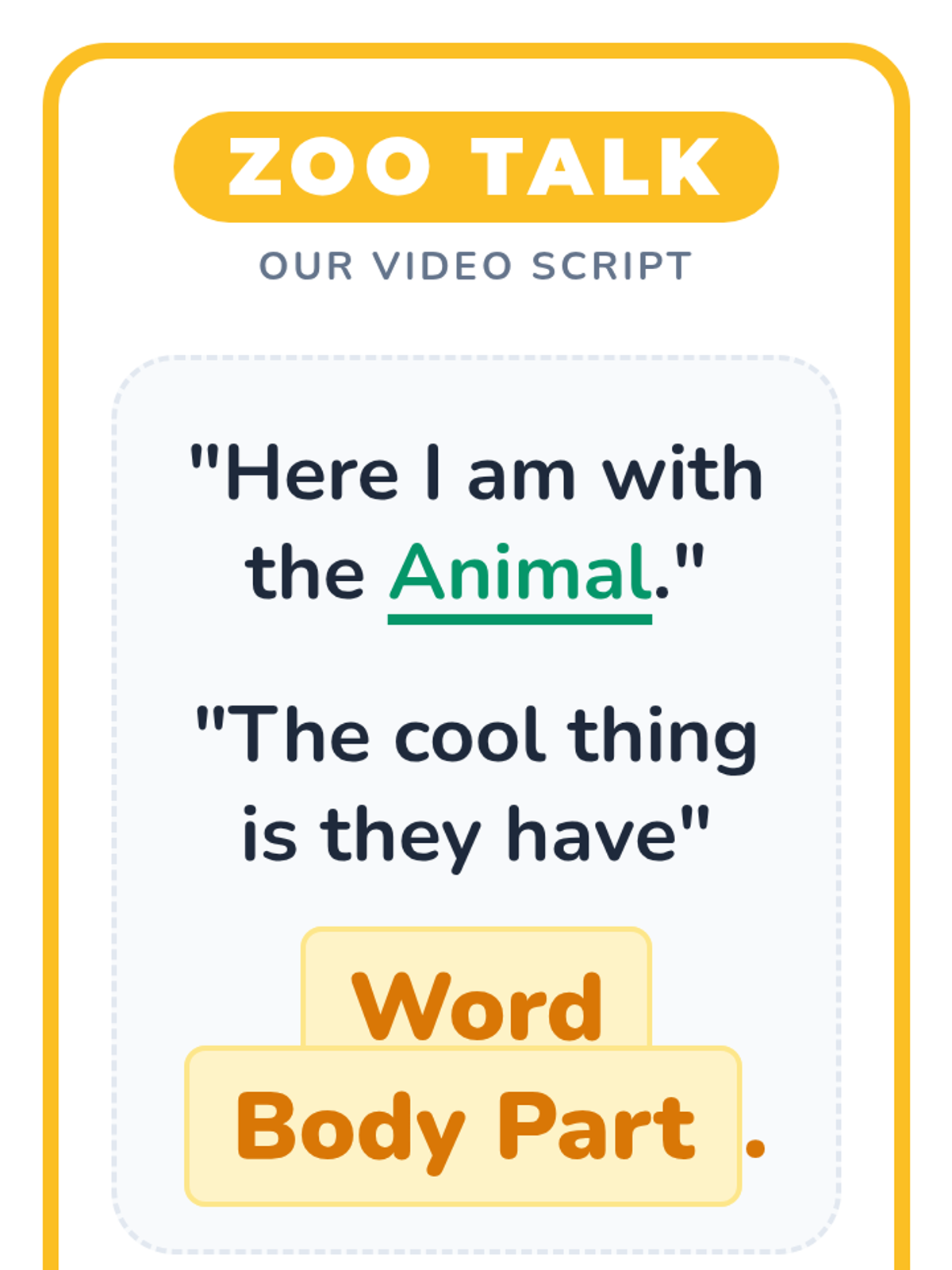
A lesson where students analyze the first YouTube video, 'Me at the zoo', and rewrite its weak script using precise vocabulary and sensory details.
A media studies and history lesson exploring the shift from traditional media to user-generated content through the lens of the first YouTube video, 'Me at the zoo'.
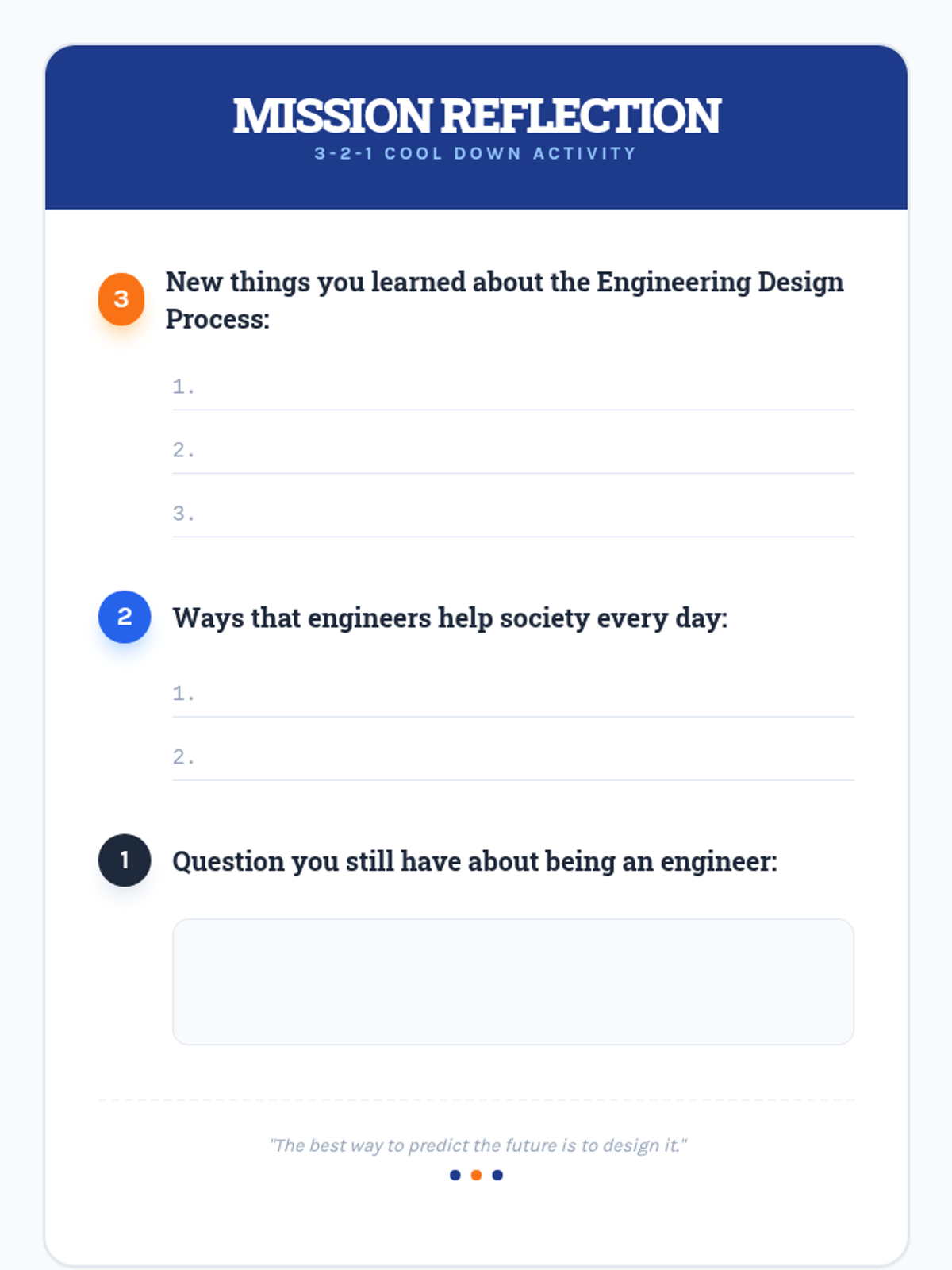
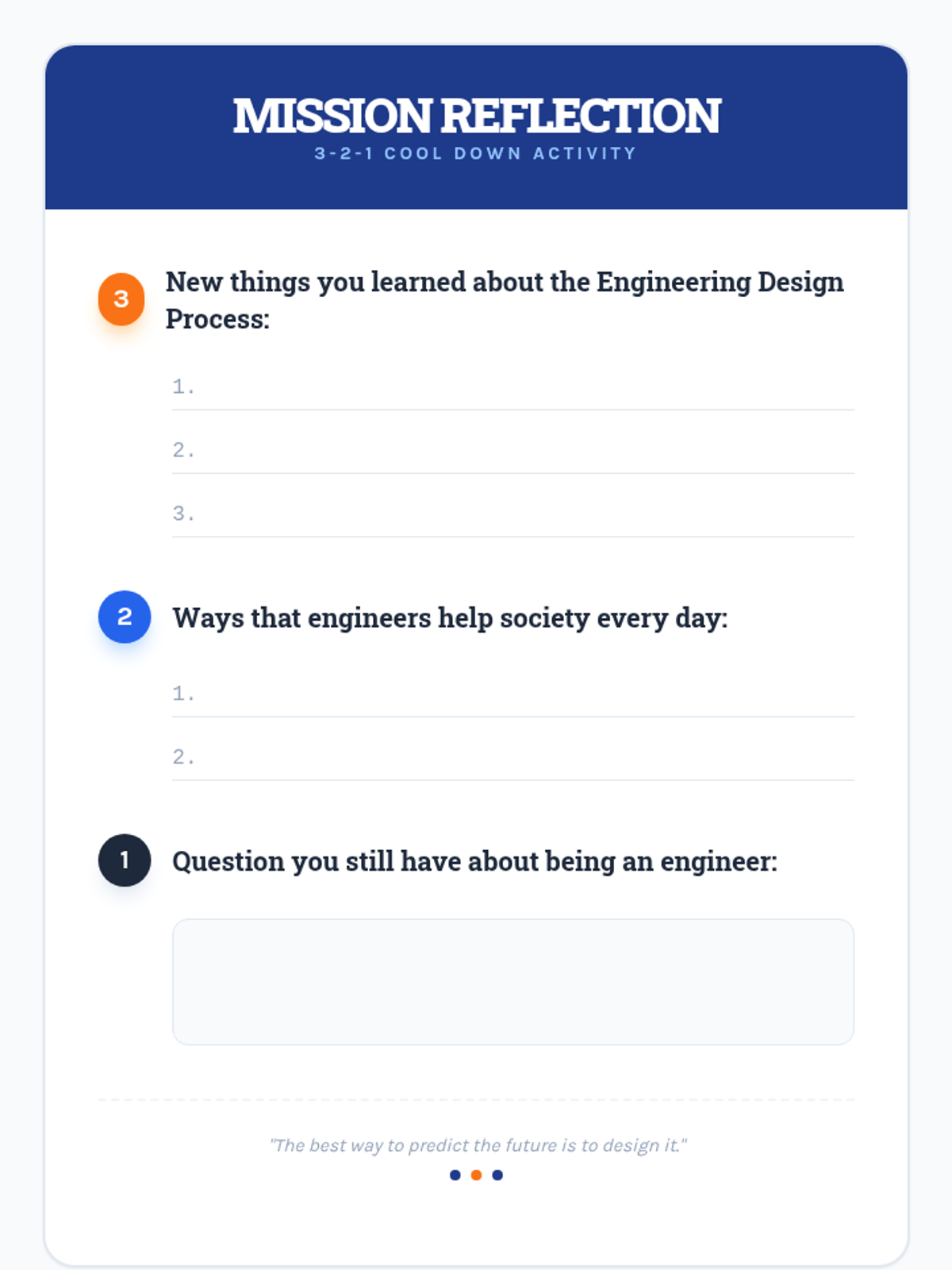
In this lesson, students explore the Engineering Design Process (EDP) by tackling a real-world design challenge. They will identify problems, brainstorm solutions, build prototypes, and iterate based on testing.
A set of visual tools to help students navigate daily classroom transitions and routines with independence.
A lesson exploring the origins of vlogging through YouTube's first video, focusing on the concepts of authenticity, user-generated content, and parasocial relationships.
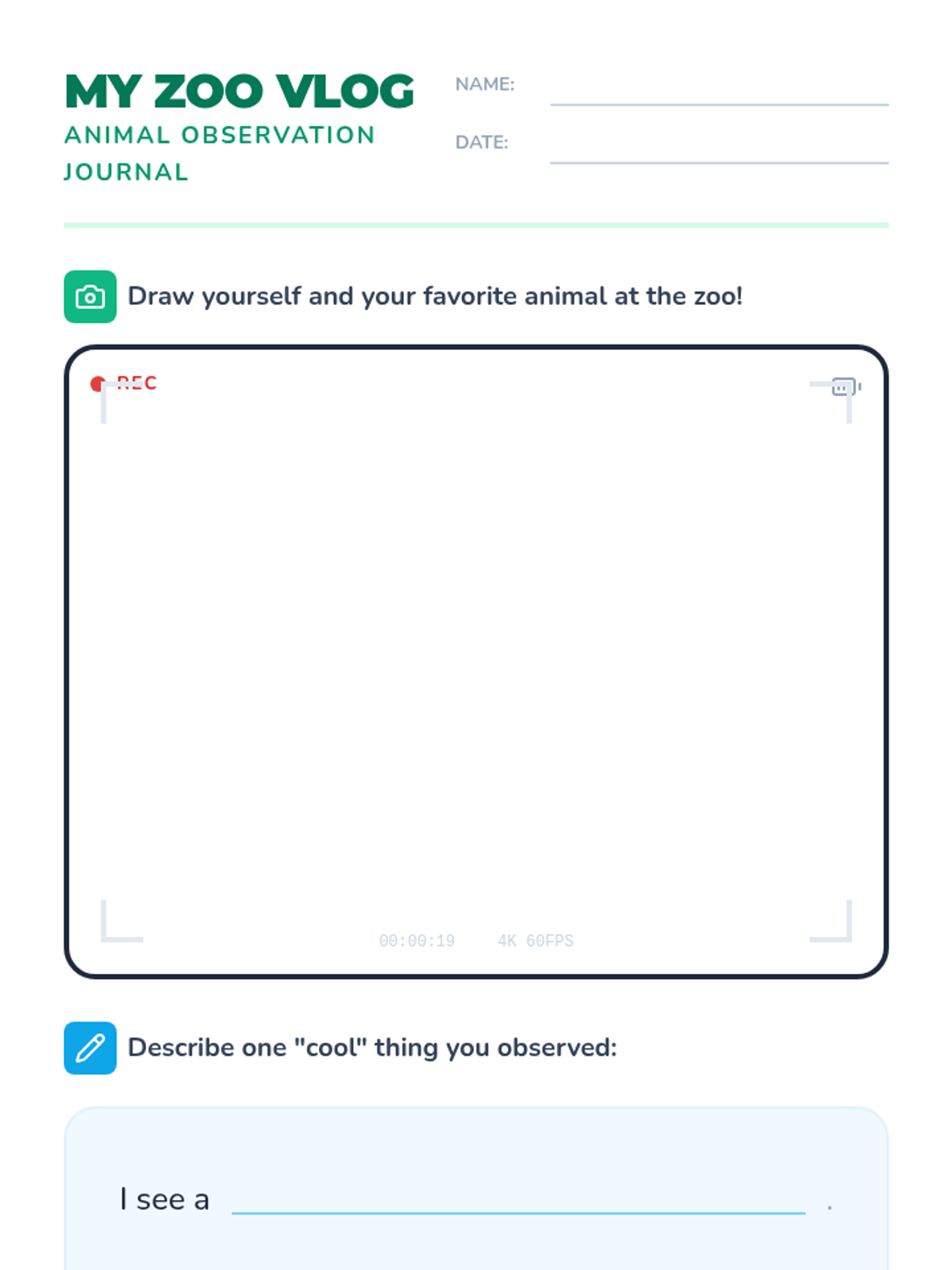
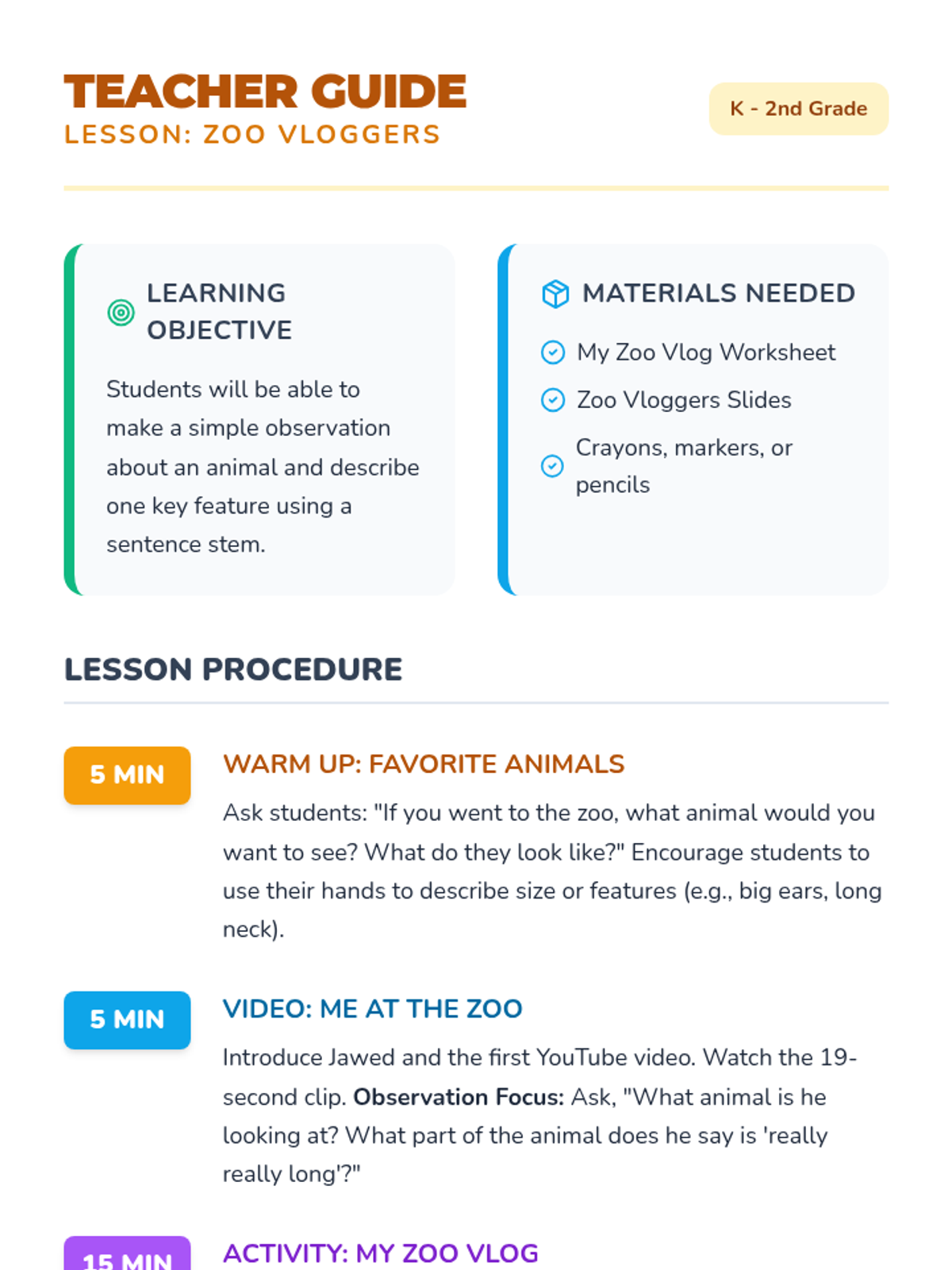
A Kindergarten-2nd Grade lesson where students learn to make simple animal observations by watching the first-ever YouTube video and creating their own 'Zoo Vlog' drawing and description.
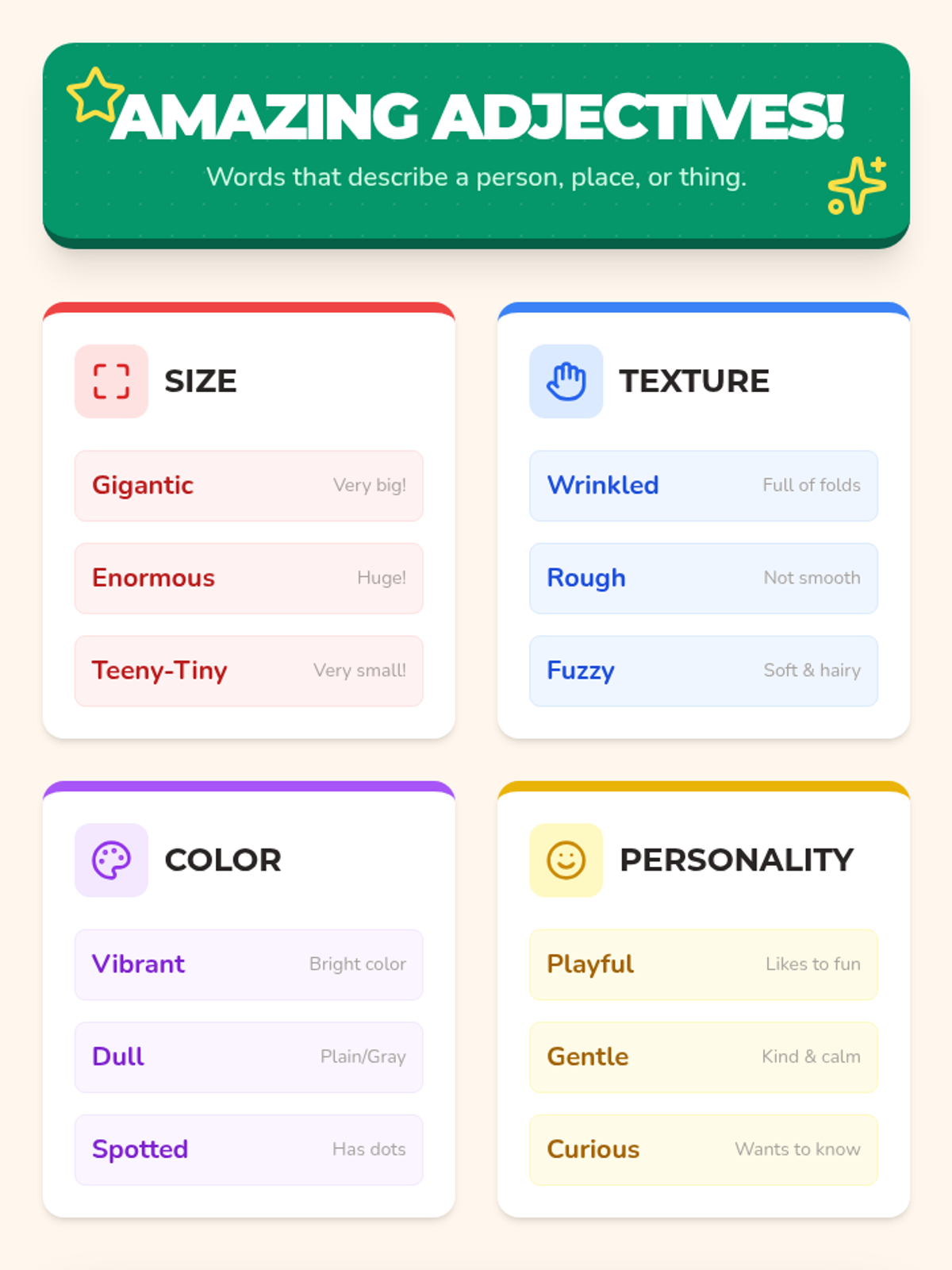
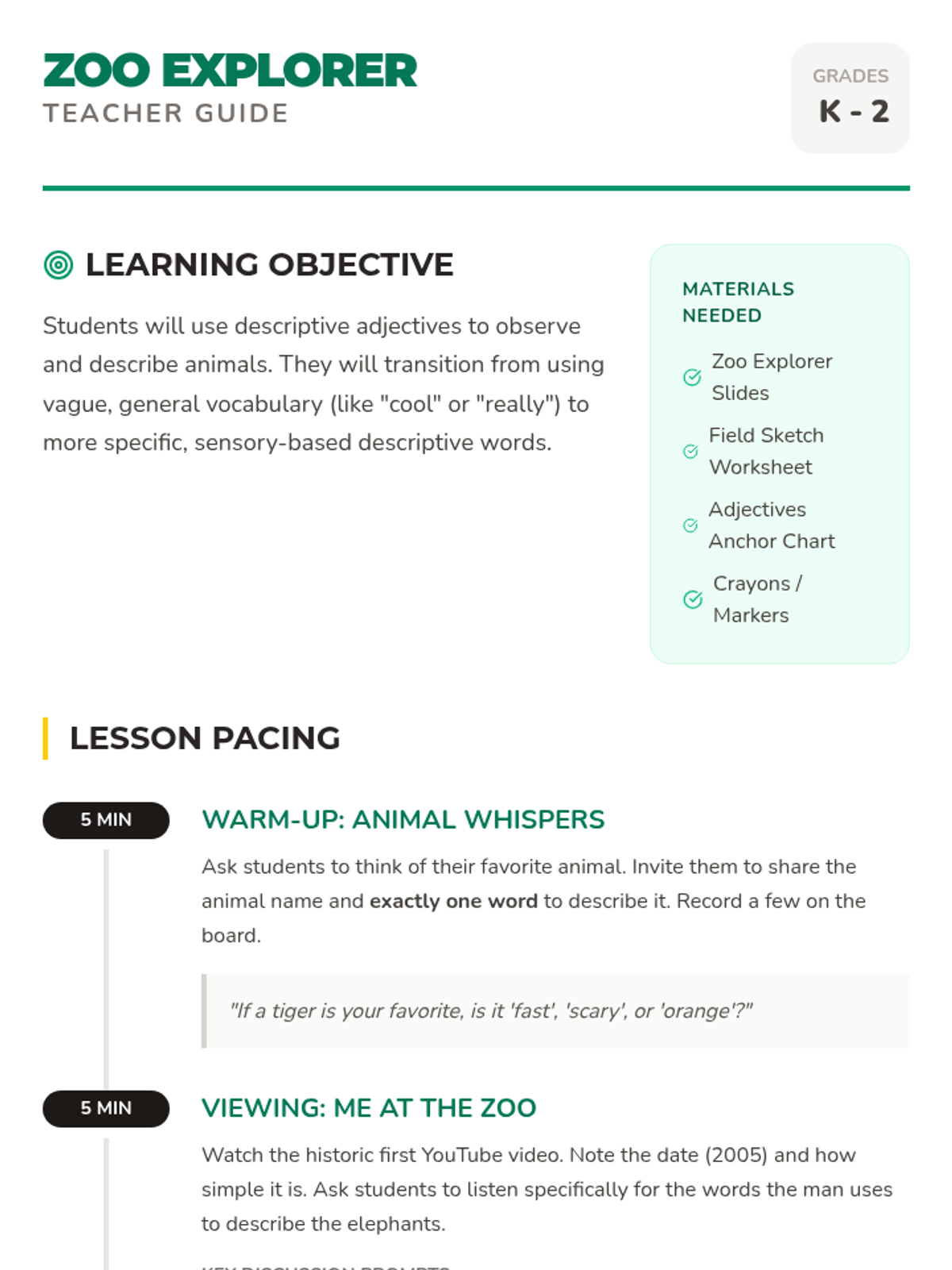
A Kindergarten-2nd grade lesson focused on using descriptive adjectives to observe animals, using the historic first YouTube video as a starting point for vocabulary expansion.
Students analyze the first YouTube video, 'Me at the zoo', as a primary source to understand the shift to User-Generated Content (UGC) and 2005 culture through a digital archaeology simulation.
A vibrant lesson for Kindergarten students to explore and identify seasonal colors through interactive slides, matching games, and creative practice.
1/15
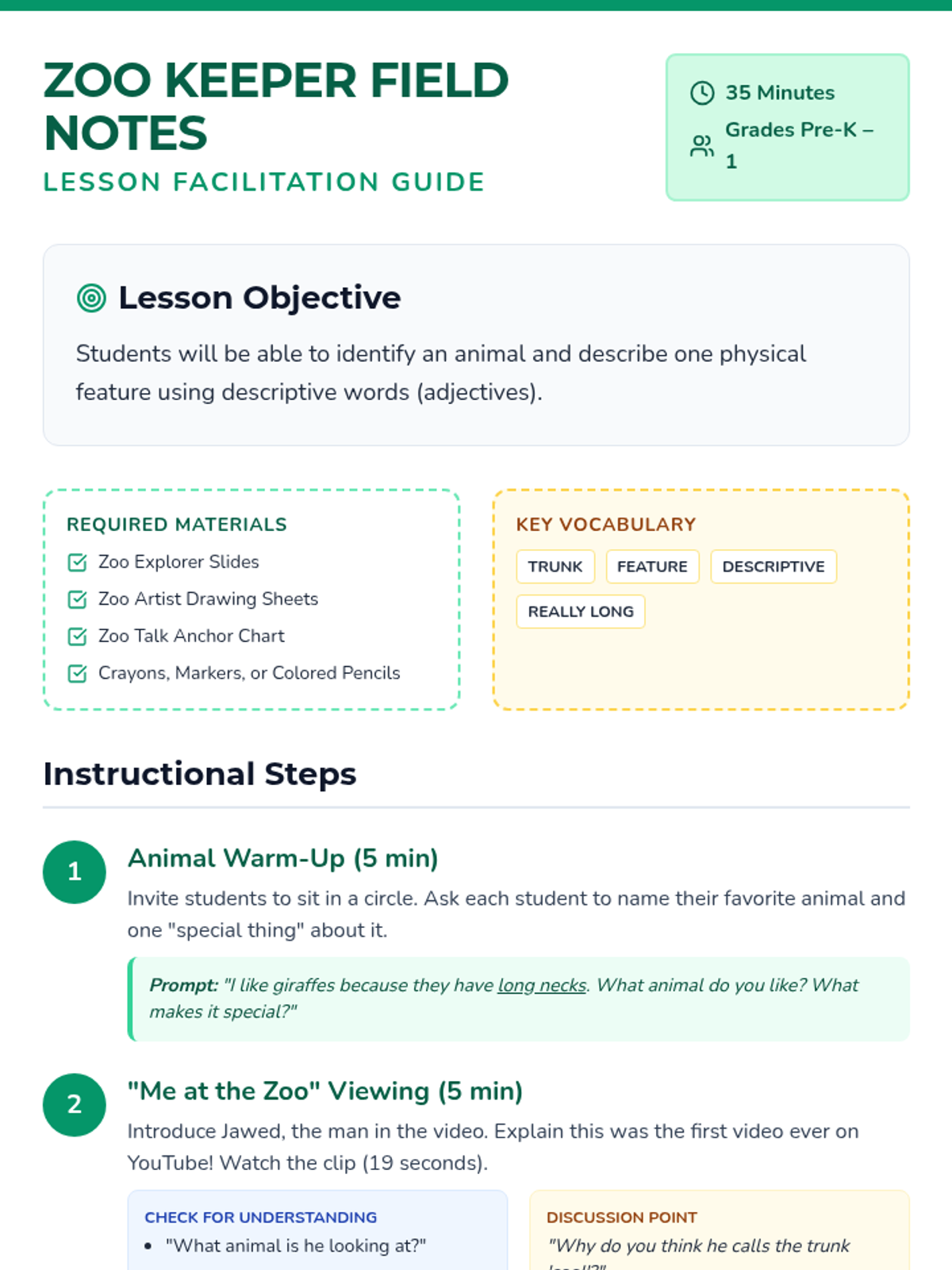
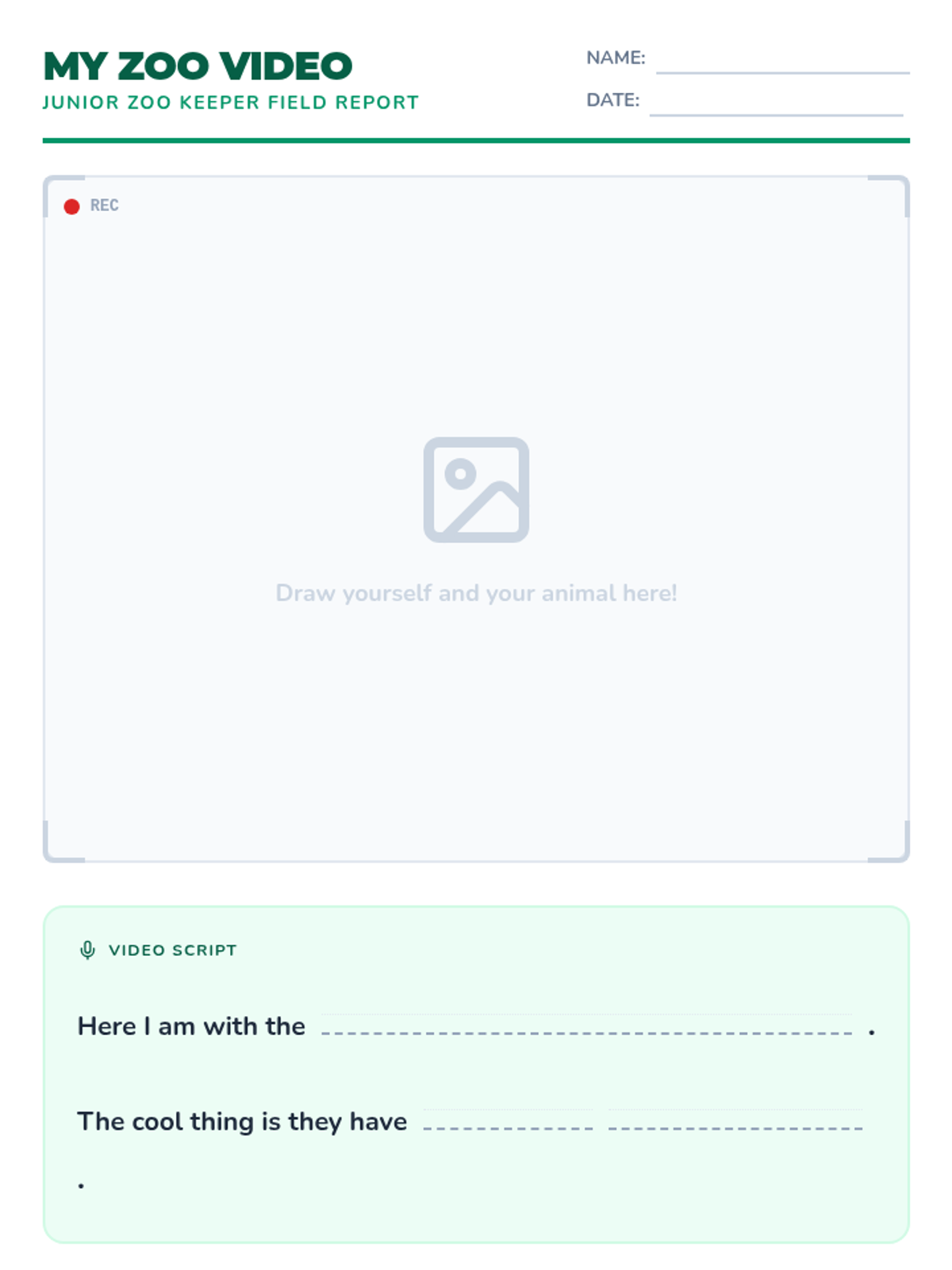
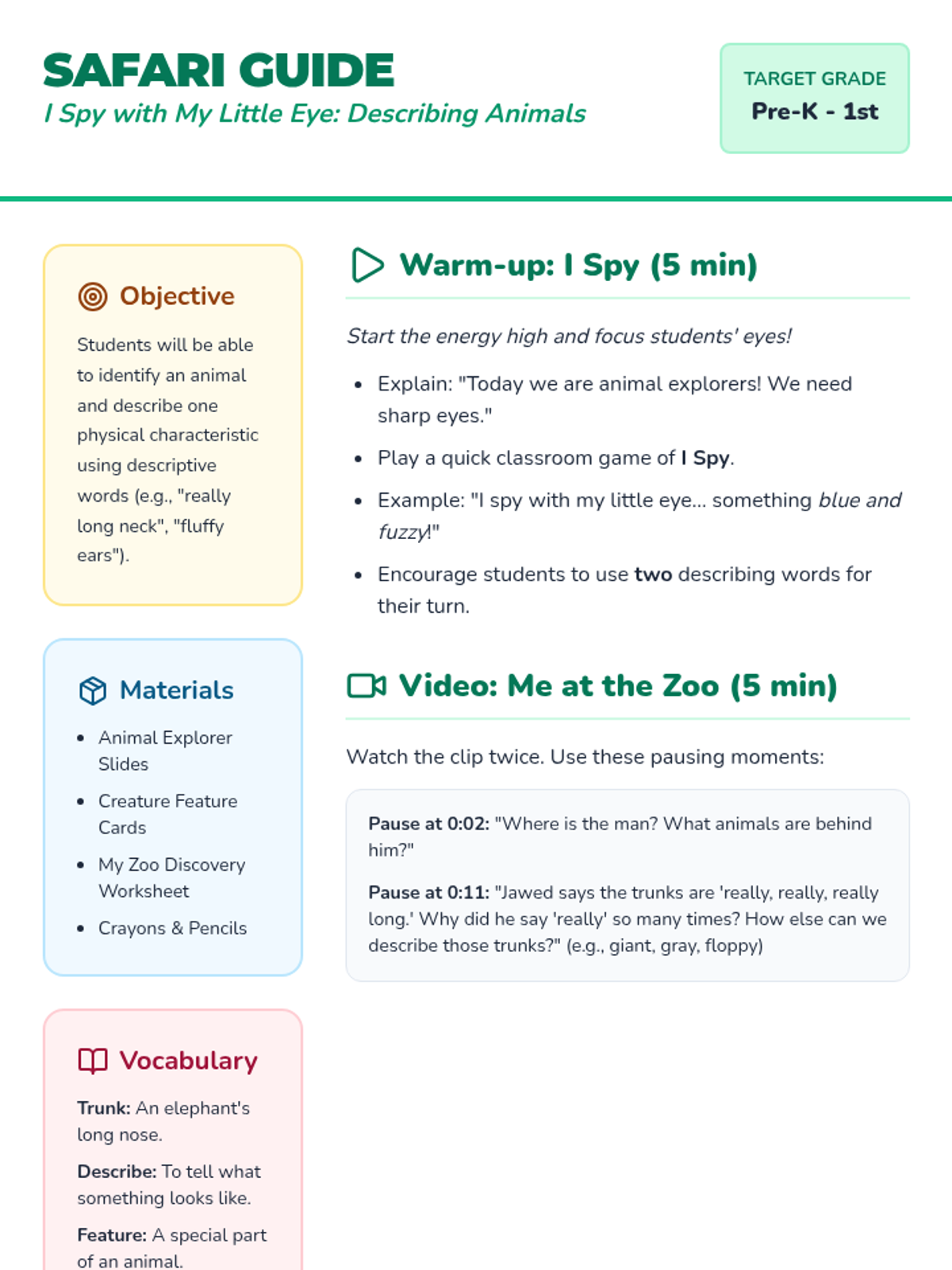
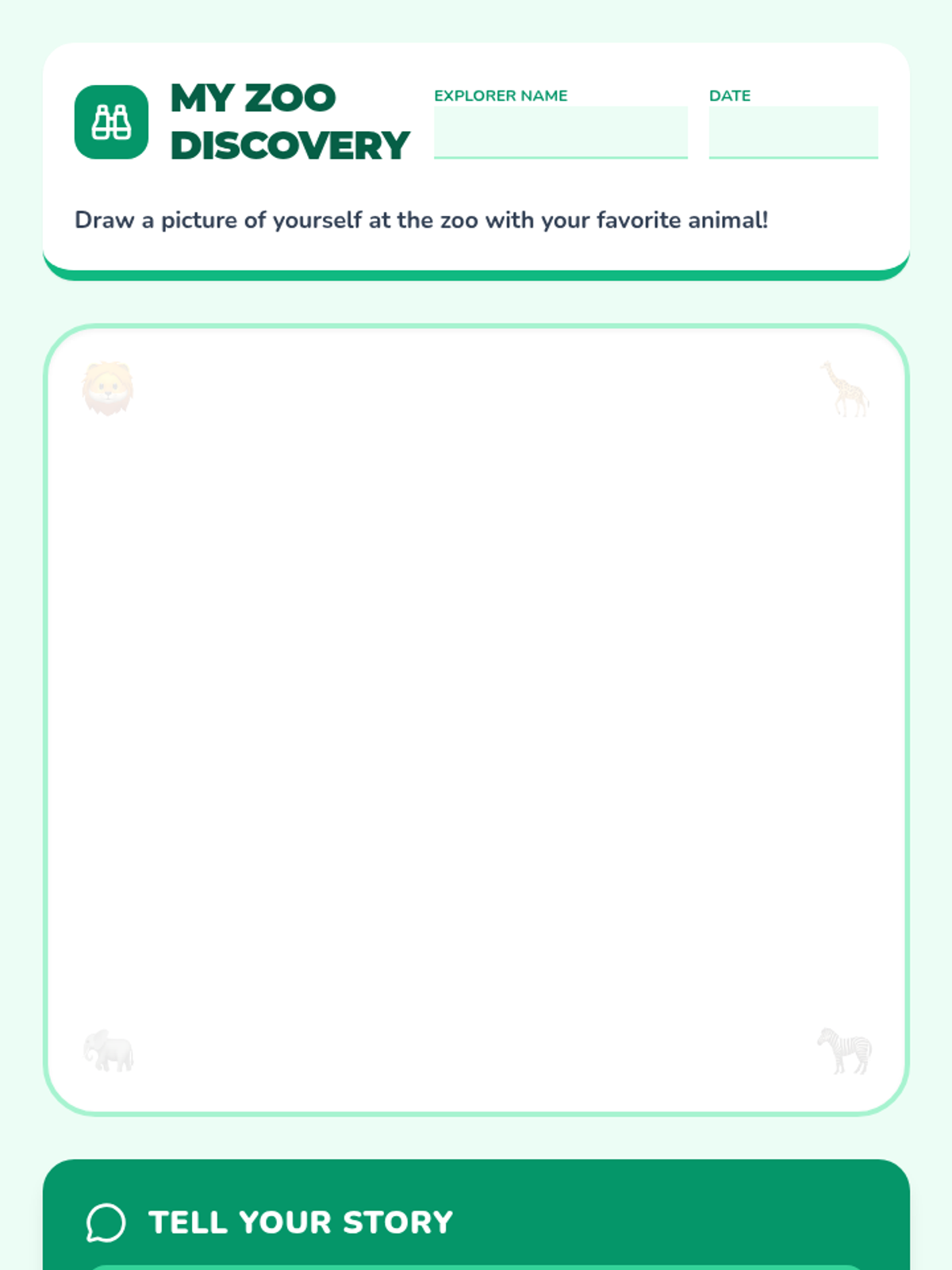
A simple science observation lesson for Pre-K to 1st grade students focusing on describing animal features, observing a video, and drawing.
A middle school ELA/Speech lesson focused on the difference between impromptu and scripted speaking, using the first YouTube video 'Me at the zoo' as a case study. Students analyze filler words and practice rewriting content for better delivery.